

When Should You Replace Your Roof? A Homeowner’s Guide to Knowing When It’s Time

Your roof is one of the most important parts of your home. It protects everything underneath it from weather, moisture, and heat.
Most homeowners don’t think about their roof until something goes wrong. By then, the damage is already expensive.
Knowing when to act can save you thousands of dollars and prevent much bigger problems down the road. This guide walks you through everything you need to know.
How Long Does a Roof Actually Last?
Not all roofs age the same way. The material matters a lot, and so does your local climate.
In Texas and other hot, humid climates, roofs can lose 20 to 30% of their expected lifespan compared to milder regions.
Roofing Material Lifespan Comparison
|
Material |
Average Lifespan |
Best For |
Cost Level |
|---|---|---|---|
|
Asphalt Shingles |
15 to 25 years |
Most climates, budget-friendly |
Low to Medium |
|
Metal Roofing |
40 to 70 years |
Energy efficiency, durability |
Medium to High |
|
Clay or Concrete Tiles |
50 years+ |
Warm, dry climates |
High |
|
Wood Shakes |
20 to 30 years |
Classic look, moderate climates |
Medium |
|
Slate |
75 to 100 years |
Luxury, long-term investment |
Very High |
6 Signs Your Roof Needs to Be Replaced
1. Curling, Cracking, or Missing Shingles
Healthy shingles lie flat against the roof. When they curl upward or crack, they can no longer keep water out.
Widespread shingle damage means the material has reached the end of its life. Spot repairs at this stage are rarely cost-effective.
2. Granules in the Gutters
Asphalt shingles are coated with granules that protect against UV rays and heat. Over time, these granules wear off.
Finding large amounts of granules in your gutters is a reliable sign that your shingles are breaking down and nearing failure.
3. Leaks or Water Stains Indoors
Water stains on ceilings or walls often mean your roof has been leaking for longer than you realize.
By the time moisture appears indoors, damage may already have spread to your insulation, decking, and structural framing.
4. Sagging Sections
A sagging roofline is a serious red flag. It typically points to structural damage, not just surface-level wear.
This kind of issue can affect your walls and foundation if left unaddressed. It almost always requires full replacement.
5. Your Roof Is Over 20 Years Old
Age alone is a reason to schedule an inspection, even if your roof looks fine from the ground.
Most asphalt shingle roofs in hot climates should be evaluated once they pass the 18-year mark, according to roofing professionals.
6. Rising Energy Bills
A deteriorating roof loses its ability to insulate properly. This forces your HVAC system to work harder year-round.
If your heating or cooling costs have increased without an obvious explanation, your roof may be part of the problem.
Repair vs. Replace: How to Decide
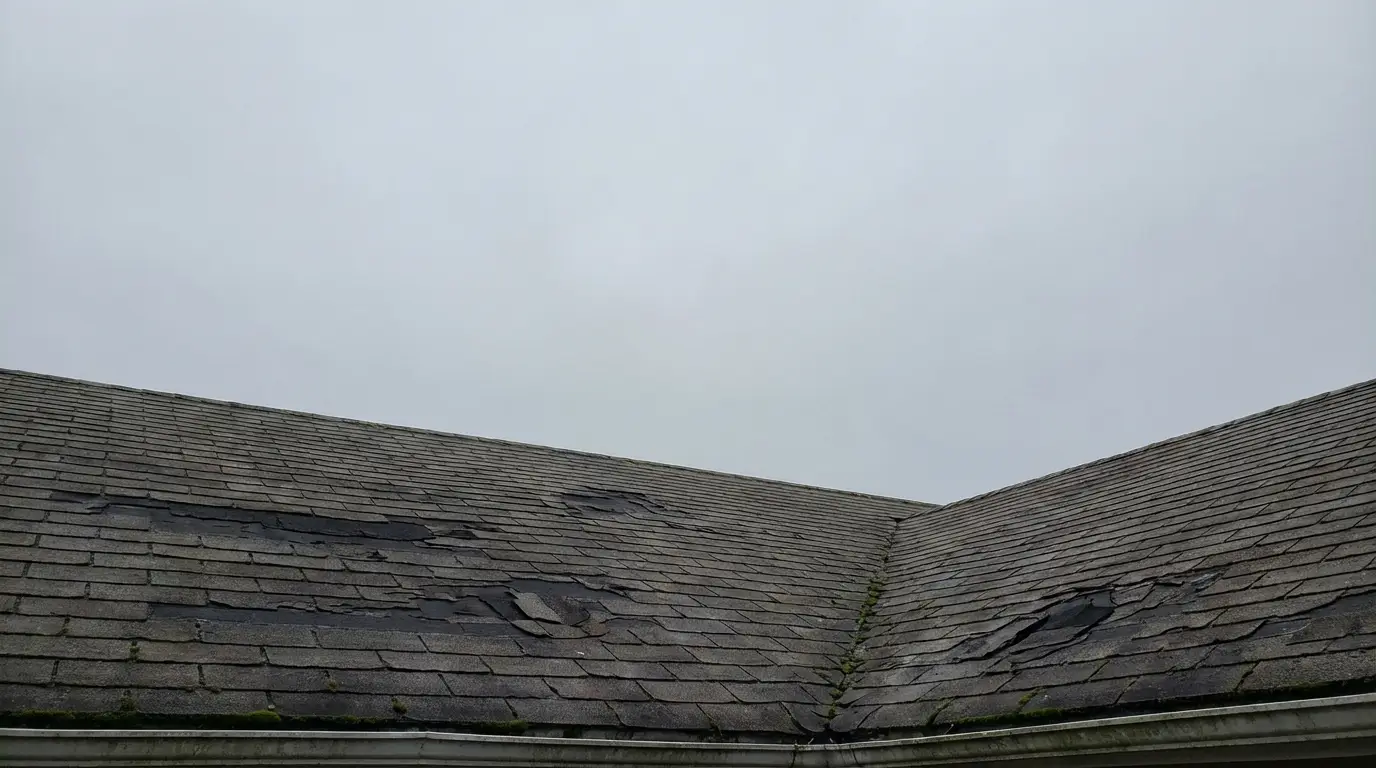
A useful rule of thumb is the 50% rule: if a repair costs more than half the price of a full replacement, investing in a new roof is almost always the smarter move.
Repeated patch jobs on an aging roof add up fast and still don’t solve the underlying problem.
If damage covers more than 25 to 30% of the roof’s surface, replacement is typically more cost-effective than ongoing repairs.
Repair vs. Replace at a Glance
|
Situation |
Recommended Action |
|---|---|
|
Small, isolated leak on a newer roof |
Repair |
|
Missing shingles on a 10-year-old roof |
Repair |
|
Widespread shingle damage, roof 18+ years old |
Replace |
|
Sagging roof deck or structural damage |
Replace |
|
Repair cost over 50% of replacement cost |
Replace |
|
Recurring leaks in multiple areas |
Replace |
How to Choose the Right Contractor
Getting replacement quotes from at least three contractors is good practice before committing to a project.
Every estimate should include a clear breakdown of materials, labor, timeline, and warranty information in writing.
If you are based in Texas, working with a local roof replacement company familiar with regional weather conditions and building codes ensures your new roof is built to last.
Always verify that your contractor is licensed, bonded, and insured before signing anything.
What to Expect During a Roof Replacement
A full replacement starts with removing the existing shingles and inspecting the roof decking underneath for rot or damage.
New underlayment, flashing, and shingles are then installed according to manufacturer specs and local building codes.
Most residential jobs are completed within one to three days, depending on roof size and complexity.
How a New Roof Improves Your Home
Replacing an aging roof can improve your home’s energy efficiency, curb appeal, and resale value. You can read more about the connection between energy savings and your roof in our guide on achieving a more energy-efficient home.
Modern materials with better insulation reduce heat transfer, which lowers cooling costs, especially in warm climates.
Many homeowners also take the opportunity to rethink their exterior design. For inspiration, explore our article on mansard roof design ideas for modern homes.
Frequently Asked Questions
How Often Should I Have My Roof Inspected?
At least twice a year, typically in spring and fall. Always schedule an inspection after a major storm, regardless of how the roof looks from the ground.
Does Homeowners Insurance Cover Roof Replacement?
It depends on your policy and the cause of damage. Most insurers cover storm damage but not general wear and tear. Policies may also reduce coverage or raise deductibles once a roof passes 20 years.
What Is the Most Cost-Effective Roofing Material?
Asphalt shingles are the most affordable upfront, but metal roofing offers a lower cost per year over its lifetime due to its longer lifespan and lower maintenance needs.
Can I Install a New Roof Over My Old One?
In some cases, yes. However, this is only possible if the existing roof has a single layer and the decking is in good condition. A full tear-off gives your contractor a chance to inspect and repair the structure underneath.
How Do I Know If My Roof Damage Is Covered by Insurance?
Contact your insurer immediately after a storm. Document all visible damage with photos before any repairs are made. A licensed contractor can also help you file the claim correctly.
For more home improvement tips, visit our proven home improvement tips guide on A Little Delightful.