
The New Sunday Ritual: Making Space in Your Weekend for True Play and Gentle Exploration

It used to feel like a race on Sundays. A crazy race to catch up on all that the last five days took: laundry building up like a mountain of fabric, the ghost of unopened emails in the head, and the fear of the Monday alarm going off. Running around doing things and then crashing at night left me feeling completely drained, not rejuvenated.
A fantastic, collective transformation, a beautiful, deliberate pause, has occurred. People are coming to realize that a day off is about living in the now and having fun, not merely preparing for the week. More than ever, scheduled relaxation and unexpected pleasure are emphasized.
This is the most important part of the “New Sunday Ritual.” It is a quiet promise to play and explore in a real way, a choice to set aside time for activities that are meaningful, restorative, and, most importantly, have no purpose or agenda. It’s the easy way that the weekend goes from being a holding pattern to a fun, pleasant place to be.
Letting Go of the Productivity Obsession
For too long, the cultural command to “maximize productivity” has shackled modern life, a toxic mindset that sadly spills right into leisure time. It’s no surprise that many reputable lifestyle studies highlight persistent high burnout rates; the inability to truly switch off, even when the clock allows it, remains a common issue.
The New Sunday Ritual demands a deeper, more profound mental shift: the weekend must start being treated not as two days of necessary catch-up, but as a genuine space for personal growth and simple pleasure.
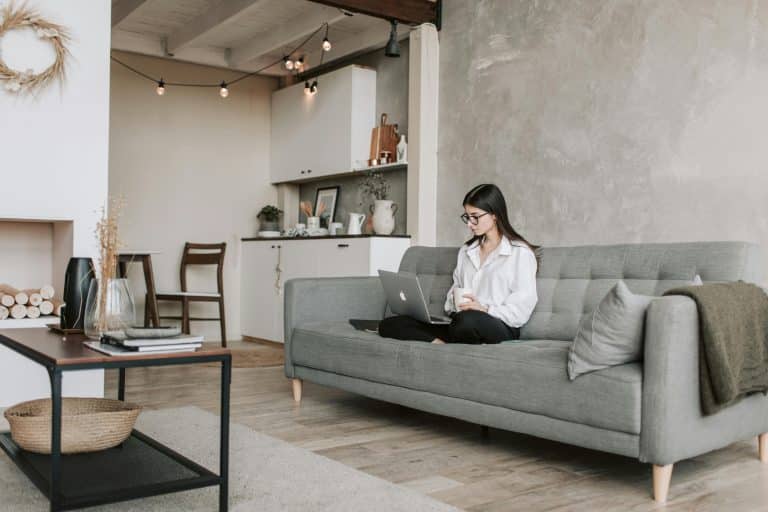
The ritual begins with a conscious decision to banish the “hustle.” Instead of immediately grabbing the cleaning caddy, a commitment is made to a slow, luxurious morning. Coffee is made with almost ceremonial care, letting the steam warm the hands, followed by enjoying a slow breakfast, or sinking into a comfy chair with a book purely for the joy of escaping reality. The washing will wait, but those peaceful, unhurried moments are short. A dwelling that reflects this aim is crucial.
Simple Curiosity and Effortless Fun
Playing with this idea is fun. It assumes that downtime should involve calm inquiry without the pressure of a big accomplishment or a big time commitment. No significant expense or long journey is needed to feel rejuvenated. It’s about visiting that tiny bookshop you drive by, trying a new knitting stitch, or having some uncomplicated fun.
In constantly connected lives, a bit of this curiosity can even happen online, provided intentionality is maintained. While a full digital detox is wonderful, sometimes a brief, focused online activity is the gentle, welcome pause needed. This category includes all those quick, lighthearted digital discoveries, from trying a new interactive recipe app to sampling a short-form creative tool or testing a simple online puzzle, and even using free spins as a way to briefly explore something new through clearly presented information that helps narrow choices before stepping back into offline activities. This type of casual entertainment, which involves brief, self-contained interaction, provides a quick, refreshing hit of effortless fun before gracefully switching back to home activities, with the core boundary remaining that the activity stays short and focused on playful exploration rather than obligation.
The Quiet Power of Playful Exploration
When ‘play’ is mentioned, an amused chuckle is often heard. It tends to be relegated strictly to childhood, yet as adults, the need for it is desperate. For adults, unstructured play means engaging in an activity purely for fun, without any performance metric, reward, or limiting timer. It’s the beautiful, chaotic opposite of goal-oriented work life.
Real play stimulates creativity and reduces stress. Many individuals do this by pulling out an old film camera, rearranging the living room furniture to see whether it makes them happy, or getting buried in a puzzle. Freedom lets the mind wander, which is surprisingly crucial for finding solutions and being calm.
● For the Solo Soul, playing can mean trying out a weird recipe, like putting chili flakes in chocolate chip cookies, or taking out a canvas and painting just for the joy of mixing colors.
● For the Home Decorator, it frequently appears like getting rid of the organized organization chart and instead making a silly new seasonal vignette on a sideboard, simply focusing on how it looks, not how flawless the arrangement is.
This is the incredible reward of making space for the unplanned. It gently, firmly reminds all that worth isn’t tied to output.