The Hidden Dehydration Crisis: Why Most Adults Walk Around Slightly Dried out and how it Affects Blood Pressure, Headaches and Cravings

Most adults rarely feel intensely thirsty, yet many live in a constant state of mild dehydration. Because the symptoms are subtle, this condition often goes unnoticed. However, even small fluid deficits can quietly influence how the brain functions, how stable blood pressure remains, and how the body regulates energy and appetite.
Hydration plays a foundational role in nearly every system of the body. When fluid intake consistently falls short of the body’s needs, everyday processes—from circulation to hormone signaling—can begin to operate less efficiently.
How Low-Grade Dehydration Shows up in Daily Life
Even a small drop in hydration levels can create noticeable changes in how the body feels and performs. Because these effects build gradually, many people attribute them to stress, aging, or lack of sleep instead of fluid imbalance.
Common signs include:
- Blood pressure fluctuations as blood volume decreases
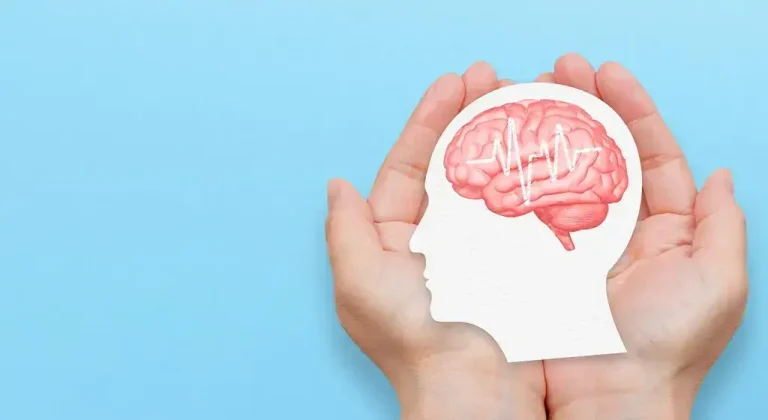
- Frequent headaches caused by reduced cerebral blood flow
- Increased fatigue, brain fog, and difficulty concentrating
- Slower muscle recovery and a higher likelihood of cramps
- Stronger hunger signals, particularly cravings for sugar or salty foods
These signals often appear during busy workdays, long periods without water, or when caffeine replaces regular hydration.
Hydration, Hormones, and Recovery
Hydration is not only about thirst or circulation. It also influences how hormones move through the bloodstream and interact with tissues.
When the body becomes dehydrated, hormonal communication becomes less efficient. Several important recovery-related hormones may be affected:
- Growth hormone release during sleep may become less effective
- Testosterone transport and cellular use can decline
- Cortisol levels may rise as the body interprets dehydration as physical stress
- Kidney strain increases, affecting electrolyte balance
- Nighttime repair and tissue recovery slow down
Because water is essential for proper blood volume and nutrient transport, even mild dehydration can interfere with the body’s ability to repair muscles, regulate metabolism, and maintain stable energy levels.
This is why hydration is frequently discussed in broader conversations about recovery, longevity, and hormonal balance. When people begin exploring strategies for long-term vitality, they may encounter topics related to hormone therapy or options like buy hgh online. Clinics such as HGH Therapy Doctor typically emphasize that even advanced medical approaches depend on strong lifestyle foundations—including proper hydration, quality sleep, and balanced nutrition.
Conclusion
Mild dehydration is one of the most overlooked factors affecting daily health. Because the symptoms are subtle—headaches, fatigue, cravings, and unstable energy—many people fail to connect them to hydration habits.
Restoring proper fluid intake can improve circulation, support hormone signaling, stabilize energy levels, and help the body recover more efficiently. Sometimes the simplest habit—drinking enough water throughout the day—can quietly restore balance across multiple systems in the body.