Stone Cutter Safety Tips for Cleaner, Controlled Cuts

Cutting through stone has a way of exposing shortcuts. What looks like a clean, controlled process can quickly turn messy if the approach is off by even a small margin. Working with a high-speed stone cutter demands more than a steady hand, it calls for attention to how the tool behaves under pressure and how quickly conditions shift once the blade engages. The difference shows up in the finish, but also in how safely the job unfolds.
Getting Comfortable with the Tool Before the First Cut
There is a tendency to jump straight in, especially with tools that seem intuitive. That usually backfires. Spending a few minutes handling the cutter while it is off gives a clearer sense of its balance and grip, which changes how confidently it is used once powered.
It is not just about comfort. High-speed rotation amplifies small movements, so understanding how the tool responds before making a cut helps avoid overcorrection later. Operators who skip this stage often rely on force to compensate, which leads to rough edges or worse, instability mid-cut. A measured start sets the tone for everything that follows.
The Importance of Using Protective Gear
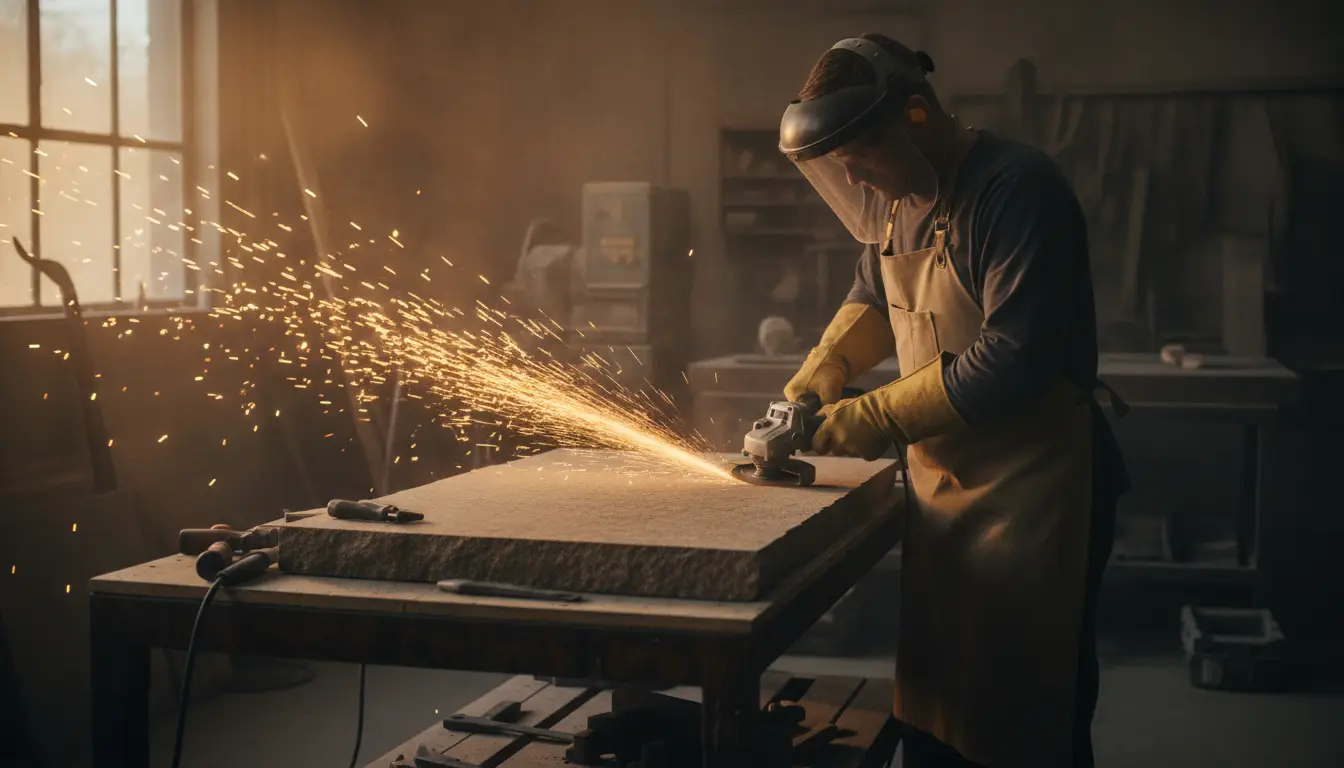
The environment around a cutting blade shifts quickly once it gets going. Dust lifts into the air, fragments break loose, and the sound alone can wear you down over time. It is easy to treat protective gear as routine, but that misses the point.
Eye protection is the obvious one, yet respiratory gear tends to be overlooked until irritation sets in. Fine particles, especially from dense materials, linger longer than expected. Gloves are less about protection from cuts and more about maintaining grip and reducing fatigue from vibration. Hearing protection rounds it out, particularly during extended use.
None of this slows the work down. If anything, it keeps the process consistent by removing distractions you should not have to deal with.
Managing Stability and Control During Operation
This is where things either come together or fall apart. Once the blade touches the material, control becomes less about strength and more about restraint. Forcing the cutter forward might feel productive, but it rarely ends well.
High-speed cutters are designed to cut efficiently with minimal pressure. Pushing harder increases heat, dulls the blade faster, and raises the risk of chipping. A steady feed, on the other hand, lets the tool do its job. You can hear the difference when it is working properly, the sound stays even, without strain.
Keeping the Work Area Clean and Predictable
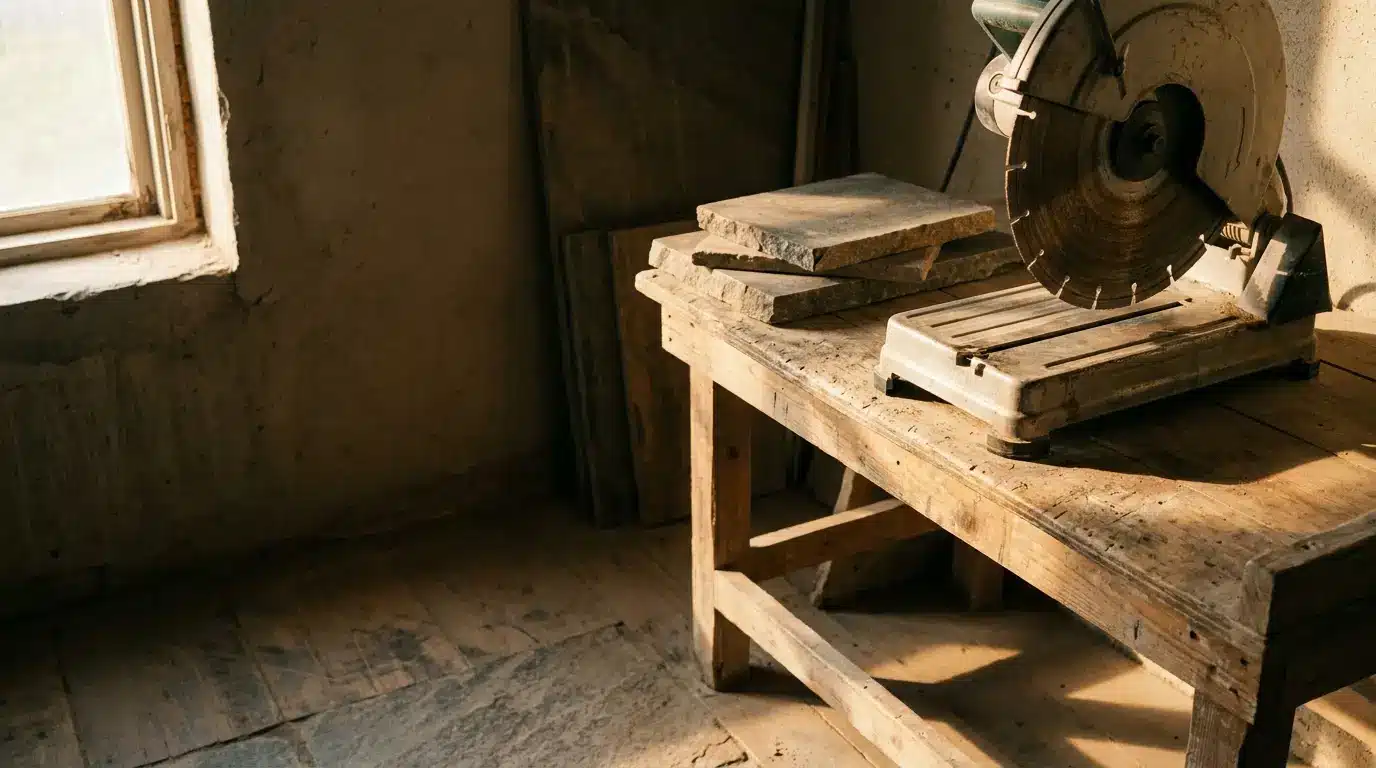
It is surprising how often issues start outside the cut itself. A cluttered workspace introduces small interruptions, and those interruptions break focus at the wrong moment. Cables underfoot, offcuts left nearby, uneven surfaces, they all compete for attention.
Clearing the area does more than tidy things up. It creates a predictable environment where movement feels deliberate. Lighting plays a part too. When visibility is sharp, alignment becomes easier, and there is less need to pause mid-cut to double-check positioning.
There is a practical side to this as well. A well-organised space reduces fatigue because you are not constantly adjusting or correcting for things that should have been sorted beforehand.
Routine Maintenance That Protects Both User and Tool
Even with careful use, wear builds up. Blades lose their edge, fittings loosen, and performance shifts gradually rather than all at once. That slow change is what catches people out.
Checking the blade regularly makes a noticeable difference. A worn blade does not just cut slower, it invites extra pressure, which brings its own problems. Tightening components and keeping the machine clean helps maintain stability, especially during longer sessions.
Maintenance is not complicated, but it does require attention. A cutter that behaves predictably is easier to control, and that alone reduces risk.
Final Thoughts
There is no shortcut to working safely with a high-speed cutter. It comes down to preparation, awareness, and a willingness to slow down when needed. The tool itself is capable and efficient, but it responds best to deliberate handling. When the approach is right, each cut feels controlled rather than rushed, and the result reflects that. With time, those small decisions add up, shaping not just the finish of the material, but the overall experience of using the equipment.