How Smart Home Renovation Planning Helps Homeowners Avoid Expensive Remodeling Mistakes

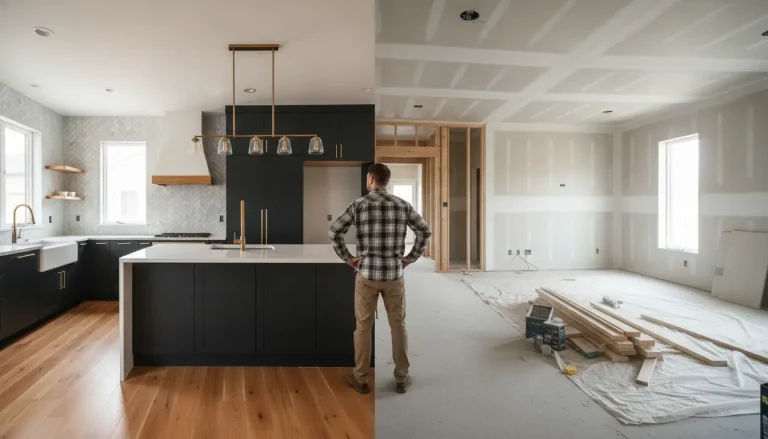
Many homeowners begin renovation projects with excitement and inspiration but underestimate how much planning affects the final outcome. New flooring, updated kitchens, expanded bathrooms, and modern layouts often look straightforward during the design stage. However, remodeling projects involve dozens of decisions that directly influence budgets, timelines, functionality, and long-term satisfaction.
Poor planning is one of the most common reasons homeowners experience unexpected costs during renovations. Small oversights involving layouts, materials, or scheduling can create delays that affect the entire project. In many cases, homeowners spend more correcting avoidable mistakes than they would have spent planning properly from the beginning.
Modern remodeling projects require a balance between aesthetics, practicality, and structural planning. Homeowners who approach renovations strategically often achieve better long-term results while reducing stress throughout construction. Understanding the importance of preparation helps create smoother and more successful remodeling experiences overall.
Renovation Goals Should Be Clearly Defined Early
One of the biggest mistakes homeowners make is beginning renovations without fully defining their priorities. Some projects focus mainly on visual updates, while others aim to improve functionality, storage, or long-term property value. Without clear goals, renovation decisions often become inconsistent once construction begins.
A kitchen remodel, for example, may involve more than replacing cabinets or countertops. Traffic flow, lighting placement, appliance spacing, and storage efficiency all influence how the space functions daily. Similar considerations apply to bathrooms, living areas, and home additions where layout decisions affect long-term usability.
Careful planning also helps homeowners separate essential upgrades from optional features. This becomes especially important when budgets change during construction. Establishing priorities early allows renovation decisions to remain focused instead of becoming reactive later in the process.
Layout Planning Often Matters More Than Cosmetic Changes
Many homeowners initially focus heavily on finishes and decorative details while overlooking how room layouts affect everyday living. A beautiful renovation may still feel inconvenient if movement through the space becomes awkward or storage remains insufficient. Functional design often has a greater long-term impact than cosmetic upgrades alone.
Open floor plans continue growing in popularity because they improve visibility and movement throughout the home. However, removing walls or reconfiguring spaces requires careful structural evaluation before construction begins. Poorly planned layout changes can create lighting issues, reduced privacy, or inefficient room flow.
Experienced remodeling professionals evaluate how homeowners actually use their living spaces before recommending structural changes. Companies like Cornerstone Home Services often emphasize functionality alongside appearance because successful remodeling should improve both comfort and practicality over time.
Material Choices Affect More Than Appearance
Homeowners often select materials based primarily on visual appeal without considering durability, maintenance requirements, or long-term performance. While appearance certainly matters, practical material selection usually leads to greater satisfaction after renovations are completed.
Flooring provides a good example of this balance. Some materials perform better in high-traffic households, while others may struggle with moisture exposure, pets, or frequent cleaning. Choosing surfaces based only on showroom appearance sometimes creates maintenance frustrations later.
Cabinet finishes, countertops, fixtures, and wall materials also experience different levels of daily wear depending on household routines. Durable materials often provide better long-term value because they maintain appearance more effectively under regular use. Strategic material selection helps renovations remain attractive for many years.
Budget Flexibility Helps Prevent Construction Delays
Unexpected costs are common during remodeling projects because hidden conditions often appear once demolition begins. Outdated wiring, plumbing issues, water damage, or structural concerns may remain concealed until walls or flooring are removed. Flexible budgeting helps homeowners handle these situations more comfortably.
Strict budgets without contingency planning frequently lead to rushed decisions or lower-quality substitutions mid-project. Homeowners sometimes reduce important structural or functional upgrades simply to preserve cosmetic features. A more balanced budget approach allows essential improvements to remain prioritized when surprises occur.
Professional contractors usually recommend setting aside contingency funds before construction starts. This preparation reduces stress while helping projects continue moving forward smoothly. Financial flexibility often plays a major role in overall remodeling satisfaction.
Scheduling and Coordination Shape the Remodeling Experience
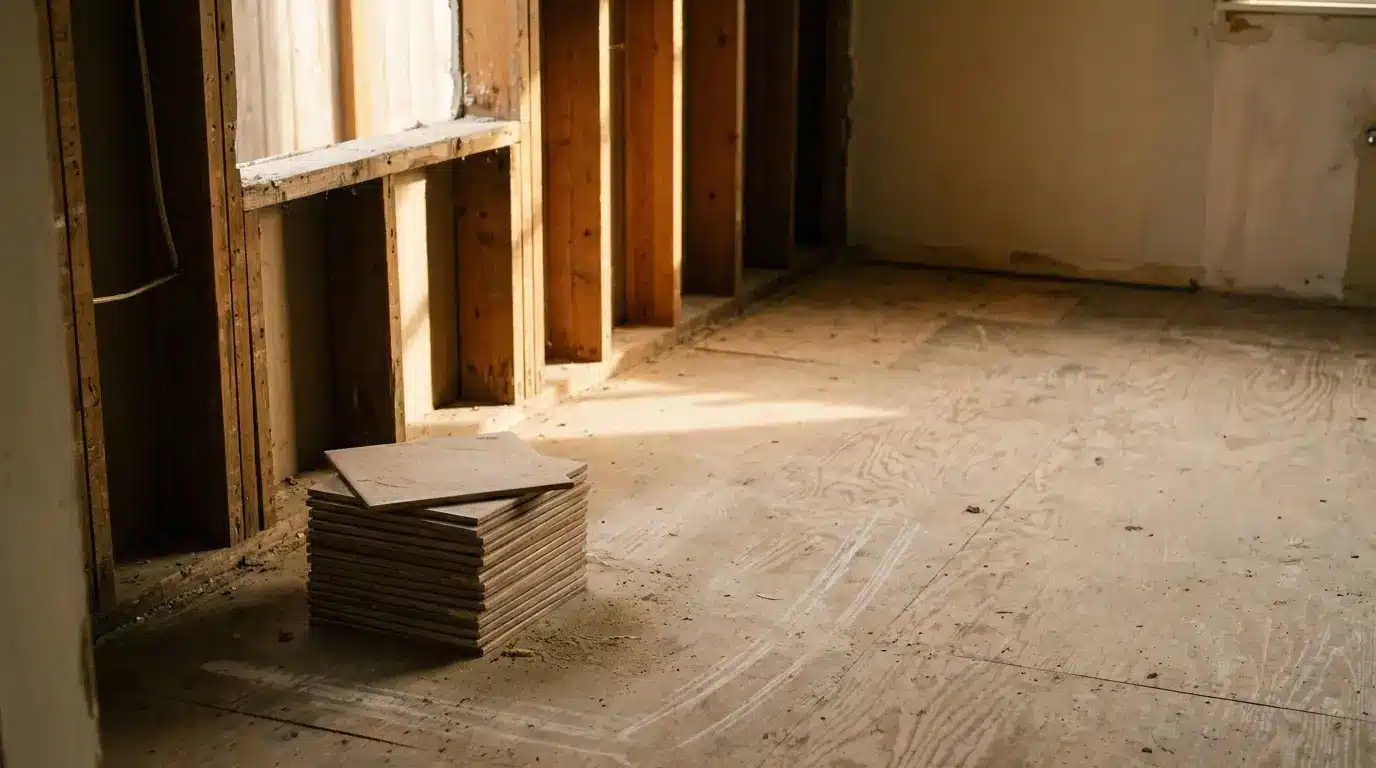
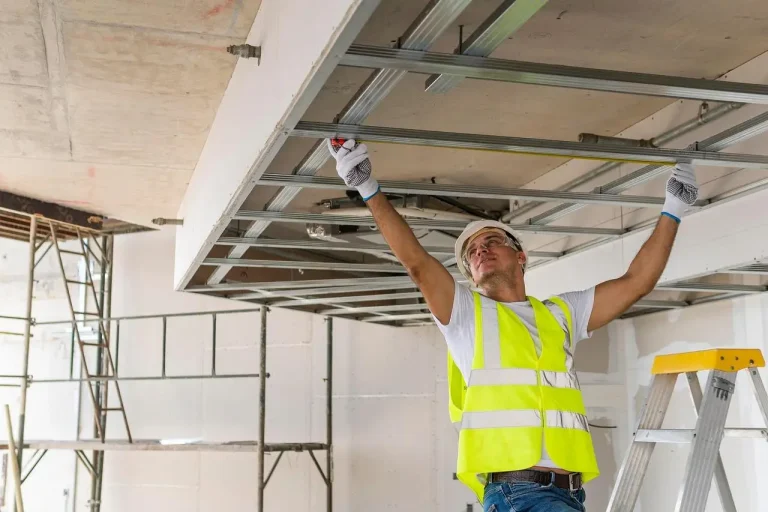
Renovation timelines depend on much more than labor availability alone. Material deliveries, permit approvals, inspections, subcontractor scheduling, and custom fabrication all influence project completion dates. Delays in one area often affect multiple stages of construction simultaneously.
Homeowners sometimes underestimate how disruptive remodeling can become during active construction. Kitchens, bathrooms, and living spaces may remain partially inaccessible for extended periods depending on project scope. Organized scheduling helps reduce inconvenience while allowing homeowners to prepare more realistically.
Communication becomes especially important throughout longer renovations. Understanding what work is happening each week helps homeowners manage expectations more effectively. Reliable contractors provide regular updates so clients remain informed about project progress and scheduling adjustments.
Skilled Craftsmanship Protects Long-Term Investment Value
The quality of workmanship behind walls and beneath finishes matters just as much as visible design details. Poor installation techniques may create structural, electrical, plumbing, or moisture-related problems long after construction appears complete. Skilled craftsmanship helps renovations perform reliably over time.
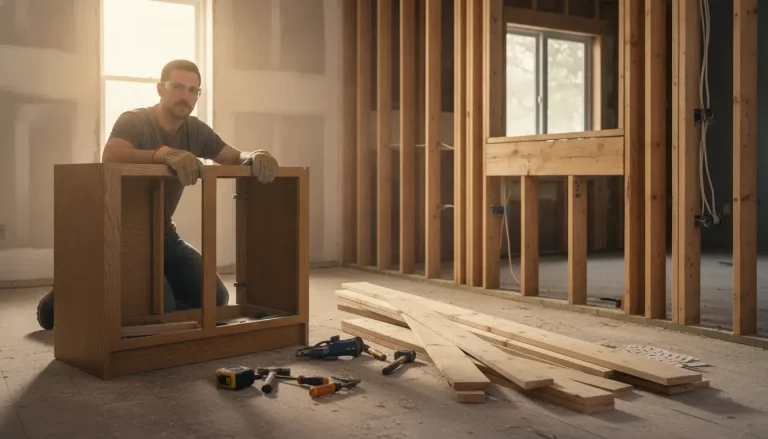
Tile alignment, cabinet installation, framing precision, and finish consistency all influence the final appearance of remodeled spaces. Small imperfections become more noticeable in newly renovated homes because surrounding materials are clean and updated. Attention to detail helps create polished and cohesive results.
Homeowners researching Remodeling Companies Port St Lucie often prioritize experience and project quality because renovations represent significant financial investments. Choosing contractors based on workmanship rather than price alone frequently leads to stronger long-term results and fewer post-project repairs.
Remodeling Decisions Should Support Future Lifestyle Needs
Successful renovations consider not only current preferences but also future lifestyle changes. Growing families, aging homeowners, remote work needs, or changing entertainment habits may all influence how spaces should function years later. Flexible designs often provide greater long-term value.
Storage planning is one area homeowners frequently underestimate during renovations. Insufficient storage can make newly remodeled spaces feel cluttered quickly, even when finishes appear modern and attractive. Thoughtful storage integration improves functionality without sacrificing design aesthetics.
Energy efficiency improvements also contribute to long-term renovation value. Updated insulation, windows, lighting, and appliances may reduce utility costs while improving comfort throughout the home. Strategic upgrades often provide benefits well beyond visual appearance alone.
Professional Guidance Helps Avoid Costly Design Regrets
Many renovation regrets stem from rushed decisions made during stressful construction phases. Changes involving layouts, materials, or fixture placement become more expensive once installation begins. Professional planning helps homeowners evaluate options carefully before committing to major decisions.
Experienced remodeling teams understand how different systems interact throughout the home. Plumbing, electrical, structural, and design considerations must all align properly for renovations to function smoothly. Comprehensive planning reduces the likelihood of expensive revisions later.
Cornerstone Home Services works with homeowners seeking renovations that balance visual appeal, functionality, and long-term durability. Careful planning, quality craftsmanship, and organized project management all contribute to remodeling experiences that feel less overwhelming and more rewarding over time.