Small Interior Details That Create a Feeling of Happiness

Happiness at home is rarely the result of expensive renovations or designer furniture. More often, it grows quietly from small, thoughtful details — the kind you feel before you consciously notice them. Interior psychology shows that our emotional state is deeply influenced by subtle elements of our environment: light, texture, color, rhythm, and even imperfection.
Designing for happiness is not about trends. It is about understanding how the human brain reacts to space and how small choices can create a sense of safety, pleasure, and emotional warmth.
Below, we explore the interior details that consistently contribute to a feeling of happiness — supported by research, expert insights, and real-world observation.
Why Small Details Matter More Than We Think
Environmental psychology confirms that people respond emotionally to their surroundings within milliseconds. According to a study published in Journal of Environmental Psychology, visual and tactile cues in interior spaces can significantly influence mood, stress levels, and overall well-being.
Dr. Sally Augustin, environmental psychologist and author of Place Advantage, explains:
“Our brains are constantly scanning our surroundings for signals of safety, comfort, and pleasure. Small details often communicate those signals more effectively than large design gestures.”
In other words, happiness at home is cumulative. It is built from dozens of micro-experiences throughout the day.
The Power of Natural Light (and How to Multiply It)
Why light equals happiness
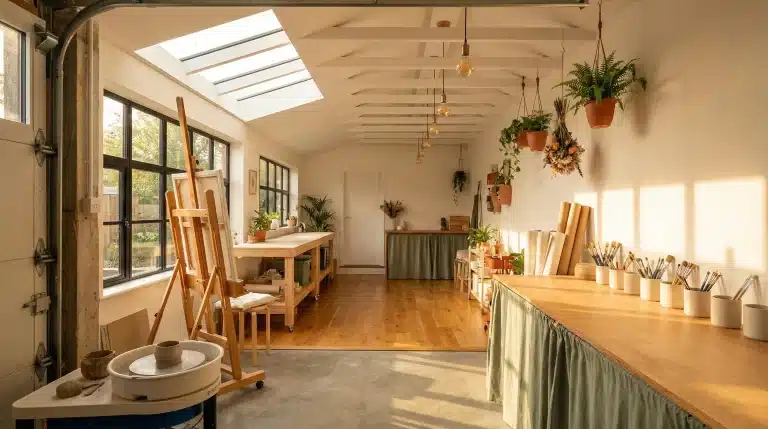
Natural light is one of the strongest predictors of emotional well-being in interior spaces. Exposure to daylight regulates circadian rhythms, improves sleep quality, and boosts serotonin levels.
A 2020 study by Northwestern University found that people working in naturally lit environments slept an average of 46 minutes more per night and reported higher life satisfaction.
Small details that enhance light
You do not need floor-to-ceiling windows to benefit from light. Instead, focus on details:
- Light, semi-sheer curtains instead of heavy drapes
- Strategically placed mirrors that bounce daylight deeper into the room
- Glossy or satin finishes on small surfaces (vases, trays, ceramics)
- Warm white bulbs (2700–3000K) for evening comfort
Interior designer Lina Morgenstern notes:
“Happiness comes from balanced light — not brightness. Soft, layered lighting makes people feel held by the space.”
Texture: The Most Underrated Happiness Trigger
Why touch matters emotionally
The sense of touch is directly connected to the emotional centers of the brain. Neuroscientists have shown that tactile experiences can reduce cortisol (the stress hormone) and increase feelings of safety.
This is why a space may look beautiful but still feel “cold.”
Textural details that create warmth
Small tactile details make a profound difference:
- Linen pillowcases instead of synthetic fabrics
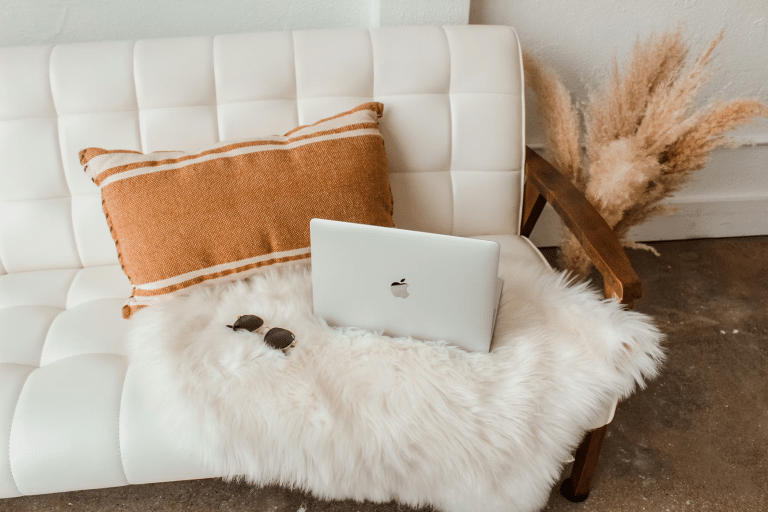
- A wool throw casually draped over a chair
- Ceramic mugs with slightly uneven edges
- Wooden surfaces that show grain and age
According to interior stylist Emma Fischer:
“When people say a home feels ‘cozy,’ they’re usually responding to texture, not style.”
Happiness thrives in spaces that invite touch.
Personal Objects That Tell Quiet Stories
The emotional value of familiarity
Psychological research shows that personal objects help anchor identity and create emotional security. They remind us who we are and where we belong.
A study from the University of Minnesota found that people feel calmer and more confident in environments that reflect their personal narrative.
Small but powerful personal details
- A framed postcard from a meaningful trip
- A handmade object from a loved one
- Books arranged by emotional relevance, not color
- Family photographs displayed informally
In the middle of designing or refreshing a space, it often helps to pause and reflect — sometimes simply to see this familiar object and reconnect with a memory it holds.
Interior happiness is deeply linked to recognition — seeing yourself reflected in your surroundings.
Color Accents That Support Emotional Balance
Color psychology in small doses
Color has a measurable psychological effect, but large blocks of bold color can overwhelm. Research from the University of Sussex suggests that small color accents are more effective in supporting positive mood over time.
Happiness-supportive color details
- Soft greens and blues for calm
- Muted terracotta and clay tones for grounded warmth
- Warm neutrals with pink or yellow undertones
- One unexpected color accent that feels personal
Color expert Karen Haller explains:
“Happiness doesn’t come from loud color. It comes from color that feels emotionally aligned with the person living in the space.”
Even a single colored lamp cord or ceramic bowl can subtly lift mood.
Imperfection as a Source of Comfort
Why perfect spaces feel stressful
Perfect symmetry and flawlessness may look impressive, but they often trigger subconscious tension. The brain reads overly controlled environments as less forgiving.
The Japanese concept of wabi-sabi — beauty in imperfection — aligns closely with modern psychological findings.
Imperfect details that create ease
- Handmade ceramics with irregular shapes
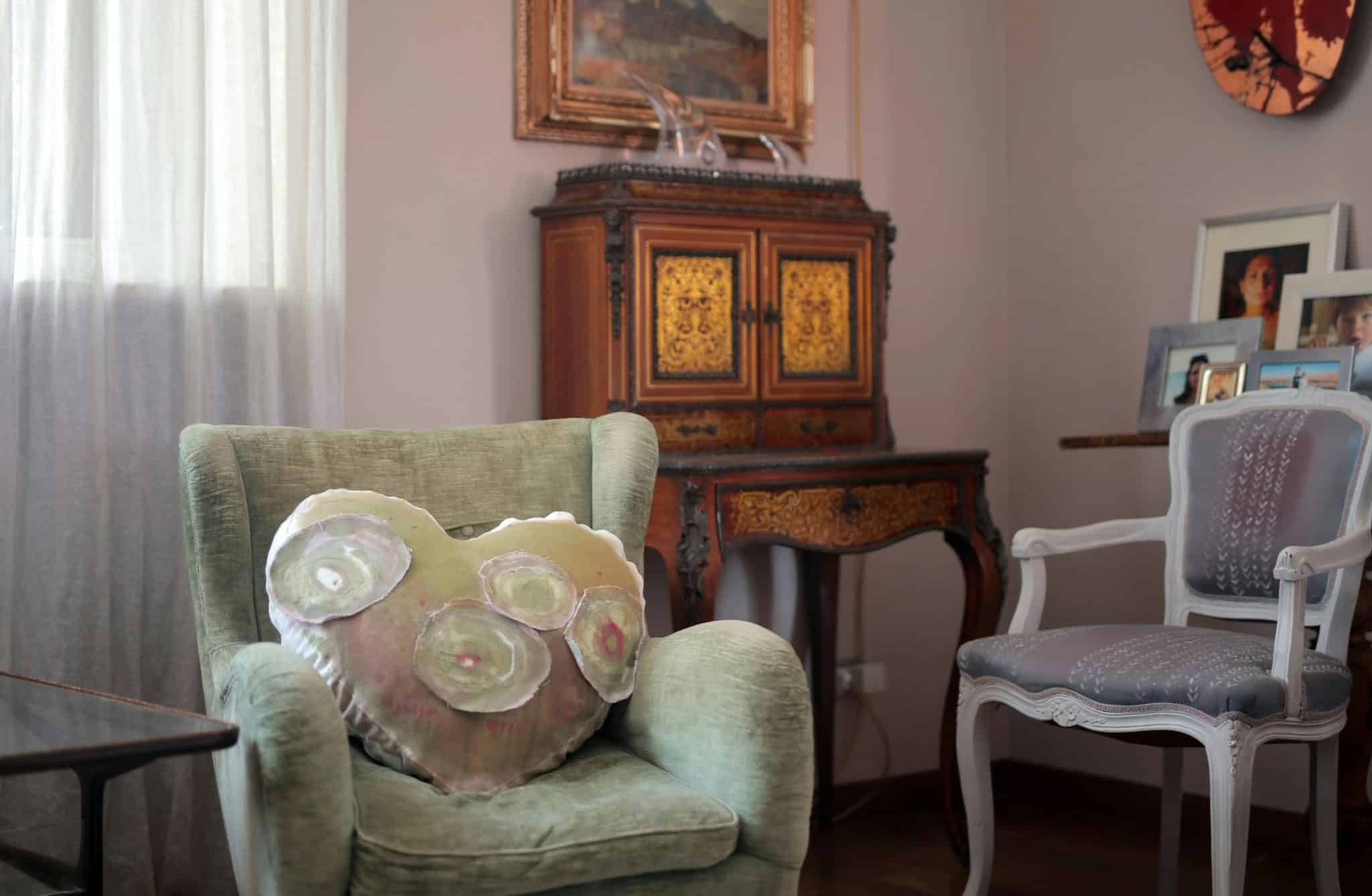
- Slightly worn wooden furniture
- Asymmetrical arrangements
- Visible repairs or patina
Design researcher Dr. Kohei Saito notes:
“Imperfection signals humanity. It allows people to relax because nothing needs to be protected.”
Happiness needs room to breathe.
Scent: The Invisible Interior Detail
How smell shapes emotion
Smell is directly linked to the limbic system, the brain’s emotional center. This makes scent one of the fastest ways to influence mood.
According to Harvard research, certain scents can reduce anxiety and improve perceived comfort within minutes.
Subtle scent choices for happiness
- Natural linen or cotton scents
- Light citrus for morning energy
- Soft wood or resin notes for grounding
- Fresh air as a baseline (often overlooked)
The key is restraint. Overpowering fragrance has the opposite effect.
Micro-Zones of Pleasure
Why happiness lives in small moments
Rather than designing entire rooms for joy, experts recommend creating small “pleasure points” — areas that support brief but meaningful moments.
Examples of happiness micro-zones
- A reading chair with a soft lamp
- A coffee corner with favorite cups
- A windowsill with plants and a cushion
- A bedside table styled intentionally
Psychologist Dr. Helen Green says:
“Happiness accumulates through repetition. These small zones invite daily rituals.”
Nature, Even in the Smallest Form
Biophilic design and well-being
Biophilic design — incorporating nature into interiors — has been shown to reduce stress and improve mood. Even minimal exposure matters.
Small natural details with big impact
- One healthy houseplant
- Natural materials like stone or wood
- Dried flowers or branches
- Views of the sky, even framed
A report by Human Spaces found that people in environments with natural elements reported a 15% increase in well-being.
Final Thoughts: Happiness Is Quiet
Happiness in interiors is rarely loud or dramatic. It is soft. It is layered. It is personal.
Small details work because they meet us where we are — tired, busy, human. They do not demand attention, yet they continuously support us emotionally.
The most joyful homes are not styled for photographs. They are shaped for lived experience. And often, happiness begins with noticing — and choosing — the smallest things.