What Is a Keeping Room? Ideas for a Warm Home Space

Some spaces in a home naturally pull people in.
A quick coffee break lasts longer than expected, conversations continue after dinner, and someone always ends up staying close to the kitchen instead of moving to another room.
That’s a big reason why the keeping room is making a comeback in modern homes. People want spaces that feel relaxed, social, and easy to use every day.
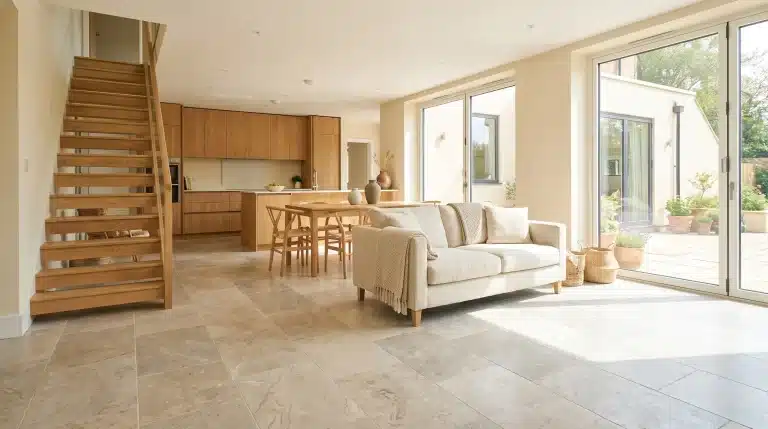
Even a small keeping room off kitchen layouts can make a home feel warmer and more connected without needing a large amount of space or a formal setup.
What Is a Keeping Room?
A keeping room is a cozy sitting area connected to the kitchen. It gives people a comfortable place to relax while staying close to daily activity at home.
Unlike formal living spaces, it feels casual and easy to use throughout the day. People often use it for coffee breaks, conversations, reading, or relaxing during meal prep.
Most keeping rooms include:
- Soft seating
- A fireplace or warm focal point
- Small tables
- Built-in shelves
- Warm lighting
The name comes from older homes where families stayed near the kitchen fireplace for warmth.
Today, the idea remains the same: creating a comfortable space that feels connected, social, and lived-in.
Compared to a living room, a keeping room is usually smaller, more relaxed, and tied closely to the kitchen instead of formal entertaining.
The History Behind Keeping Rooms
Keeping rooms began in early Colonial homes when families stayed near the kitchen for warmth. Large fireplaces handled both cooking and heating, making nearby spaces the center of daily life.
People cooked, talked, worked, and relaxed there throughout the day. The room felt practical, comfortable, and naturally social.
As central heating became common, homes shifted toward formal layouts. Living rooms and dining rooms became more separate, while kitchens moved into the background. Keeping rooms slowly faded from modern homes.
Now they are returning for a different reason.
Homeowners want spaces that feel relaxed, connected, and easy to use every day. Open kitchens helped bring the keeping room back as a casual spot for conversation, reading, coffee breaks, or spending time together without leaving the heart of the home.
What Is the Purpose of a Keeping Room Today?

A modern keeping room works as a flexible everyday space. It supports daily routines instead of formal entertaining.
A Comfortable Spot Near the Kitchen: Keeping rooms help people stay connected while cooking, cleaning, or preparing meals. Friends and family can sit nearby for coffee, snacks, or casual conversations.
A Quiet Space Without Leaving the Action: The space also works well for reading, working quietly, or relaxing while still feeling part of the home’s activity.
A Practical Family Zone: Many families use a small keeping room off kitchen layouts for:
- Homework sessions
- Kids’ reading corners
- Morning coffee setups
- Pet lounging spots
- Casual evening chats
Small Keeping Room Off Kitchen Ideas That Feel Warm and Useful
A small keeping room off kitchen layouts can still feel cozy, open, and inviting. The key is choosing simple pieces that add comfort without crowding the space.
1. Add Two Comfortable Chairs Instead of a Full Sofa
Large sofas can make compact rooms feel tight fast. Two soft chairs, swivel seats, or a compact loveseat keep the layout lighter and easier to move through.
2. Use Built-In Storage to Save Space
Built-in benches add seating while hiding blankets, books, or kitchen extras inside. Floating shelves and slim cabinets also help keep the room open without losing storage.
3. Keep the Color Palette Soft and Relaxed
Warm neutrals, creamy whites, muted greens, and earthy tones help smaller rooms feel calm. These shades pair naturally with wood finishes and warm kitchen lighting.
4. Layer Lighting for a Cozy Feel
Soft lighting makes a huge difference in a keeping room. Table lamps, wall sconces, warm bulbs, and fireplace lighting create a relaxed glow during the evenings.
5. Create a Coffee or Reading Corner
A single purpose can make the room feel more thoughtful. A reading chair with a lamp or a tiny coffee setup gives the space personality without adding clutter.
Best Furniture for a Small Keeping Room Off Kitchen
Furniture plays a big role in how comfortable and open a keeping room feels.
In smaller layouts, the best pieces are the ones that add comfort without making the room feel crowded.
Compact Seating That Still Feels Soft
Apartment-size sofas are a great fit because they offer comfort while taking up less floor space. Accent chairs help create a relaxed setup and are easier to move around when needed.
Upholstered benches also work well in a small keeping room off kitchen layouts. They add seating while keeping the room lighter and less bulky than large sectionals.
Small Tables With Multiple Uses
Smaller rooms work better when furniture can serve more than one purpose. Nesting tables are useful because they can spread out when guests visit and tuck away afterward.
Ottomans can work as footrests, extra seating, or casual tables with a tray on top. Round coffee tables are another smart option because they improve movement and soften tighter layouts.
Furniture That Keeps the Room Open
Heavy furniture can quickly make compact spaces feel cramped. Pieces with exposed legs and lighter frames help the room stay airy and connected to the kitchen.
Low-profile sofas and slim silhouettes keep sightlines clean in open layouts. Soft fabrics, warm woods, and lighter tones also help the space feel cozy without looking overloaded.
Keeping Room Layout Ideas for Different Home Styles
A keeping room should feel easy, comfortable, and connected to the kitchen. The style can change, but the relaxed feeling stays the same.
1. Farmhouse Keeping Room

Farmhouse keeping rooms feel warm and familiar. Natural wood tones, linen fabrics, and vintage pieces help the space feel lived-in instead of overly styled.
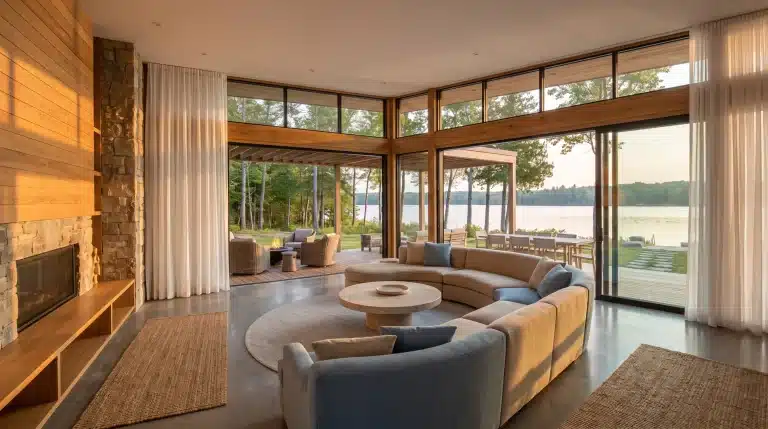
A stone fireplace often becomes the center of the room. Add soft chairs, woven baskets, and aged finishes to keep the space relaxed and welcoming.
2. Modern Keeping Room

Modern keeping rooms focus on simplicity without feeling cold. Clean furniture lines, neutral colors, and uncluttered surfaces help the room stay calm beside a busy kitchen.
Layered textures keep the space from feeling flat. A textured rug, soft throw pillows, or curved seating can make the room feel comfortable without adding visual noise.
3. Traditional Keeping Room

Traditional keeping rooms feel classic and steady. Rich wood furniture, built-in shelves, and tailored upholstery create a more refined look while still feeling comfortable enough for everyday use.
This style works well in homes with detailed trim, warm finishes, or older architectural features.
4. Small Cottage-Style Keeping Room

Cottage-style keeping rooms feel personal and cozy. Compact seating, soft fabrics, and warm lighting help smaller spaces feel inviting instead of crowded.
Decor usually feels collected over time. Books, handmade pottery, framed art, and small vintage finds add character without making the room feel heavy.
Do You Need a Fireplace in a Keeping Room?
Not at all.
Fireplaces are part of the keeping room’s history, but modern spaces can feel just as warm without one. Today, comfort matters more than tradition.
Many small keeping room off kitchen layouts skip fireplaces to save space and improve flow. Simple details can still make the room feel cozy.
Layered fabrics, warm lighting, wood accents, and soft seating help create a relaxed atmosphere. A textured rug and a few comfortable chairs can make the space feel inviting enough for everyday conversations, reading, or quiet mornings near the kitchen.
Common Mistakes to Avoid When Designing a Keeping Room
A keeping room should feel warm, casual, and connected to everyday life.
- Treating it like a second living room: Formal layouts can make the space feel stiff and unused.
- Overcrowding a small space: Too much furniture makes movement difficult and the room feel cramped.
- Ignoring the kitchen connection: Poor flow between both spaces can make the layout feel disconnected.
- Using harsh lighting: Bright white lights often remove the cozy feeling that makes keeping rooms work well.
Conclusion
Keeping rooms prove that not every part of a home needs to feel formal to feel special.
Sometimes the best spaces are the ones where people naturally slow down, grab a coffee, stay a little longer after dinner, or sit nearby just to talk.
That is what makes this room stand out.
Even a small keeping room off kitchen layouts can change how a home feels day to day. With the right setup, the space becomes more than an extra corner. It becomes the spot people quietly drift toward without thinking twice.
Would you add a keeping room to your home? Share your favorite style or setup idea in the comments below.
Frequently Asked Questions
Is a Keeping Room a Southern Thing?
Keeping rooms first appeared in New England, but were also featured in homes in the Southern United States.
What Is Another Name for A Keeping Room?
Keeping rooms are also called Hearth rooms. They got their name because, back in Colonial times, this room off the kitchen was warmed by the kitchen’s hot fireplace stove, sometimes the only heat source in the home.
Which Room Adds More Home Value?
The rooms buyers most closely inspect and judge in a house are the kitchen and master bath. These rooms attest for the majority of the home’s value.