How to Remove Adhesives: Safe Methods for Every Surface

Peeling off a sticker feels satisfying until you see the gummy ring it leaves behind. That leftover residue collects dust, clings to surfaces, and gets harder to lift the longer it sits.
Knowing how to remove adhesives the right way saves surfaces from scratches and permanent damage. The best method depends on the surface type, the adhesive type, and how long it has been there.
This article covers safe, practical options for every surface in your home.
Why Is Adhesive Residue So Hard to Remove?
Adhesive forms a physical bond with whatever surface it touches. The stronger the bond, the harder it is to break without the right product and method.
Different adhesives leave behind different types of residue:
- Sticker residue stays soft and gummy after the label peels away.
- Tape adhesive dries out over time and grips harder as it ages.
- Craft glue soaks into porous materials like wood, paper, and fabric.
- Cured adhesives like super glue harden completely and resist most household solvents.
Old adhesive is always harder to remove than fresh residue. As it ages, it loses moisture and bonds more tightly to the surface beneath it.
Four things decide how difficult removal will be:
- Surface material: Smooth surfaces like glass release adhesive more easily. Porous materials like wood hold it in.
- Adhesive strength: Heavy-duty tape and construction adhesives need stronger removal methods.
- Time on the surface: The longer it sits, the more it sets.
- Heat and moisture exposure: Sunlight and humidity break adhesive down chemically, but the leftover residue can bond even harder afterward.
Knowing what type of adhesive you are dealing with helps you choose the right method from the start.
What You Need Before You Start
Getting your tools ready before you start keeps the process clean and controlled. Reaching for the wrong product mid-removal can spread residue or damage the surface.
Basic Tools
You do not need anything special. These items handle most removal jobs:
- Plastic scraper or old card: lifts soft residue without scratching surfaces
- Microfiber cloth: gentle enough for glass, wood, and painted finishes
- Soft sponge: good for applying solutions and wiping away loosened residue
- Cotton pads or balls: useful for precise application on small spots
- Old toothbrush: gets into textured surfaces and tight edges
- Protective gloves: keep your hands safe when using alcohol or commercial removers
Common Adhesive Removers
Most of these are already in your kitchen or bathroom cabinet:
- Warm water and dish soap: safe starting point for most surfaces
- White vinegar: works well on glass and metal
- Baking soda paste: mild abrasive for scrubbing light residue
- Cooking oil or coconut oil: breaks down sticker and tape residue safely
- Rubbing alcohol: fast-acting on smooth, non-porous surfaces
- WD-40: cuts through tape residue and oily adhesive films
- Goo Gone: formulated for sticky label and sticker residue
- Commercial adhesive remover sprays or gels: best for heavy-duty or cured adhesives
Test before you treat. Apply a small amount of any product to a hidden spot on the surface. Wait two to three minutes and check for discoloration, cloudiness, or any surface reaction. This one step can save you from permanent damage.
How to Remove Adhesives Step by Step
Start with the simplest method first. Most adhesive residue lifts without strong chemicals. Work up only if the gentler option does not do the job.
1. Scrape Away Loose
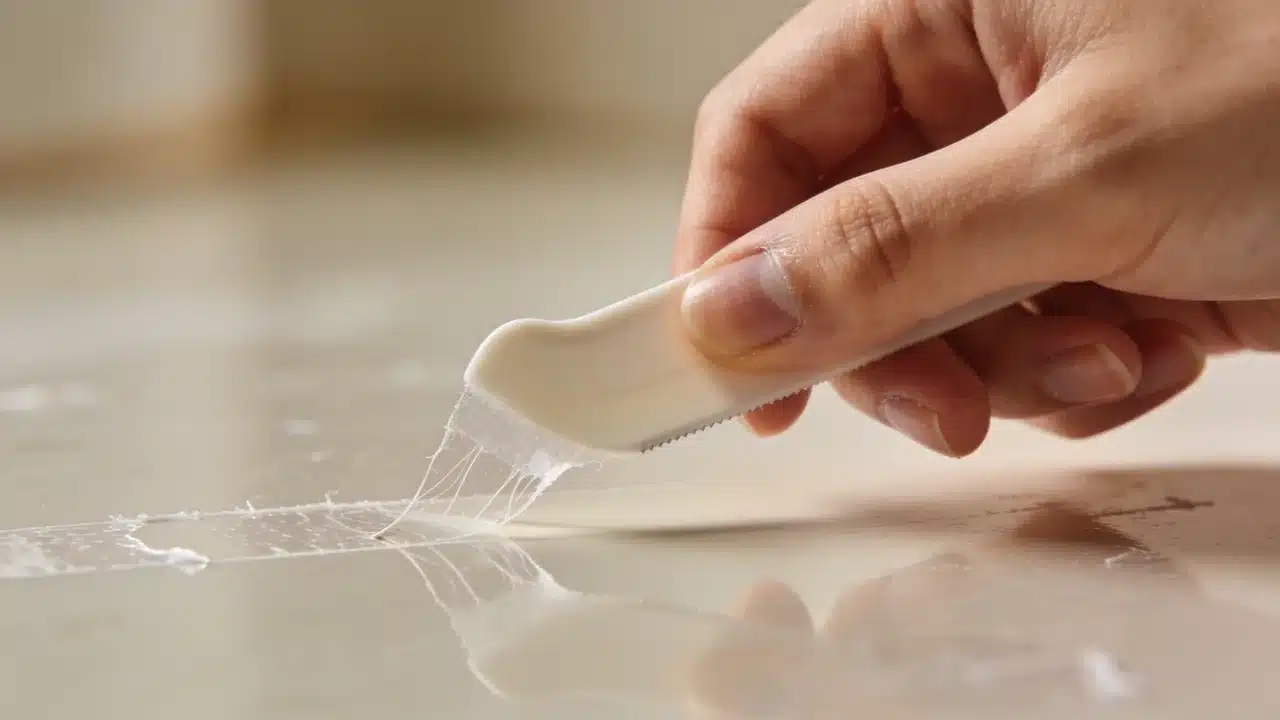
Rub the sticky area gently with your fingertip. Fresh adhesive often softens and rolls into small pieces that can be lifted away easily.
For thicker residue, use a plastic scraper or an old card. Hold it at a low angle and push from the outer edge toward the center. This stops the adhesive from spreading.
Do not use metal blades on painted surfaces, coated plastics, or soft finishes. On fabrics, skip scraping entirely because it can push the adhesive deeper into the fibers.
2. Use Heat to Soften the Bond
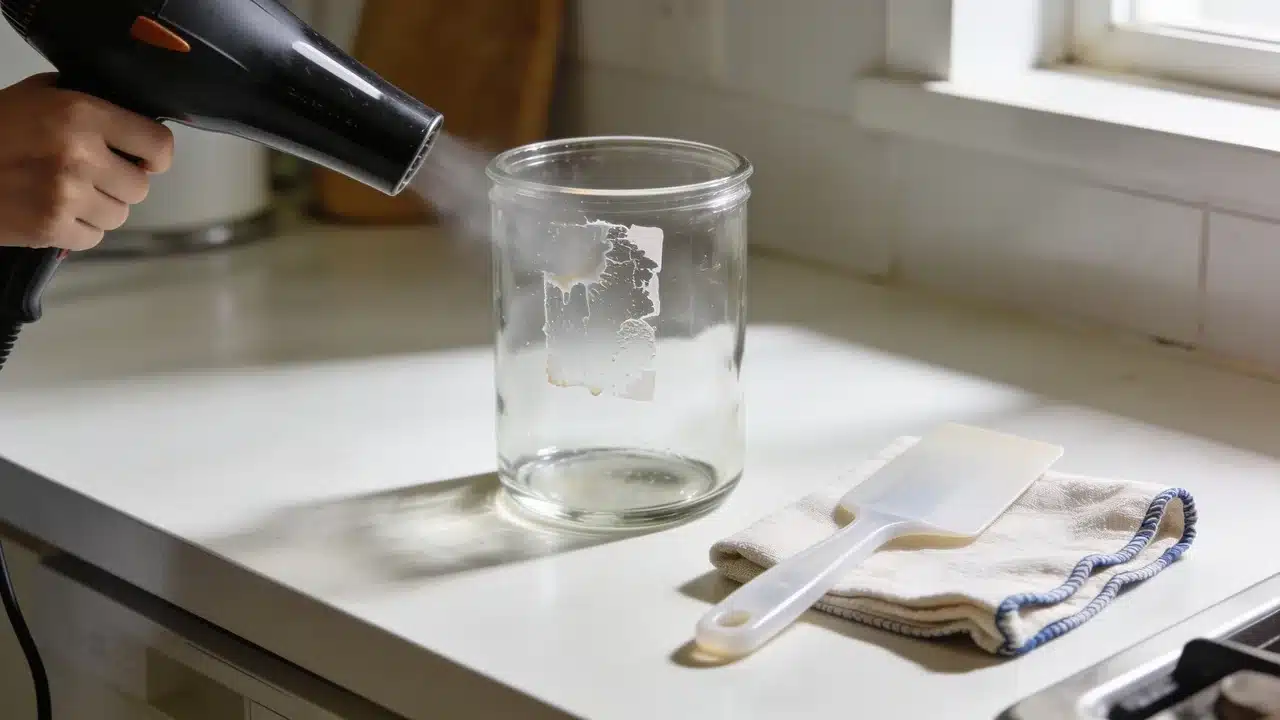
Set a hair dryer to medium heat and hold it about 6 to 8 inches away from the residue. Warm the area for 20 to 30 seconds.
While the residue is warm, wipe it with a cloth or lift it with a plastic tool. Work quickly because the adhesive hardens again within seconds.
Do not use direct heat on vinyl, thin plastic panels, or laminate. These materials can warp, discolor, or lose their finish.
3. Break It Down With Oil

Place a small amount of vegetable oil, coconut oil, or baby oil directly onto the sticky area.
Let the oil sit for five to ten minutes so it can soften the adhesive bond. Then use a soft cloth to wipe the loosened residue away. Repeat if needed for thicker buildup.
Finish by cleaning the area with warm soapy water. This removes leftover oil and restores the surface.
4. Clean It Up With Rubbing Alcohol
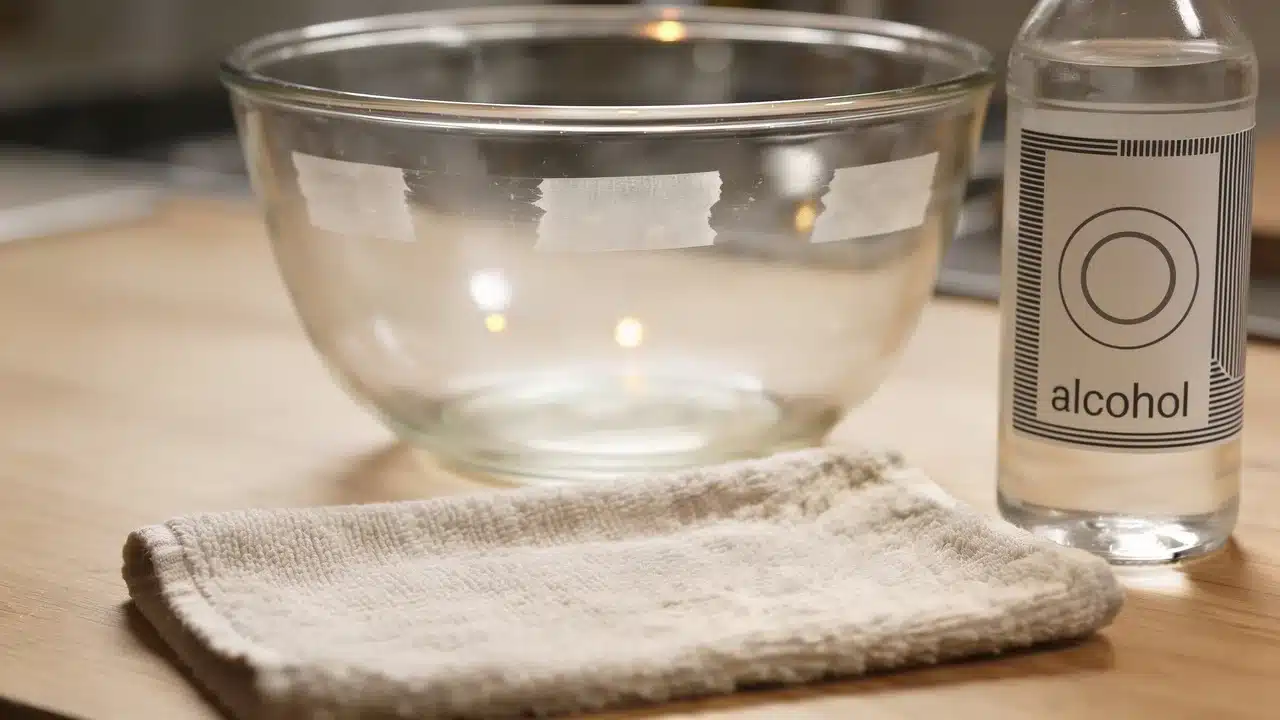
Dampen a cotton pad with 70% or higher isopropyl alcohol and press it against the residue for about 30 seconds.
Move the pad in a single direction to lift the adhesive instead of spreading it around. Use a fresh pad for each pass.
Always test alcohol on a hidden area first before applying it to painted surfaces or matte plastics. It may dull finishes or damage certain coatings.
How to Remove Adhesive From Different Surfaces
The surface material changes everything. A method that works perfectly on glass can cloud plastic or strip a wood finish. Match your approach to the surface before applying anything.
1. Removing Adhesive From Glass
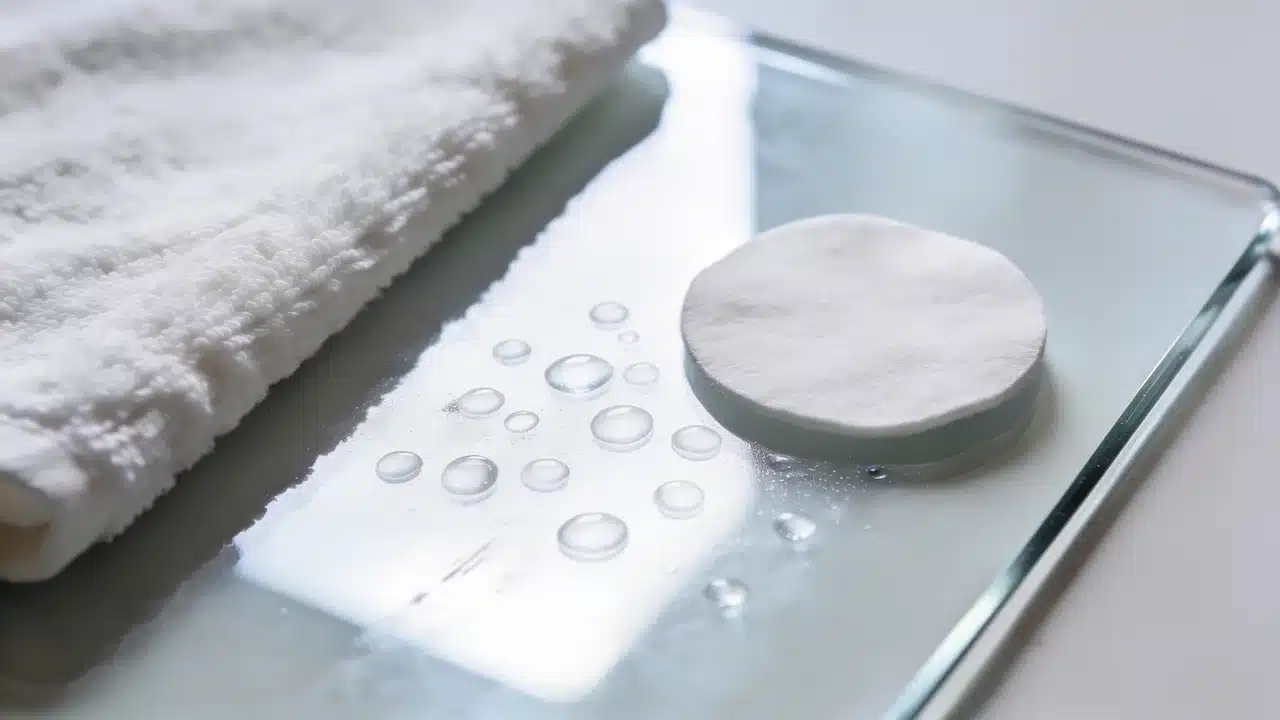
Soak a cloth in rubbing alcohol or white vinegar and press it against the spot for 30 to 60 seconds. Wipe in one direction only.
For thick residue, apply Goo Gone and let it sit for two minutes before wiping. Never use steel wool or abrasive sponges because they leave permanent scratches.
2. Removing Adhesive From Plastic
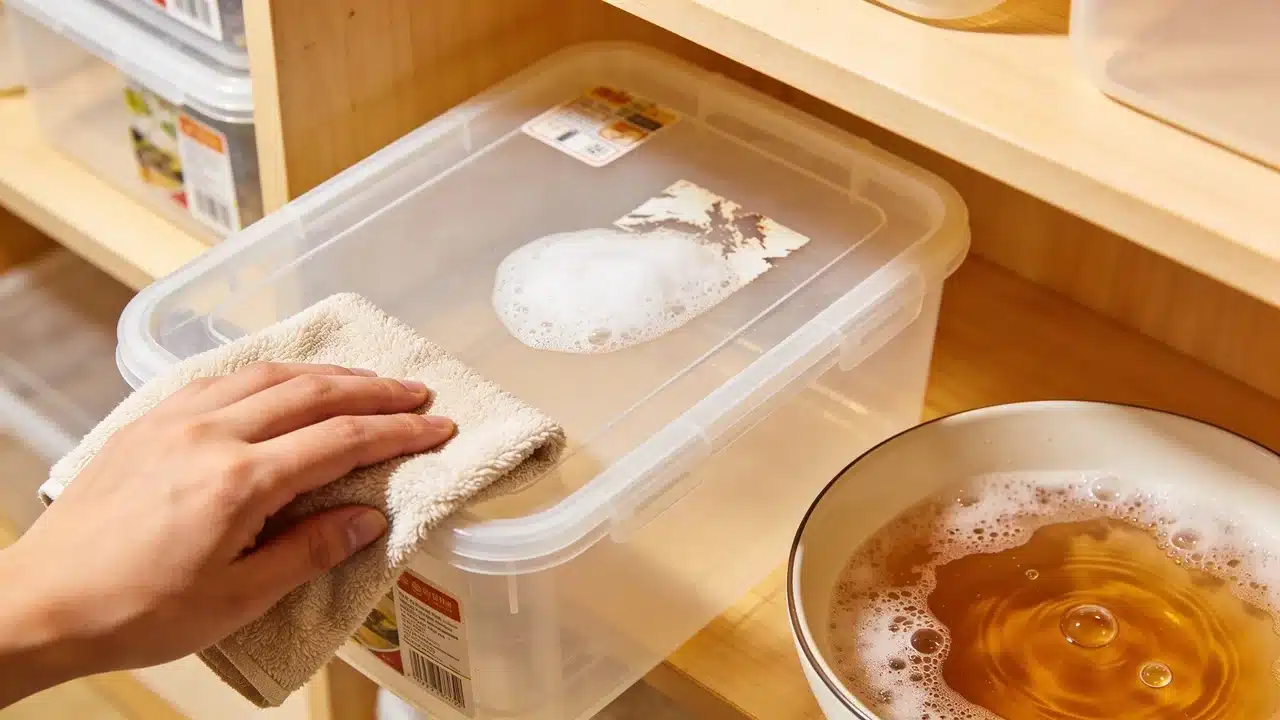
Start with warm soapy water on a soft sponge. For sticker residue, apply cooking oil, leave it for five minutes, then wipe away.
If that is not enough, try diluted rubbing alcohol on a hidden area first. Avoid acetone and strong solvents entirely because even one use can cause permanent damage on plastic.
3. Removing Adhesive From Metal
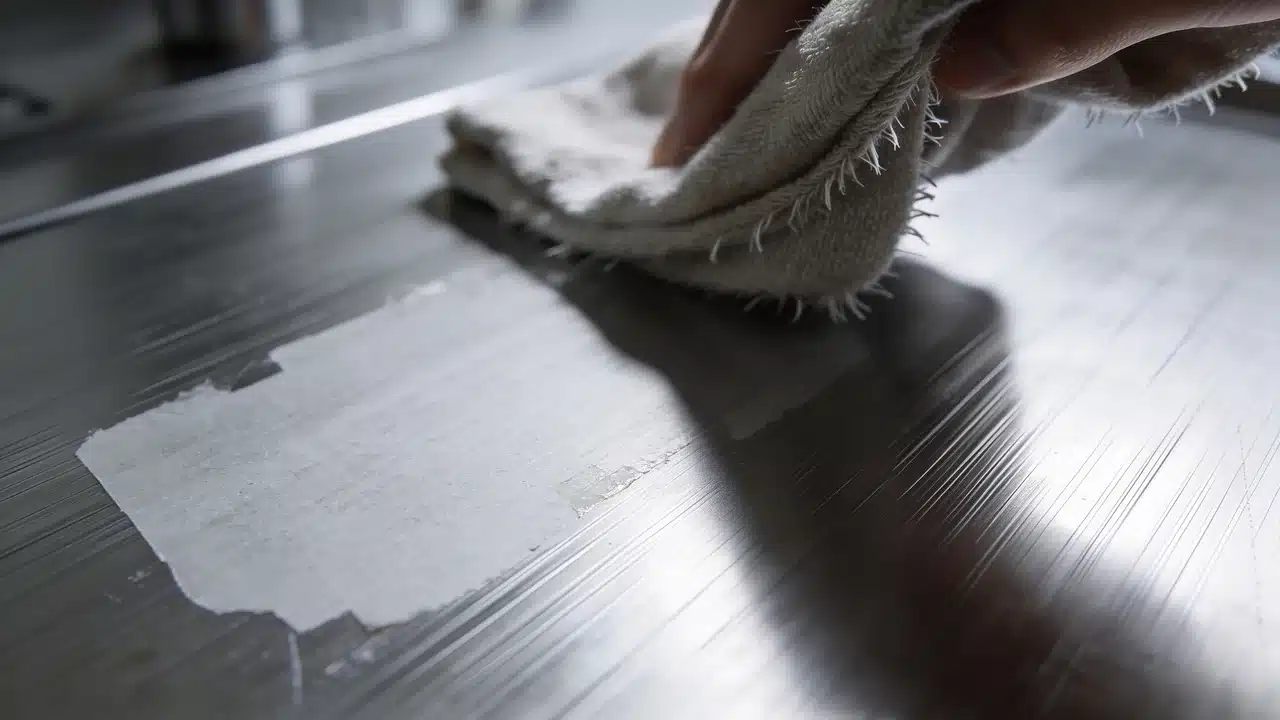
Apply rubbing alcohol, WD-40, or baby oil to a cloth and wipe with light pressure. For dried tape residue, let WD-40 sit for two minutes before lifting.
Follow up with warm soapy water to remove any oily film. On brushed metal, always wipe in the direction of the grain.
4. Removing Adhesive From Wood
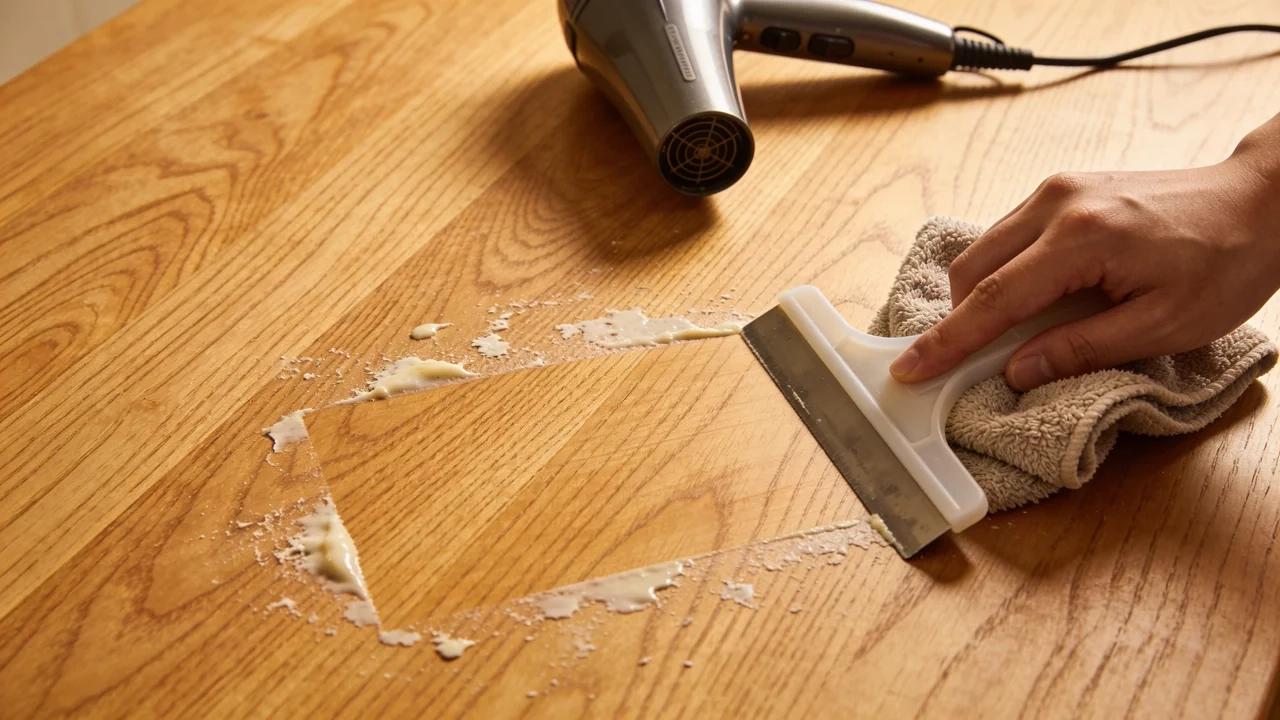
For finished wood, apply low heat from a hair dryer, then wipe with a lightly damp cloth and dry the surface immediately.
For unfinished wood, use a small amount of oil on a cotton pad and wipe away quickly. The same care used when getting stickers off wood applies here: heat first, no soaking, no excess moisture.
Never soak any wood surface. Water causes swelling and warping.
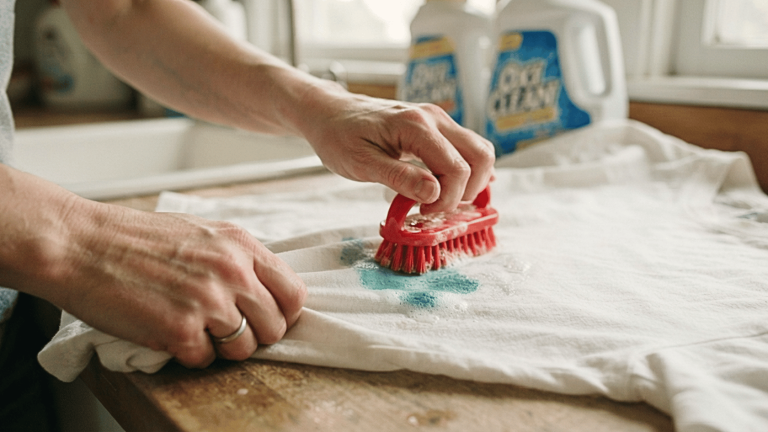
5. Removing Adhesive From Fabric and Clothes
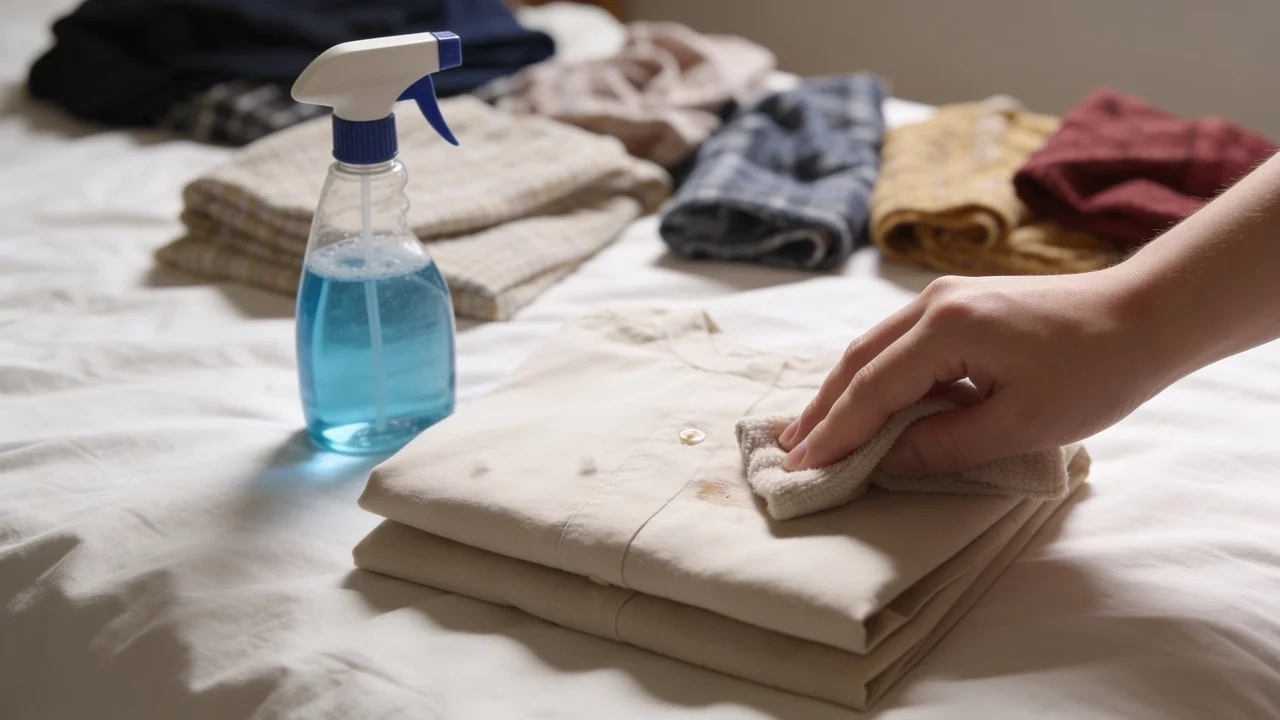
Let the adhesive dry fully before touching it. Chip away hardened residue with a plastic tool, lifting upward and away from the fibers.
Apply laundry detergent directly to the area, leave it for ten minutes, then wash as normal. The pre-treatment method mirrors what works on white upholstery stains, where letting the product sit before wiping gives better results.
Check the stain before putting the item in the dryer. Heat sets adhesive permanently.
Best Products for Tough Adhesive Jobs
When household methods fall short, a dedicated remover is worth using. Pick based on the surface first, not just how strong the adhesive is.
| Product | Best For | Avoid On |
|---|---|---|
| Goo Gone | Sticker and label residue | Untested surfaces |
| WD-40 | Tape residue and oily adhesives | Fabric without testing |
| Rubbing Alcohol | Glass and metal | Some painted surfaces |
| 3M Adhesive Remover | Stronger adhesive residue | Sensitive materials |
| Adhesive Remover Gel | Vertical surfaces | Unknown finishes |
Always test any product on a hidden area before treating the full surface. Wipe in one direction only. Rubbing sideways spreads softened adhesive deeper into the material.
Common Adhesive Removal Mistakes to Avoid
The wrong move during removal often causes more damage than the adhesive itself. These are the most common ones.
- Using metal blades on painted, plastic, or coated surfaces causes deep scratches. Use a plastic card instead.
- Applying acetone without testing strips can paint and melt plastic on contact. Patch test first.
- Skipping the patch test risks permanent surface damage. Two minutes on a hidden spot confirms whether a product is safe.
- Leaving chemical residue behind can stain or dull the surface over time. Wipe down with warm water after every treatment.
- Mixing cleaning products creates unpredictable reactions. Use one product at a time.
- Scrubbing before softening spreads residue and scratches the surface. Let the product work first, then wipe.
Frequently Asked Questions
Does hand sanitizer remove sticky residue?
Yes. Gel hand sanitizer works like rubbing alcohol and dissolves lighter adhesive residue on smooth surfaces. Apply it, hold for 30 seconds, then wipe in one direction.
How do you remove adhesive from car paint?
Use a dedicated automotive adhesive remover or baby oil applied with a soft cloth. Both rubbing alcohol and acetone strip car paint on contact, so avoid them on vehicles.
Can you remove adhesive from skin safely?
Cooking oil or baby oil loosens most skin adhesive without irritation. Rub gently, let it sit for a minute, then wash off with soap and warm water.
Does baking soda remove adhesive?
Baking soda mixed with cooking oil into a paste works well on light residue. Apply it, rub gently with a soft cloth, then rinse clean.
How long should you leave Goo Gone on before wiping?
Two to three minutes is enough for most sticker and label residue. For thicker or older deposits, leave it on for up to five minutes before wiping.
What removes super glue from hard surfaces?
Acetone (nail polish remover) dissolves super glue on glass and metal. Test on a hidden spot first. Avoid acetone on plastic and painted surfaces entirely.
Removing Adhesives the Right Way
Knowing how to remove adhesives comes down to one principle: match the method to the surface, not the strength of the residue.
Start with warm soapy water or oil, give the product time to work, and test anything unfamiliar on a hidden spot first.
Most residue responds to patience. If something does not lift on the first pass, repeat the same gentle method before reaching for something stronger.
With the right approach, nearly every surface in your home can be cleaned without scratches or damage.