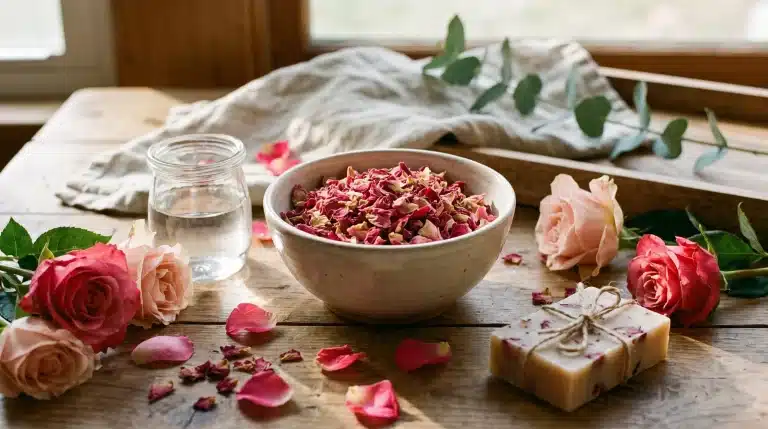
How to Preserve Flowers: 5 Easy Methods That Last

Fresh flowers do not last forever, but most people lose them because they use the wrong drying method or preserve blooms after they already start fading.
Learning how to preserve flowers properly helps flowers keep their color, shape, and sentimental value longer. The right method also reduces browning, mold, and uneven drying.
Some flowers dry better upside down, while others hold their shape better with silica gel or pressing. Different methods also affect color retention, drying speed, and long-term durability.
Here you will find simple preservation methods, storage tips, and common mistakes that affect preserved flowers over time.
Prepare Flowers Properly Before Preserving Them
Good preparation helps flowers dry evenly and last longer. It also prevents fading, mold, browning, and broken petals during preservation.
- Remove damaged petals and thick leaves
- Gently dry surface moisture
Flowers with lower moisture usually preserve better, including roses, lavender, baby’s breath, and daisies. Thicker flowers like peonies and lilies hold more moisture and may take longer to dry properly.
How to Preserve Flowers: 5 Easy Methods
Learning how to preserve flowers at home is easier than most people think.
These five methods cover everything from basic drying to long-lasting resin keepsakes:
1. Air Drying

Air drying is the most beginner-friendly flower preservation method available. It requires no special tools, no extra materials, and very little effort to get good results at home.
It works best for roses, lavender, baby’s breath, eucalyptus, and statice. These flowers have lower moisture content, which helps them dry evenly without losing their natural shape or color.
|
Steps:
|
Watch Out For:
- Large bundles trapping moisture between stems and petals
- Humid rooms slowing down the drying process significantly
- Direct sunlight fading the natural color of petals
- Overdried flowers becoming too brittle to handle safely
2. Silica Gel for Drying Flowers
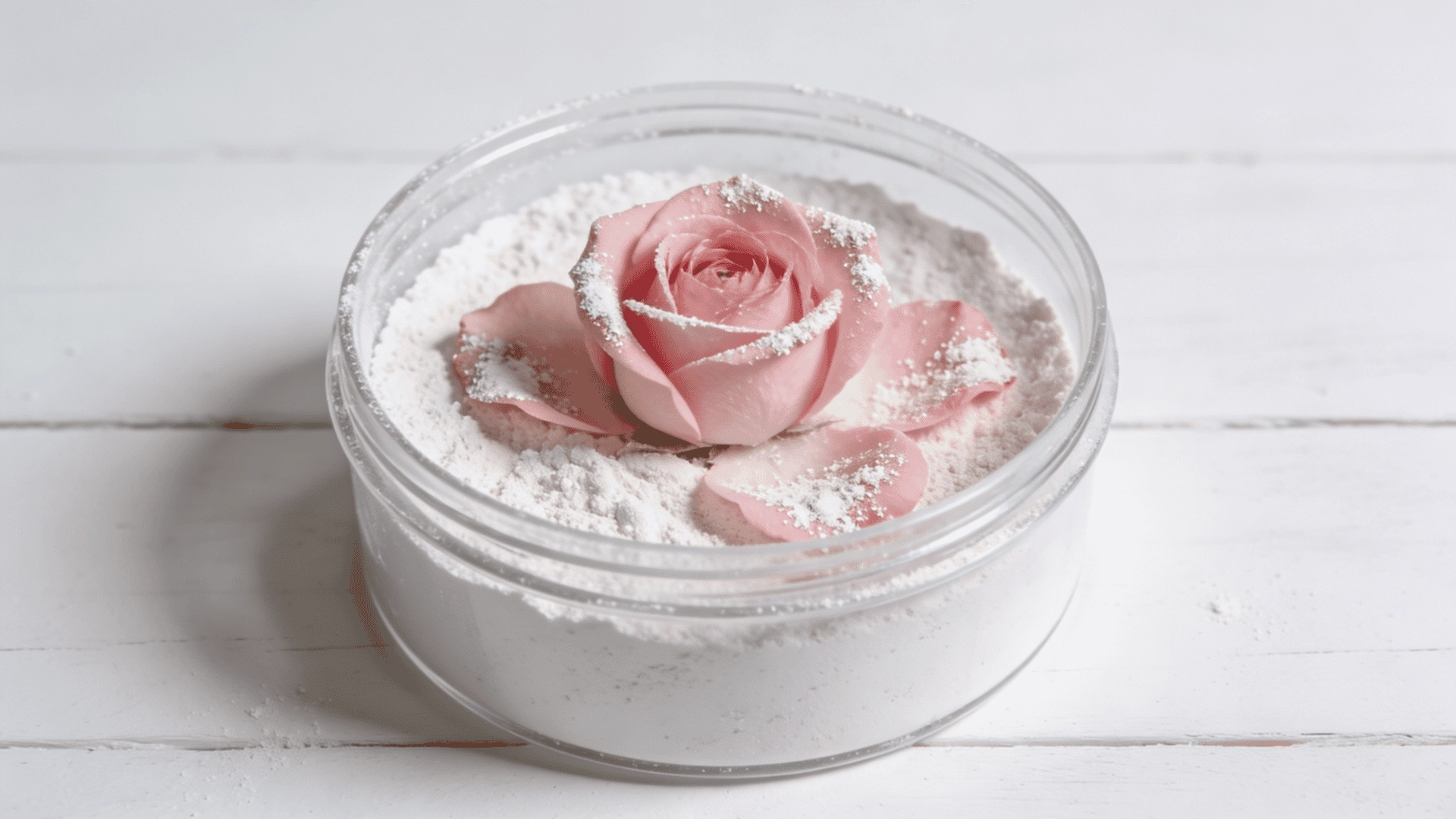
Silica gel is one of the best methods for preserving flowers with strong color and a full, natural shape. It works faster than air drying and gives much better results.
It works best for roses, peonies, lilies, tulips, and daisies. These flowers hold their shape well inside silica gel, making them ideal for display pieces and keepsakes.
|
Steps:
|
Watch Out For:
- Uneven drying leaving some petals still damp inside
- Crushed petals from pouring silica gel too quickly
- Flowers becoming too brittle after extended drying time
- Moisture reabsorbing into petals after removing from container
Careful handling and proper storage help silica-dried flowers stay fuller, brighter, and protected from moisture after drying.
3. Pressing
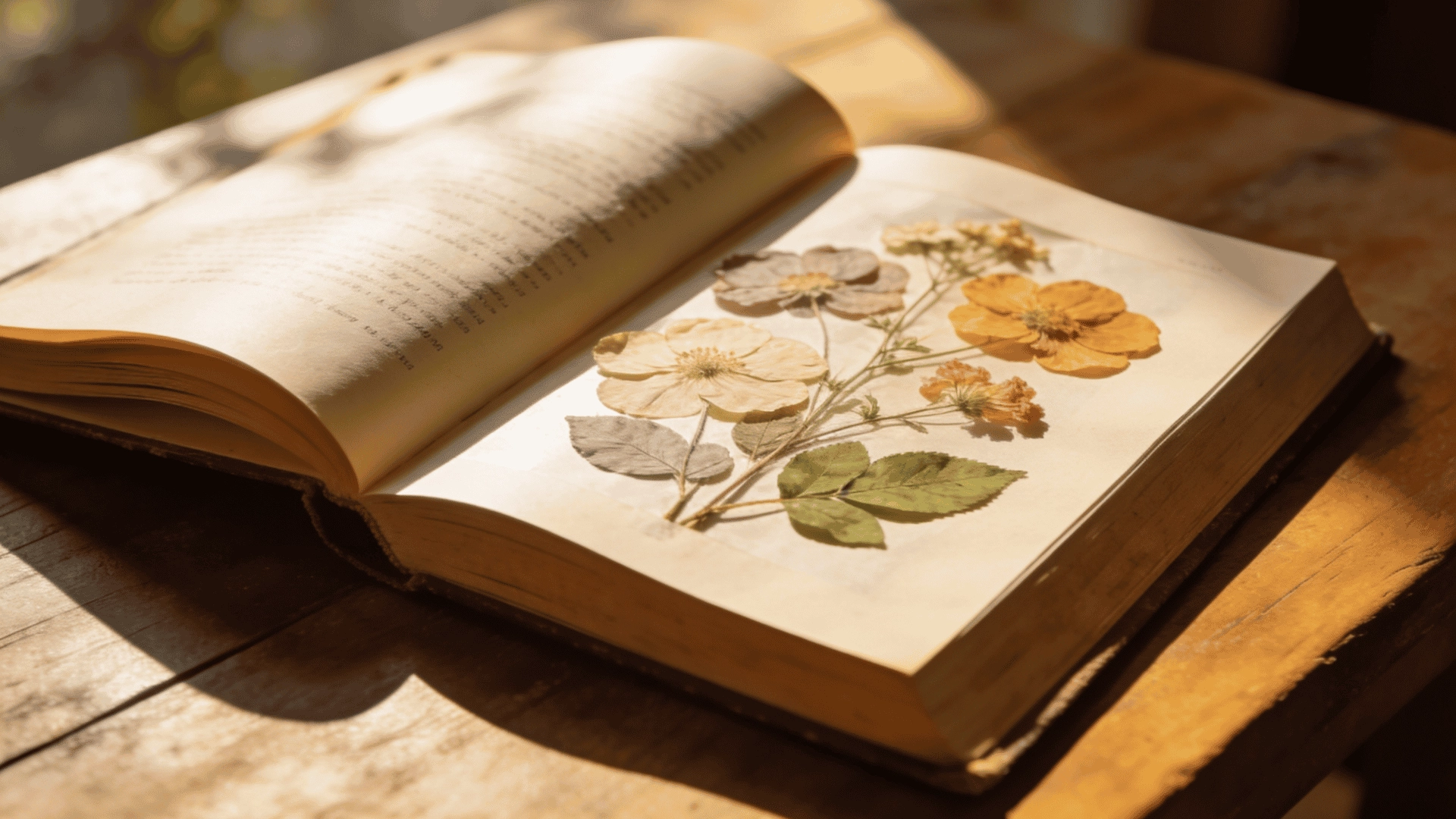
Pressing flowers is a simple and affordable way to preserve them for decorative projects. It works great for frames, bookmarks, greeting cards, and other flat craft keepsakes.
Pansies, daisies, ferns, and wildflowers press more evenly than thick blooms. Their thin, flat petals make them much easier to dry completely without rotting or discoloring during the process.
|
Steps:
|
Watch Out For:
- Damp paper causing unwanted browning on delicate petals
- Overlapping petals sticking together and tearing when removed
- Thick flowers rotting inside the press before fully drying
- Opening the press too early before flowers are completely dry
4. Microwave drying
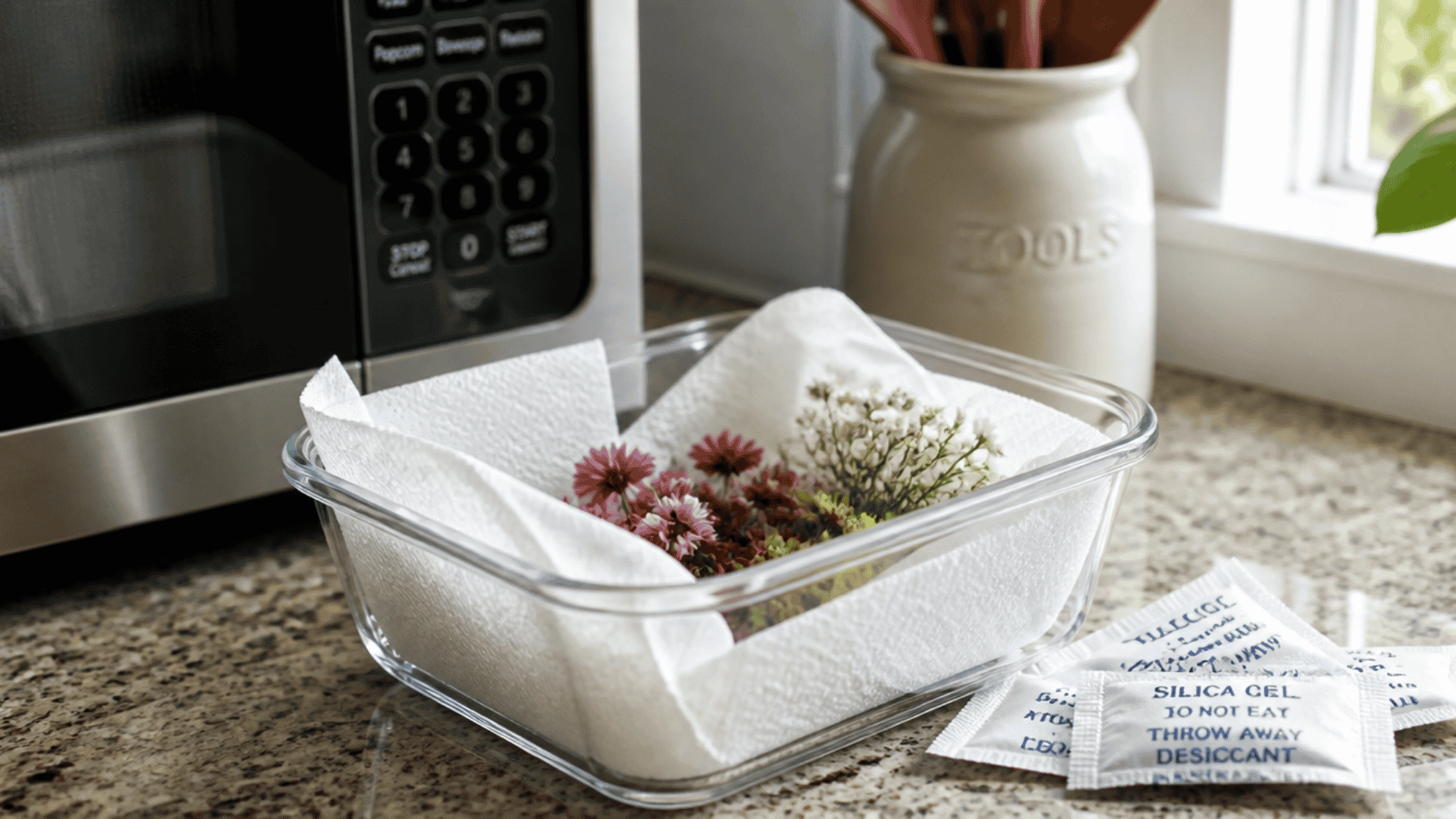
Microwave drying is the fastest way to preserve flowers at home using either paper towels or silica gel as a base. It removes moisture in minutes, making it ideal for beginners wanting quick results.
The difference between the two methods depends on what suits your needs the best.
| Method | Best For | Main Advantage | Main Limitation |
|---|---|---|---|
| Silica Gel | Keeping shape and color | Fuller and more detailed flowers | Needs extra materials |
| Paper Towels | Quick flat drying | Simple and beginner-friendly | Less shape retention |
|
Steps:
|
Watch Out For:
- Scorched petals from heating at too high a power
- Burnt edges forming on thin or delicate flower petals
- Uneven drying leaving hidden moisture in thicker petal areas
- Hidden moisture remaining deep inside dense flower centers
Low heat and short bursts help flowers dry evenly without burning petals. Rapid heating removes moisture much faster than air drying.
5. Preserve Flowers in Resin
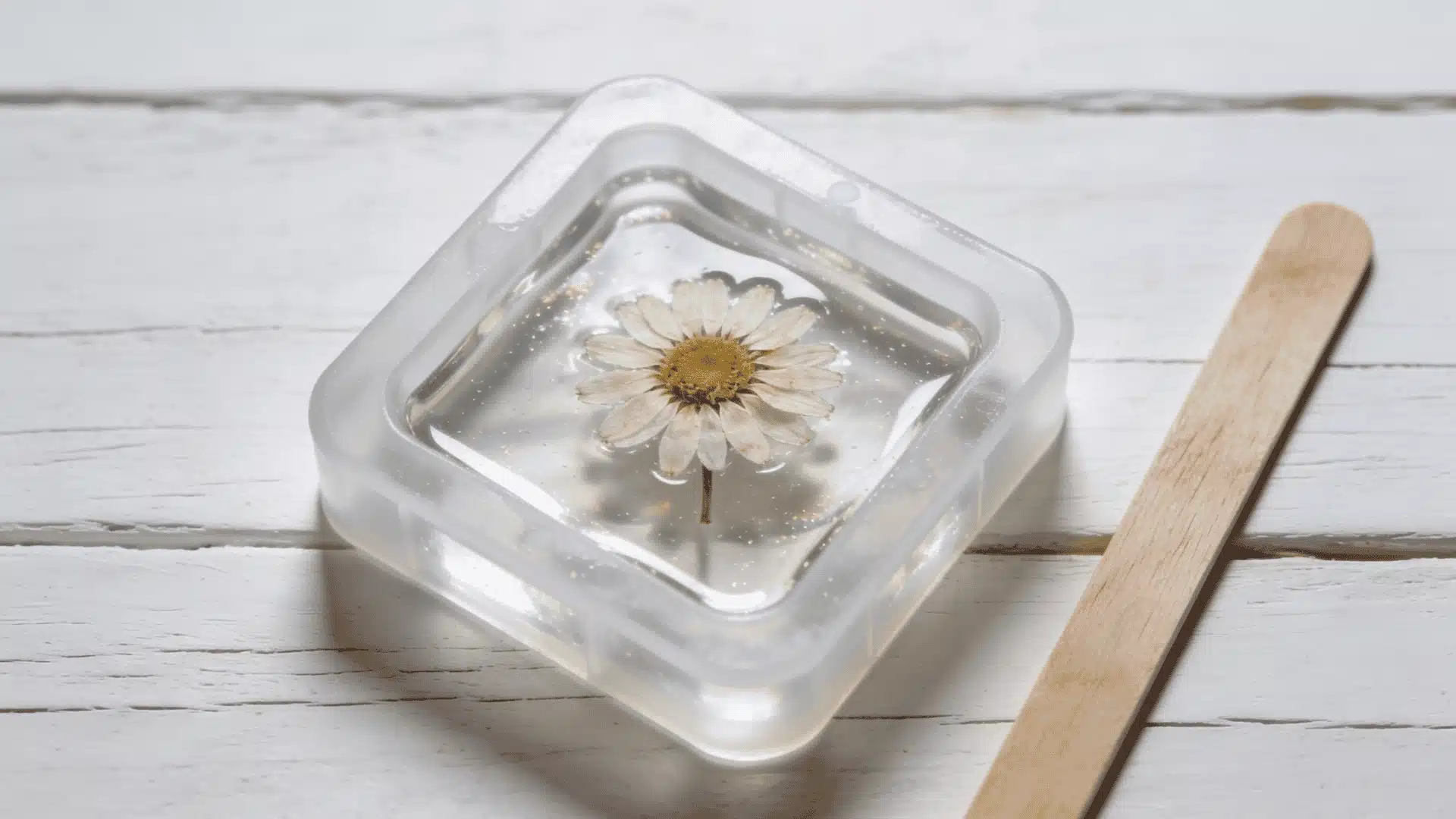
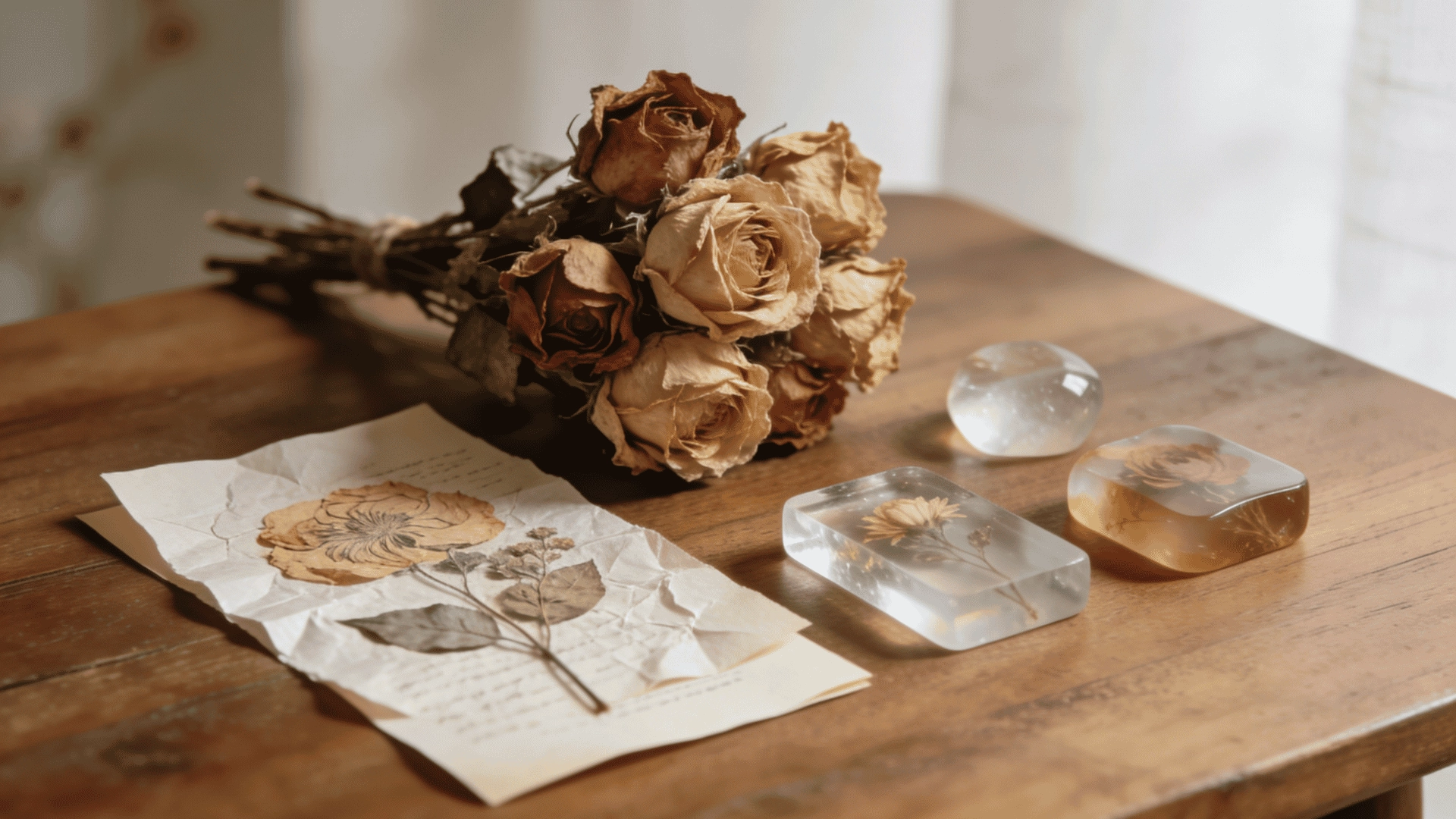
Resin preservation creates beautiful, long-lasting flower keepsakes with a clear protective finish. It works well for making jewelry, ornaments, coasters, and paperweights that display preserved flowers in a unique way.
Flowers must be completely dry before being added to resin. Silica-dried flowers usually work best because they keep more of their natural color and shape throughout the resin curing process.
|
Steps:
|
Watch Out For:
- Cloudy resin forming from incorrect or incomplete mixing ratios
- Air bubbles getting trapped inside resin during the pour
- Incorrect mixing ratios leading to resin that never cures
- Moist flowers causing rot or discoloration inside cured resin
What are Common Flower Preserving Mistakes?
Avoiding these common mistakes before and during preservation helps flowers dry more evenly, last longer, and keep their natural color and shape.
- Skipping petal and foliage cleanup: Leftover damaged petals speed up decay during the drying process.
- Mixing different flower sizes together: Uneven drying causes smaller flowers to overdry before larger ones finish.
- Storing preserved flowers near windows: Sunlight exposure gradually weakens petals and fades colors over time.
- Not sealing preserved flowers after drying: Unprotected flowers absorb humidity and deteriorate much faster than expected.
- Starting preservation with wilting flowers: Already wilting blooms lose shape and color before drying completes.
How do Professional Florists Keep Flowers Fresh?
Professional florists use simple but effective techniques to keep flowers fresh longer. These methods work just as well at home with minimal effort.
| Technique | What They Do | Why It Works |
|---|---|---|
| Trimming Stems | Cut stems at a diagonal angle before placing in water | Increases water absorption surface area |
| Using Flower Food | Add commercial flower food solution to water | Slows wilting and fights bacterial growth |
| Cold Storage | Store flowers in temperature-controlled coolers | Slows natural aging and reduces wilting |
| Changing Water | Replace water every one to two days | Reduces bacterial buildup in the vase |
| Removing Leaves | Strip leaves sitting below the waterline | Prevents rotting and bacterial spread |
Final Verdict
Knowing how to preserve flowers properly helps flowers last longer while keeping more of their natural shape, texture, and color after drying or sealing.
Different methods work better for different flowers and projects. Air drying, silica gel, pressing, microwave drying, and resin preservation all give slightly different results over time.
Now you know which preservation methods work best, which mistakes damage flowers fastest, and how storage conditions affect flower lifespan after drying.
Which flower preservation method have you tried? Share your experience in the comments below. We’d love to hear how it turned out!
Frequently Asked Questions
Can Dried Flowers Cause Allergies?
Yes, dried flowers can cause allergies. They release dust, pollen, and mold spores over time, which can trigger sneezing, itchy eyes, and respiratory irritation in sensitive individuals.
How to Preserve Flowers in a Jar?
Place completely dried flowers gently inside a clean, airtight glass jar. Adding silica gel packets inside the jar helps absorb any remaining moisture and keeps preserved flowers protected for longer.
Why Did My Preserved Flowers Turn Brown?
Flowers often turn brown from excess heat, sunlight, trapped moisture, or older blooms. Slow drying in cool, dark conditions helps reduce discoloration.