

How to Improve Your Home Interior With Smart Design Ideas

A beautiful home does more than look nice. It makes daily life feel easier, calmer, and more comfortable.
The good news is that improving your interior does not always need a huge budget or a full renovation. Small smart changes can bring a big difference. The right colours, better furniture choices, fresh textures, and practical design updates can make any room feel more stylish.
This guide explains simple ways to upgrade your home interior with ideas that are easy to understand and easy to apply.
Start With a Clear Plan
Before buying anything, look at each room carefully.
Think about how the space is used. A living room needs comfort and a welcoming look. A bedroom needs peace and softness. A dining area should feel neat and open.
It also helps to notice what already works in the room. Maybe the walls are fine, but the floor feels dull. Maybe the sofa shape is good, but the fabric looks old. When the real problem is clear, the design choices become much smarter.
Choose a Style That Fits Your Home
Every home looks better when the style feels connected.
Some people like modern interiors with simple lines and soft colours. Others prefer classic spaces with rich fabrics, detailed furniture, and warm tones. Some homes look best with a mix of both.
Pick one main direction and keep it consistent. This makes the space feel balanced instead of crowded. A clear style also helps when selecting flooring, curtains, rugs, wall decor, and furniture.
Improve the Flooring First
Flooring has a big impact on the full look of a room.
Old or damaged floors can make a beautiful room feel unfinished. Fresh flooring can instantly make the space look cleaner and more modern. Popular choices include vinyl, wood, laminate, tiles, and other practical options for daily use.
Good flooring should match the room’s use. Bedrooms often look warm with wood style floors. Living rooms can feel elegant with modern planks or soft rugs. Kitchens and busy areas need surfaces that are easy to clean.
When the base of the room looks right, everything else starts to look better too.
Add Comfort With Carpet Installation
A room can feel empty without softness underfoot.
This is where carpet installation can help. Carpet adds comfort, warmth, and a finished look to bedrooms, offices, stairs, and family spaces. It also helps reduce noise, which makes the room feel calmer.
Soft neutral carpets create a peaceful atmosphere. Patterned carpets can add character. For busy homes, stain-resistant options are a smart choice.
A well-chosen carpet can turn a plain room into a cozy and welcoming space without making major changes to the structure.
Refresh Old Furniture With Sofa Upholstery
New furniture is not always necessary.
If the shape of a sofa is still good, sofa upholstery can give it a fresh life. Changing the fabric, colour, or texture can completely change the mood of a room.
A light fabric can make the living room feel brighter. Velvet can bring a rich and soft touch. Linen style materials create a calm and simple look. Printed fabrics can also add personality in small amounts.
This idea works especially well for people who want a custom look. It also helps match the sofa with curtains, rugs, cushions, or wall colours more easily.
Pick Colours That Make the Space Feel Right
Colour affects the mood of every room.
Light shades make small rooms look larger and brighter. Warm shades create comfort. Dark tones can add depth when used carefully. Soft beige, cream, grey, white, muted green, and dusty blue are often easy to style.
Try to keep the main colours simple. Then add interest through cushions, rugs, art, or chairs. Too many strong colours in one room can make the space feel busy.
A good colour plan helps every part of the interior work together.
Use Curtains and Blinds for a Better Finish
Windows should never be ignored in interior design.
Curtains and blinds help control light, improve privacy, and add style. They also complete the room in a way that many people notice immediately.
Long curtains can make the ceiling look higher. Roller blinds give a clean, modern look. Layering blinds with curtains creates a fuller and more elegant finish.
Choose fabrics and colours that match the room. Soft curtains work well in bedrooms and lounges. Sleek blinds are often great for offices, kitchens, and simple modern spaces.
Upgrade the Walls With Smart Details
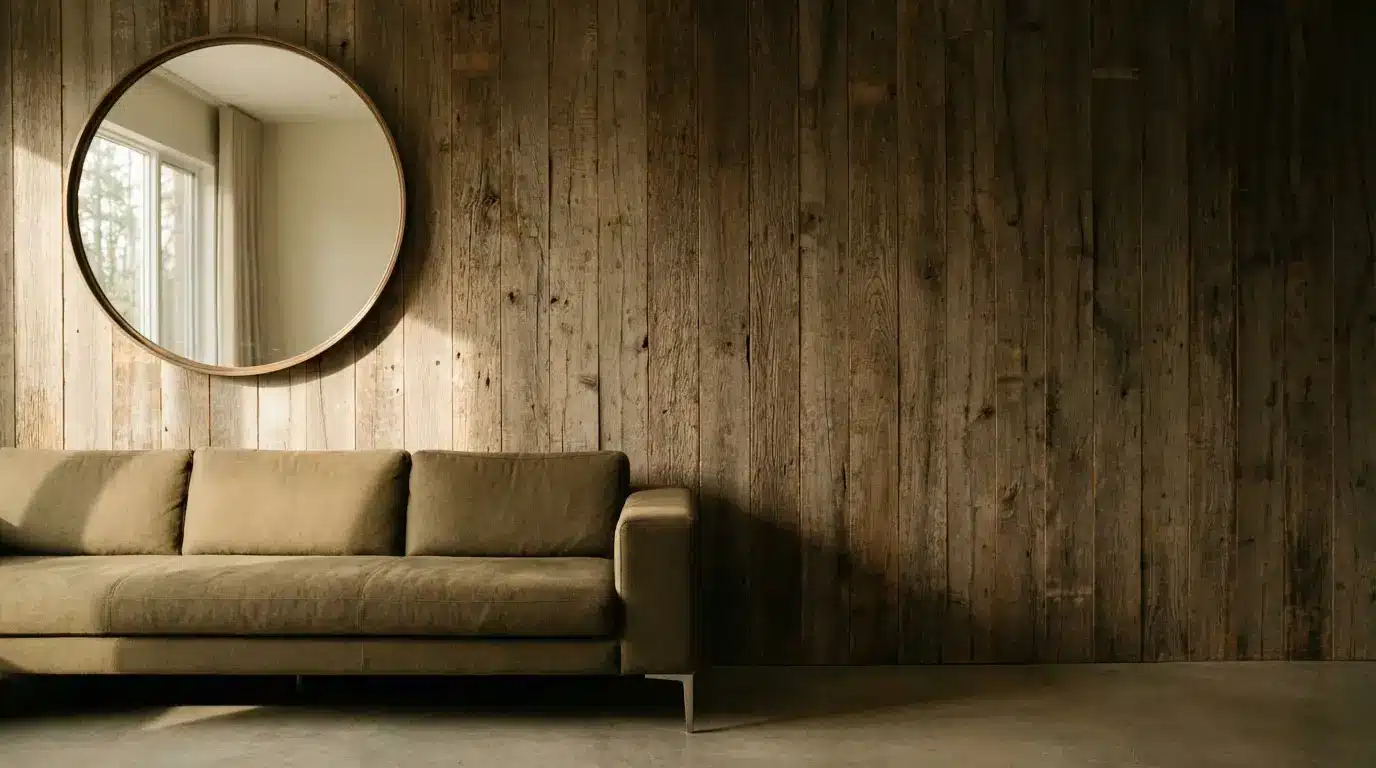
Plain walls can make a room feel flat.
A few smart changes can add depth and beauty. Paint is the easiest option, but wallpaper, wall panels, mirrors, and art can create a stronger result. Textured walls often make the room feel more stylish without filling it with too many items.
A feature wall behind the bed or sofa can become the main attraction of the room. Mirrors are also useful because they reflect light and make smaller rooms look more open.
Wall design should support the room, not overpower it.
Mix Soft Furnishings for Warmth and Balance
Soft furnishings make a home feel lived in and comfortable.
Rugs, cushions, throws, bedding, and fabric benches all help build a warm setting. These items also simply bring colour and texture.
For example, a neutral room can feel much more complete with printed cushions, a textured rug, and matching curtains. A bedroom can feel more relaxing with layered bedding and soft side rugs.
These small details are often the finishing touch that pulls the whole interior together.
Use Lighting to Change the Mood
Lighting can improve even the simplest room.
Natural light should be used as much as possible during the day. At night, a mix of ceiling lights, wall lights, and table lamps creates a better effect than one bright light alone.
Warm lighting makes living rooms and bedrooms feel cozy. Brighter lights are useful in kitchens, study spaces, and bathrooms. Decorative lights can also highlight special corners, wall textures, or artwork.
A room with good lighting always feels more welcoming.
Choose Furniture That Fits the Space
Oversized furniture can make a room feel tight. Very small furniture can make it feel empty.
The smart option is to choose pieces that match the room size. Measure the area before buying anything. Leave enough walking space around sofas, beds, and tables.
Multi use furniture is also very helpful. Storage beds, nesting tables, and benches with storage can keep the room tidy and useful at the same time.
Smart furniture planning improves both beauty and comfort.
Bring in Natural Elements
Natural touches make interiors feel fresh and calm.
Indoor plants, wooden textures, stone finishes, woven baskets, and natural fabrics can soften the overall design. These details help the room feel more peaceful and balanced.
Even one or two plants can improve the look of a corner. Wooden side tables or textured flooring can also make the room feel warmer and more inviting.
Simple natural elements work in almost every style.
Make Small Spaces Look Better
Small rooms can still look stylish and spacious.
Use lighter colours on walls and larger furniture pieces with simple shapes. Avoid filling every corner. Add mirrors to reflect light. Choose smart storage to reduce visible mess.
Flooring with a clean pattern can make the room look longer. Curtains hung higher than the window frame can make the space feel taller. A carefully selected carpet can also define the area without making it feel heavy.
The goal is to keep the room useful, open, and comfortable.
Keep the Interior Clean and Organized
Good design is not only about decoration. It is also about order.
A neat room always looks better than a cluttered one. Use shelves, baskets, cabinets, and hidden storage to keep things in place. Remove items that no longer add value to the room.
Once the space is organized, the flooring, furniture, curtains, and decor become more visible. This makes the interior look more polished with less effort.
Focus on One Room at a Time
Trying to change the whole home at once can feel overwhelming.
A better approach is to work room by room. Start with the area that needs the most attention. It may be the living room, bedroom, or even the entrance.
This helps control the budget and gives time to make better design choices. It also makes the process easier to manage.
Small progress in the right direction still creates a strong result.
Common Mistakes to Avoid
Many interiors look incomplete because of a few simple mistakes.
Using too many colours can make the room feel messy. Poor lighting can make the space dull. Wrong-sized furniture can affect movement. Ignoring wall design can leave the room looking plain. Low quality carpet installation or badly matched sofa upholstery can also reduce the overall appeal.
The best interior choices are usually simple, practical, and well-balanced.
Final Thoughts
Improving a home interior does not need complicated ideas.
Smart design starts with understanding the space and making practical choices that also look beautiful. Better flooring, soft carpet installation, updated sofa upholstery, stylish curtains, improved lighting, and thoughtful wall details can completely change the feel of a home.
The best results come from small changes that work well together. With the right plan, any room can look more comfortable, more stylish, and much more enjoyable for daily life.