
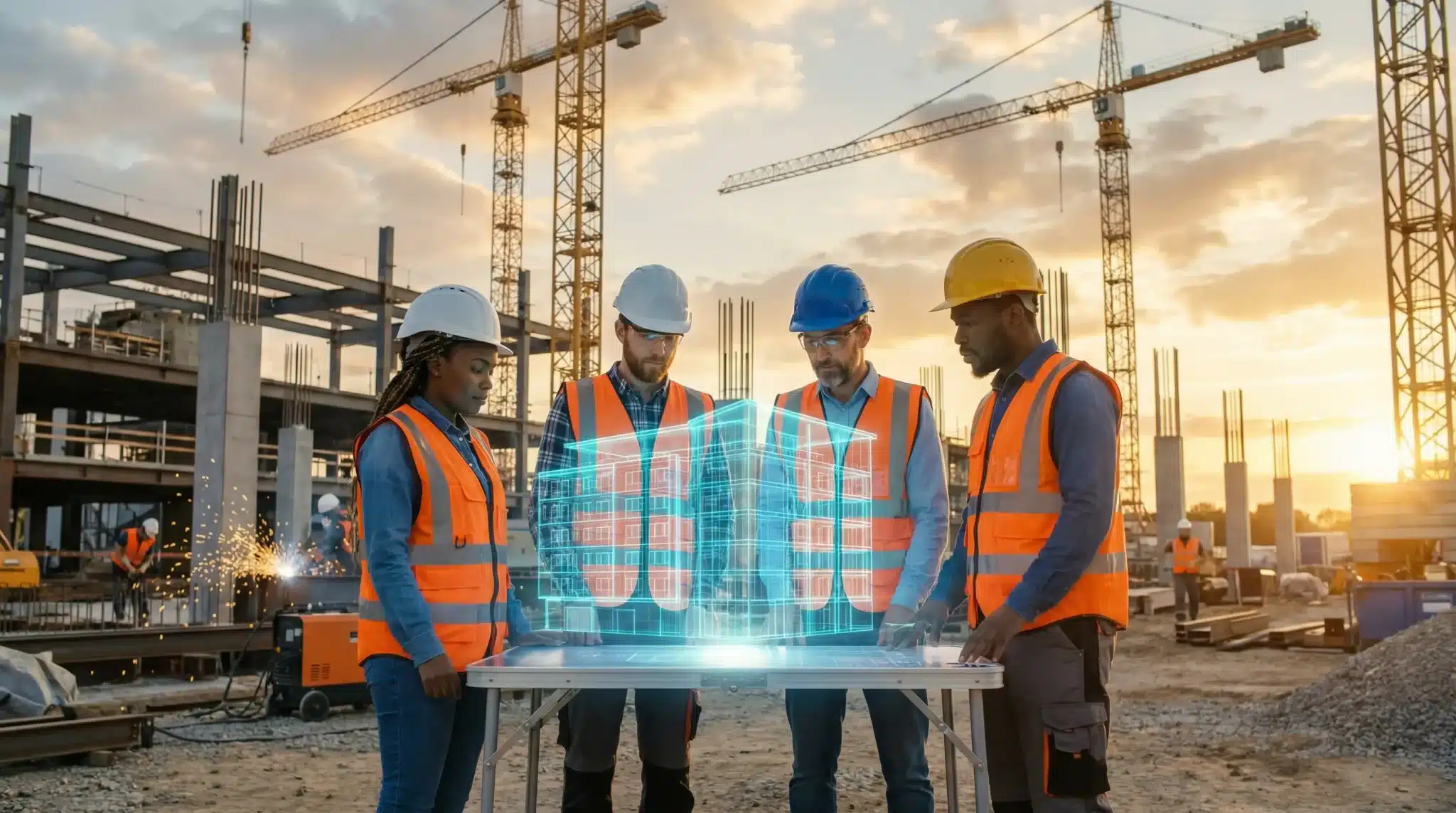
How Do Modern Construction Planning Tools Help Teams Hit Every Deadline? 5 Practical Tips

Construction deadlines often feel impossible to meet, but the right tools can transform how teams plan and execute their projects. Modern construction planning software helps teams hit deadlines by providing real-time updates, centralized communication, and automated tracking systems that catch problems before they turn into costly delays. Digital platforms replace outdated spreadsheets and paper schedules with smart systems that adapt to changes as they happen on site.
Your team needs more than just good intentions to finish projects on time. The construction industry faces constant pressure from tight schedules, budget limits, and complex coordination between multiple crews and suppliers. However, technology-driven solutions now make it possible to manage these challenges more effectively. From resource allocation to risk prediction, digital tools give you the visibility and control needed to keep every phase of your project on track and prevent schedule drift.
Real-Time Schedule Updates to Adapt Immediately to On-Site Changes
Construction sites change constantly, and static schedules cannot keep up with delays, weather issues, or supply problems, planning and scheduling software for construction solves this problem by adjusting timelines automatically as new information arrives. Instead of waiting for weekly meetings to discover schedule conflicts, your team receives instant notifications about changes that affect their work.
These tools pull data from multiple sources to create schedules that respond to actual site conditions. For example, if a concrete delivery runs late or rain delays exterior work, the system automatically shifts dependent tasks and alerts the right crew members. This eliminates the manual work of redoing schedules and reduces confusion about what needs to happen next.
Your field teams can also update progress from their phones, which helps everyone see the current status of each task. This two-way communication keeps office planners and site workers connected, so decisions get made faster and resources get redirected before small delays become major problems.
Integrated Resource Management for Optimal Labor and Material Allocation
Modern construction planning tools connect resource management systems into a single platform. This integration allows you to track labor, materials, and equipment in real time as your project moves forward. You can see exactly which resources are available and where they need to go next.
These tools help you assign workers to tasks based on their skills and current availability. The software also monitors material deliveries and inventory levels so you know what supplies are on hand. This prevents delays that happen because teams wait for materials or equipment to arrive.
Resource scheduling features let you plan ahead for busy periods on your project. You can spot potential conflicts before they happen and adjust your plans accordingly. For example, if two tasks need the same equipment at the same time, the system alerts you so you can reschedule one of them.
The platform tracks how you use each resource throughout the project. This data helps you make better decisions about where to send workers and materials next. You can reduce waste and keep costs under control by avoiding over-ordering or double-booking equipment.
Centralized Communication Platforms to Reduce Misunderstandings
Construction projects fail most often because information gets lost between different teams. A centralized messaging platform keeps all project conversations in one place so nobody misses important updates. Field crews can instantly reach office staff about unexpected issues, which prevents small problems from becoming expensive delays.
These digital tools create a clear record of every decision and instruction that goes out. Project managers can track who received which messages and verify that everyone stays on the same page. This transparency helps teams avoid costly mistakes that happen through miscommunication or missed messages.
Traditional methods like phone calls and scattered emails make it hard to find past conversations about specific issues. Modern platforms organize all communication by project, task, or location so your team can quickly search for the information they need. Real-time updates mean everyone works from the latest plans and specifications instead of outdated documents.
Automated Task Tracking to Identify and Resolve Delays Early
Modern construction planning software can spot potential delays before they derail your entire project timeline. These tools monitor task progress in real time and compare actual completion rates against your planned schedule. The system alerts you as soon as activities fall behind, which allows you to address problems while they remain manageable.
AI-powered tracking solutions analyze project-specific data to help you understand exactly where bottlenecks occur. You gain visibility into which tasks need attention and can make informed decisions about resource allocation. This level of insight eliminates the need for constant status meetings because everyone can access current progress information at any time.
The technology works by collecting data automatically rather than relying on manual updates from team members. This approach reduces coordination time and frees up hours each week that you can dedicate to actual project work. Early detection of delays gives you the opportunity to adjust schedules, reassign workers, or modify plans before small issues escalate into major setbacks.
Data-Driven Forecasting to Anticipate Potential Risks and Adjust Plans
Modern construction teams use data-driven forecasting to predict budget changes, material cost shifts, and schedule delays before they happen. AI-powered tools analyze historical project data and current conditions to spot patterns that signal upcoming problems. This approach lets you see potential issues weeks or months in advance rather than after they disrupt your timeline.
The technology examines multiple variables at once to create accurate predictions about project risks. For example, you can identify which tasks are most likely to fall behind schedule based on past performance data. You can also forecast material price fluctuations that might affect your budget.
Teams that adopt predictive analytics gain the ability to test different solutions before problems occur. The software runs scenarios that show how various decisions might affect your deadline. As a result, you can adjust resource allocation, revise schedules, or secure additional materials ahead of time. This proactive strategy helps you maintain control over project timelines and avoid costly delays.
Conclusion
Modern construction planning tools give you the power to meet deadlines through better communication, real-time updates, and smart resource allocation. These platforms help your team stay aligned and respond quickly to challenges before they turn into delays. However, technology alone won’t solve every problem. You still need clear processes, team buy-in, and a commitment to use these tools consistently across every phase of your project. The teams that succeed are the ones that combine the right software with strong project management habits.