

How Allergens Hide in Carpets and Ways to Keep Them Away

Your carpet feels soft and warm under your feet. It makes your home feel cozy and complete. But beneath that comfort, there may be things you cannot see. Tiny particles can hide deep in the fibers, building up over time without notice.
These hidden allergens can affect how your home feels and how you breathe. If you have ever wondered why your space feels dusty even after cleaning, your carpet may hold the answer. Keep reading to discover what hides in your carpet and how you can keep your home fresh and safe.
What Are Allergens and Where Do They Come From
Allergens are tiny particles that can cause reactions in your body. These include dust mites, pet dander, pollen, and even mold spores. They are so small that you cannot see them, but they can have a big effect on your health.
They enter your home in many ways. Shoes bring in dirt from outside. Pets carry fur and dust. Even open windows can let pollen drift in. Once inside, these particles settle into your carpet and stay there.
Why Carpets Trap Allergens So Easily
Carpets are made of fibers that can hold onto small particles. These fibers act like a net, catching dust and allergens as they fall. Over time, the buildup grows deeper and harder to remove.
Walking on the carpet can stir these particles into the air. This means you may breathe them in without knowing it. The more traffic your carpet gets, the more it can collect and spread allergens around your home.
Signs Your Carpet May Be Affecting Your Health
There are signs that your carpet may be holding too many allergens. You may notice more sneezing or coughing when you are at home. Your eyes may feel itchy, or your nose may feel blocked.
You may also see dust returning quickly after cleaning. A musty smell can also be a clue that something is trapped in your carpet. These signs should not be ignored, as they can affect your daily comfort.
The Role of Dust Mites in Your Carpet
Dust mites are one of the most common allergens found in carpets. These tiny creatures live in warm and soft spaces, making carpets the perfect home for them.
They feed on dead skin cells and multiply quickly. While they are too small to see, their waste can trigger allergies. Keeping your carpet clean helps reduce their presence and improves your indoor air.
How Moisture Can Make Things Worse
Moisture can make your carpet a breeding ground for allergens. Spills, humidity, or damp air can lead to mold growth. Mold releases spores that spread through the air and cause health issues.
Even small amounts of moisture can lead to bigger problems if not handled quickly. Keeping your carpet dry is just as important as keeping it clean.
Simple Daily Habits That Make a Difference
You do not need to make big changes to improve your carpet’s condition. Simple habits can go a long way. Removing shoes before entering your home helps reduce dirt and allergens.
Regular vacuuming also helps remove surface dust. Opening windows for fresh air can reduce buildup inside. These small actions can improve your space over time.
The Importance of Deep Cleaning
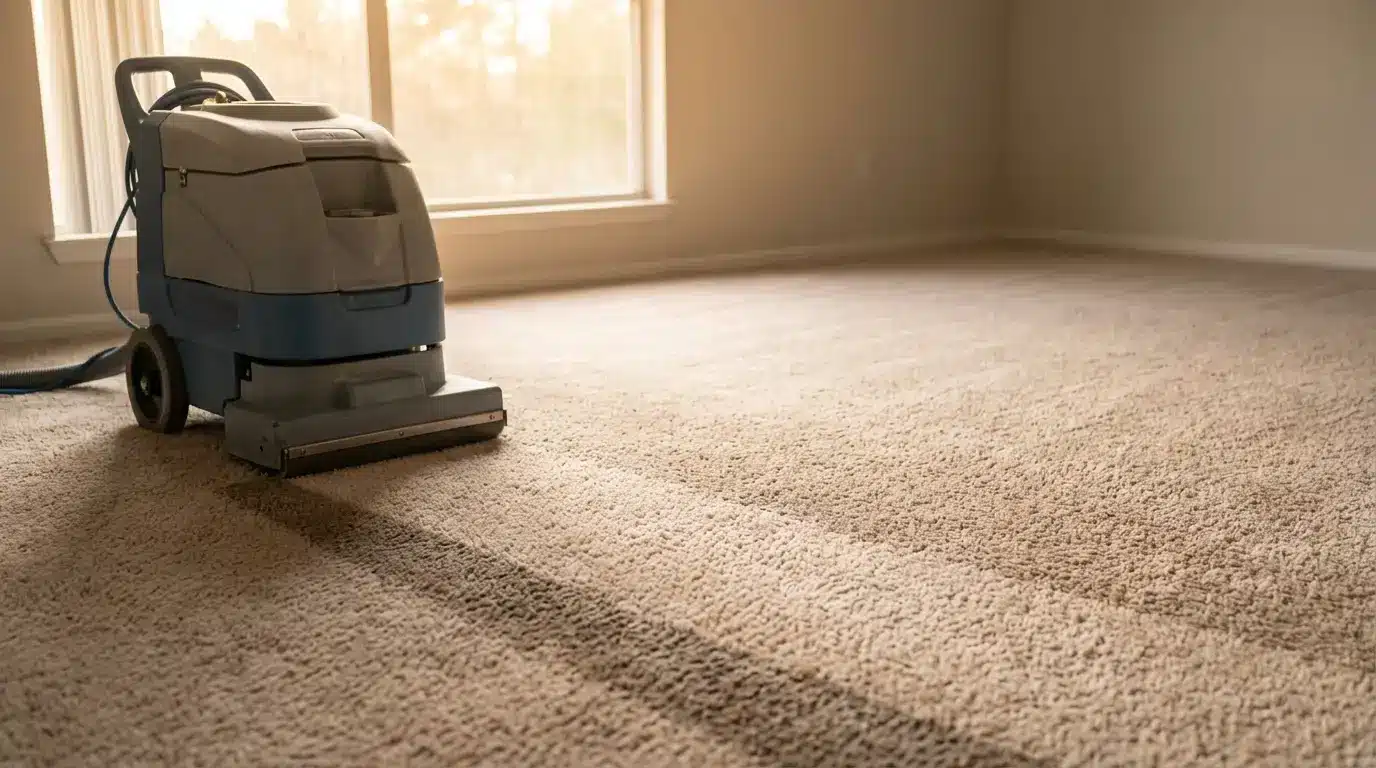
Surface cleaning is helpful, but it is not enough. Allergens can settle deep within the carpet fibers. This is where deep cleaning becomes important.
Professional cleaning reaches areas that regular tools cannot. It removes trapped dirt and improves the overall condition of your carpet. This process helps create a cleaner carpet and a healthier living space.
Choosing the Right Cleaning Method
Not all cleaning methods are the same. Some use steam, while others use dry cleaning techniques. Each method has its benefits depending on your carpet type.
It is important to choose a method that removes dirt without damaging the fibers. Proper cleaning also helps your carpet last longer and stay fresh.
Keeping Allergens Away for Good
Once your carpet is clean, the next step is to keep it that way. Regular maintenance is key. Vacuum often and clean spills right away.
Using rugs in high-traffic areas can help protect your carpet. Air purifiers can also help reduce particles in the air. These steps work together to keep allergens under control.
When to Consider Replacing Your Carpet
There are times when cleaning may not be enough. If your carpet is very old or heavily worn, it may hold too many allergens to remove.
In such cases, replacing your carpet can be a better option. New materials are often designed to resist buildup and are easier to maintain. This can improve both your comfort and your health.
Pets Can Increase Allergen Build Up in Carpets
Pets bring joy into your home, but they can also add to the number of allergens in your carpet. Fur, dander, and dirt from outside can settle deep into the fibers. Even clean pets can carry tiny particles that build up over time. Regular grooming and cleaning pet areas can help reduce this effect. Vacuuming more often in spaces where pets stay can also keep your carpet fresher and healthier.
High Foot Traffic Areas Collect More Dust and Dirt
Some parts of your home are used more than others. Hallways, living rooms, and entryways often see the most foot traffic. These areas collect more dust, dirt, and allergens because of constant use. Over time, this buildup can become harder to remove. Placing mats at entrances and cleaning these areas more often can help control the spread of allergens and protect your carpet.
A Fresher Home Starts From the Ground Up
Your carpet plays a big role in how your home feels. By understanding how allergens hide and how to remove them, you can take control of your space. With simple habits and the right care, you can enjoy a home that feels clean, fresh, and comfortable every day. This also helps protect your health and create a safer place for your family to relax and live well.
For more on this content, visit the rest of our blog!