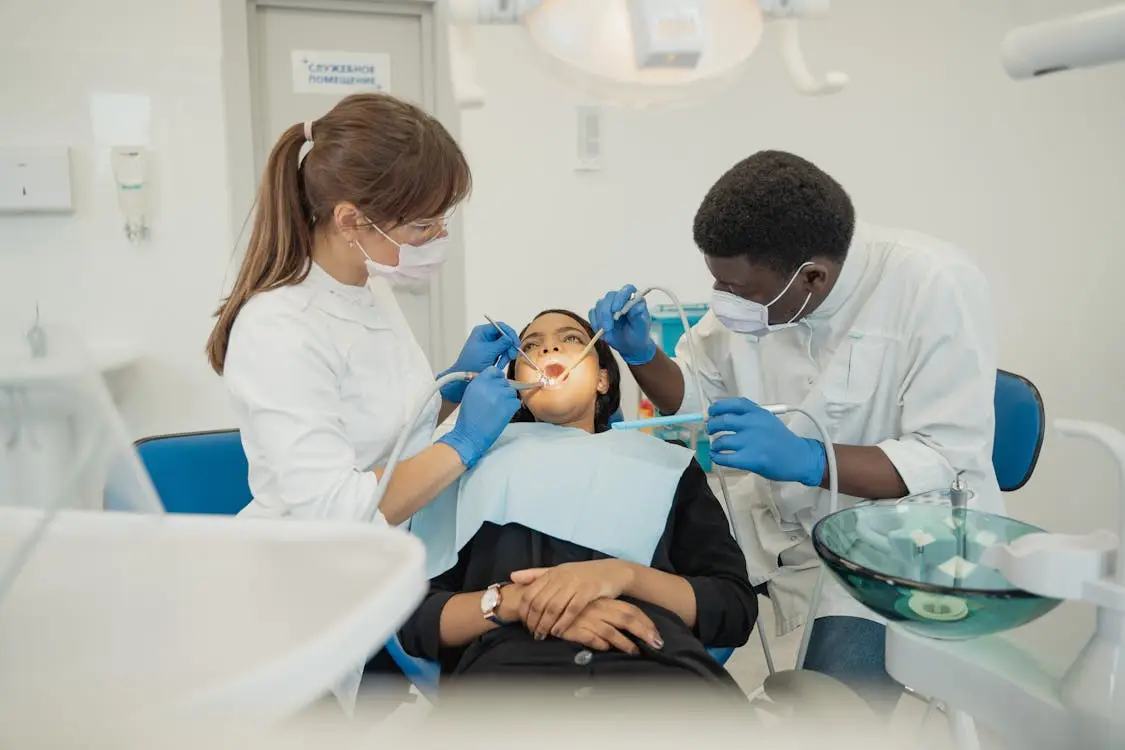
The Growing Popularity of Natural and Professional Teeth Whitening in Modern Wellness

In recent years, wellness has expanded beyond diet and fitness to include personal care and aesthetic health. Among these, dental appearance has become an important part of overall well-being, with more people seeking brighter, healthier smiles as part of their self-care routines.
From natural remedies to advanced cosmetic procedures, teeth whitening has evolved into a widely discussed topic within the wellness space. This article explores the balance between organic approaches and professional treatments, and how individuals can make informed choices for safe and effective teeth whitening.
The Link Between Oral Aesthetics and Wellness
A healthy smile is often associated with confidence, hygiene, and overall health. While teeth discoloration is a common issue caused by factors such as diet, aging, and lifestyle habits, addressing it has become more accessible. Research suggests that a significant majority of adults believe an attractive smile can positively impact social and professional interactions.
At the same time, wellness-focused platforms have encouraged individuals to explore natural solutions. Ingredients like baking soda, activated charcoal, and oil pulling are often promoted as alternatives to chemical treatments. While some of these methods may offer mild surface stain removal, their effectiveness is generally limited compared to clinical procedures.
Natural Remedies: Benefits and Limitations
Organic and home-based whitening methods appeal to those seeking chemical-free solutions. Coconut oil pulling, for example, has gained popularity for its perceived ability to improve oral hygiene, while baking soda, which is popular due to its mild abrasive properties, can help remove surface stains.
However, dental professionals caution that these methods should be used carefully. Overuse of abrasive substances can damage enamel, leading to increased sensitivity and long-term dental issues. According to the American Dental Association, maintaining enamel integrity is essential for overall oral health, and not all DIY methods are supported by sufficient clinical evidence.
Professional Whitening and Its Advantages
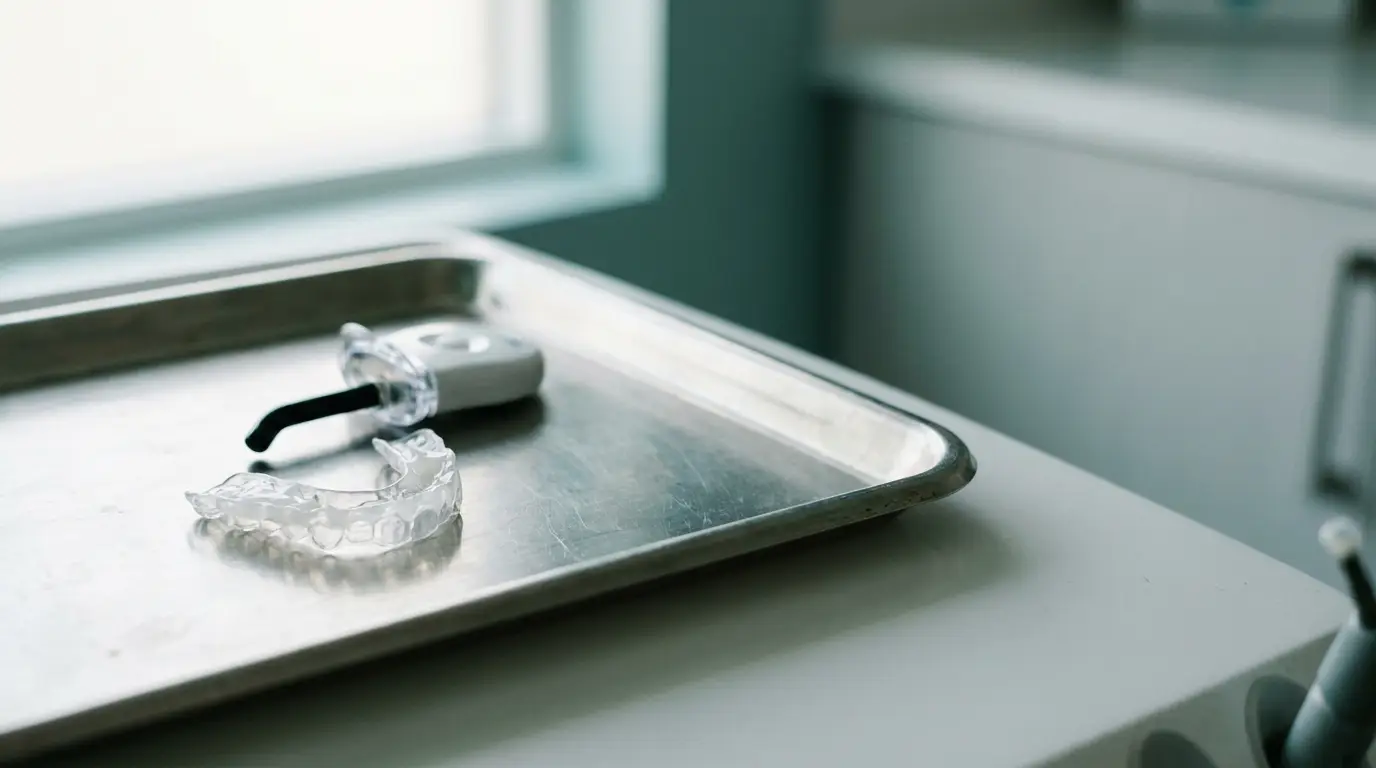
For individuals seeking more noticeable and reliable results, professional whitening treatments remain the most effective option. These procedures are designed to penetrate deeper stains and deliver consistent outcomes under controlled conditions.
Clinically supervised treatments use safe concentrations of whitening agents and are tailored to individual needs, reducing the risk of damage or uneven results. This level of precision is particularly important for individuals with sensitive teeth or existing dental conditions.
In recent years, destinations offering cosmetic dental services, such as teeth whitening, have gained attention, especially for combining affordability with advanced care.
Safety Considerations and Informed Choices
While the desire for whiter teeth is understandable, safety should always remain a priority. The World Health Organization emphasizes the importance of proper oral care and professional consultation when undergoing cosmetic dental procedures. Choosing the right method involves understanding one’s dental health, sensitivity levels, and long-term goals.
Consumers should be cautious of exaggerated claims, particularly in the realm of DIY treatments. Not all “natural” solutions are inherently safe, and some may cause more harm than benefit if used incorrectly. Consulting with dental professionals ensures that whitening methods align with individual needs and health standards.
Endnote
The journey toward a brighter smile is deeply connected to broader wellness goals. While natural remedies offer accessible entry points, professional treatments provide more reliable and lasting outcomes. Understanding the strengths and limitations of each approach allows individuals to make informed decisions that prioritize both aesthetics and health.