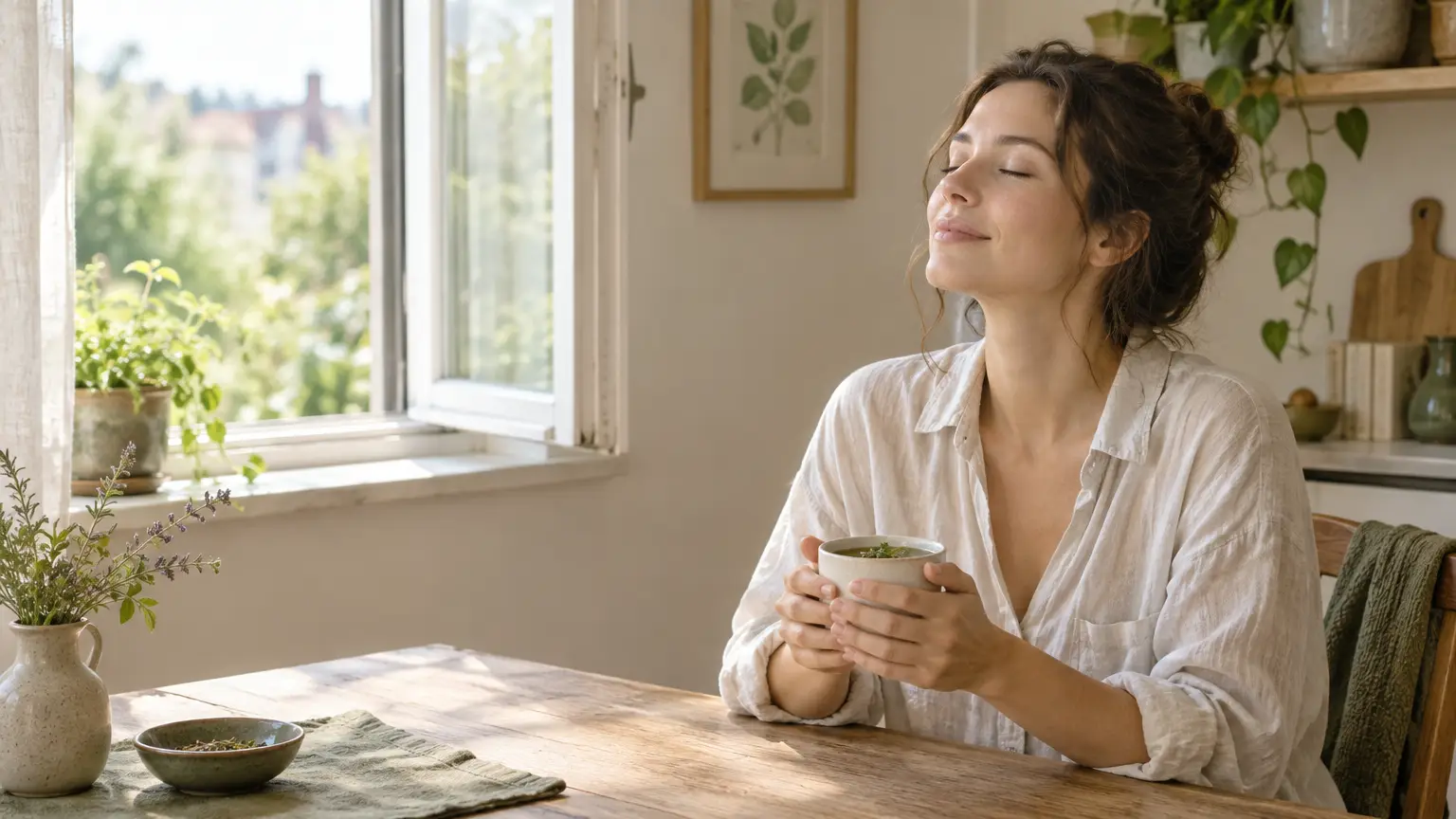
Feeling Frazzled? Try These Quick & Natural Ways to Take the Edge Off Stress

Stress does not always arrive as a dramatic meltdown. It can look like tense shoulders at your desk, an inability to stop thinking about tomorrow, irritability over minor inconveniences or the distinctly unhelpful decision to replay a conversation from three days ago while trying to fall asleep. Anxiety can be equally disruptive, especially when the mind and body seem stuck in high gear.
Natural stress relief does not mean pretending a walk or cup of tea can solve every mental health concern. Persistent or severe anxiety may warrant professional support. For everyday stress, however, simple habits can make it easier to regulate tension, redirect attention and create genuine breaks in an overloaded day.
Move Without Making It Work
Physical activity can provide an outlet when stress leaves you restless, tense or mentally stuck. It also does not need to become another performance goal. A brisk walk around the neighborhood, an easy bike ride, stretching in the living room or gardening can get the body moving without adding another obligation to your schedule.
Try matching the activity to your current energy rather than forcing a predetermined workout. Someone feeling agitated may appreciate a faster walk or strength session, while gentle stretching might feel better after a draining day. Taking exercise outside adds a change of scenery and creates distance from screens, work and household demands.
Give Restless Hands a Job
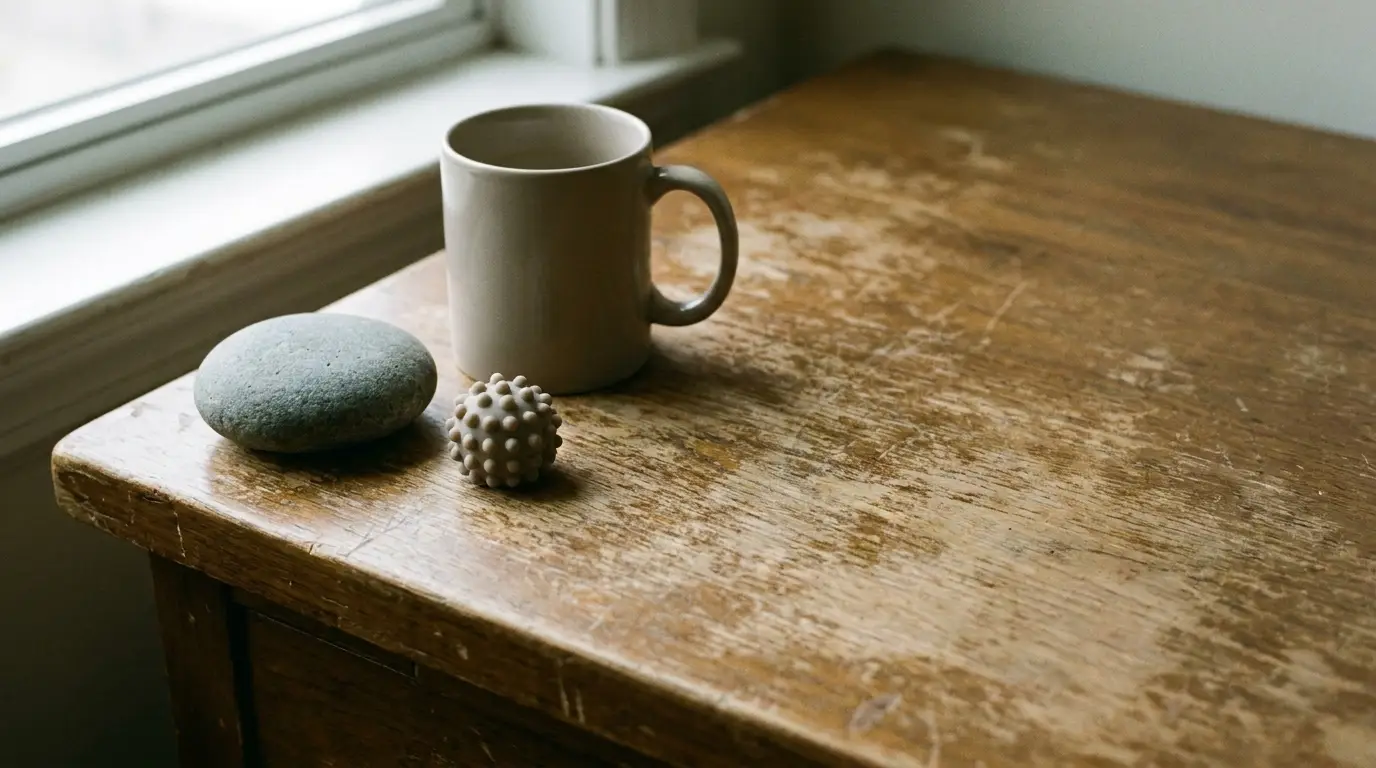
Stress often shows up physically before people consciously recognize it. You might tap your foot during a meeting, pick at your nails while reading email or repeatedly reach for your phone without any particular reason to check it. Giving that restless energy somewhere harmless to go can make sitting through stressful situations feel more manageable.
A silent fidget toy can be useful at a desk, during virtual meetings, while traveling or anywhere you want tactile stimulation without distracting everyone within earshot. Other options include squeezing a stress ball, doodling during a phone call or keeping a smooth stone or similarly textured object nearby.
These tools are not intended to eliminate the source of anxiety. Instead, they can offer a simple physical outlet while you deal with whatever is causing the tension. Pairing one with slower breathing can also give your attention something concrete to return to when thoughts begin racing.
Make Breathing More Intentional
Breathing exercises are appealing because they require no equipment, subscription or special location. The challenge is remembering to use them before stress has already taken over the afternoon.
One straightforward approach is to deliberately slow the breath and make the exhale longer and more relaxed. Avoid turning it into a competition to take enormous breaths or hold your breath for uncomfortable periods. The goal is comfortable, controlled breathing rather than forcing a particular technique.
It can help to connect the practice to an existing habit. Spend a minute breathing slowly after sitting in your parked car before walking into work, before opening your laptop in the morning or after getting into bed. That makes the exercise part of a routine instead of another task you are supposed to remember during a stressful moment.
Slow Down Around Food
Stress can change the way people eat. Some lose their appetite, while others find themselves standing in front of an open refrigerator without remembering exactly what brought them there. Busy schedules can also turn meals into background activities performed while answering emails, watching television or scrolling on a phone.
Practicing mindful eating can create a natural pause in the day. Sit down when possible, put distractions aside and pay attention to the taste, texture and temperature of the food. Eating more deliberately also gives you an opportunity to notice hunger and fullness rather than operating entirely on autopilot.
Regular meals matter for another practical reason. Going long stretches without eating may leave some people feeling tired, irritable or distracted, sensations that can make an already stressful day harder to navigate. There is no need to turn every meal into a wellness ritual. Sometimes the useful change is simply eating lunch at the table instead of over the keyboard.
Protect Your Mental Downtime
Being technically off work is not the same as mentally disengaging from it. If notifications, news, group chats and social media occupy every spare minute, the brain gets very few periods without new information demanding attention.
Create small boundaries around the parts of the day you can control. Put your phone in another room while taking a bath, silence nonessential notifications during dinner or establish a point in the evening when work email stops getting checked. Reading, listening to music, doing a puzzle, working on a hobby or spending time outside can fill that space without introducing another endless feed.
Sleep deserves protection as well. A consistent wind-down routine, comfortable bedroom and reduced stimulation before bed can make evenings feel less chaotic. If worries reliably appear the moment your head reaches the pillow, writing tomorrow’s tasks or concerns down beforehand may help you stop mentally rehearsing them.
Natural stress relief works best when it becomes part of ordinary life rather than an emergency response reserved for terrible days. Small changes in movement, attention, food, breathing and downtime cannot remove every source of anxiety, but they can give adults healthier ways to respond when life starts feeling like a bit too much.