
Essential Winter Home Safety Checklist for Insurance Readiness

The air turns sharp. The wind feels louder. Your home, once warm and quiet, now faces a new kind of test. Winter is not just about cozy nights and hot drinks. It brings risks that can catch any homeowner off guard. Frozen pipes, weak roofs, and faulty heaters can turn small issues into big trouble.
This is why preparing your home matters more than ever. It is not only about comfort. It is about winter home safety. It is also about being ready if you ever need to file an insurance claim. A well-prepared home makes the process smoother and less stressful.
Keep reading, this guide will walk you through what to check, fix, and prepare before winter takes full hold.
Why Winter Home Safety Matters for Insurance
Winter damage is one of the most common reasons people file insurance claims. Snow, ice, and cold weather can affect parts of your home that you may not always think about.
Insurance companies often look at how well a home was maintained before damage happened. If your home shows signs of neglect, it may affect your claim. This means simple steps now can save you time, money, and stress later.
Being ready also helps you avoid emergencies. It is always better to prevent damage than to deal with repairs in the middle of a storm.
Checking Your Roof Before the Snow Falls
Your roof is your first line of defense. It takes the full impact of snow, rain, and ice.
Look for missing or damaged shingles. Even small gaps can let water in. When snow melts and refreezes, it can create ice dams. These can push water under your roof and into your home.
Clear out leaves and debris from your roof and gutters. This helps water flow properly. If water gets trapped, it can freeze and cause cracks or leaks.
Protecting Pipes from Freezing
Frozen pipes are a common winter problem. When water freezes, it expands. This can cause pipes to burst and flood your home.
Start by insulating exposed pipes. Focus on areas like basements, attics, and garages. These spaces tend to get colder than the rest of the house.
Letting a small stream of water run during very cold nights can help prevent freezing. Opening cabinet doors under sinks can also allow warm air to circulate.
Heating Systems Need Attention Too
Your heating system works harder during winter. If it fails, it can leave your home cold and unsafe.
Have your heater checked before the season starts. A professional inspection can catch problems early. Clean or replace filters to keep the system running well.
If you use space heaters, place them safely away from curtains, furniture, and anything that can catch fire. Always turn them off when not in use.
Sealing Windows and Doors
Cold air can slip into your home through small gaps. This makes your heating system work harder and increases energy costs.
Check for drafts around windows and doors. Use weather stripping or sealant to close any gaps. Thick curtains can also help keep warmth inside.
Keeping your home sealed protects your comfort and reduces strain on your heating system. This can also lower the chance of system failure.
Preparing Your Plumbing and Water Systems
Outdoor faucets and hoses should be drained and disconnected before freezing weather begins. Leaving water inside can lead to frozen pipes and damage. If you have a sprinkler system, make sure it is properly shut down. Water left inside can freeze and break the lines.
Inside your home, check for leaks or weak spots in your plumbing. Fixing these early can prevent bigger issues when temperatures drop.
Fire Safety During the Cold Season
Winter increases the risk of house fires. More people use heaters, fireplaces, and cooking appliances. Make sure your smoke detectors are working. Replace batteries if needed. Test them regularly to ensure they can alert you in case of danger.
If you use a fireplace, have the chimney cleaned. Built-up soot can cause fires. Keep a fire extinguisher in an easy-to-reach place.
Keeping Walkways Safe and Clear
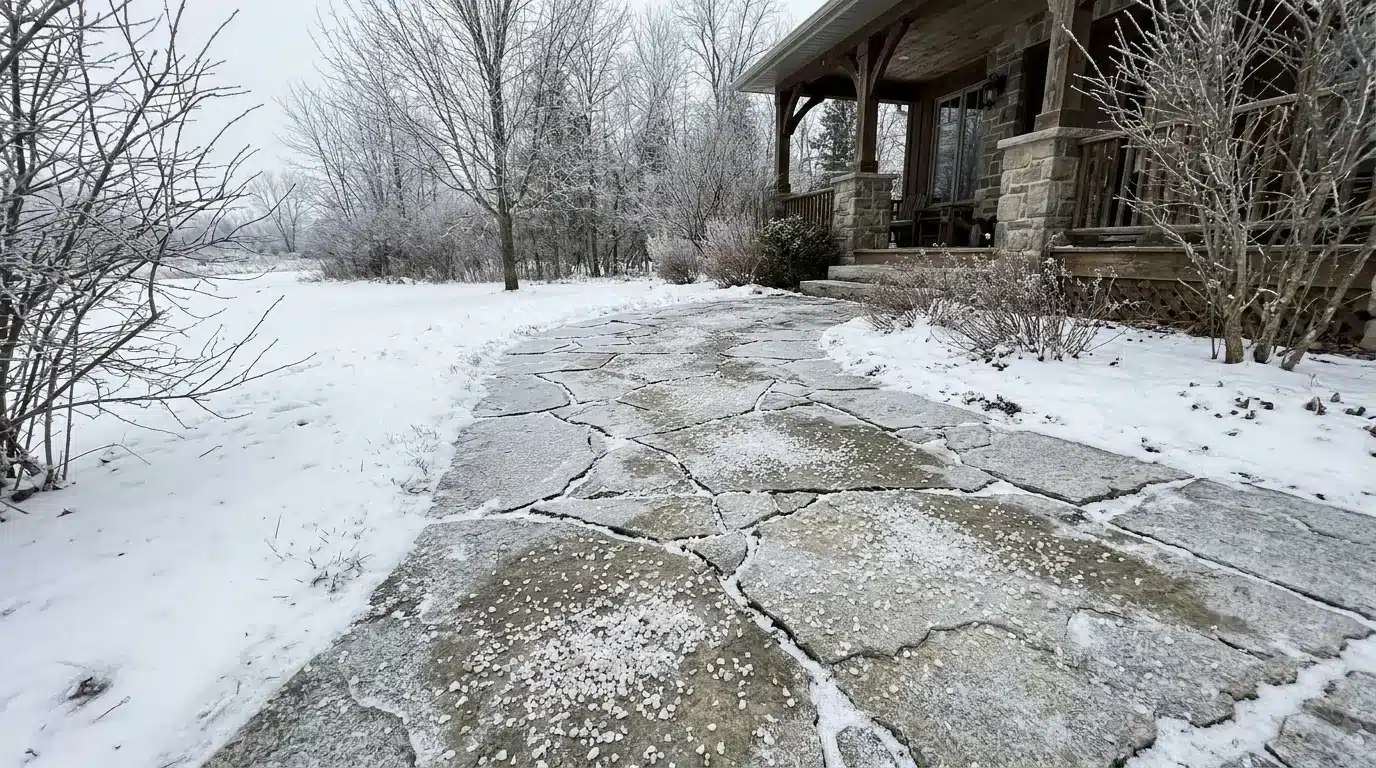
Snow and ice can make walkways slippery. This can lead to falls and injuries. Keep paths, driveways, and stairs clear. Use salt or sand to reduce ice buildup. Good lighting can also help prevent accidents.
If someone gets hurt on your property, it may lead to liability issues. Keeping your outdoor areas safe helps reduce this risk.
Documenting Your Home for Insurance
Before winter begins, take time to document your home. Photos and videos of your property and belongings can be very helpful.
If damage happens, this record can support your insurance claim. It shows the condition of your home before the incident.
Store these files in a safe place, such as cloud storage. This ensures you can access them anytime.
Emergency Supplies You Should Have Ready
Winter storms can cause power outages and limit access to supplies. Being prepared helps you stay safe during these times.
Keep essentials like flashlights, batteries, blankets, and bottled water. Non-perishable food is also important.
Having a backup plan for heating and communication can give you peace of mind. Preparation helps you stay calm in unexpected situations.
Smart Maintenance That Pays Off
Regular home maintenance plays a big role in winter safety. Small repairs done early can prevent major damage later.
Many homeowners follow trusted advice, including winter home recovery tips from Erie, to guide their preparation. These insights often focus on prevention, quick response, and proper documentation.
A Season of Safety Starts with You
Winter does not have to be a season of worry. With the right steps, your home can stay safe, warm, and ready for anything.
Taking time to check your roof, protect your pipes, and maintain your heating system can prevent many common problems. Sealing your home, preparing your walkways, and keeping safety tools ready all add extra layers of protection.
Make Winter Your Strongest Season
Preparation is not just about avoiding trouble. It is about building confidence in your home. When you know everything is in place, you can enjoy the season without fear.
Think of your home as a shelter that depends on your care. Each step you take today adds strength for tomorrow.
So before the cold sets in, take action. Walk through your home, check every detail, and make the changes needed.
Winter home safety is not built in one day, but it starts with one decision. Make that decision now, and let this winter be your most secure one yet.
For more on this content, visit the rest of our blog!