Can One Mini Split Cool an Entire House?

The short answer is sometimes, but usually not. One mini split AC can cool an entire house only if the home is relatively small, has an open floor plan, and allows air to circulate freely. In most American homes with multiple bedrooms, hallways, or more than one floor, a single indoor unit cannot distribute cool air evenly throughout the house. In these cases, a multi-zone mini split or multiple indoor units provide much better comfort and efficiency.
Key Takeaways
- A single mini split can cool an entire home if it is under about 1,000–1,200 sq. ft. with an open layout.
- Homes with multiple bedrooms or two stories typically need multiple indoor units.
- Closing doors and long hallways reduce airflow, creating uneven temperatures.
- Choosing the correct BTU capacity is just as important as the number of indoor units.
- A multi-zone mini split offers the best balance of whole-home comfort and energy efficiency.
Can One Mini Split Cool an Entire House?
Yes, but only under the right conditions. Unlike central air conditioning, a mini split does not use ductwork to deliver cooled air throughout the house. Instead, each indoor air handler cools the space directly around it. Because of this design, the cooling performance depends largely on how easily air can move from one room to another.
A single mini split works best when:
- The home has an open-concept floor plan.
- Most living spaces connect without doors.
- Ceilings are standard height.
- The total cooling area matches the unit’s rated coverage.
For example, a 12000 BTU mini split typically cools around 450–600 sq. ft., while an 18,000 BTU model generally covers 700–1,000 sq. ft. Under ideal conditions, a 24,000 BTU system may cool up to 1,500 sq. ft., although actual coverage depends on insulation, climate, and sun exposure.
If your home’s square footage exceeds the unit’s capacity, the system will run longer, use more electricity, and struggle to maintain a comfortable indoor temperature.
What Determines Whether One Mini Split Is Enough?

Several factors influence whether one indoor unit can cool your entire home.
Home Size
Square footage is the first thing to consider. Larger homes require more cooling capacity, and no amount of airflow can fully compensate for an undersized unit.
|
Home Size |
Can One Mini Split Work? |
|---|---|
|
Up to 600 sq. ft. |
Usually yes |
|
600–1,000 sq. ft. |
Often yes if open layout |
|
1,000–1,500 sq. ft. |
Sometimes with a large unit and open floor plan |
|
Over 1,500 sq. ft. |
Usually no |
Floor Plan
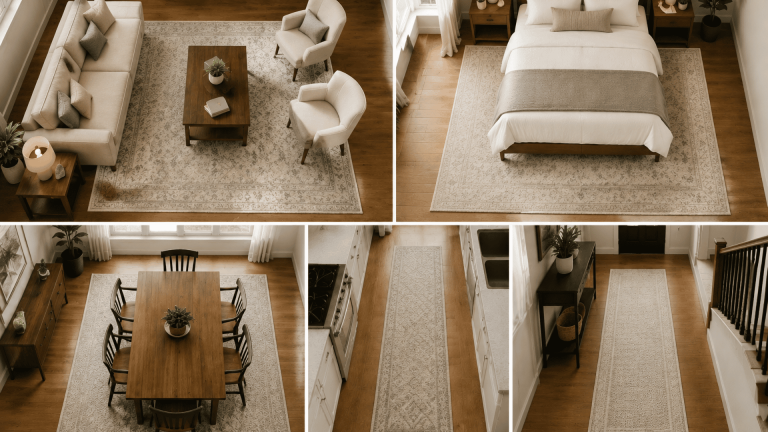
An open-concept living area allows cool air to travel much farther than a traditional floor plan with multiple enclosed rooms.
Large living rooms connected to kitchens and dining areas cool much more evenly than homes divided by hallways, doors, and separate bedrooms.
Number of Floors
Cool air naturally settles toward lower levels. In two-story homes, an indoor unit installed downstairs rarely provides sufficient cooling upstairs.
If your home has multiple levels, installing separate indoor units on each floor usually delivers much better performance.
Climate
Homes in hot regions such as Arizona, Texas, Nevada, or Florida require more cooling than similar homes in northern states.
Higher outdoor temperatures increase the workload on the system, reducing the practical area one mini split can cool.
Insulation
Well-insulated homes retain cool air much longer than older homes with poor insulation or drafty windows.
Good insulation often allows homeowners to cool a slightly larger area using the same mini split capacity.
Why Doesn’t Cool Air Reach Every Room?
Many homeowners assume leaving interior doors open will let one mini split cool the whole house. Unfortunately, airflow doesn’t work that way.
Mini splits are designed to circulate air primarily within the room where the indoor unit is installed. As air travels farther from the unit, it loses both velocity and cooling effectiveness.
Common obstacles include:
- Closed bedroom doors
- Narrow hallways
- Interior walls
- Staircases
- Furniture blocking airflow
As a result, rooms closest to the indoor unit may feel perfectly comfortable while bedrooms at the end of the hallway remain noticeably warmer.
When Is a Multi-Zone Mini Split a Better Choice?
If your home has several bedrooms or multiple living areas, a multi-zone mini split is usually the better solution.
Instead of relying on one indoor air handler, a multi-zone system connects several indoor units to a single outdoor condenser. Each indoor unit controls the temperature of its own room independently.
Benefits include:
- More even temperatures throughout the house
- Individual temperature control for each room
- Improved energy efficiency through zoned cooling
- Reduced hot and cold spots
- Greater comfort for different family members
Although installation costs are higher than a single-zone system, many homeowners save energy over time by cooling only the rooms they actually use.
Choosing the Right BTU Size
Even if one mini split could theoretically cool your home, selecting the correct capacity remains essential.
As a general guideline:
|
Mini Split Size |
Typical Coverage |
|---|---|
|
9,000 BTU |
300–450 sq. ft. |
|
12,000 BTU |
450–600 sq. ft. |
|
18,000 BTU |
700–1,000 sq. ft. |
|
24,000 BTU |
1,000–1,500 sq. ft. |
|
36,000 BTU |
Up to 2,000 sq. ft. (open layouts) |
Keep in mind that these figures are estimates. Ceiling height, insulation, windows, occupancy, and local climate all affect actual cooling performance.
For the most accurate sizing, HVAC professionals use a Manual J load calculation instead of relying on square footage alone.
Mini Split Options for Different Homes
Costway offers mini split systems suitable for a variety of home sizes.
- 9,000 BTU models are ideal for bedrooms, home offices, and small apartments.
- 12,000 BTU systems work well for living rooms, studios, and spaces up to around 600 sq. ft.
- 18,000 BTU units are suitable for large living areas or open-concept homes.
- 24,000 BTU models provide powerful cooling for expansive open spaces and can serve larger homes when paired with favorable layouts.
For homes with multiple bedrooms, installing more than one indoor unit generally delivers better comfort than trying to cool the entire house with a single large system.
Conclusion
A single mini split can cool an entire house, but only when the home is relatively small, open, and well insulated. Most traditional American homes have separate rooms, multiple floors, or layouts that prevent cool air from reaching every space evenly.
If your home is larger than about 1,200 square feet or has several bedrooms, a multi-zone mini split is usually the smarter investment. It provides more consistent temperatures, greater energy efficiency, and room-by-room comfort while avoiding the uneven cooling that often occurs with a single indoor unit.