Adventures in East Africa: Exploring Tanzania’s Coastline

Meta Title: Adventures in East Africa: Exploring Tanzania’s Coastline
Meta Description: Discover Tanzania’s coastline through ocean adventures, from Zanzibar’s history to Mafia Island’s marine life and Pemba’s beaches along the Swahili Coast.
Ocean Adventures in East Africa: A Relaxed Way to Explore Tanzania’s Coastline
The Indian Ocean stretches across Tanzania for 900 miles, which creates a unique travel experience because visitors to this African destination can discover its rhythms and heritage through their complete immersion into the local culture. The Swahili Coast region presents visitors with an opportunity to discover its cultural heritage, which has developed through many centuries, while they explore its marine ecosystems at a more relaxed pace. The coastal region of Tanzania presents a different experience to visitors than the inland safaris that define the country’s safari experience.
A Journey Through East Africa’s Hidden Eden
The islands of East Africa display their exceptional beauty through their coral reefs, hidden beaches, and rich natural environments that maintain their original beauty. The Seychelles and Zanzibar offer travelers a dual experience that combines comfortable amenities with opportunities for exploration.
The cruises to Tanzania allow travellers to enjoy the archipelago’s vast nature, which serves as the home of the world’s largest giant tortoise population, and lead to various activities, including kayaking through tidal channels, diving at vibrant reef systems, and walking through Vallée de Mai’s ancient forest. The Tanzanian experience leads visitors to explore traditional culture through the historic trade routes and spice heritage and Swahili Coast history, which together create an island experience that seamlessly connects natural areas with historical sites and ocean views.
Marine Life and Coral Ecosystems
The coastal waters of Tanzania contain the most diverse marine ecosystems found throughout East Africa. The shoreline is bordered by coral reefs. They create a habitat for various marine species, including:
- Turtles
- Rays
- Reef fish
- Whale sharks
The Mafia Island is central to this marine experience. The area provides excellent snorkeling and diving opportunities because it lies within a protected marine park. The waters near Kilindoni become a gathering point for whale sharks between October and March because these animals constitute the largest fish in the ocean and attract responsible marine tourism.
The conservation work that occurs underwater holds equal value to its environmental efforts. Visitors to Jumeirah Thanda Island, which exists inside Shungimbili Island Marine Reserve, can take part in coral restoration activities. The interactive activities that include coral fragment planting in underwater nurseries demonstrate how delicate reef systems work while helping to restore those systems.
The combination of exploration activities with conservation efforts forms the foundation for Tanzania’s entire coastal tourism industry. The process involves not only watching marine animals but also realizing how oceans depend on their sustaining ecological systems.
Exploring by Sea: A More Relaxed Approach
The coastal exploration of Tanzania reaches its highest point through its current speed of travel. Coastal boat travel provides more flexibility than train-based travel because it allows people to choose their own travel paths.
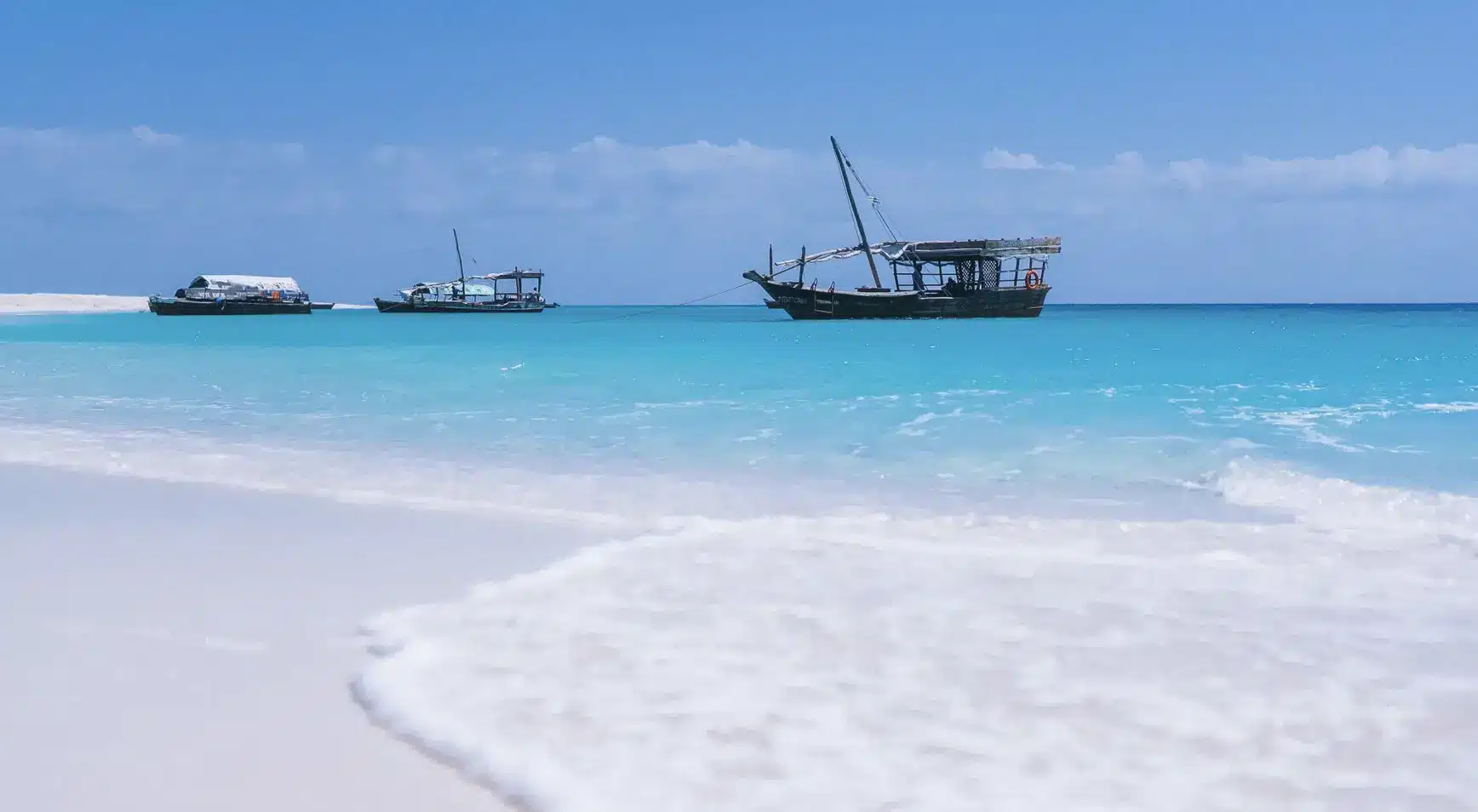
Traditional dhows, which merchants used for trade, now serve as a more leisurely travel method that provides visitors with complete cultural immersion. The boat design uses basic elements to produce wind-powered technology that reflects the area’s traditional maritime design.
Modern small-boat excursions build on this tradition of minimal environmental impact while providing comfortable travel experiences. The travel method permits people to create flexible travel plans. The daily route depends on three sea conditions that include wind directions, tidal movements, and sea visibility.
One reef has less visibility than another reef, which provides better visibility conditions. There always exists a peaceful beach option for visitors to choose when the main beach becomes full. The system allows visitors to experience multiple activities while creating less environmental damage because it enables better visitor distribution throughout various locations.
A Coastline Shaped by Culture and Ocean
The Indian Ocean trade, which lasted for many centuries, started to shape Tanzania’s coastal identity through its interaction with different cultures that created the Swahili culture through their architectural, linguistic, culinary, and daily life traditions. The historical center of Zanzibar displays its cultural heritage, which most prominently shows through its Stone Town district.
Conservation and Responsible Tourism
The Tanzanian coastline serves as a stunning natural area and functions as a dedicated conservation zone. Multiple marine parks and protected reserves, together with community initiatives, work to safeguard biodiversity and enable local communities to sustain their livelihoods. The Mafia Island and Pemba Channel programs concentrate on two objectives: protecting endangered species and preserving healthy reef ecosystems. The initiative works towards its goals through three main activities, which include coral restoration, sustainable fishing methods, and environmental education programs.
Most travel experiences provide eco-friendly design because the industry has established sustainable development as an essential requirement. The conservation system uses snorkeling guidelines and wildlife interaction protocols and conservation fees to fund ongoing protection initiatives.
A Different Perspective on East Africa
The coastline of Tanzania provides visitors with a different experience from the country’s well-known inland natural wonders. The location offers a peaceful atmosphere that lacks formal organization and enables visitors to ponder. The experience moves away from land-based wildlife encounters, which create intense moments, to include constant animal discovery through three activities involving observing marine creatures in their natural habitats, exploring ancient trade routes, and experiencing the ocean’s natural flow.
The definition of this travel experience exists through two elements that include observing and active participation, and through staying at the location and moving at a slow pace. The system provides advantages to people who choose to take their time because they want to see all the parts of their surroundings and all the cultural elements that exist in that space.
The Value of Slowing Down
The process of exploring Tanzania’s coastline requires people to travel through its waters because they need to experience every point that connects the reef, the island, the village, and the current. The historic streets of Zanzibar and Pemba’s quiet beaches and Mafia Island’s marine biodiversity together create a comprehensive understanding of the Swahili Coast. The boat journey between destinations creates continuous travel, which connects separate experiences into a complete trip.
Tanzania’s coast provides an alternative experience, contrasting with modern travel practices because it shows that valuable experiences develop through time as natural forces move forward.