
How to Spot Critters, Cracks, and Leaks Before They Damage Your Home

Owning a home means accepting that something will eventually need attention. A dripping faucet, strange smell, small crack, or damaged vent can seem harmless when it first appears, especially when there are more immediate expenses competing for your attention.
The problem is that some home issues become considerably more expensive when they are left unresolved. Good maintenance is therefore about recognizing changes early enough to understand what they mean. Catching a ceiling stain early means fixing a simple pipe leak today instead of replacing whole sheets of drywall tomorrow.
Once you learn what subtle warning signs to look out for, you can handle small fixes before they become expensive. In this article, we’ll look at the most common areas.
Spotting Termites and the Problems They Cause
Pest problems are easy to underestimate because the first signs can be surprisingly subtle. Termites provide a particularly good example because significant damage can occur before a homeowner realizes there is an infestation.
PR Newswire reports that only 58% of Americans were aware of the damage termites can cause to buildings. What’s more, 55% didn’t believe that termite prevention was more cost-effective than repairing termite damage. According to Jim Fredericks, senior vice president of public affairs, National Pest Management Association, by the time people notice things, a colony is well established.
According to attic maintenance professionals at Atticrawl, termites that feast on damp wood can gradually cause whole-house damage. This is why crawl space encapsulation is often the most effective and permanent solution. It prevents moisture and thereby also deters pests that are attracted to it.
The same principle applies to other warning signs. Small piles of discarded insect wings, unexplained holes, weakened or hollow-sounding wood, droppings, scratching noises, or nesting materials can all warrant investigation. You may not see an animal or insect when you look, but evidence of its activity can remain behind.
It is also worth asking why a pest problem appeared in the first place. Damaged wood, moisture, gaps around vents, deteriorating screens, and openings around the roofline can provide access or shelter. Fixing the underlying vulnerability can reduce the chance that the same problem returns after the immediate infestation has been dealt with.
Common Signs of Plumbing and Water-Related Issues
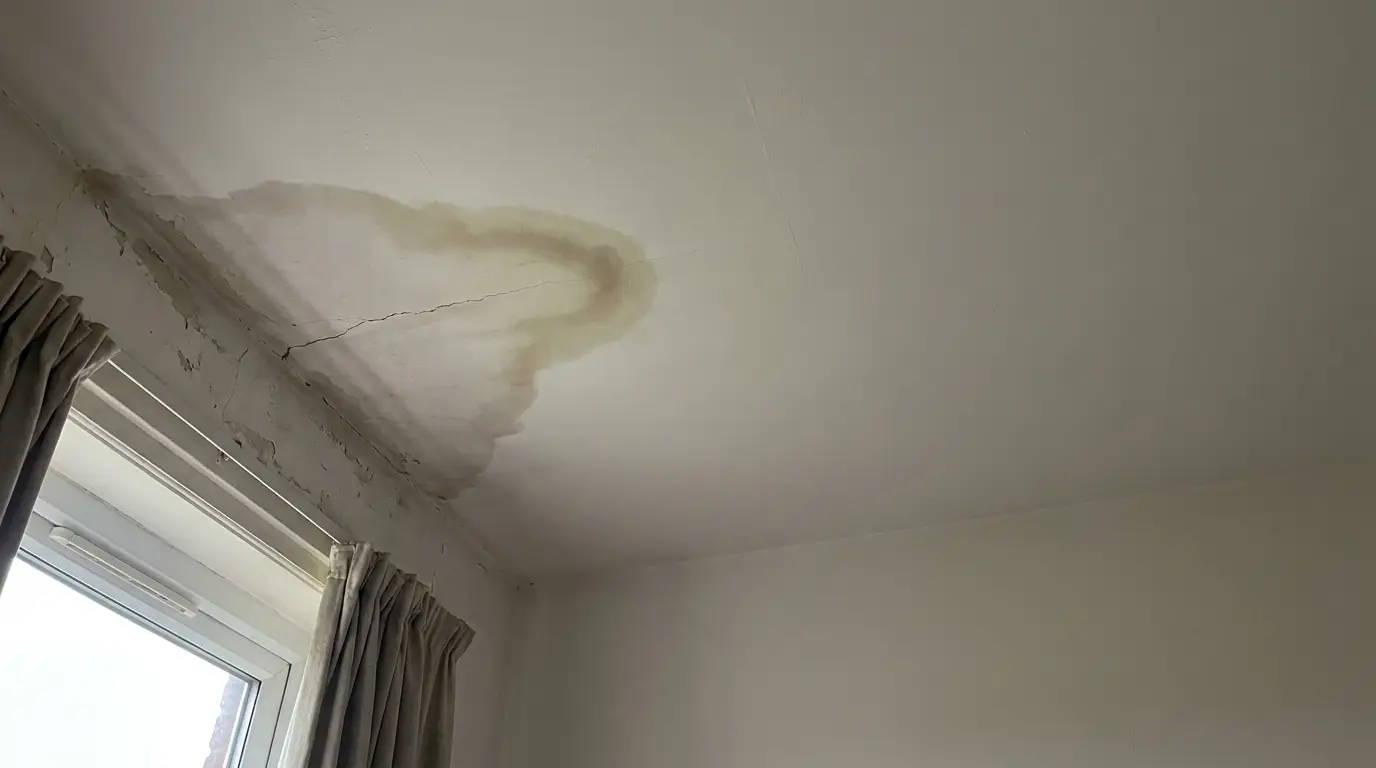
Water is one of the most important things to watch for because it can affect several parts of a home at the same time. A small leak may initially leave little more than a faint stain, but continued moisture can eventually damage flooring, wood, and other materials. It can also create conditions that encourage mold growth, making the original plumbing or roofing problem only part of the eventual repair.
If your home’s insulation becomes wet or deteriorated, it may no longer perform as effectively, which can affect both comfort and energy efficiency. The same attention should be given to how water moves around the outside of the property.
As Pearl Lemon Properties recommends, keep an eye on how your driveways and sidewalks look after rainfall. If you see discoloration, settled or uneven concrete, or repeated patching, it’s a clue that water has been collecting or flowing. If you notice these signs, you’ll likely need to take a closer look at gutters, downspouts, grading, and nearby foundations.
This is one reason why professionals always emphasize the importance of having a thorough property inspection checklist for first-time home buyers. Once you buy a home, you’re locked into the responsibility of good maintenance.
Holes and New Entry Ways After Long Vacations
A home can develop problems when it is occupied normally, but periods of vacancy deserve additional attention. If your home has been empty for a while during vacation, you’ll need to be careful. Many pests like to move into homes when they notice an absence of activity.
Look at what happened to one abandoned home in Kensington, PA, when raccoons took over it. Iseih Williams, a neighbor, observed that they aren’t scared. “They walk through the streets, their whole family, and then go climbing up to their house.”
For Williams, his concern is for kids living next door. “Raccoons smell new baby milk,” he explains. “They try to climb through the window, and you never know what might happen,” he adds.
If such wildlife has gained access to your property, raccoon removal services may be needed to prevent property damage. After a vacation or move, always check vents, soffits, roof openings, crawl spaces, screens, and other potential entry points for evidence of nesting or intrusion. If large rodents have entered, you will see chewed holes and new gaps.
Your household bills can provide another useful warning system. An unexpected jump in your electric bill could point to damaged insulation or torn weather stripping. Those are classic calling cards of raccoons or other pests nesting where they shouldn’t.
There is also a financial reason to monitor these problems early. According to Investopedia, the general rule of thumb for home maintenance budgeting is to annually set aside 1% of the home’s value. Typically, most people’s budget for routine maintenance is about $1,750 and $978 for emergency situations.
This gives you enough budget to deal with issues when they’re small. However, if you were to leave them unresolved, the costs will likely be greater than your maintenance budget.
Frequently Asked Questions
1. How Do You Prioritize Home Repairs When You Have a Limited Budget?
Start with problems that could cause additional damage or create safety risks, such as leaks, electrical issues, structural concerns, or pest infestations. After that, handle repairs that could become more expensive over time. Cosmetic improvements can usually wait until the essentials are covered.
2. What Home Maintenance Should Be Done Every Year?
Annual maintenance should include checking the roof, gutters, plumbing, HVAC system, electrical components, windows, doors, and exterior drainage. It is also smart to inspect for pests, test smoke and carbon monoxide detectors, clean dryer vents, and look for signs of moisture or water damage.
3. How Often Should You Have Your Home Professionally Inspected?
For most homeowners, a professional inspection every few years can help identify problems that are easy to miss during routine checks. Older homes or properties with recurring moisture, structural, or pest concerns may benefit from more frequent inspections based on the home’s condition.
Key Numbers & Facts at a Glance
| Percentage of Americans aware of the damage termites can cause to buildings | 58% |
|---|---|
| Percentage of Americans who believe termite prevention is cost-effective | 55% |
| Recommended annual home maintenance budget | 1% of home value |
| Typical budget for routine home maintenance | $1,750 |
| Typical budget for emergency home repairs | $978 |
Property ownership works best when approached like preventive health care. You don’t just want to react when something breaks down, but to develop a basic familiarity with the house so subtle changes stand out immediately. If you hear a quiet ticking noise behind a wall or a sudden draft in a hallway, they’re rarely random glitches. They are valuable clues to check if your home needs attention.
Yes, setting aside a dedicated repair fund provides the financial cushion, but regular vigilance provides the timing. If you can treat routine inspections as a standard habit rather than a chore, small repairs stay manageable. They get fixed easily by local trade professionals, and the long-term value of the building stays intact.