The Best Real Grass Options for Yards That Don’t Get Much Sun

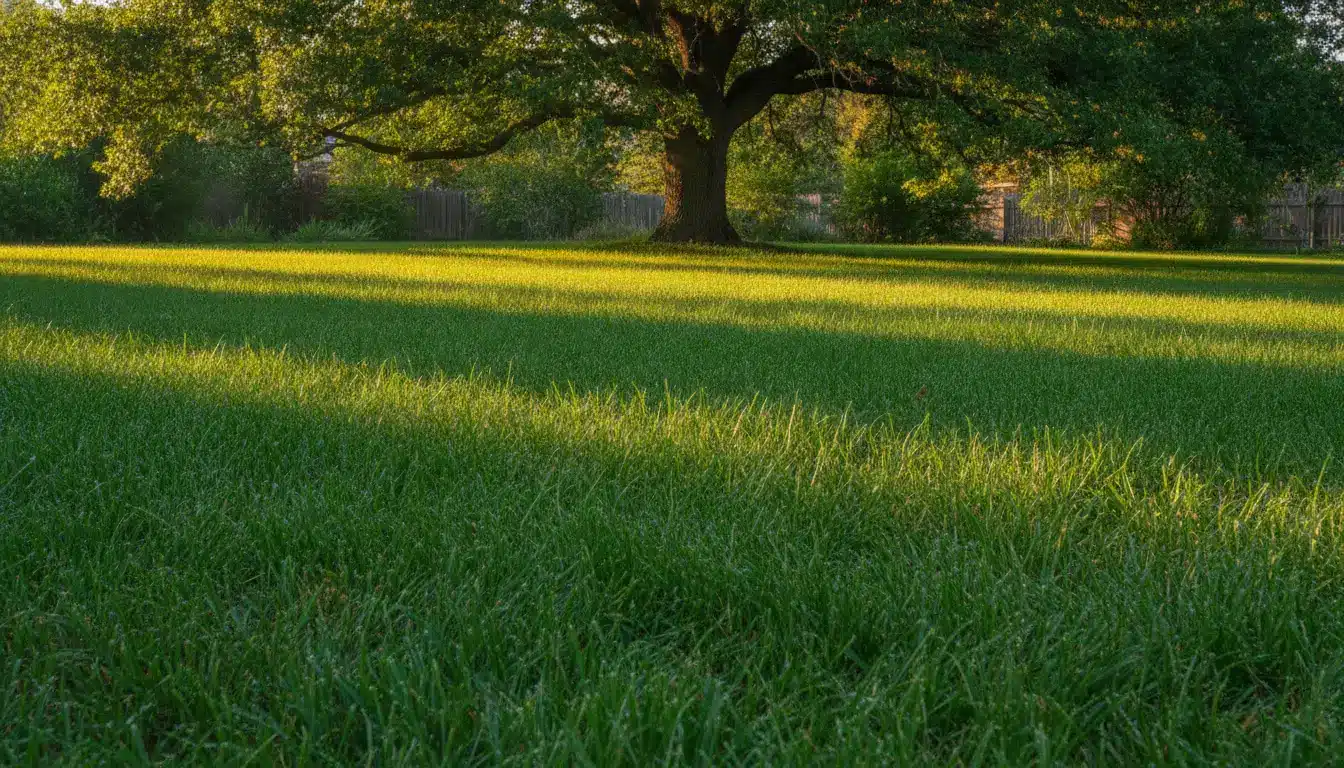
Ever stood in your backyard, coffee in hand, wondering why one patch of grass looks lush and green while another looks like it’s given up on life entirely? Chances are, that sad little patch isn’t getting enough sunlight.
Shade is one of those sneaky things. You don’t really think about it until you’re staring at bare, patchy soil under a big tree, scratching your head about what went wrong. And here’s the frustrating part: not all grass is built for low light. Some varieties need loads of sun to thrive, and if they don’t get it, they sulk. They thin out, go yellow, and eventually just fade away.
But don’t panic. There are real grass options that handle shade beautifully. Let’s talk about them.
Why Some Grass Struggles in the Shade
Grass, like most plants, uses sunlight to make food. That’s photosynthesis in a nutshell. Less sun means less energy, which means weaker growth. Simple enough.
The tricky bit is that shade comes in different flavours. There’s the light dappled shade under a thin tree, and then there’s the deep, all-day gloom on the south side of a house or fence. A lawn might cope fine with one but completely give up under the other.
So knowing how much shade you’re actually dealing with matters. Is it a few hours of filtered light? Or is that corner pretty much dark from sunrise to sunset? Be honest with yourself here, because it changes everything.
Buffalo Grass: The Shade-Loving Favourite
If there’s one grass that keeps popping up in conversations about shady yards, it’s buffalo. And for good reason.
Soft-leaf buffalo varieties handle low light better than most. They can get by on around three to four hours of direct sun a day, which is a lot less demanding than something like couch grass. That flexibility makes buffalo a go-to for people with trees, tall fences, or houses that cast long shadows.
One standout here is Sir Walter DNA Certified buffalo. It’s a soft-leaf variety that stays green through a lot of conditions, handles a bit of foot traffic, and doesn’t feel scratchy underfoot like some of the older buffalo types did. The team at All Year Round Turf works with this variety quite a bit, and it’s become a popular pick for Aussie backyards that don’t get baked in sun all day.
The nice thing? It looks good without needing constant babying. You still have to mow and water, obviously, but it forgives you a little more than the fussier grasses.
Zoysia: The Slow and Steady Option
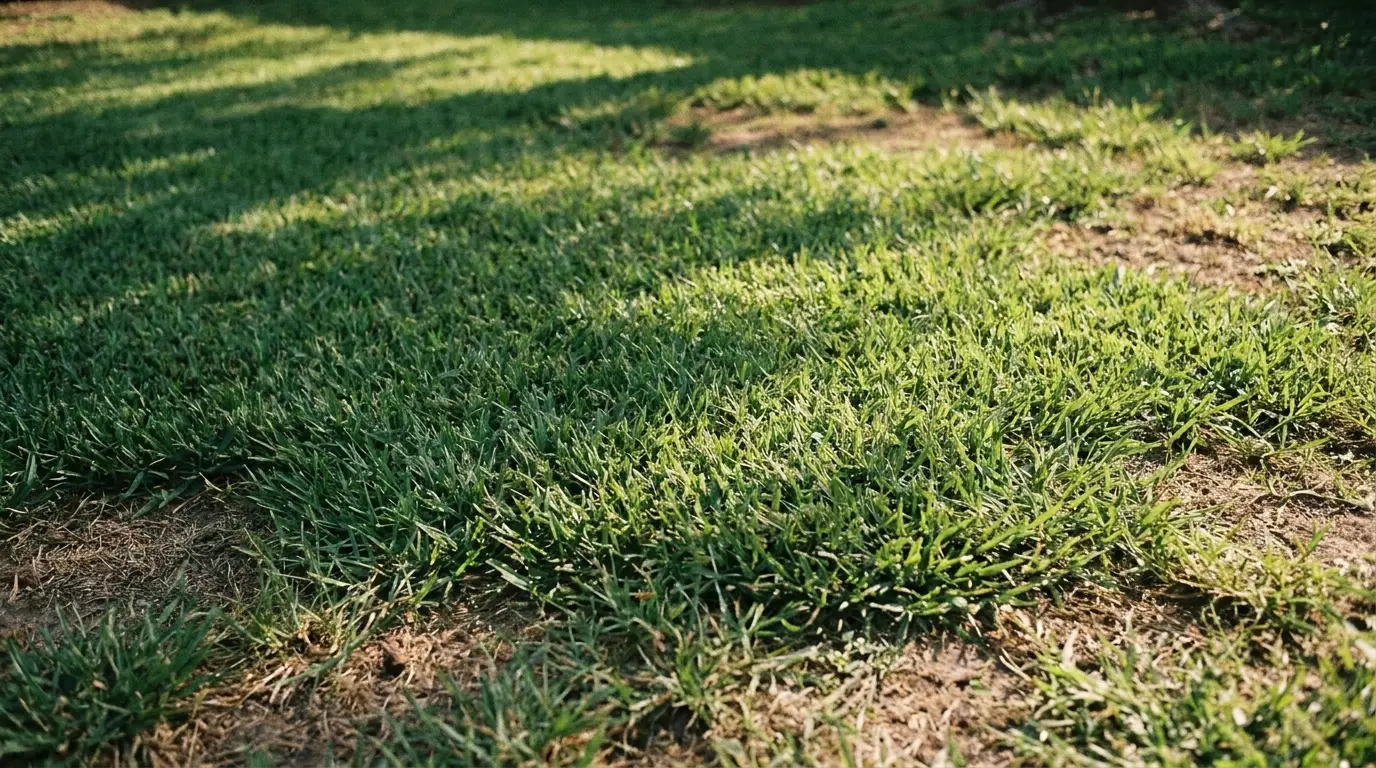
Zoysia is another one worth knowing about. It grows a bit slower than buffalo, which some people actually love because it means less mowing. Who’s complaining about that?
It tolerates moderate shade reasonably well, though it does prefer a decent chunk of sun if it can get it. In those spots that get a mix of sun and shade throughout the day, zoysia can look really tidy. It’s dense, so it crowds out weeds too, which is a bonus.
The downside? It can go a bit brown in cooler months and it’s slower to recover if it gets damaged. Something to keep in mind if the kids and the dog treat the yard like a football pitch.
A Quick Word on Fescue
Fescue grasses, particularly the tall fescue types, are another shade-tolerant choice worth a mention. They stay green through cooler weather and cope alright with less sun.
The catch is they tend to need more water and a bit more attention overall. In hotter, drier parts of the country, fescue can struggle. So it really depends where you live and how much effort you want to put in.
Picking What Actually Works for You
Here’s the thing. The “best” grass isn’t really a one-size-fits-all answer. It depends on your yard, your climate, how much shade you’re dealing with, and honestly, how much time you want to spend keeping it alive.
For most people juggling shade and a real life, soft-leaf buffalo like Sir Walter hits a sweet spot. It’s tough, it’s shade-friendly, and it doesn’t demand constant fussing.
But whatever you choose, get to know your yard first. Watch where the sun lands and where it doesn’t. Notice which corners stay dark and which get a bit of afternoon light. That little bit of observation saves you a whole lot of heartache down the track.
And that patchy corner you’ve been ignoring? It might just have a shot at being green after all.