Is Your Child Quietly Struggling? 5 Small Signs It Might Be Time for a Tutor

You know that feeling when something’s a little off, but you can’t quite put your finger on it?
Maybe your kid used to chatter about school. Now the answers come out in one-word grunts. Or their homework, which used to take twenty minutes, somehow stretches into a two-hour ordeal complete with dramatic sighs and mysterious trips to the fridge.
Here’s the thing. Kids rarely walk up and announce, “Hey, I’m falling behind in maths.” It just doesn’t happen. Instead, the signs sneak in through the side door, and by the time a parent notices, the gap has usually been growing for a while.
So let’s talk about what those quiet signals actually look like.
1. Homework Suddenly Feels Like a Battle
Picture this. It’s a Tuesday night, the dinner plates are barely cleared, and there’s already a standoff brewing over a worksheet.
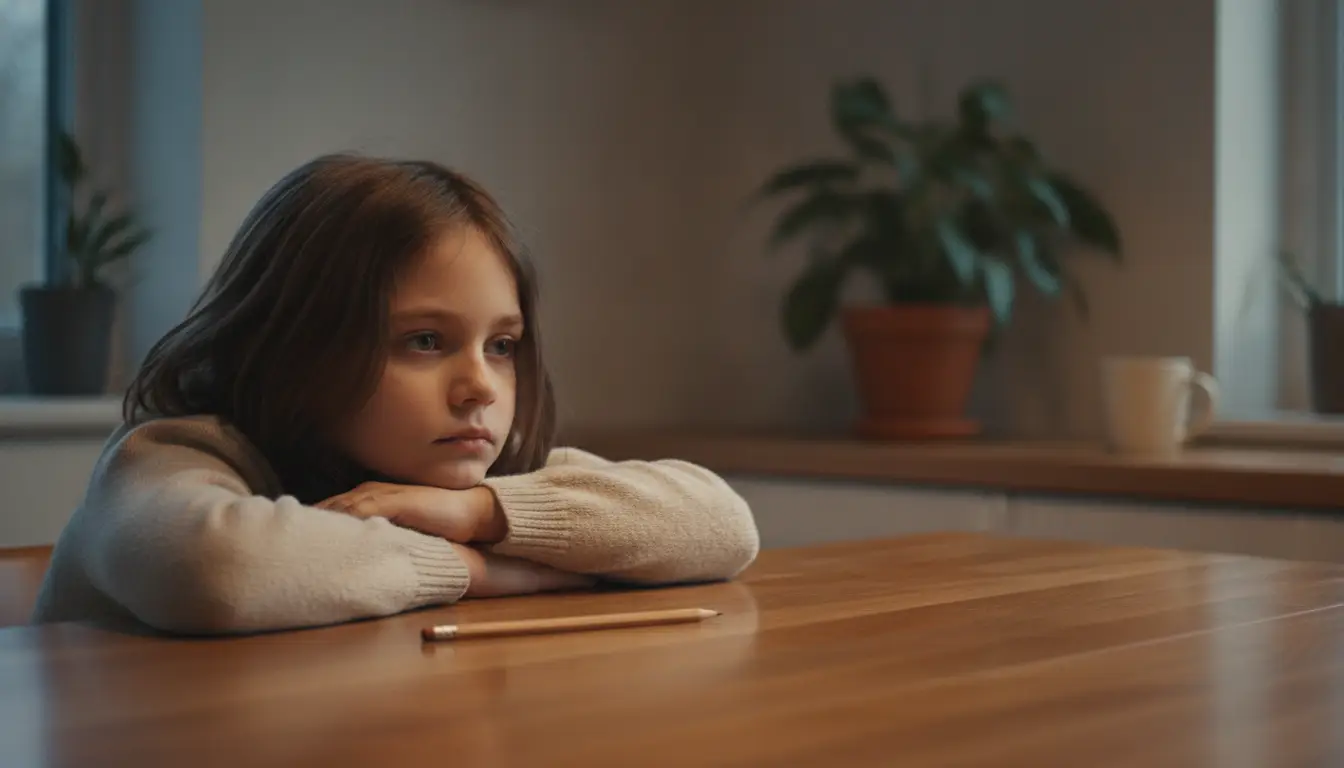
Ever noticed how a child who once got stuck into homework without much fuss starts avoiding it entirely? Procrastination is normal to a point, sure. Everyone would rather do almost anything than long division. But when avoidance turns into full-blown resistance, tears, or that classic “I’ll do it later” that never actually arrives, it’s often less about laziness and more about confusion.
The truth is, kids hate feeling stupid. So when the work feels too hard, dodging it starts to feel safer than facing it.
2. The Grades Are Slipping, but Only a Little
This one’s sneaky. A parent expects a dramatic drop, like an A tumbling to a D overnight. Real life is usually quieter than that.
More often it looks like a slow slide. A few more “almost” marks. A comment from the teacher that reads “needs to focus” for the third term in a row. Nothing alarming on its own, which is exactly why it’s easy to shrug off.
But small dips add up. And in subjects that build on themselves, like maths or writing, a shaky foundation this year can turn into genuine trouble next year.
3. Their Confidence Takes a Hit
Actually, this might be the biggest one of all.
Watch how your child talks about themselves. Phrases like “I’m just bad at science” or “I’ll never get this” are worth paying attention to. Kids are surprisingly good at deciding they’re rubbish at something and then quietly giving up on it.
The tricky part is that low confidence and low marks feed each other. A kid who believes they can’t do something usually stops trying, which makes the marks worse, which confirms the belief. Round and round it goes.
Breaking that loop early matters more than most people realise.
4. School Stress Is Spilling Into Everything Else

Turns out, academic struggles don’t stay neatly inside the classroom.
You might notice trouble sleeping. Or a shorter temper. Maybe your normally cheerful eleven-year-old has become weirdly clingy on Sunday nights, dreading the week ahead. Some kids get stomachaches that mysteriously vanish on weekends.
This part’s a bit tricky, because plenty of things can cause stress in kids. But if the tension seems tied to school and keeps popping up, it’s worth a gentle conversation. Sometimes the pressure is coming from a subject they’ve quietly lost the thread on.
5. They’ve Stopped Asking Questions
The other day someone pointed out that curious kids ask questions constantly. Why is the sky blue, why do we have to eat vegetables, why, why, why. It’s exhausting and kind of wonderful.
So when the questions dry up, especially around schoolwork, that can be telling. A child who’s given up asking often does so because they’ve decided they won’t understand the answer anyway. Or they’re embarrassed to admit they don’t get it.
Silence isn’t always golden. Sometimes it’s a signal.
So What Now?
Look, spotting one of these signs doesn’t mean panic stations. Kids have off weeks, off terms even. Growth spurts, friendship dramas, a boring teacher, they all play a part.
But when a few of these show up together and stick around, a bit of extra support can make a genuine difference. A good tutor does more than drill facts. They help rebuild that shaky confidence, fill the gaps quietly, and make a kid feel like they’re capable again. And honestly, that shift in belief is often what changes everything.
If you’re thinking it might be time to look into it, there are plenty of tutoring centre locations worth checking out to find something close to home.
The best time to step in is usually before things get overwhelming. So if your gut’s been nudging you, maybe give it a listen.