Best Plants for Beginners: 15 That Actually Survive

Quick Answer: The best plants for beginners handle missed watering, adapt to average indoor light, and recover from small mistakes. Pothos, snake plants, and ZZ plants top the list because they store water and grow in most room conditions without much input from you.
You brought a plant home. A week later, the leaves turned yellow. The soil stayed wet for days.
It happens to almost everyone, and it usually comes down to a mismatch between the plant and the room, not a lack of care.
The best plants for beginners share three things. They forgive missed watering. They handle average indoor light. And they give you time to learn.
This post covers them, grouped by care level, with honest notes on what goes wrong and why.
What Makes a Plant Good for Beginners?
The best beginner plants bounce back from mistakes. They do not need constant attention. And they give you visible signals when something is wrong.
Three things matter most before you choose a plant:
- Light in your room. This decides more than anything else. A low-light plant in a sunny south-facing window will burn. A sun-lover in a dark corner will slowly stop growing.
- How often you actually water. Some people check their plants daily. Others forget for two weeks. Pick a plant that fits your real habits, not your ideal ones.
- Available space. A rubber plant can reach the ceiling. A peperomia fits on a desk. Match the plant to the spot you have.
Popularity does not equal easy care. A plant can look great at the nursery and struggle for months in your home.
15 Best Plants for Beginners
Each plant below includes its light needs, watering routine, best placement, and difficulty level.
1. Pothos (Epipremnum aureum)
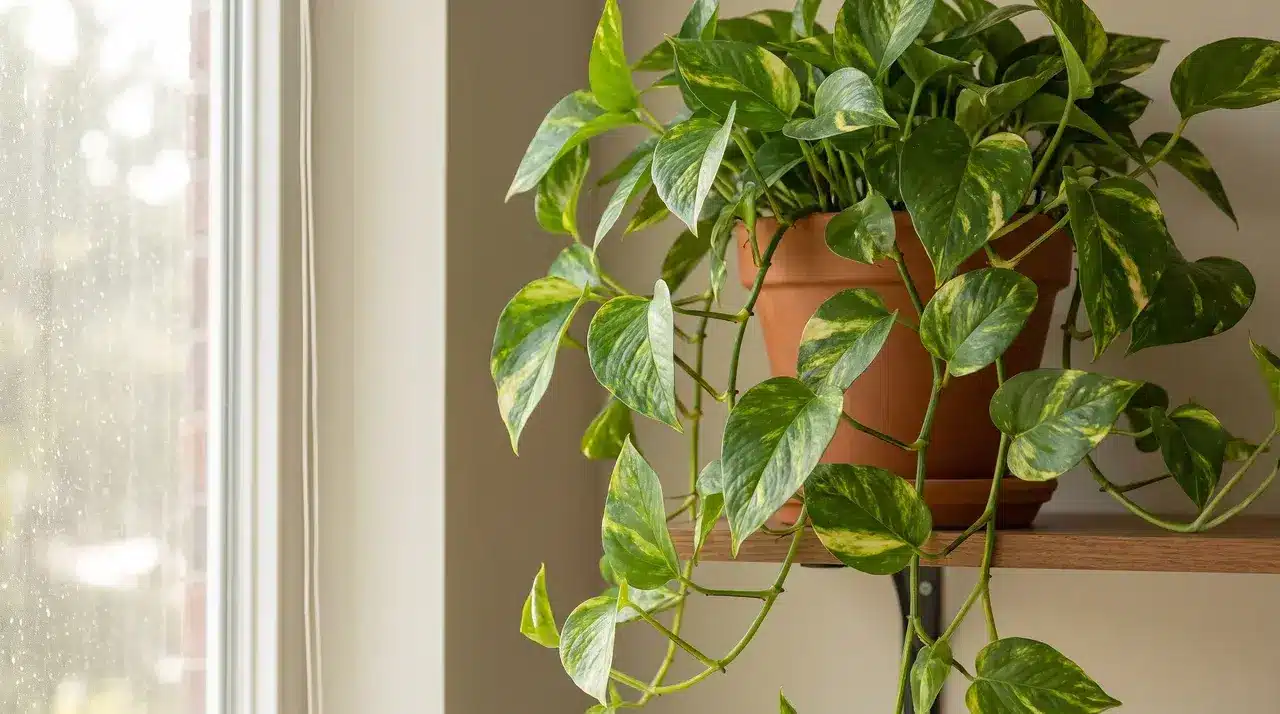
Pothos is the plant you reach for when you’re not sure what you’re doing yet. It trails, it climbs, and it grows fast enough to feel rewarding early on.
Miss a watering? It bounces back. Too dark a corner? It adjusts. Forget to repot for a year? It keeps going anyway. Propagating it takes nothing more than a cutting dropped in a glass of water.
Water only when the top inch of soil feels dry. Let it trail from a shelf or hang in a basket near any window that gets indirect light.
Watch out for: Yellow leaves almost always mean overwatering, not underwatering. If the leaves are yellowing, check the soil first.
2. Snake Plant (Dracaena trifasciata)
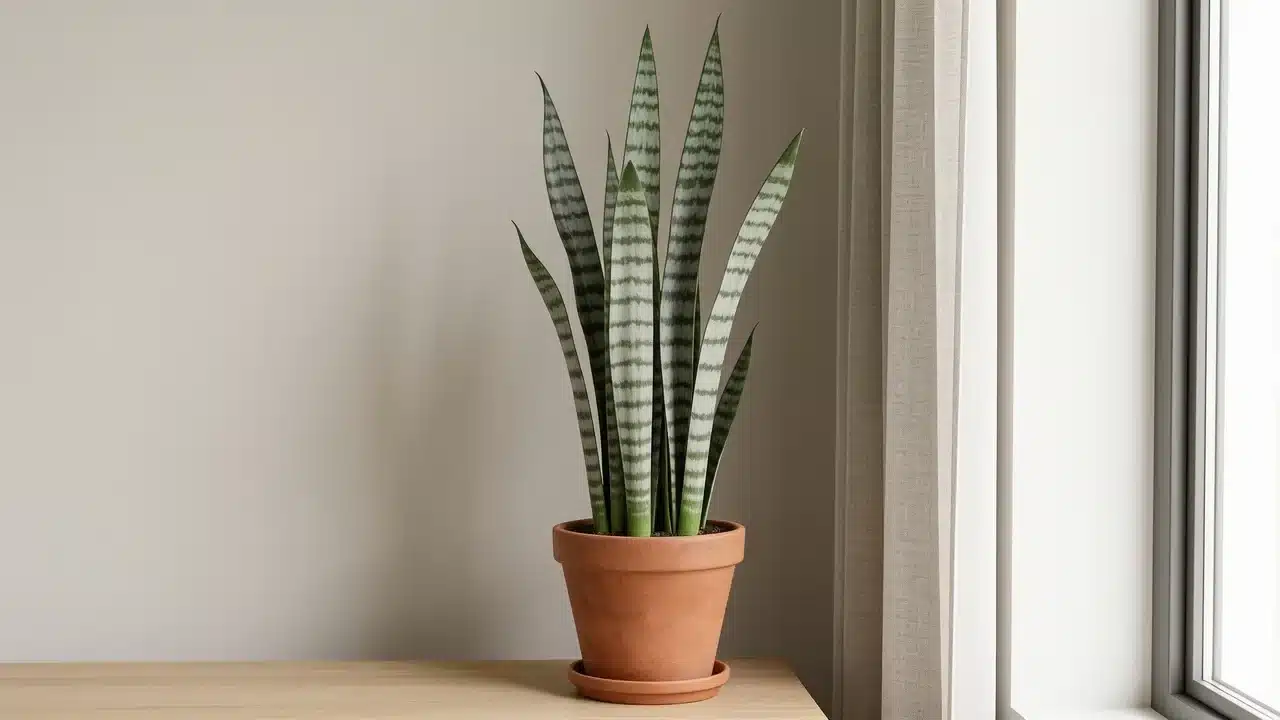
Snake plants store water in their thick, upright leaves. That stored moisture is what makes them so forgiving. You can skip two or three weeks of watering, and they will not complain.
They handle low light, average room temperatures, and dry indoor air, all conditions that stress other plants. Water every two to three weeks. Let the soil dry out completely between waterings.
Real talk: Overwatering is the one thing that kills a snake plant. When in doubt, wait another week. Snake plants placed in bedrooms work especially well because they can tolerate the drier, low-light conditions most bedrooms have.
3. ZZ Plant (Zamioculcas zamiifolia)
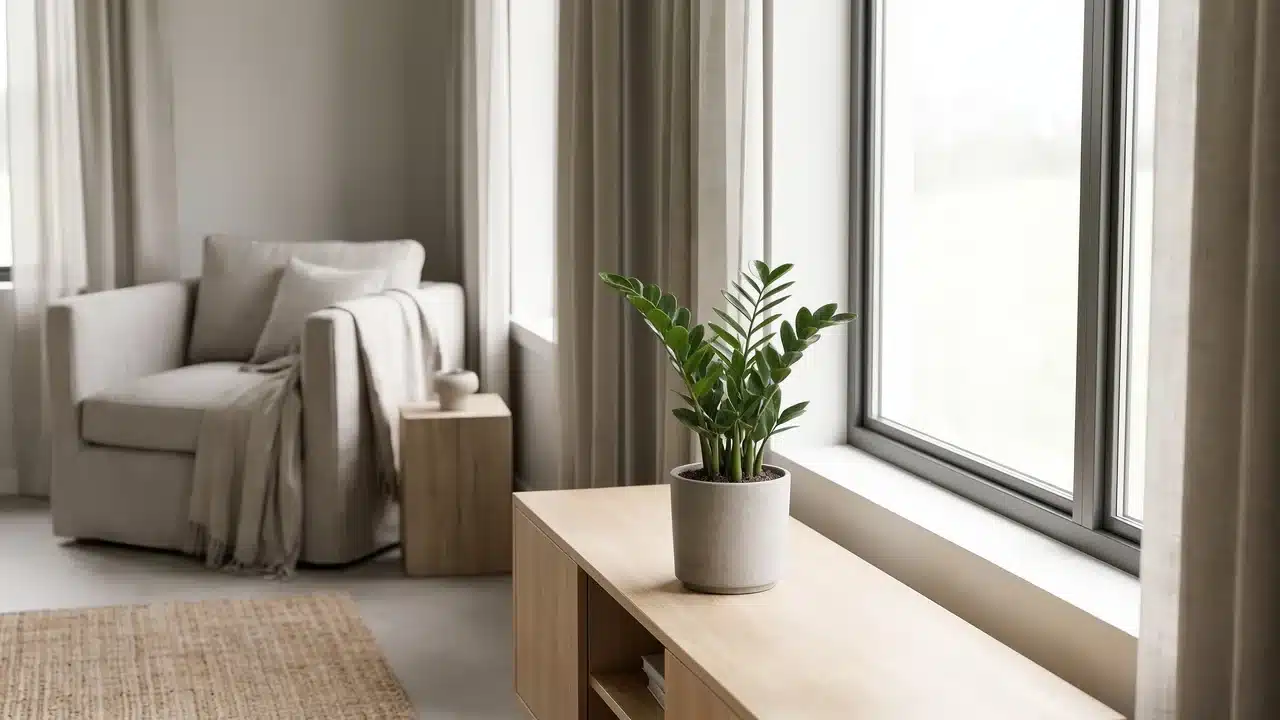
The ZZ plant grows quietly and asks for almost nothing. It stays glossy and green without much input, and its underground rhizomes store water for weeks. Water every two to three weeks. Low to bright indirect light all works fine.
Best for: Anyone who travels often or forgets to check on plants regularly. Offices and bedrooms are ideal placements.
4. Spider Plant (Chlorophytum comosum)
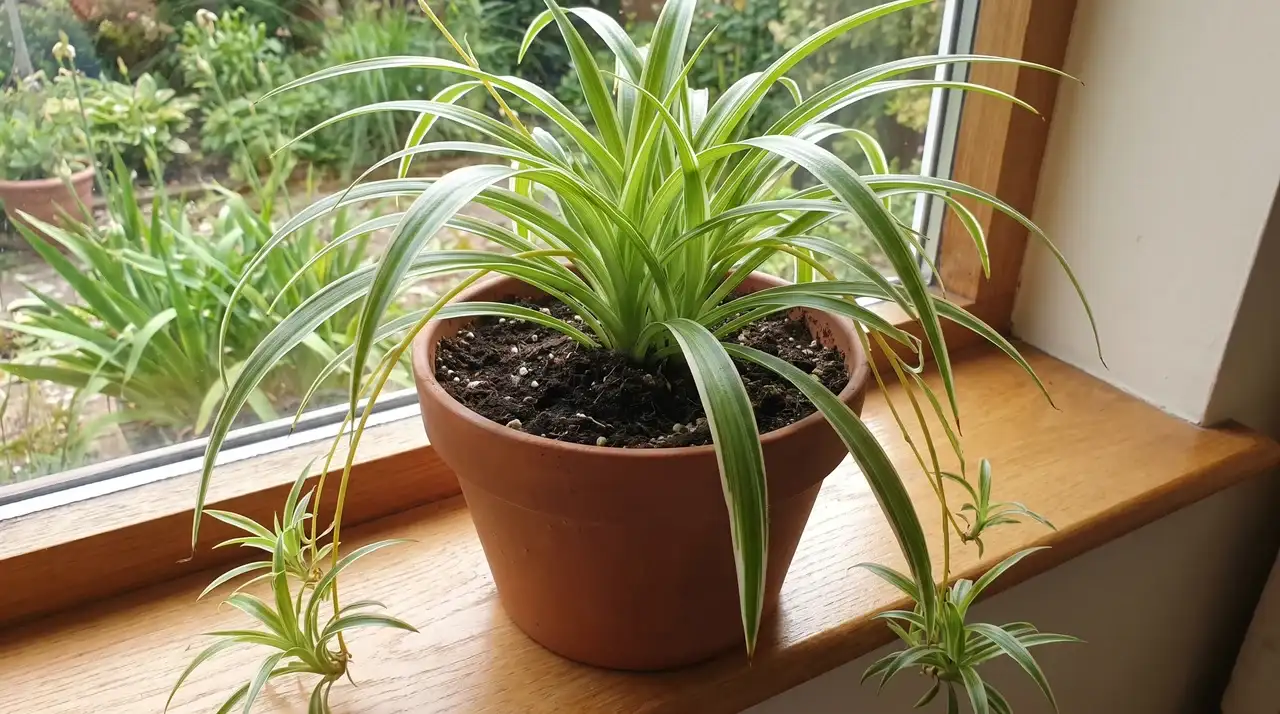
Spider plants grow fast and produce small offshoots, called spiderettes, that dangle from the mother plant. You can snip them off and propagate new plants in water. They prefer bright indirect light and weekly watering with slight drying between sessions.
One advantage most lists do not mention: spider plants are non-toxic to cats and dogs, which matters a lot in many homes.
Best placed: Hanging baskets near a window.
5. Heartleaf Philodendron
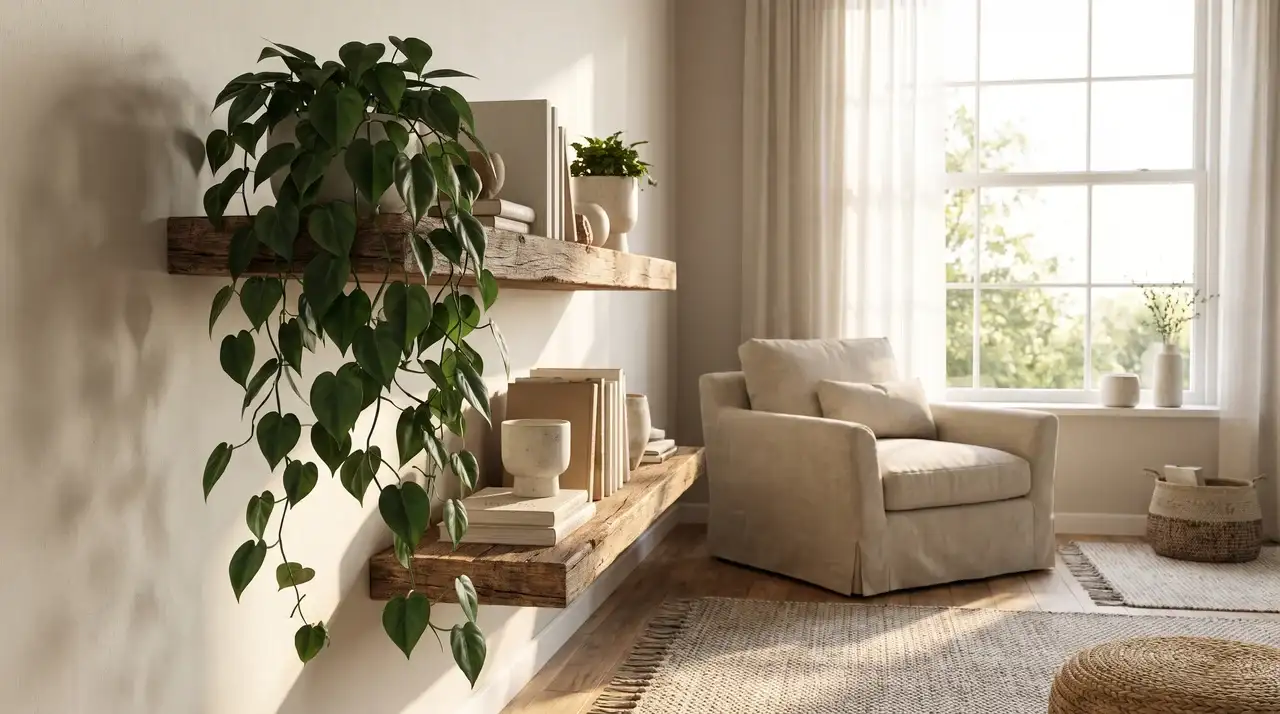
This trailing plant has soft, heart-shaped leaves and grows quickly in medium to bright indirect light. It’s similar to pothos but has a slightly different leaf texture and a more compact growth pattern in lower light.
Water weekly, keeping the soil lightly moist. Wipe the leaves regularly with a damp cloth; dust slows a plant’s ability to absorb light, and the technique for keeping plant leaves clean is the same for most houseplants.
Best placed: Shelves or hanging planters where the trailing stems can grow downward.
6. Peace Lily
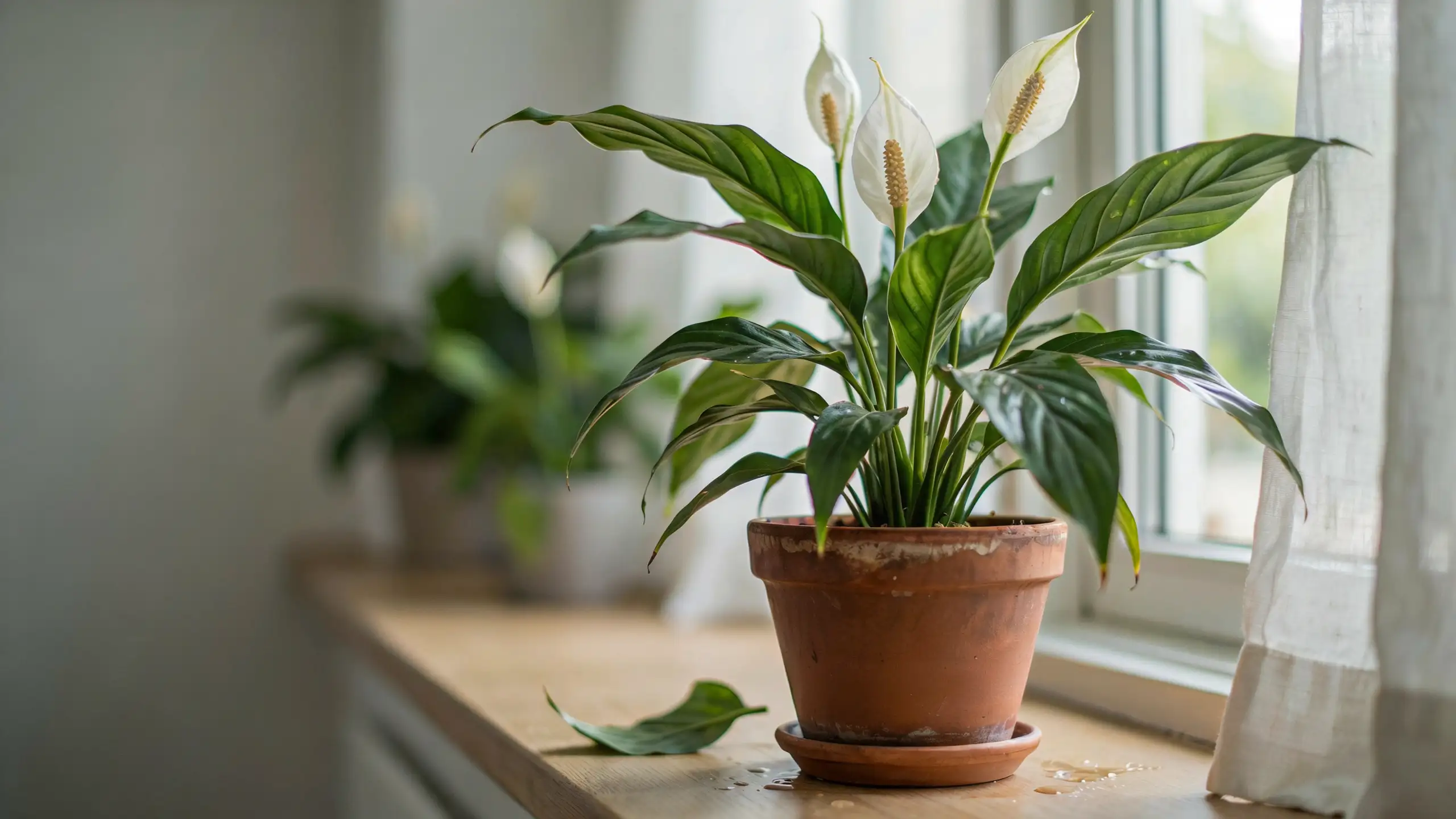
Peace lilies are one of the few beginner plants that flower indoors. They also make watering easy by communicating clearly. The leaves droop noticeably when the plant needs water, then perk back up within a few hours of getting it.
Keep the soil lightly moist. Medium indirect light works well. Bathrooms with a window are a good spot because peace lilies enjoy humidity.
Important: Peace lilies are toxic to cats and dogs. Keep them out of reach of pets.
7. Chinese Evergreen (Aglaonema)
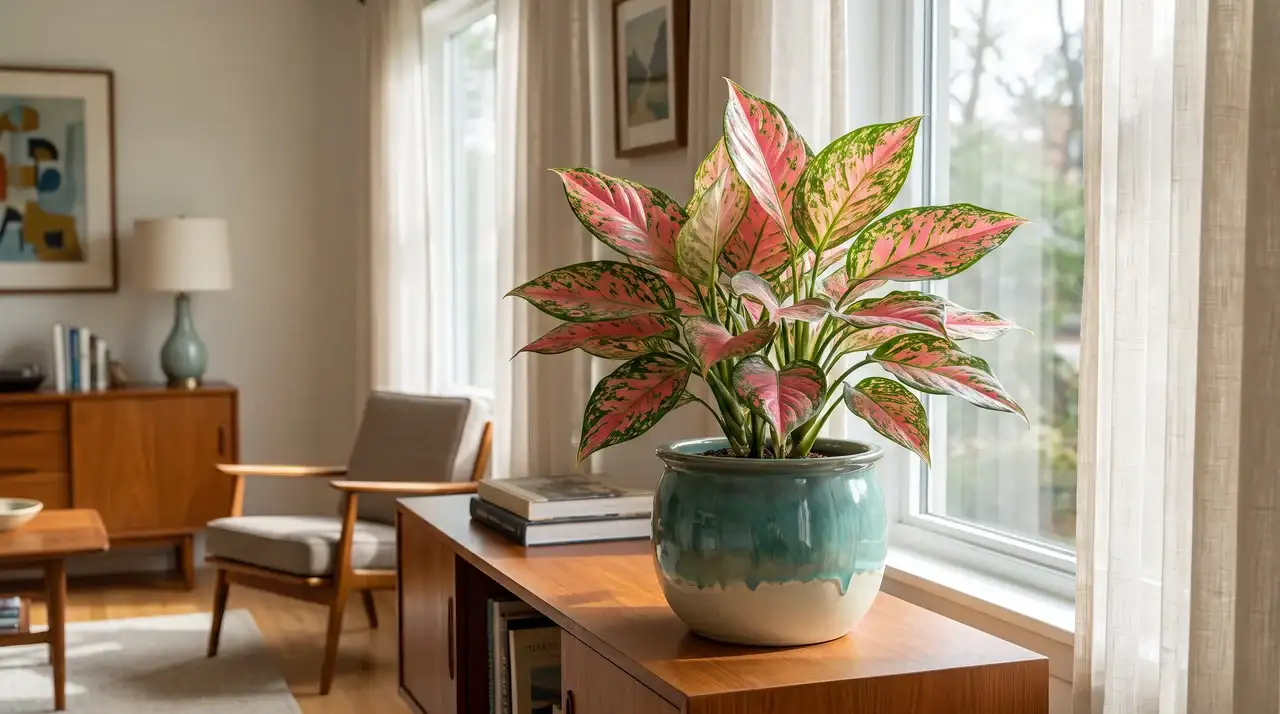
Chinese evergreens bring color- pinks, reds, silvers, and greens- into spaces where most plants would not survive. They grow in low to medium indirect light and need watering only every one to two weeks.
Let the top inch of soil dry before you water again. Avoid cold drafts and windows that drop below 60°F in winter.
Best for: Living rooms and offices where you want visible color without extra maintenance.
8. Cast Iron Plant
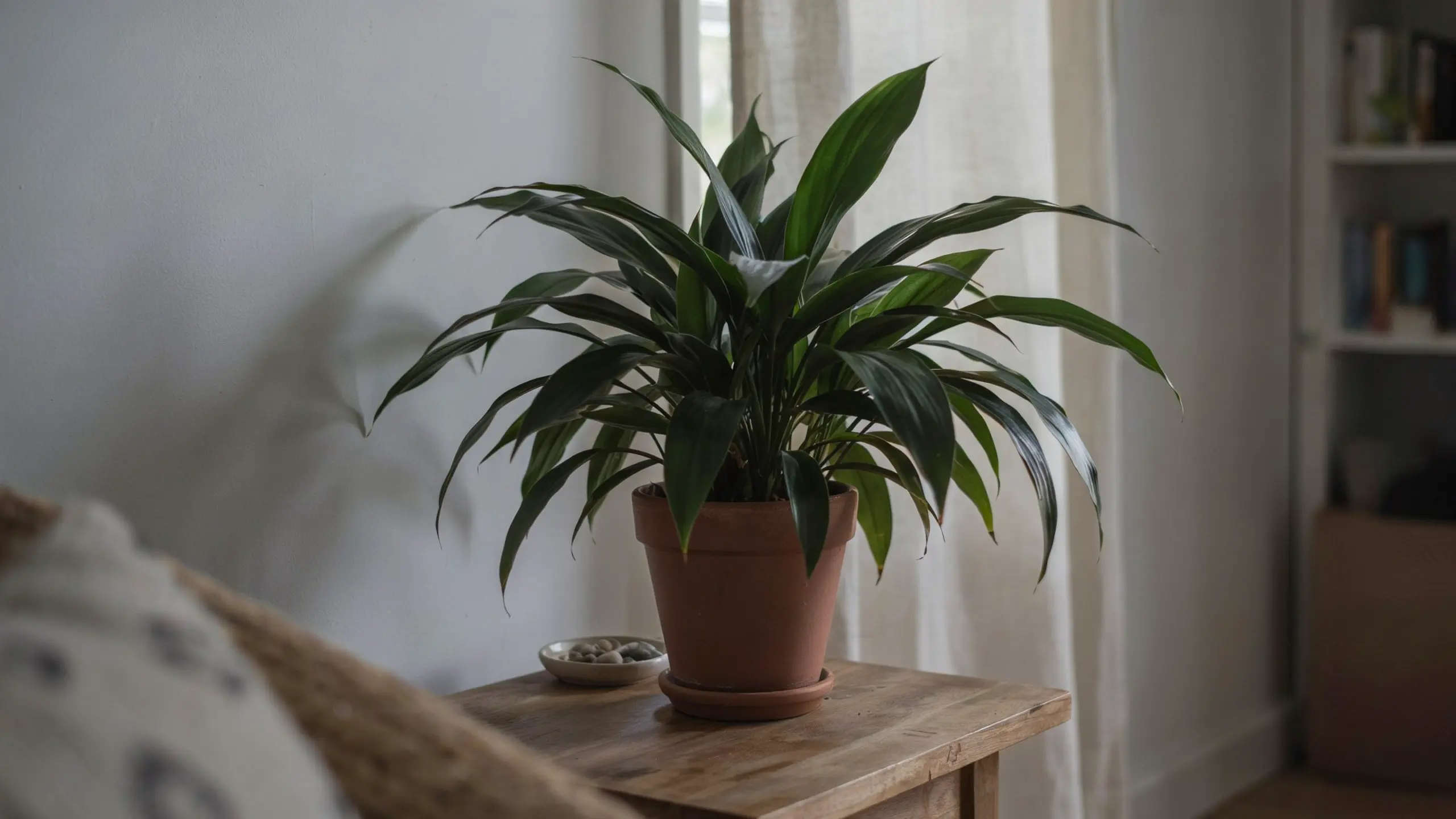
The name says everything. This plant handles low light, temperature swings, dry air, and irregular watering without visible stress. It grows slowly, so it will not outgrow a spot quickly.
Water every two to three weeks. Keep it away from direct sunlight, which can bleach its deep green leaves.
Best for: Hallways, north-facing rooms, or any spot in your home with very little natural light.
9. Aloe Vera
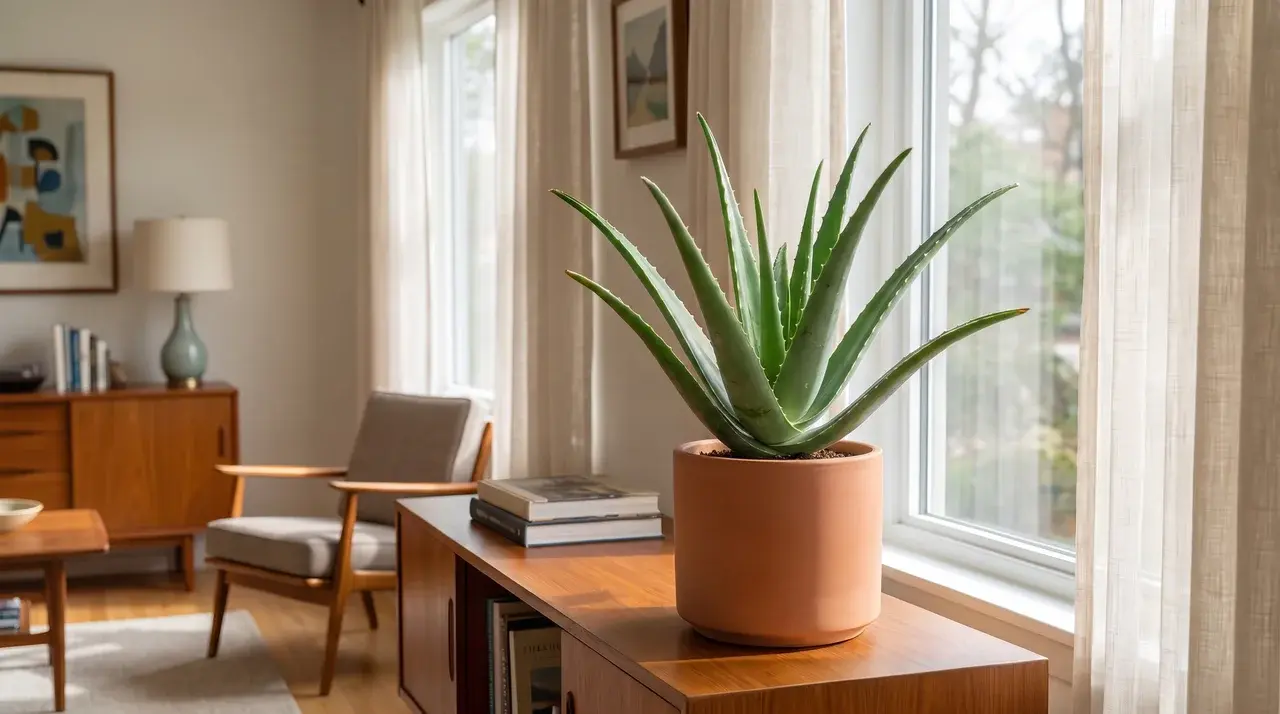
Aloe vera is a succulent that stores water in its thick leaves. Give it a bright, sunny windowsill and water every two to three weeks. Let the soil dry out completely between waterings.
It also does something most plants do not: the gel inside its leaves helps soothe minor burns and skin irritation.
Watch out for: Aloe does not adjust well to low-light conditions. Without a sunny window, the plant will stretch, weaken, and eventually rot at the base.
10. Jade Plant
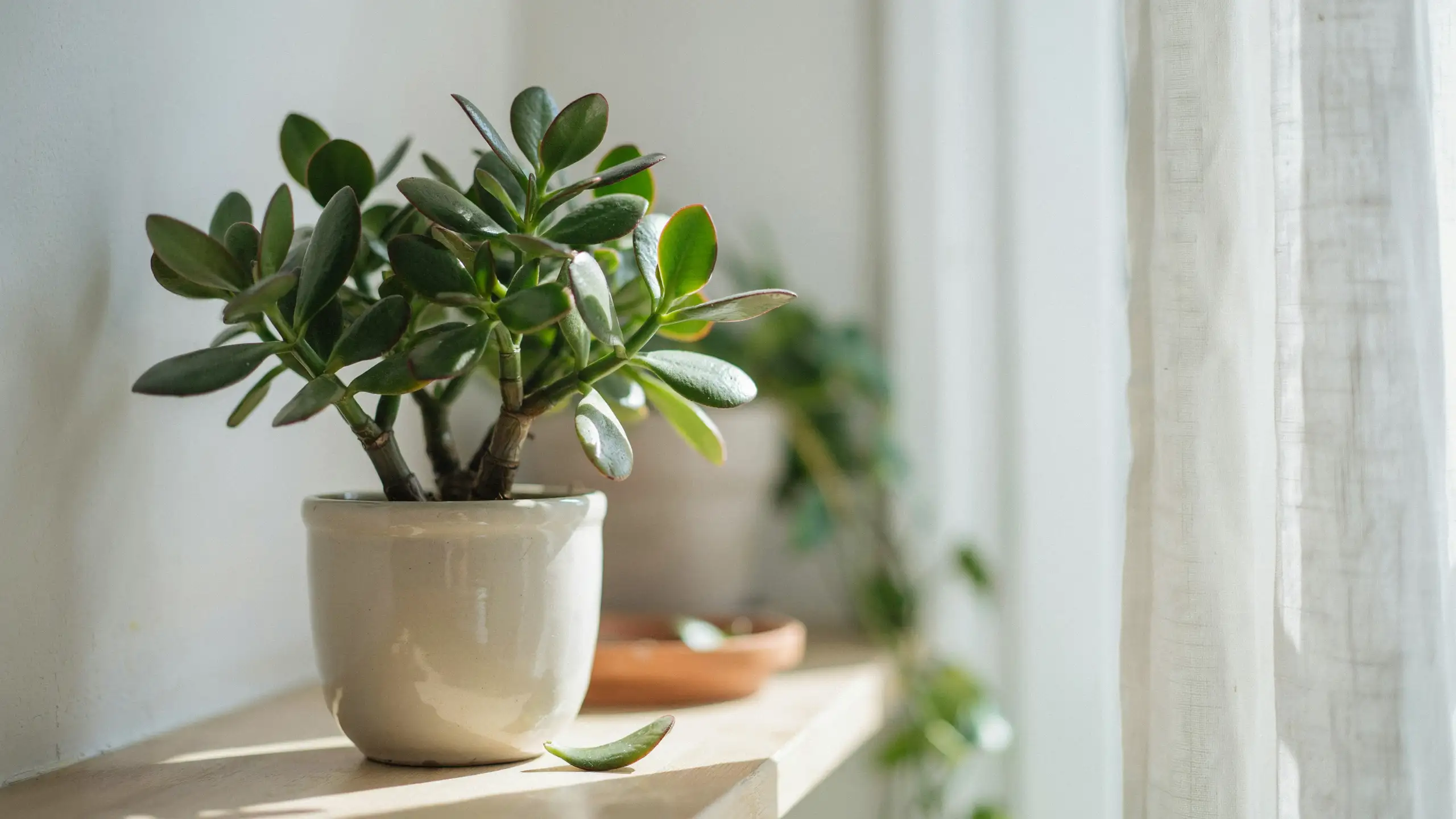
Jade plants develop thick, woody stems over time and can last for decades with the right care. Give them a sunny window and water every two to three weeks; the soil must dry out completely first.
Real talk: Jade plants drop leaves when overwatered, underwatered, or moved suddenly. Choose a permanent spot for it and resist the urge to rearrange.
11. Rubber Plant
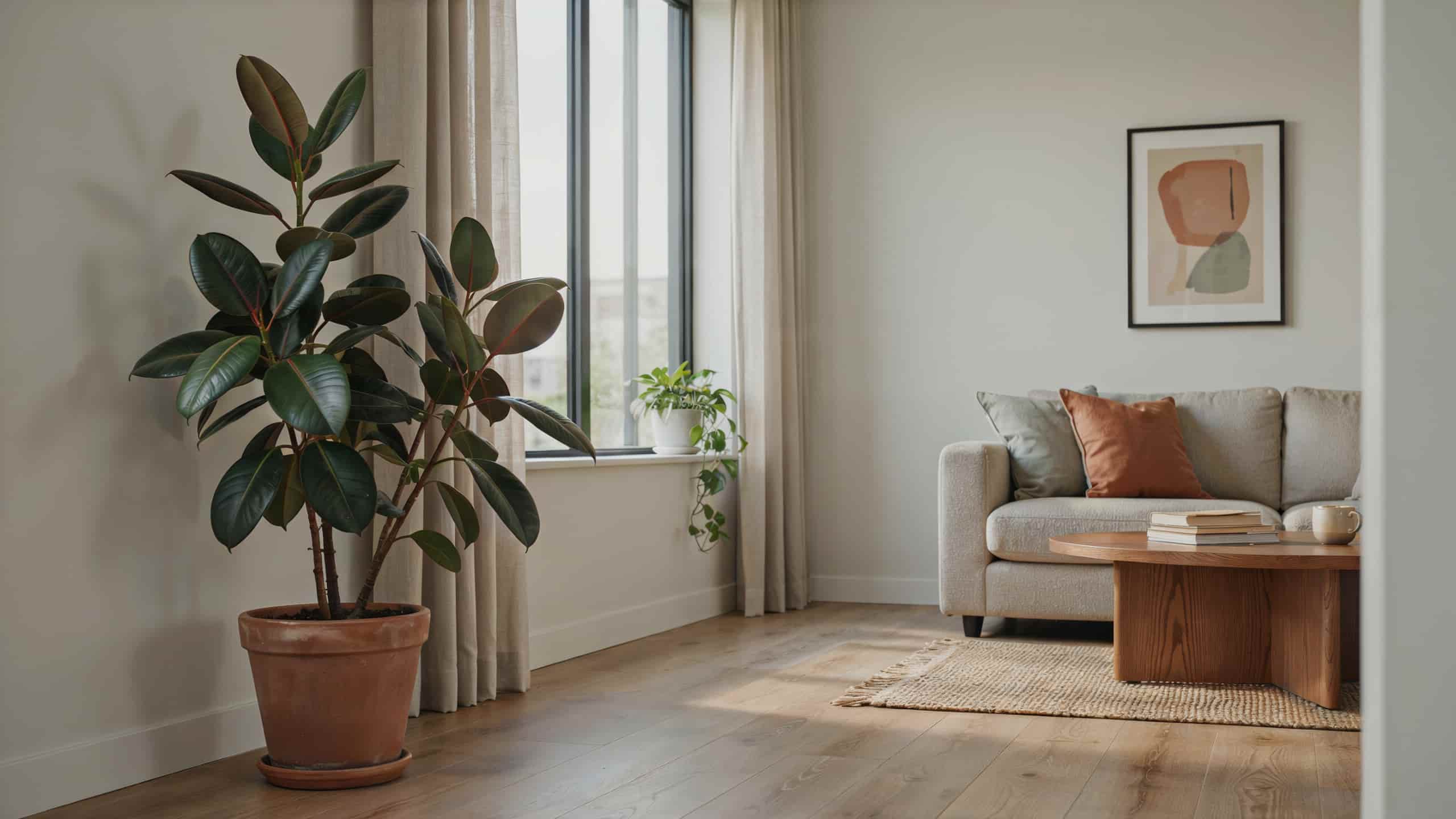
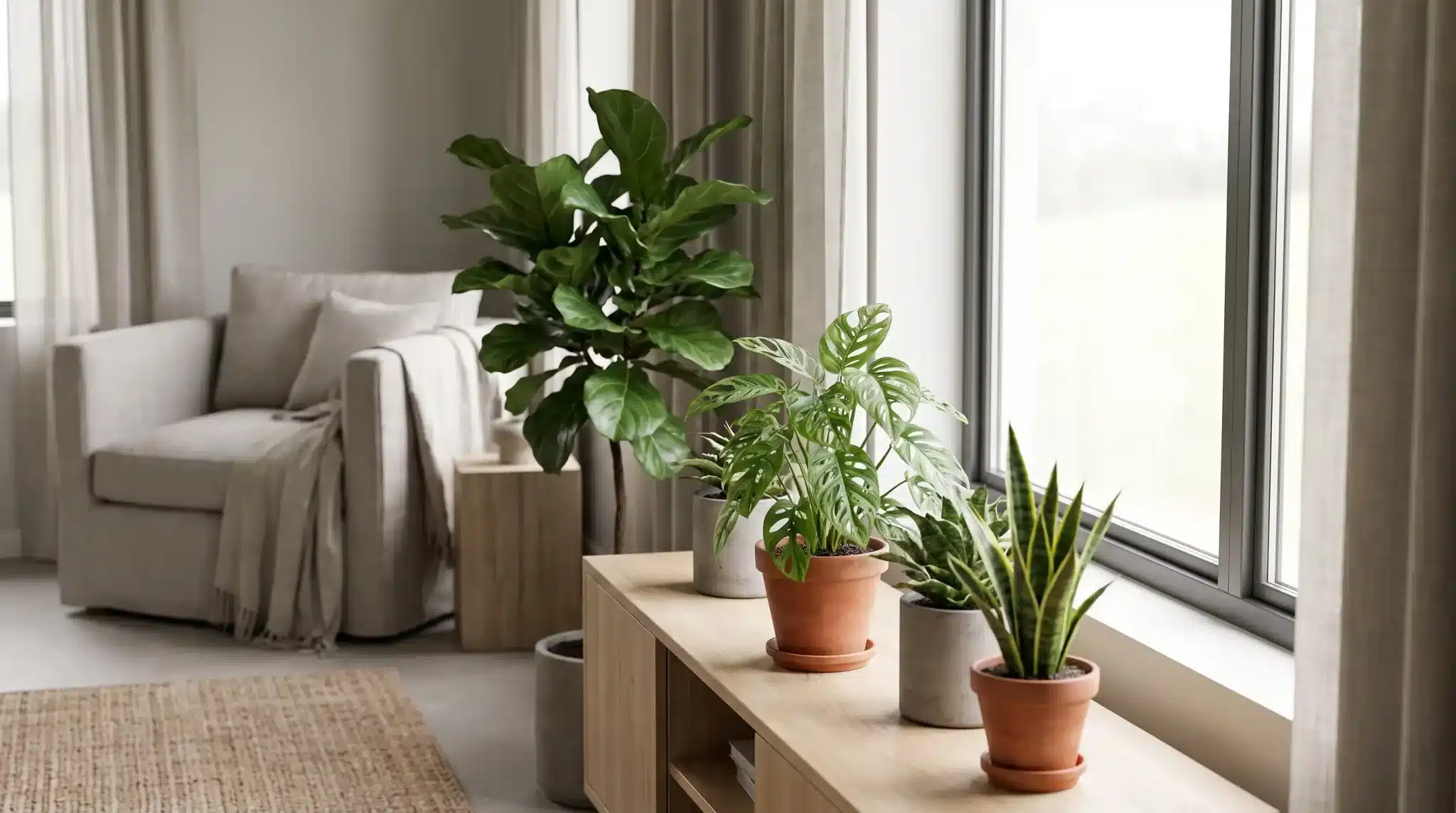
Rubber plants grow tall, sometimes reaching the ceiling, and add real structure to a room. They like bright indirect light and weekly watering, with the top layer of soil allowed to dry first.
The main adjustment for beginners is light. A dim corner will significantly slow growth and cause the lower leaves to drop. Position a rubber plant near a bright window and leave it there.
Best placed: Living room corners with enough vertical space for the plant to grow upward over time.
12. Peperomia
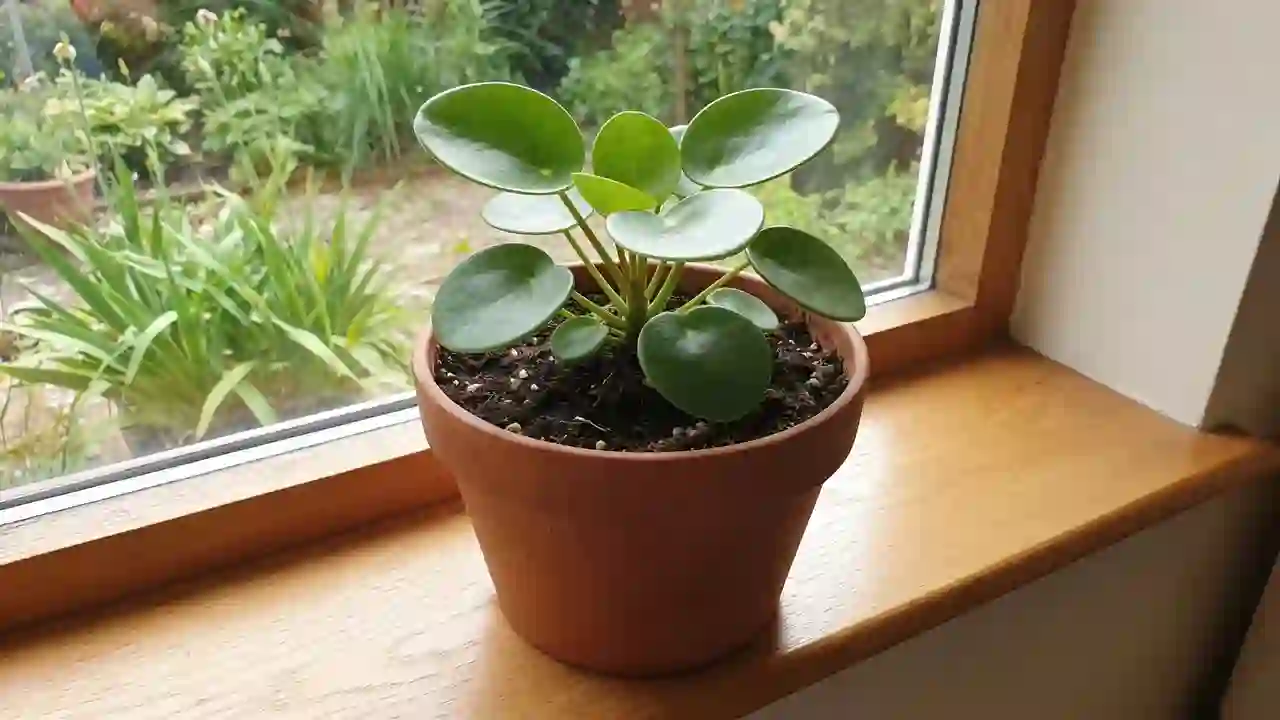
Peperomias stay small. Most varieties fit on a desk or side table without outgrowing the space. They come in dozens of leaf textures, some rubbery, some ribbed, some watermelon-striped. Water every one to two weeks in medium indirect light. Slow-growing, low-maintenance, and easy to manage in tight spaces.
Best for: Small apartments, home offices, or anywhere you want greenery without a large footprint.
13. Lucky Bamboo
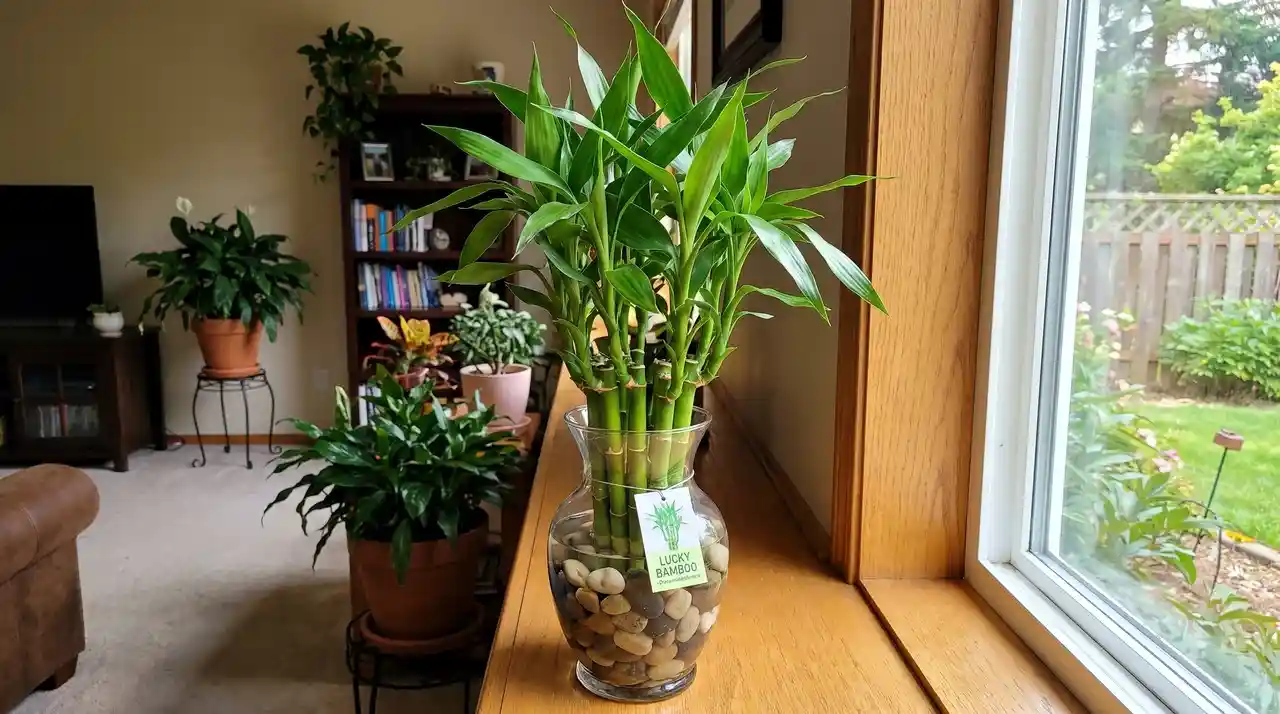
Lucky bamboo grows in water alone, no soil needed. Place it in a container with a few inches of water, change the water every one to two weeks, and keep it in low to medium indirect light.
Watch out for: Tap water with high fluoride content can brown the leaf tips. Filtered or distilled water works better.
14. Monstera Deliciosa
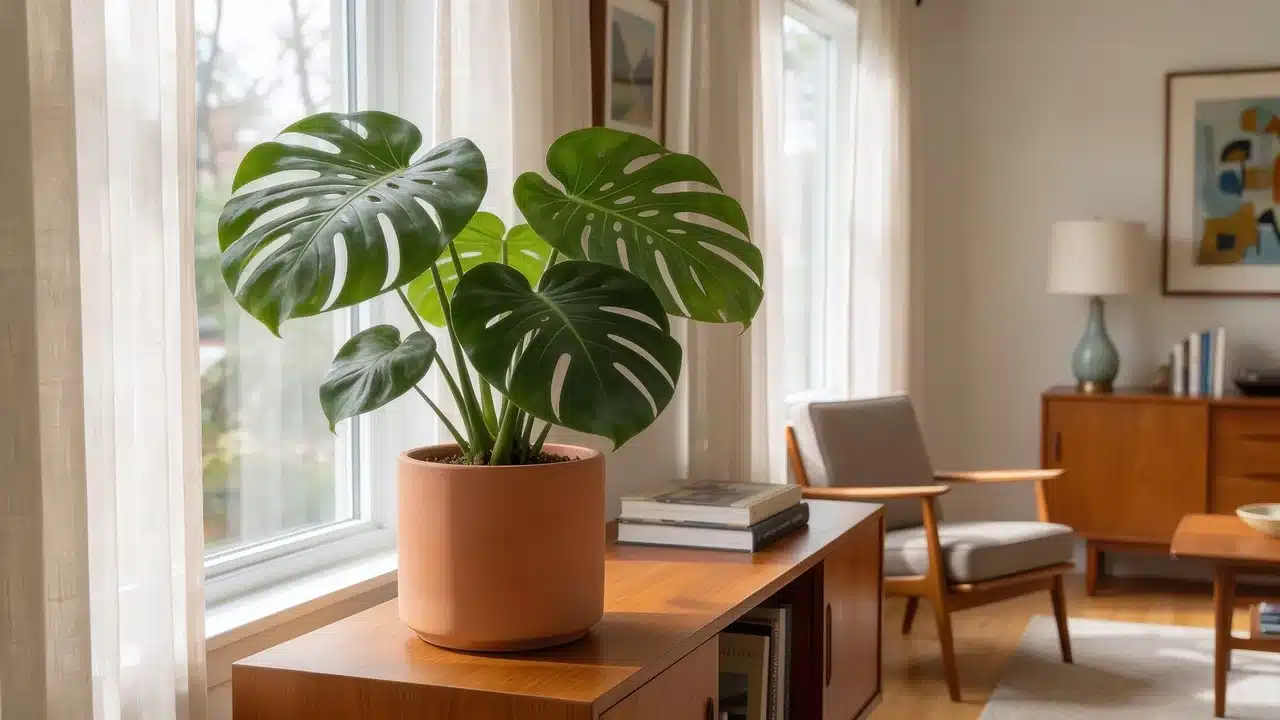
Monstera grows fast in bright indirect light and produces the iconic split leaves that make it one of the most recognizable houseplants. It rewards consistent care with visible, satisfying growth.
Water weekly, letting the soil dry slightly between waterings. Give it space; the leaves get large over time. This one is great for beginners with good natural light who want a statement plant that shows progress quickly.
Watch out for: Overwatering is the most common mistake with Monstera. Yellow leaves at the base usually signal too much water, not too little.
15. Christmas Cactus
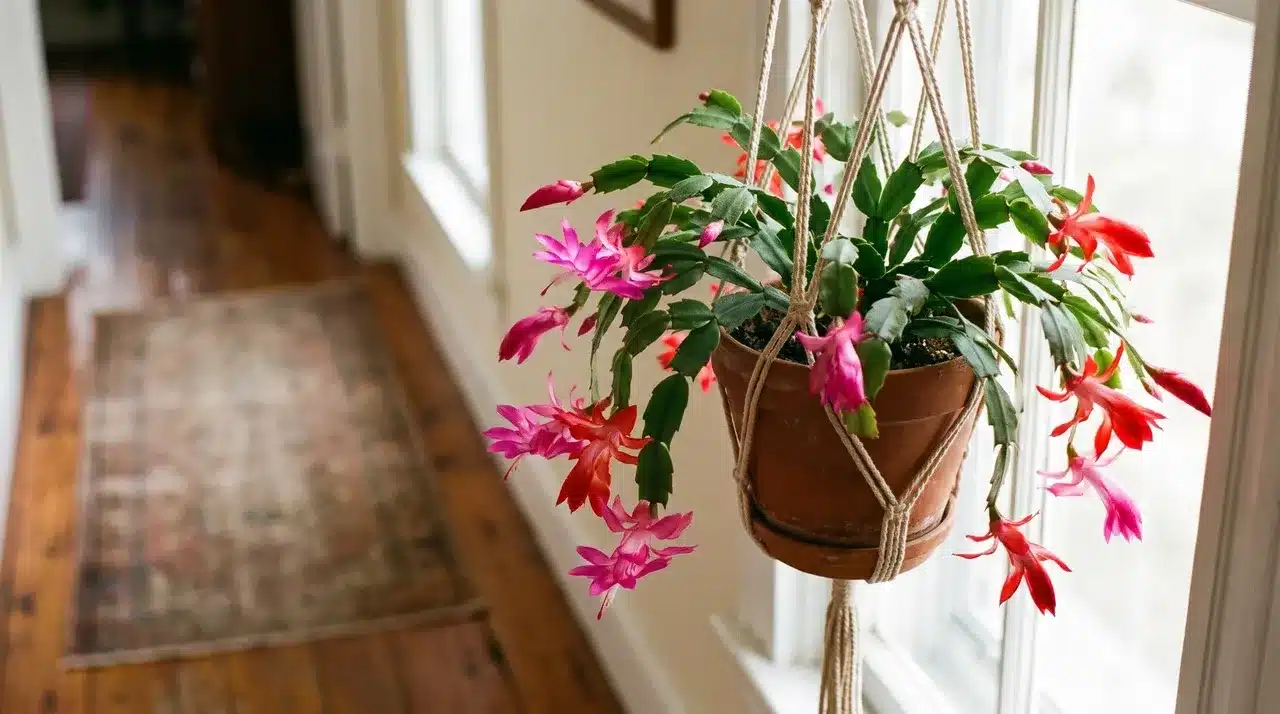
The Christmas cactus blooms in late fall and winter, sometimes more than once per year. It tolerates occasional missed watering and grows in bright indirect light. Water every one to two weeks, letting the top inch of soil dry first.
Best for: Beginners who want a plant that actually flowers indoors without complicated care routines.
How to Match a Plant to Your Room
Before buying, check the light level in the exact spot where the plant will live — not just the general room. A window with a sheer curtain can drop light intensity significantly.
| Room Condition | Best Plant Choices |
|---|---|
| Low light (north-facing room) | Snake Plant, ZZ Plant, Cast Iron Plant |
| Bright indirect light | Pothos, Heartleaf Philodendron, Monstera |
| Sunny windowsill (direct sun) | Aloe Vera, Jade Plant |
| Small desk or table | Peperomia, Lucky Bamboo |
| Humid rooms (bathrooms) | Peace Lily, Spider Plant |
| Homes with pets | Spider Plant, Christmas Cactus (non-toxic) — avoid Peace Lily, Pothos, Philodendron near pets |
The Mistakes That Kill Beginner Plants
Most beginner plant deaths come from too much care, not too little.
Overwatering is the biggest one. Wet soil cuts off oxygen to the roots and causes root rot. The plant looks droopy. The instinct is to water more. That makes it worse. Check the soil before watering every time. Push a finger about an inch in. Water only when it feels dry.
Ignoring light needs is the second issue. A plant in a dim spot will not die overnight, but pale new growth and stretched, leggy stems are signs it is not getting enough light.
Repotting too soon stresses a plant that is still adjusting to your home. Let a new plant settle in for at least four to six weeks before moving it to a new pot.
If you notice small flies around the soil or tiny bugs on the undersides of leaves, act early. Pests on indoor plants tend to spread quickly when left alone.
What to Check Before Buying at a Nursery
Buying a healthy plant from the start gives you a much better chance than trying to nurse a struggling one back to health. Check these things before you pay:
- Look under the leaves for pests, small dots, sticky residue, or fine webbing
- Check the base of the stems for soft or mushy sections
- Look for healthy new growth; small shoots signal an active, growing plant
- Press the soil; overly wet soil in a store pot can be a warning sign
- Pick the second or third-best-looking plant, not the showiest one. The biggest plant on the shelf sometimes has the most stressed root system.
Your First Plant Starts Here
The best plants for beginners are the ones that fit your actual home, not just the ones that look good in photos. Start with one or two hardy picks from the first group. Learn how they respond to your light and watering habits. Add more once those feel easy.
Pothos, snake plants, and ZZ plants are the most forgiving starting points. Once those feel manageable, every other plant on this list becomes approachable.
Frequently Asked Questions
What is the easiest indoor plant for a complete beginner?
Pothos is the easiest starting point. It grows in low to bright indirect light, handles irregular watering, and gives clear signals when it needs attention.
How do I know when to water a beginner plant?
Check the soil, not the calendar. Push a finger about an inch into the soil. Water only when it feels dry. Most beginner plant deaths happen from overwatering, not from forgetting.
What supplies do beginners need for plant care?
A pot with drainage holes, indoor potting mix, and a watering can cover most of what you need. A moisture meter helps if you tend to overwater. Start simple and add tools as needed.
Why is Gen Z obsessed with plants?
Plants enhance home décor, support wellness, improve indoor spaces, and offer a rewarding, affordable hobby for many Gen Z adults.
What plant says “I love you”?
Red roses traditionally symbolize love, while orchids and anthuriums also represent affection, admiration, and lasting relationships.
Why are my plant’s leaves turning yellow?
Yellow leaves on most beginner plants signal overwatering. Let the soil dry out, reduce watering frequency, and confirm the pot drains properly. If yellowing only affects old, lower leaves occasionally, that is normal growth.