Commercial HVAC Maintenance Plans That Prevent Costly Downtime

Commercial buildings rely on stable heating, ventilation, and air conditioning to keep people comfortable and operations steady. Even a small fault can raise utility use, stress major components, trigger complaints, and interrupt daily work. A maintenance plan turns equipment care into a documented routine. Filters, coils, belts, drains, controls, and safety devices get checked on schedule. That discipline gives facility teams better visibility, fewer surprises, and stronger control over operating costs.
Downtime Starts Small
Serious failures often begin with restricted airflow, worn belts, loose terminals, blocked drains, or failing controls. A practical HVAC maintenance guide can help facility teams review service intervals, inspection points, and early warning signs before disruption spreads through a building. Clear guidance supports smarter planning for offices, retail sites, schools, clinics, warehouses, and mixed-use properties.
Why Plans Matter
A maintenance plan gives managers a service rhythm they can trust. Technicians review critical components before heavy heating or cooling loads arrive. Instead of reacting to breakdowns, teams work from records, findings, and scheduled priorities. That history can support warranty claims, budget reviews, lease questions, and long-term replacement planning.
Lower Repair Risk
Emergency repairs usually cost more than planned service. After-hours labor, expedited parts, and tenant disruption can quickly add pressure. Routine inspections catch dirty coils, weak capacitors, worn belts, clogged condensate lines, and failing motors earlier. Timely correction limits secondary damage and keeps repair windows shorter.
Better Energy Control
Poor airflow makes equipment run longer than necessary. Dirty coils reduce heat transfer, while clogged filters strain fans and compressors. A sound plan keeps refrigerant charge, controls, filters, and coil surfaces in better condition. This helps reduce wasted energy and makes monthly utility patterns easier to explain.
Longer Equipment Life
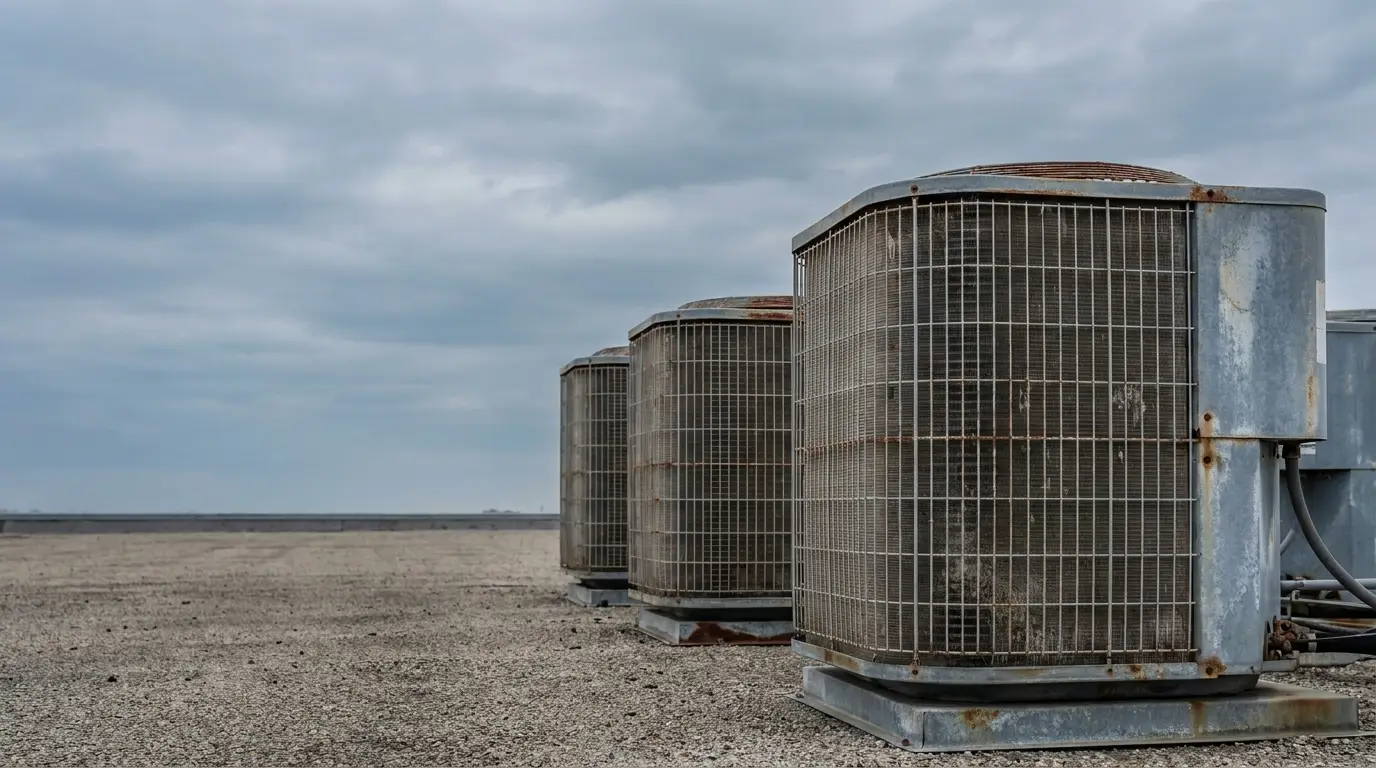
Commercial systems work hard through long-run cycles, changing weather, and varied occupancy loads. Roof units, boilers, furnaces, pumps, fans, and controls all age under pressure. Cleaning, lubrication, calibration, and part replacement reduce avoidable wear. Planned care cannot stop aging, but it can delay premature failure and protect capital investments.
Safer Building Operation
Heating and cooling equipment also affects occupant safety. Loose electrical connections, poor combustion, blocked drains, and cracked heat exchangers can create serious concerns. Qualified technicians test safety, inspect wiring, check shutdown functions, and review ventilation performance. These steps help protect people, property, and business continuity.
Monthly Checks
Monthly checks focus on conditions staff can often see or hear. Filters, thermostats, access panels, drain pans, and outdoor clearance deserve quick review. Leaves, trash, and stored materials should stay away from equipment. New vibrations, odors, noises, water issues, or short cycling should be logged for the next technician visit.
Quarterly Servicing
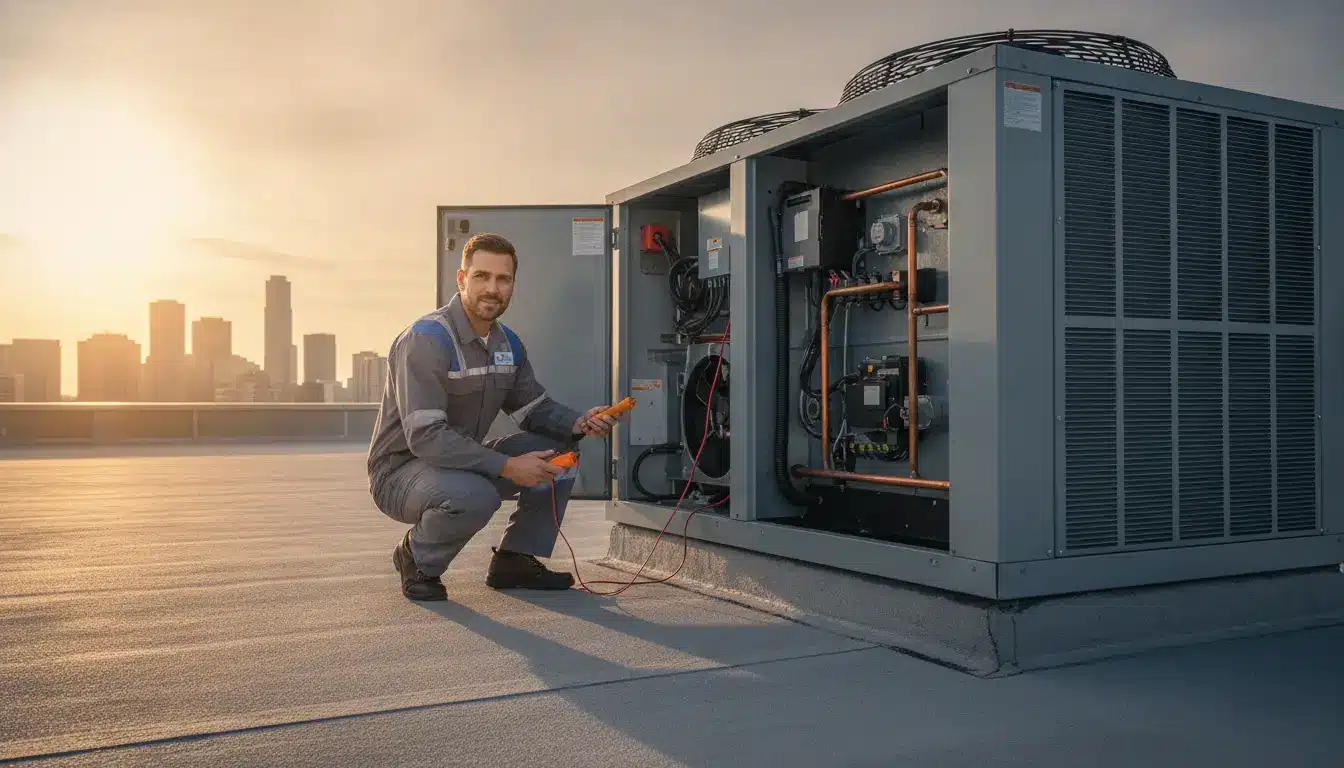
Quarterly servicing provides equipment with a more thorough technical review. Common tasks include filter changes, belt checks, lubrication, electrical testing, thermostat verification, and airflow measurement. This cadence creates a dependable record throughout the year. It also gives technicians more chances to find seasonal issues before demand peaks.
Seasonal Preparation
Spring visits prepare cooling systems for sustained heat. Fall inspections prepare heating equipment for cold weather when the load increases. These appointments often include coil cleaning, refrigerant checks, burner review, blower inspection, and safety control testing. Timing matters because service schedules fill quickly during extreme temperatures.
Annual Review
An annual review should connect service findings with broader asset decisions. Technicians can evaluate age, repair frequency, energy patterns, comfort complaints, and code concerns. Facility leaders can use that report to rank replacement needs, compare repair value, and plan capital spending. Better evidence leads to calmer financial decisions.
Warning Signs
Temperature swings should never be ignored. Weak airflow, rising utility bills, short cycling, moisture near equipment, delayed startup, unusual smells, and new sounds all deserve documentation. These symptoms may indicate airflow restriction, control failure, drainage blockage, or mechanical wear. Fast reporting gives service teams a better chance to prevent shutdowns.
Choosing the Right Provider
A qualified provider should carry proper licensing, insurance, training, and commercial service experience. Larger systems involve controls, access issues, ventilation requirements, and safety procedures that demand discipline. Written findings matter as much as wrench work. Clear reports help managers track recommendations, approvals, repairs completed, and items still pending.
How to Budget?
Maintenance plans make building expenses easier to forecast. Owners can allocate funds for recurring services, small repairs, and future replacements rather than waiting for failures. Predictable visits also reduce time spent responding to comfort complaints. That planning gives leadership more room to protect tenants, staff, and revenue.
Conclusion
Commercial HVAC maintenance plans protect uptime by making equipment care consistent, documented, and easier to measure. Strong plans combine scheduled inspections, seasonal preparation, written findings, and fast attention to warning signs. They reduce emergency repairs, support safer operations, and help keep energy costs predictable. For owners, managers, tenants, and staff, planned service is a practical safeguard for comfort, budgets, and business continuity.