DIY Renovation and Home Insurance: What Actually Changes

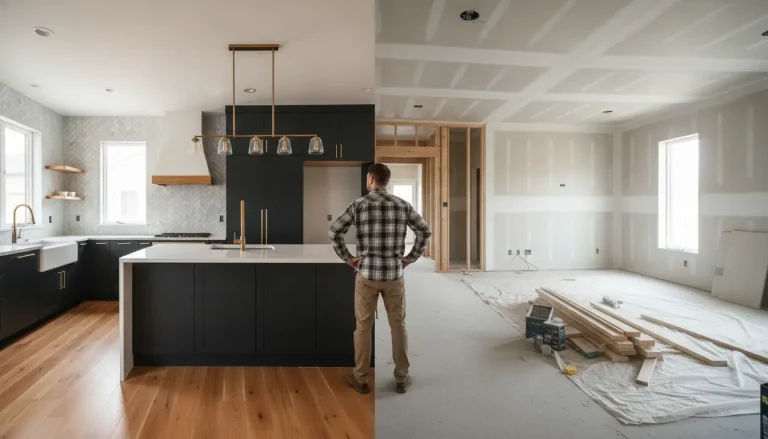
Insuring a $45,000 DIY kitchen project costs about $293 for the year. That number surprises people twice: first because it exists at all, and second because it is so much smaller than the thing it protects. Most homeowners never look it up, because nobody tells them that swinging the hammer yourself changes the paperwork behind the house.
It does change it. Farmer Brown Insurance, a brokerage that has written property and construction coverage in all 50 states since 1996, sees the same gap show up again and again: a homeowner who saved money on labor never told their insurer the project was happening, and finds out what that means during a claim.
Four things are worth knowing before the next big weekend.
Permits Are an Insurance Document, Not Just a City One
Pulling a permit feels like bureaucracy with a fee attached. It also creates a dated record that the work was inspected and done to code, and that record is what an adjuster looks for when a claim traces back to something you built.
Skip the permit on work that needed one, and a carrier can question or reduce a claim connected to it. Moving a load-bearing wall, adding a circuit, relocating plumbing, finishing a basement: these are the projects where the permit is worth more than it costs. And if you ever sell, unpermitted work turns up during inspection anyway, usually at the worst possible moment in a negotiation.
Call the building department before you start, not after. Ten minutes on the phone. It is the cheapest thing on the whole project list.
Big Projects Outgrow a Standard Policy
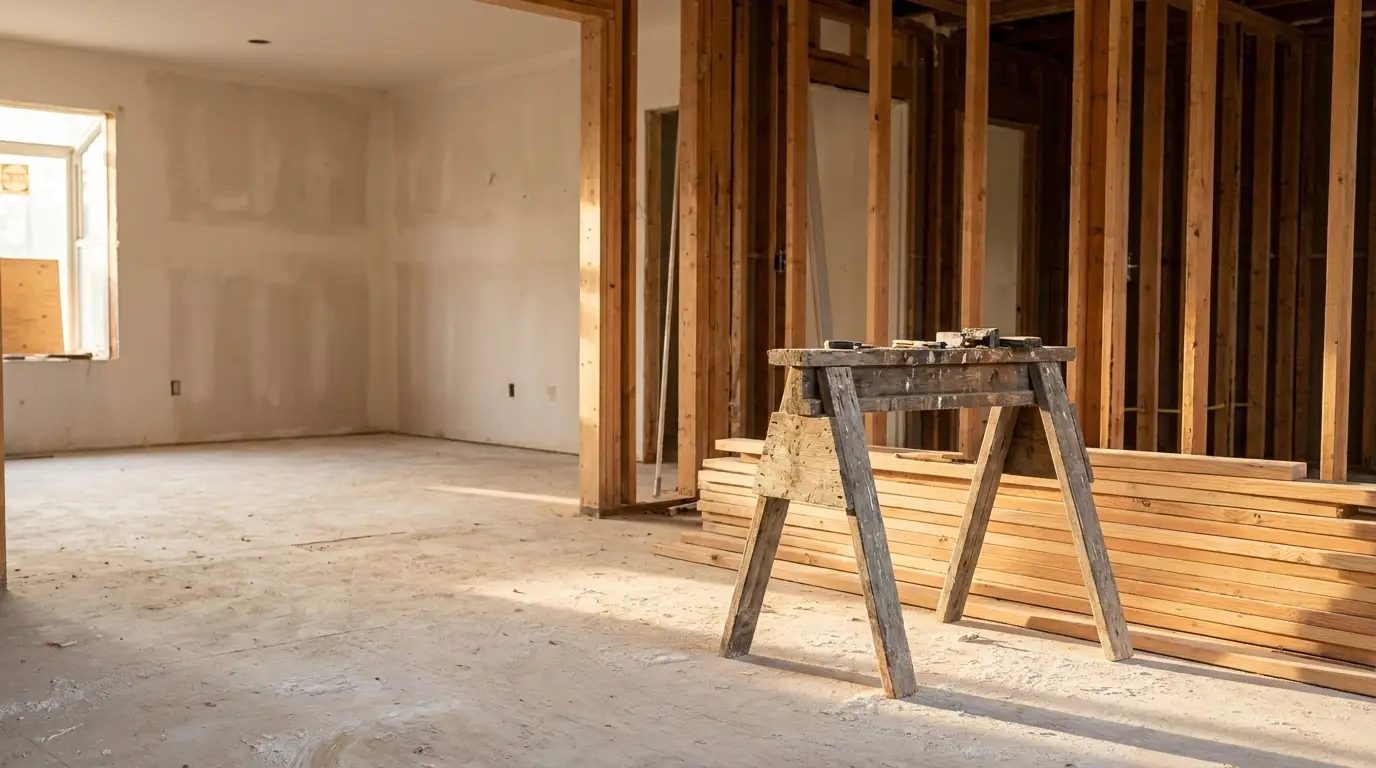
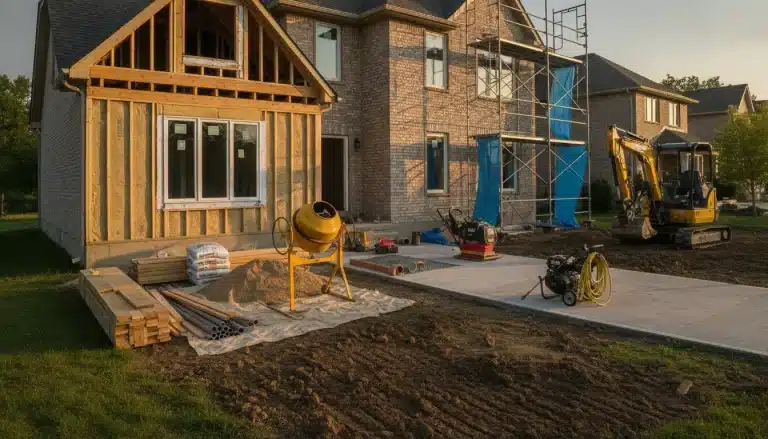
A homeowners insurance policy is priced for a finished, occupied house. Open walls, a torn-off roof section, and materials stacked in the driveway are not that. Some policies limit coverage during major structural work, and most carriers expect a phone call before it starts.
Past a certain size, the project needs coverage of its own. A Builders Risk policy covers the work in progress: the structure, the new materials on site, the fixtures waiting in the garage. For renovation work it runs about 65 cents per $100 of project value, which is where that $293 on a $45,000 kitchen comes from. A $300,000 whole-home renovation lands near $1,950 for the year.
Two quirks are worth knowing before you buy. The premium is fully earned at inception, so finishing early gets you no refund. Buy the term your real schedule needs, not your optimistic one. And coverage ends at expiration, occupancy, or owner acceptance, whichever comes first, which matters if you plan to live in the house while the punch list drags into month five.
The Helpers on Site Are the Risk Nobody Prices
This is the part that catches DIY homeowners hardest, and it has nothing to do with the house. It has to do with the people in it.
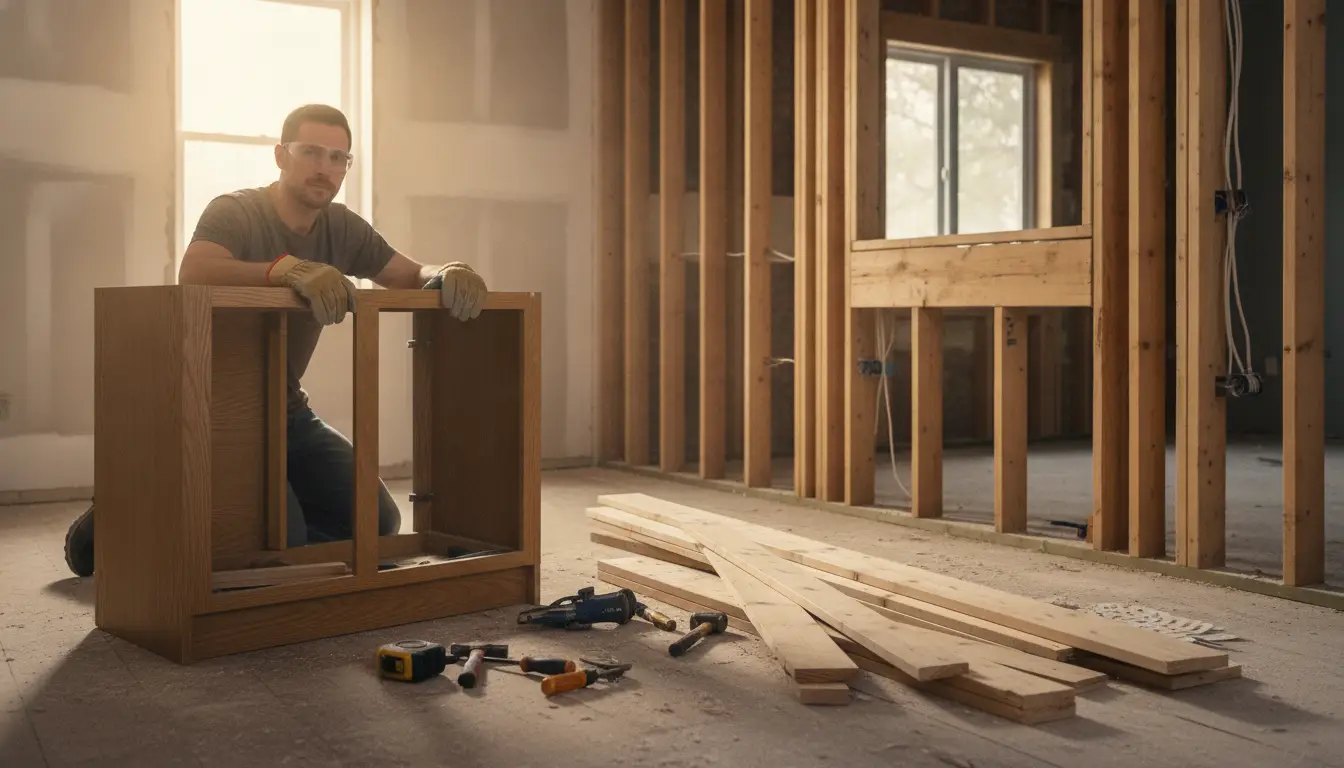
A friend helping you carry cabinets up the stairs is a guest on your property. If he tears a rotator cuff, the claim lands on your liability coverage, and friendship does not survive that conversation as often as people assume. Someone you pay cash to help demo a bathroom is a different problem entirely, because paid help with no coverage of their own can look to the property owner for medical bills.
For the trades you hand off, electrical, plumbing, roofing, the check is short. Ask for the certificate of insurance to come directly from the contractor’s insurance agency rather than forwarded from their phone, because a real agency can send one the same day and forwarded files get edited. Look for general liability of at least $1 million per occurrence, the standard a legitimate business carries. If they bring a crew, confirm workers compensation is active. And check that the policy dates outlast your project, since a certificate expiring mid-job protects half a job.
Photograph Everything, Then Photograph It Again
Claims almost never turn on whether damage happened. They turn on when it happened and what the thing was worth at that moment. Dated photos answer both questions in about four seconds.
So shoot the room before demolition, shoot the open walls before drywall, and keep receipts for materials in the same folder. Report anything that goes wrong promptly rather than waiting to see whether it gets worse, because problems reported early cost less to resolve than the same problems discovered late. Water damage in particular compounds daily.
None of this is the fun part of a renovation. But the whole appeal of doing it yourself is keeping control of the project and the budget, and an uninsured mistake takes both away in an afternoon. Make the call, pull the permit, check the certificate, take the photos. Then go pick the tile.