How to Winterize Your Home and Minimize Winter Storm Damage Risk

Winter weather puts a house under mechanical stress long before visible damage appears. Cold air lowers indoor surface temperatures, moisture condenses in hidden cavities, and freezing water expands inside vulnerable materials. Snow and ice also add weight, pressure, and slip hazards around entry points.
A sound winter plan reduces those exposures early. Timely upkeep helps families avoid pipe failures, roof leaks, indoor chills, poor air quality, and costly repairs after a severe storm.
Know the Threat
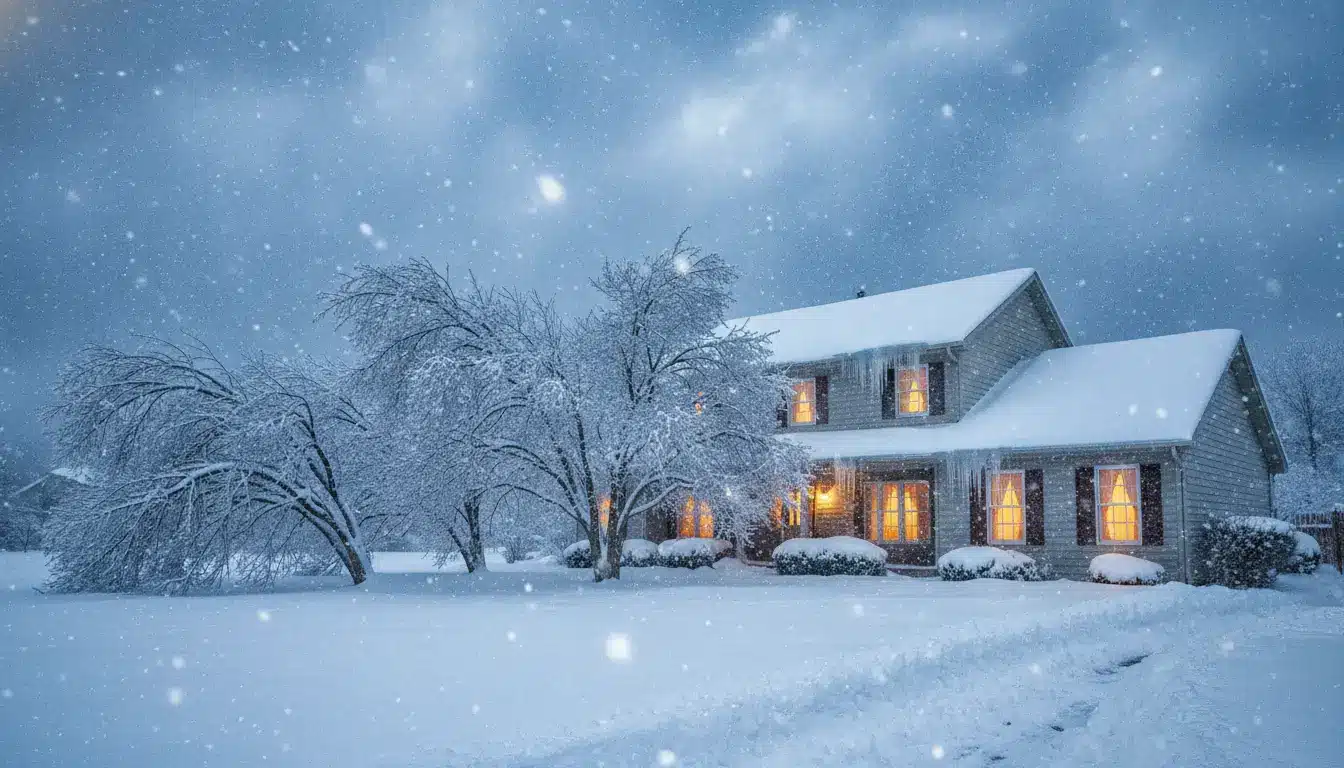
A winter storm rarely causes one isolated problem. Snow load, ice dams, wind-driven moisture, and deep cold often work together, which is why guidance on how to prepare home for winter storm matters before forecasts worsen.
Roof edges, attic airflow, plumbing runs, and nearby trees all deserve review. Early inspection gives contractors, utility crews, and residents more time to correct weak points before conditions become hazardous.
Read Alerts Early
Weather alerts offer useful lead time if people act on them. A watch means severe conditions are possible, so fuel, food, batteries, and medications should be checked at once.
A warning signal is expected to indicate impact or active danger. At that stage, travel should be limited, and outdoor chores should focus only on immediate safety concerns near the structure.
Seal Heat Leaks
Escaping indoor heat increases utility costs and allows interior temperatures to fall faster during outages. Drafts often start at attic penetrations, window frames, door thresholds, and utility openings.
Caulk, weatherstripping, and door sweeps usually correct those weak spots. Closed curtains help after sunset. Adding attic insulation also slows heat loss, helping pipes, walls, and living areas stay warmer during extended cold spells.
Protect Plumbing
Burst pipes usually begin with ice blocking a narrow section, then pressure builds behind it. Risk rises in crawl spaces, garages, attics, basements, and exterior walls.
Foam insulation sleeves protect exposed runs. Sink cabinet doors can stay open during hard freezes to ensure room air reaches the supply lines. During travel, thermostats should remain set high enough to prevent the interior from freezing.
Reduce Roof and Gutter Stress
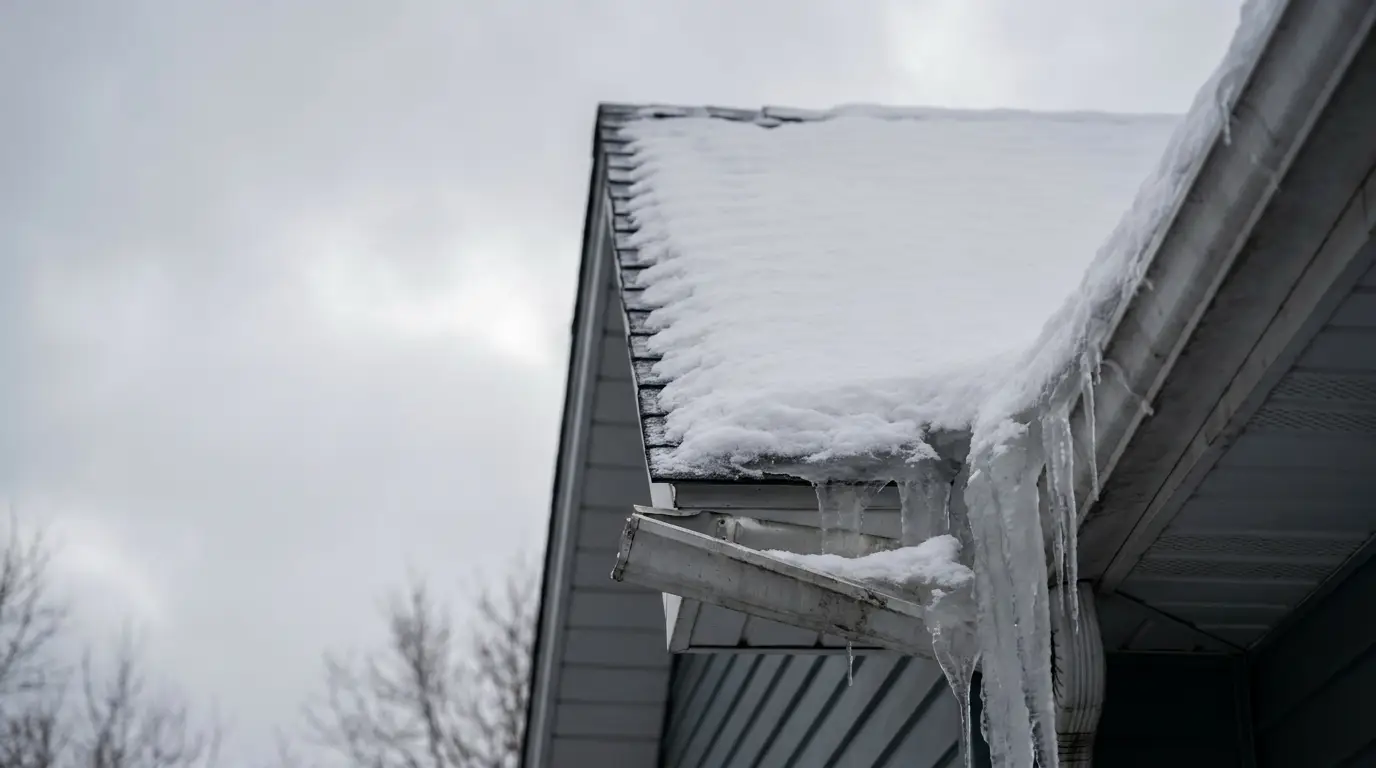
Roofs fail in winter from weight, trapped water, or both. Heavy snow can strain framing, while refreezing meltwater backs up beneath shingles near eaves. Clean gutters drain better during daytime thaw cycles. Attic ventilation also matters because uneven roof temperatures encourage ice dam formation. Fresh ceiling stains, damp insulation, or peeling paint may signal hidden moisture entry overhead.
Trim Nearby Trees
Tree limbs become dangerous after ice adds mass and wind starts pushing against weakened joints. Branches over roofs, driveways, walkways, or service lines deserve close attention before the coldest months arrive. Dead wood should be removed early. Large specimens with split trunks, hollow sections, or leaning roots may need evaluation by a certified arborist before snow load increases the likelihood of failure.
Check Heat and Fire Safety
Heating equipment should be serviced before continuous winter use begins. Dirty furnace filters reduce airflow and can overwork blowers or heat exchangers. Chimney buildup increases the risk of a smoke backup or fire. Smoke alarms and carbon monoxide detectors need working batteries and routine testing. Space heaters require a clear distance from bedding, curtains, furniture, and any easily ignitable materials.
Build a Three-Day Supply
Storm preparation should support at least seventy-two hours indoors without outside help. Stored water, shelf-stable food, prescription medicines, flashlights, blankets, chargers, and spare batteries cover basic needs. Infants, older adults, and people using medical devices may require extra planning. Vehicles also need scraper tools, warm clothing, traction material, and a phone cable in case travel becomes unavoidable.
Plan for Power Loss
An outage can quickly change winter risk, especially in electrically heated homes. One interior room can hold warmth better if doors stay shut and unused spaces remain closed off. Refrigerators and freezers should stay sealed as much as possible. Portable generators belong outside, far from openings.
Battery lighting is safer than candles, which increase the risk of fire during stressful, low-visibility conditions.
Inspect After the Storm
Post-storm checks should begin only after ice, falling debris, and unstable snow have eased. A visual scan can reveal bent gutters, lifted shingles, blocked vents, damaged siding, or sagging branches.
Indoors, warped trim, dripping sounds, musty odor, or fresh discoloration may point to hidden water intrusion. Photographs, written notes, and prompt repair calls help limit further loss.
Conclusion
Winterizing is most effective before the first serious freeze, not after a warning is issued. Sealed drafts, protected plumbing, safe heating equipment, trimmed branches, and stocked supplies reduce the main pathways of storm damage.
Each task supports the next, creating a house that holds heat, drains water, and stays safer during outages. With regular inspections and steady upkeep, residents can reduce risk and recover faster after snow, ice, or wind.