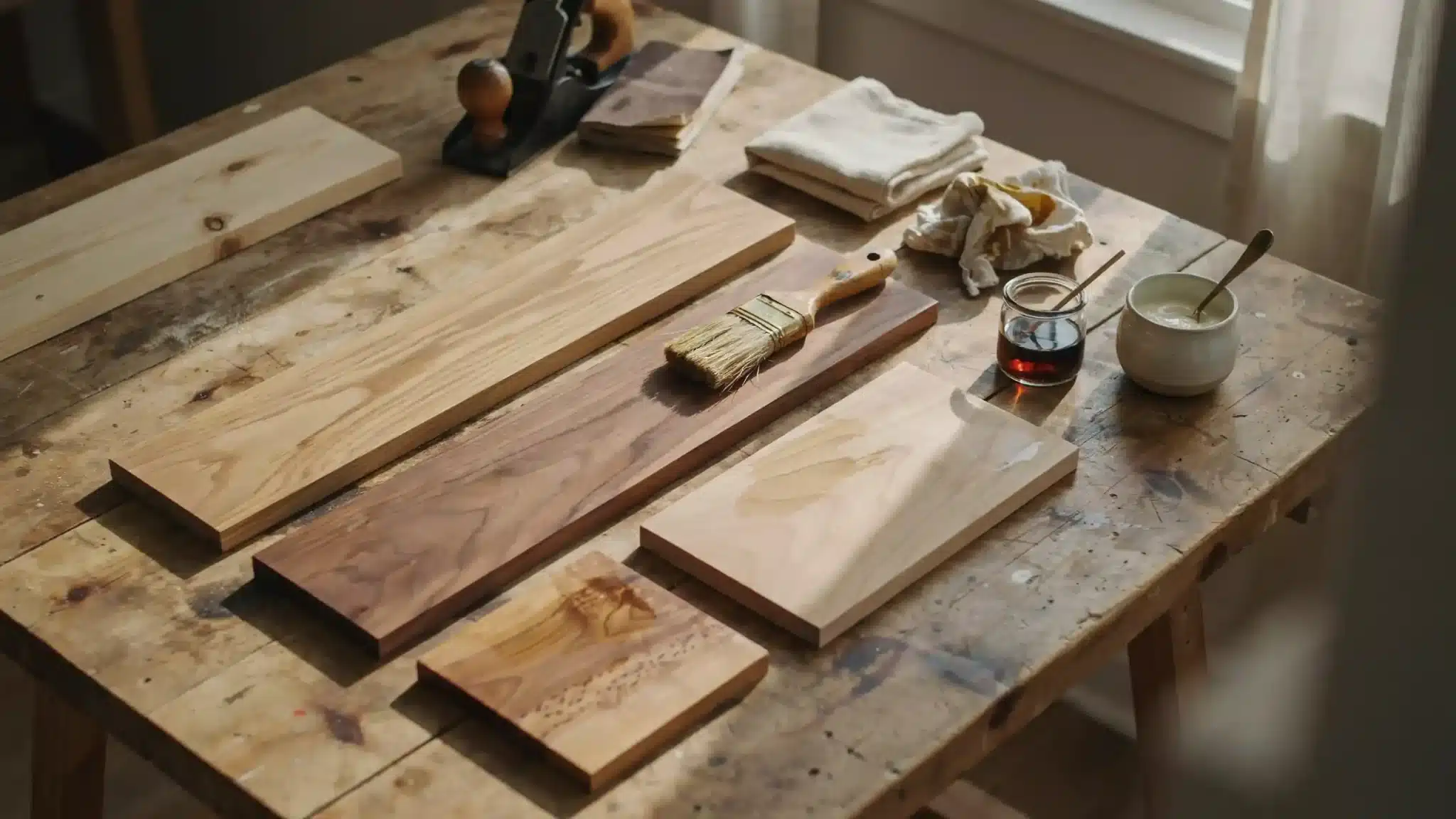
Natural Wood Finish: Best Types, Benefits, and How to Apply

You spend hours sanding. The wood looks exactly right. Then you apply a finish, and it turns cloudy, plastic, or fake. That is not a sanding problem.
It is a finished mismatch. A dining table needs something different from a cutting board, and a porch floor needs something different from both. Using the wrong product for the surface is the single most common finishing mistake.
A natural wood finish protects the grain, stays safer around children and food, and repairs without stripping. This blog covers every major type of natural finish.
It explains which surfaces each one suits, how each changes wood color, and how to apply them correctly. By the end, you will know exactly which one to pick for your next project.
What Is a Natural Wood Finish?
A natural wood finish is a coating or treatment made from plant-based or naturally sourced materials. It protects wood while keeping the grain visible and the surface looking real.
What makes a finish natural:
- Made from oils, waxes, or resins found in nature
- Contains little to no synthetic resins or plastic-based compounds
- Often food safe once fully cured
Natural wood finish vs natural-looking finish: These two terms are often confused. A natural wood finish uses naturally derived ingredients. A natural-looking finish creates the appearance of unfinished wood but may contain synthetic compounds like polyurethane or acrylic resins. A finish can look natural without being a natural product. Label warning: The word “natural” is not regulated on product labels. Some products sold as natural still contain added solvents or synthetic additives. Always check the full ingredient list, not just the front of the can.
How Natural Finishes Compare to Synthetic
| Feature | Natural Wood Finish | Synthetic Finish |
|---|---|---|
| Appearance | Highlights grain and texture | Creates a uniform coating |
| Repair | Easy spot repairs, no stripping | Usually requires full stripping |
| Feel | Natural texture, breathable | Harder surface film |
| Best for | Furniture, decorative wood, handmade projects | Commercial floors, heavy-use surfaces |
Why Choose a Natural Wood Finish Over a Synthetic One?
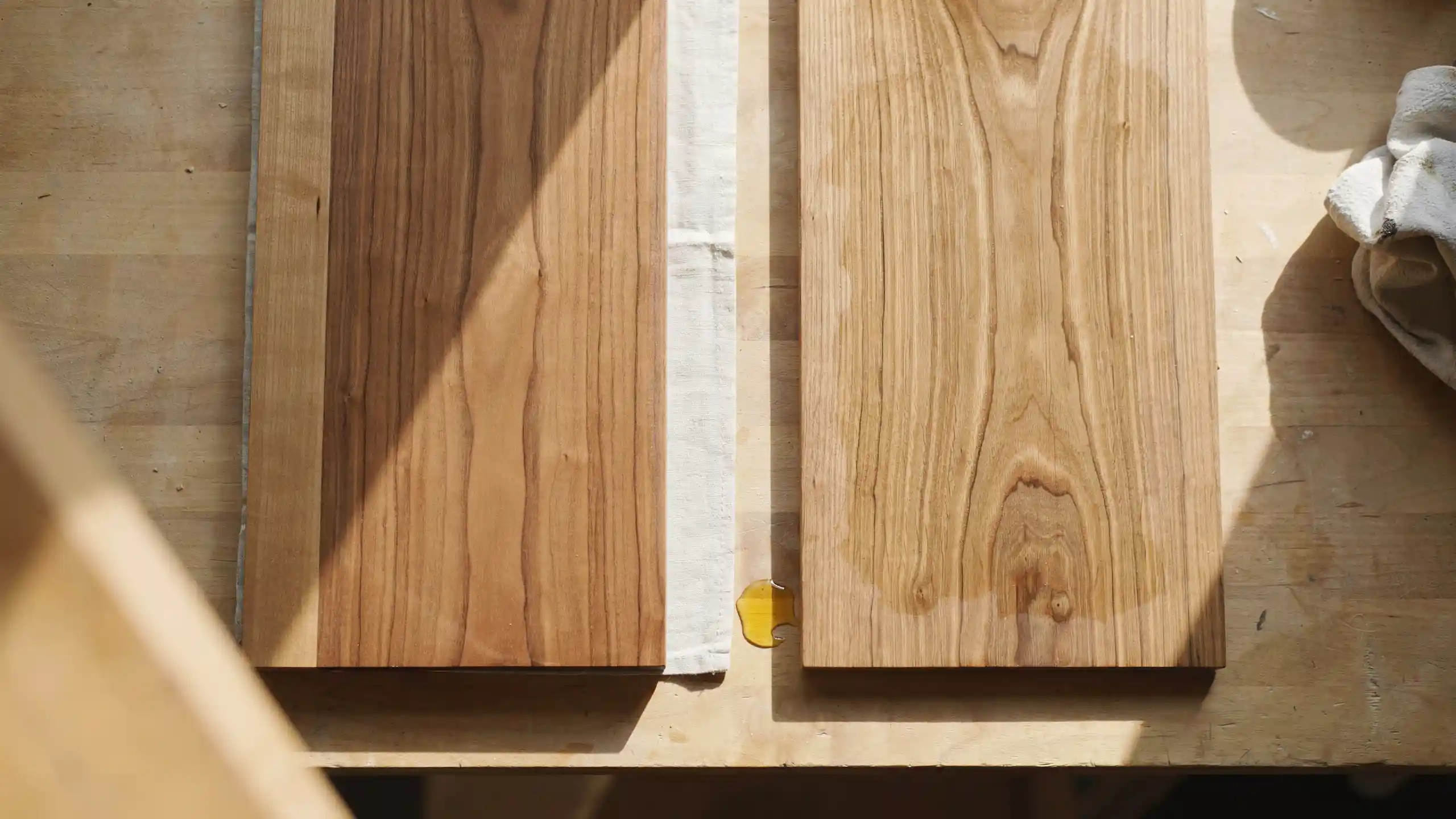
Natural finishes offer real advantages that synthetic coatings cannot match. The benefits go beyond looks. They affect safety, maintenance, and how your wood holds up over years of use.
Key reasons to go natural:
- Better air quality indoors. Natural finishes release fewer harmful fumes during and after application. The US EPA flags VOCs from synthetic coatings as a long-term indoor air concern, even after the finish has dried.
- Easier to repair. Scratch a natural oil finish? Sand lightly and recoat. No stripping needed.
- Safer for food surfaces. Options like pure tung oil and beeswax are widely used on cutting boards and countertops.
- More breathable for wood. The wood expands and contracts without the finish cracking off.
- Lower environmental impact. Most natural finishes are biodegradable and sourced from renewable plants.
Pro Tip: When you recoat a natural oil finish, you do not need to strip the surface first. That alone saves hours on any furniture restoration project.
Types of Natural Wood Finish
Not all natural finishes work the same way. Each one has a specific strength. Picking the wrong type for your surface is the most common mistake beginners make.
1. Linseed Oil
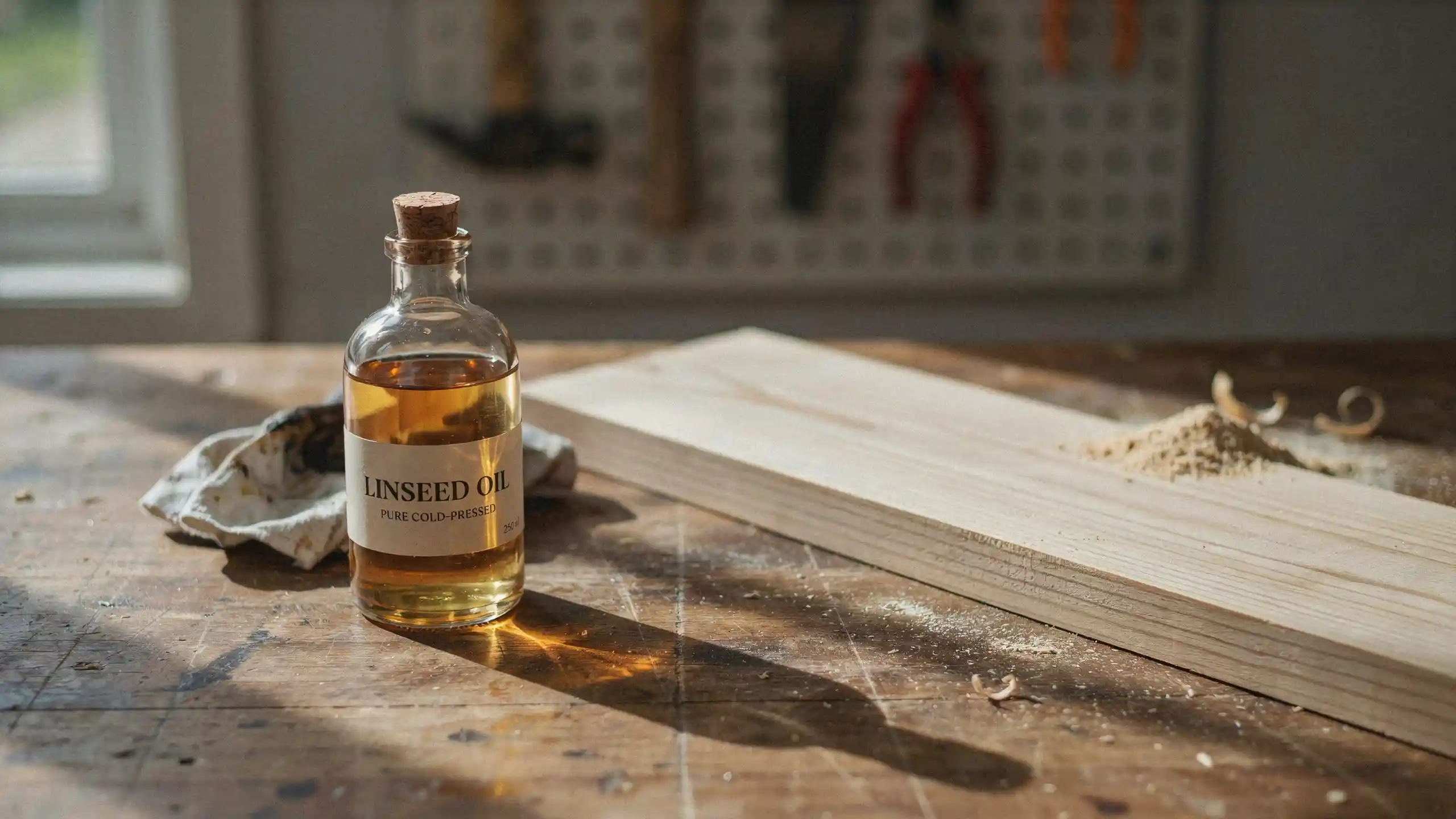
Linseed oil is one of the oldest wood finishes in use. It soaks deep into the wood and provides a warm, low-sheen protection that suits raw, unfinished surfaces well.
Raw vs boiled:
- Raw linseed oil dries very slowly. It can take days or weeks to fully cure. Use it only when drying time is not a concern.
- Boiled linseed oil dries much faster. It contains drying agents that speed up the process.
Best for: outdoor furniture, tool handles, and raw wood floors.
Not ideal for: surfaces that need a hard, water-resistant top coat.
Fire safety: Linseed oil-soaked rags can self-ignite through spontaneous combustion as the oil oxidizes. Lay them flat on a non-combustible surface outdoors until fully dry. If outdoor drying is not possible, place them in a sealed metal container filled with water before disposal. Never ball them up or leave them in a pile indoors.
2. Tung Oil
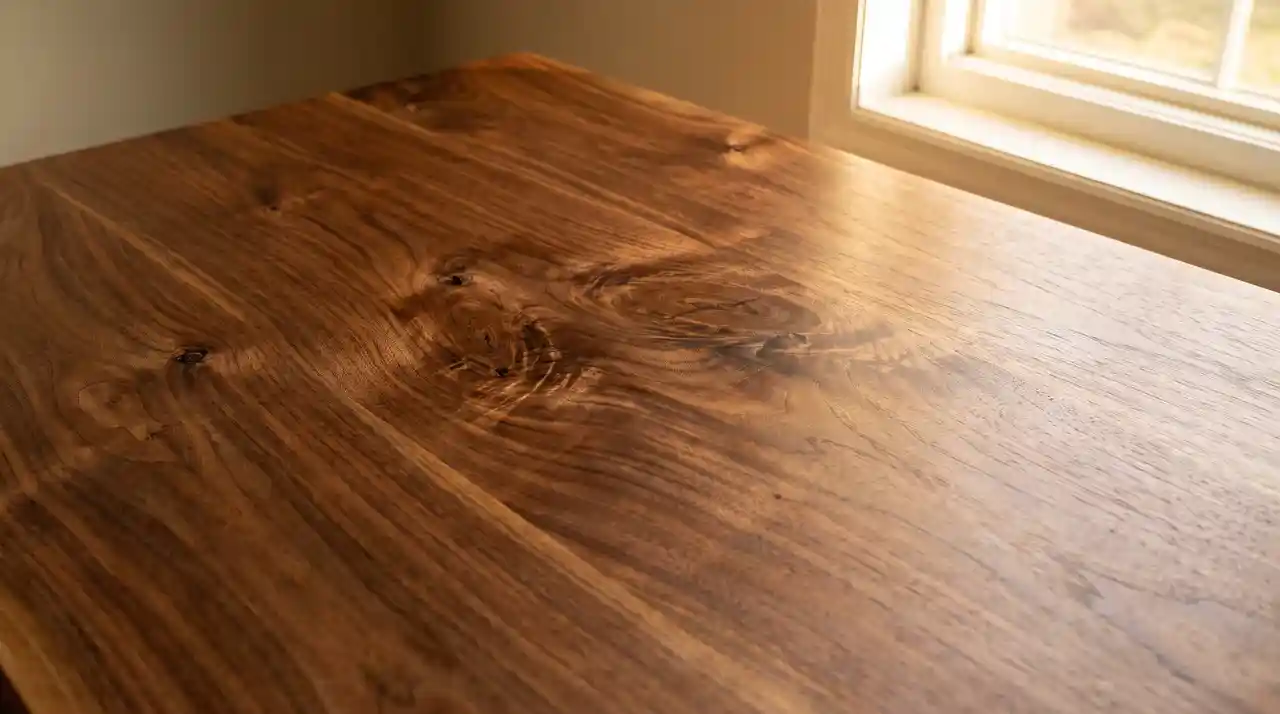
Pure tung oil comes from the seeds of the tung tree. It penetrates deeply into wood fibers and cures harder than linseed oil. It offers better water resistance, making it a strong choice for tabletops and kitchen furniture.
Best for: dining tables, kitchen furniture, cutting boards, and raw wood cabinets.
- Pure tung oil is food-safe once fully cured.
- Check the label carefully. Many products labeled “tung oil finish” contain polyurethane or solvents and are not pure tung oil.
- Allow 30 to 45 minutes per coat before wiping off the excess.
- Apply 3 to 4 coats for best protection.
3. Beeswax and Carnauba Wax
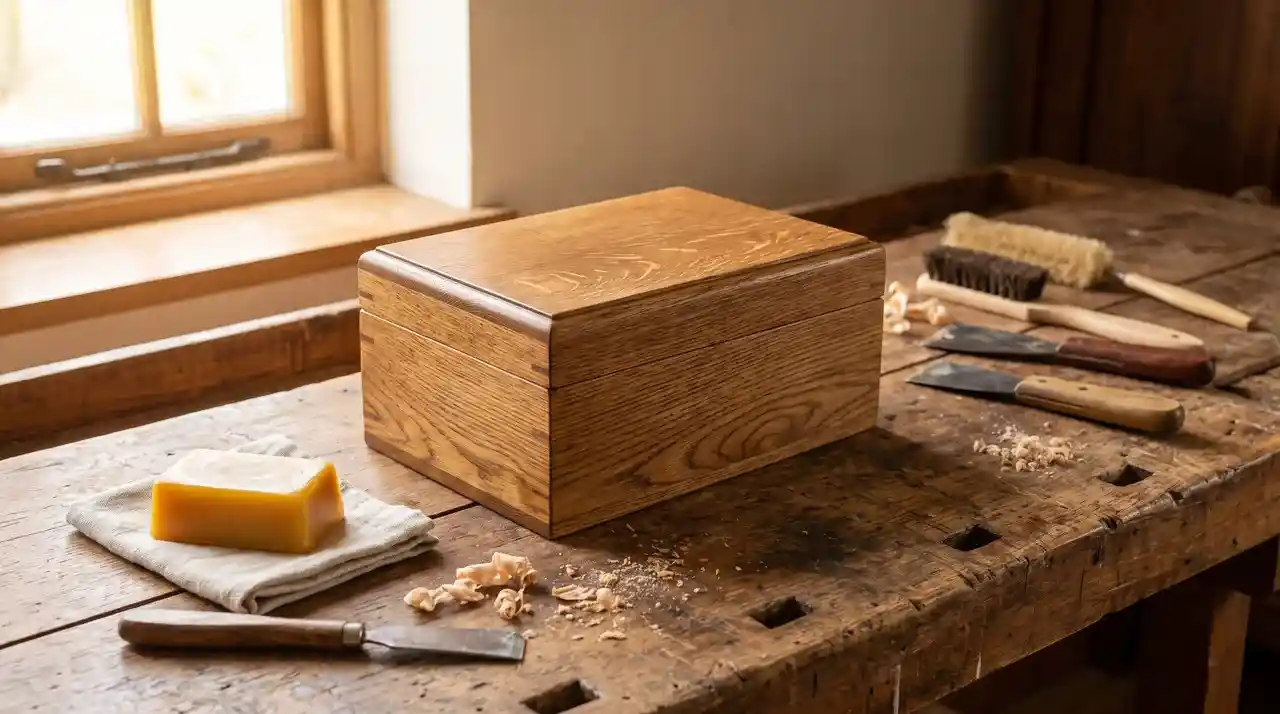
Wax finishes sit on top of the wood surface rather than soaking in. They give a soft, low-gloss sheen and are easy to apply by hand with a cloth.
- Beeswax is soft and easy to buff. It works well on small decorative pieces.
- Carnauba wax is harder and more durable. It holds up better on high-touch surfaces.
Best for: indoor furniture, small decorative pieces, and cutting boards.
Not a good choice for high-traffic floors. Wax alone is too soft for that level of wear.
Maintenance: Re-apply every 6 to 12 months depending on use.
4. Hardwax Oil
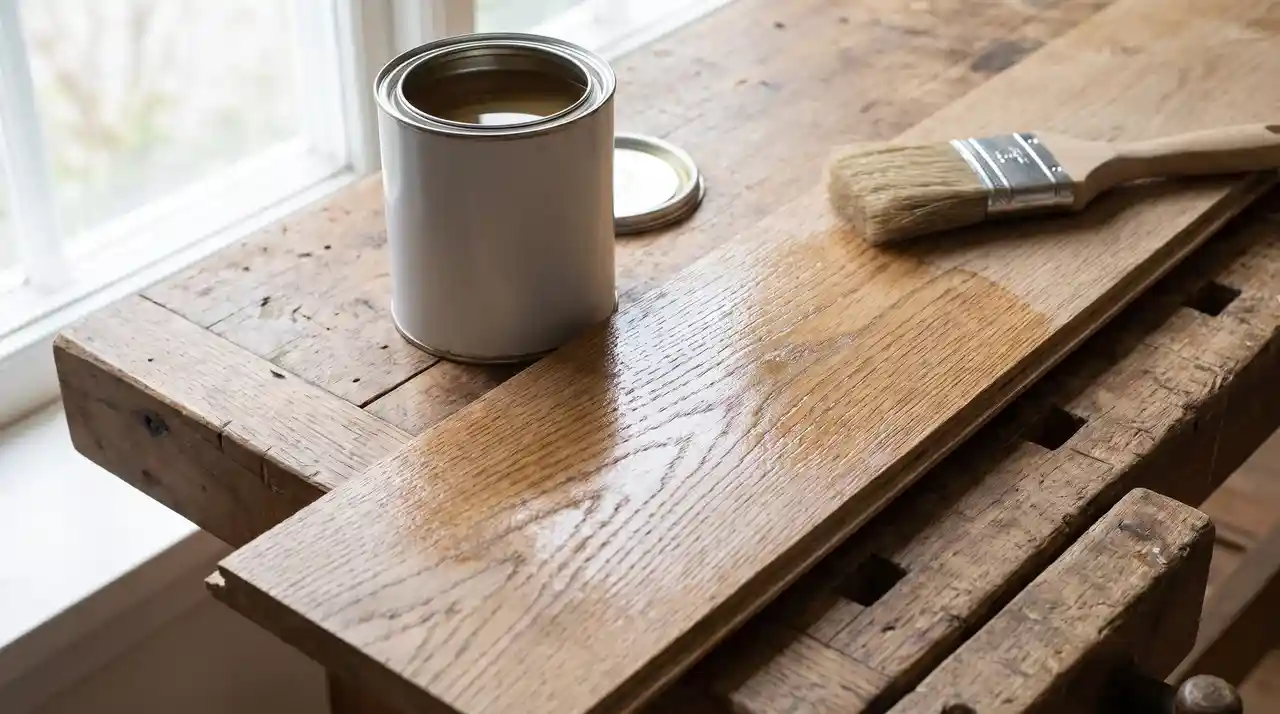
Hardwax oil combines the penetrating power of oil with the surface protection of wax. It has become popular in modern woodworking because it protects without leaving a plastic appearance.
Best for: interior wood floors, kitchen surfaces, dining tables, and stairs.
- Gives a natural matte or satin finish without any plastic look.
- Can be spot-repaired without refinishing the whole surface.
- Most formulas carry low VOC ratings, making them safer for indoor use.
- Self-levels better than straight oil, making application easier for beginners.
5. Shellac
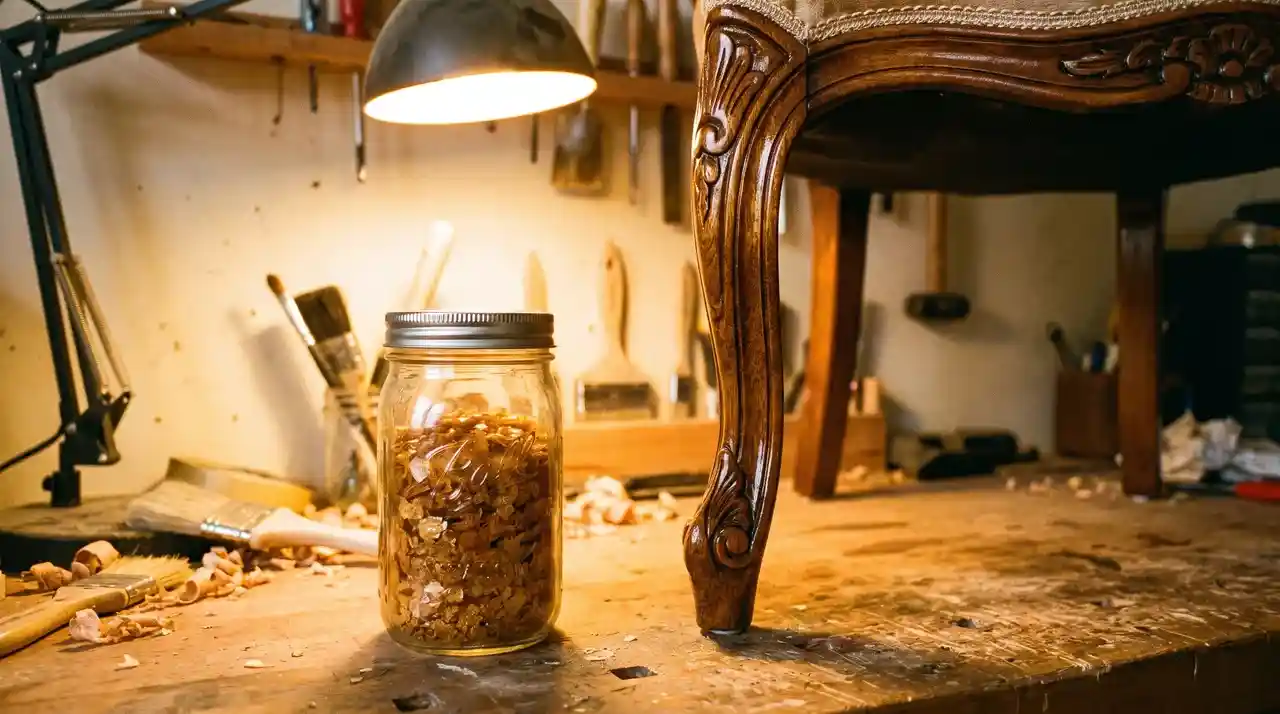
Shellac comes from lac resin, a natural substance produced by lac insects. It has been used in furniture finishing for centuries and is still one of the best primers and sealers available.
Best for: interior furniture, antique restoration, and as a sealer under other finishes.
- Gives a warm amber tone to wood.
- Dries fast, usually within 30 minutes.
- Not water-resistant. Avoid shellac on surfaces that are exposed to regular moisture.
- The same resin is used in some food coatings, making it technically food-safe once cured. However, shellac is dissolved in denatured alcohol during application, which is hazardous in enclosed spaces.
6. Water-Based Natural Finishes
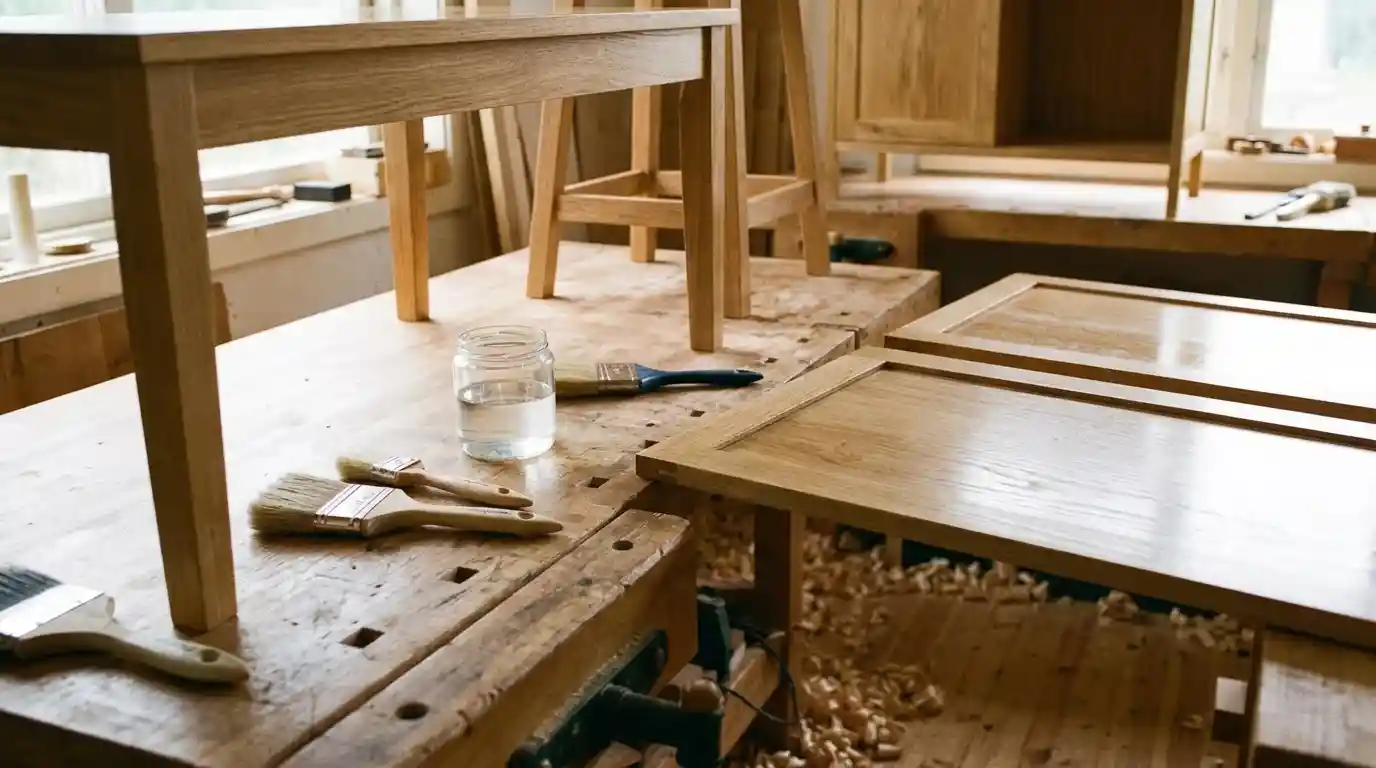
Water-based finishes have low VOC content and dry quickly. They dry clear without the amber tint that oils and shellac leave behind.
What you need to know:
- Best for: painted furniture, light-coloured wood, and interior projects.
- Dries clear and does not yellow over time.
- Fast drying means more coats per day.
- Less durable than oil on its own. Often used as a top coat over other finishes.
- Good choice for children’s furniture due to low fume output.
7. Walnut Oil
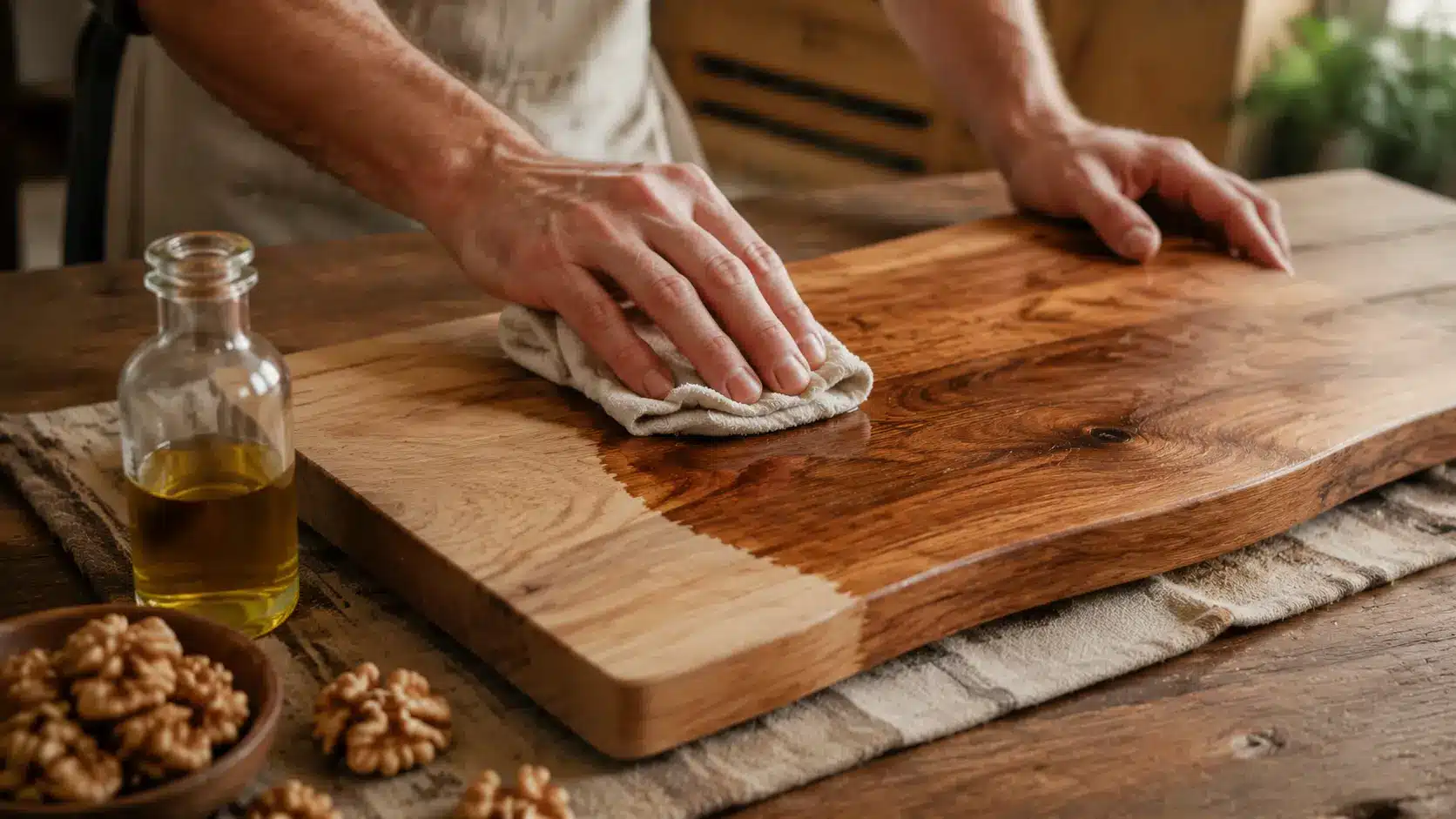
Walnut oil comes from cold-pressed walnut kernels. It is one of the safest finishes for surfaces that come into contact with food. It dries fully hard and does not go rancid over time, unlike mineral oil.
Best for: cutting boards, butcher blocks, wooden spoons, and salad bowls.
- 100% food-safe once cured
- Dries harder than mineral oil
- Gives a soft, low-sheen finish that does not darken the wood much
- Apply 3 to 4 thin coats with a lint-free cloth, wiping off excess after 20 minutes
Allergy note: Walnut oil is a tree nut product. Do not use it on shared kitchen items in households where someone has a nut allergy.
8. Danish Oil
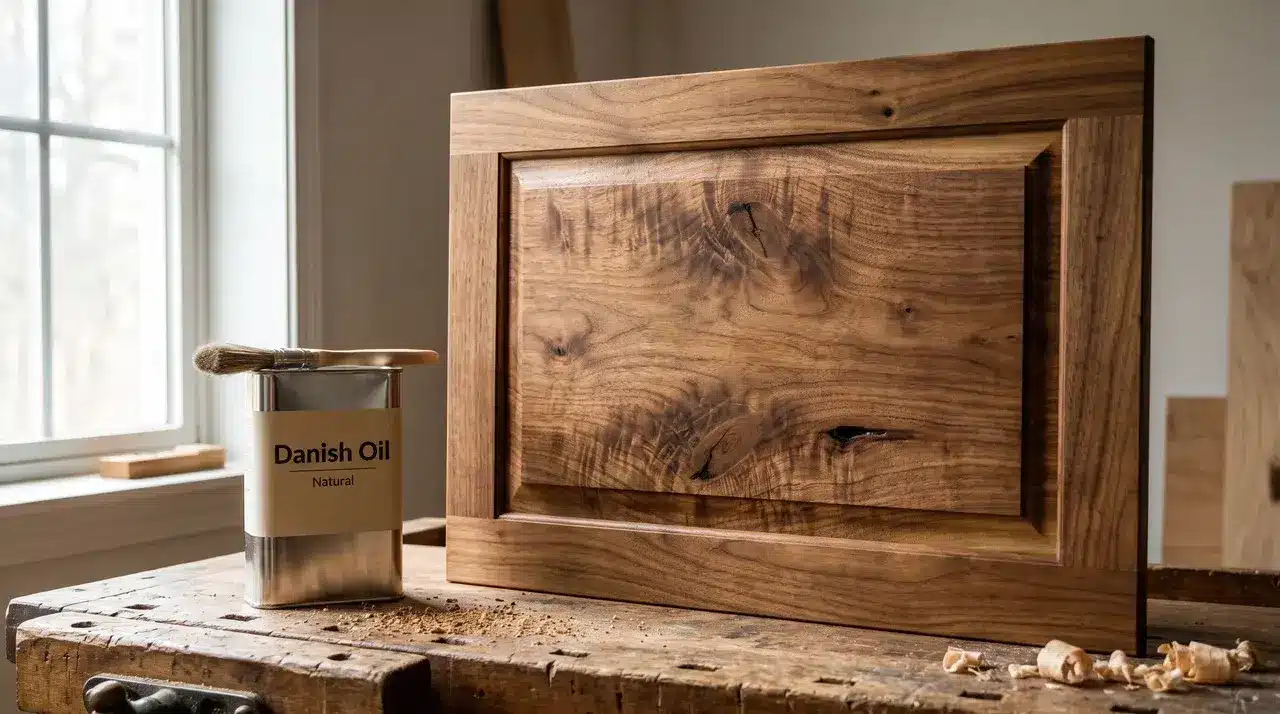
Danish oil is a blend of oil and varnish. It typically combines boiled linseed oil or tung oil with varnish and a small amount of mineral spirits. This mix gives it more protection than plain oil alone.
Best for: indoor furniture, raw wood cabinets, wooden countertops, and any interior woodwork that needs a durable finish without a plastic look.
- Dries faster than pure linseed oil
- Penetrates deeply and hardens inside the wood fiber
- Gives a warm, low-sheen finish similar to pure oil
- More water-resistant than plain linseed oil
- Apply 2 to 3 coats, wiping off excess after each coat
Note: Danish oil is not 100% natural. It contains varnish and solvent. For cutting boards and food prep surfaces, pure tung oil, beeswax, or walnut oil are safer choices
Does a Natural Wood Finish Change Wood Color?
Yes. Every finish type affects wood tone differently. Testing on a scrap piece or hidden area before applying to the full surface is always the right first step.
| Finish Type | Effect on Wood Color |
|---|---|
| Linseed oil | Darkens grain, adds warmth and a slight amber tone |
| Tung oil | Darkens grain, adds depth, minimal amber |
| Danish oil | Darkens grain, gives a rich appearance |
| Hardwax oil | Subtle darkening keeps a natural tone |
| Beeswax | Soft glow keeps a lighter appearance |
| Shellac | Adds amber tones, warms the surface noticeably |
| Walnut oil | Minimal color change, soft low sheen |
| Water-based finishes | Keeps the original color closest to the unfinished state |
Non-Toxic Natural Wood Finish for Homes with Children and Pets
Not every natural finish is automatically safe around children and pets. Some off-gas during application, and others contain added solvents even if the base ingredient is natural.
What food safe means:
- A finish is food-safe when fully cured, not when wet.
- Always check the manufacturer’s cured-state safety rating.
- Natural ingredients on the label do not automatically mean non-toxic during drying.
Safest options for homes with children or pets:
- Pure tung oil: Food-safe once cured—no added solvents in the pure version.
- Beeswax: Very low toxicity. Safe for cutting boards and children’s toy boxes.
- Walnut oil: Food-safe once cured. Good for kitchen items (check for nut allergies first).
- Hardwax oil (low VOC formula): Safe for nursery floors and play areas.
What to avoid in children’s rooms:
- Finishes containing mineral spirits or naphtha as thinners.
- Shellac dissolved in denatured alcohol (during application only).
- Any product labeled “tung oil finish” without a full ingredient list.
Pro Tip: Always apply any finish in a ventilated space, even non-toxic ones. Cured is safe. Wet is not.
Best Natural Wood Finish for Different Surfaces
The best finish for a dining table is not the same one you should use on a porch floor or a food prep surface. Matching the finish to how the surface is used makes a real difference in how long it holds up.
| Surface | Best Natural Finish | Avoid |
|---|---|---|
| Indoor furniture | Tung oil, hardwax oil, Danish oil | Raw linseed oil |
| Wood floors | Hardwax oil, Danish oil | Beeswax alone |
| Cutting boards | Pure tung oil, beeswax, walnut oil | Shellac, unknown finishes |
| Outdoor furniture | Boiled linseed oil, pure tung oil | Wax only, shellac |
| Antique restoration | Shellac, beeswax | Heavy synthetic coatings |
| Cabinets | Hardwax oil, tung oil, Danish oil | Soft wax alone |
| Stairs | Hardwax oil | Beeswax alone, shellac |
Quick rules to remember:
- Wax alone is too soft for floors. Always use it over a base oil on high-traffic surfaces.
- Outdoor wood needs water resistance. Most waxes and shellac do not provide that.
- Food surfaces need finishes confirmed as food-safe by the manufacturer after full curing. The ingredient list alone is not enough confirmation.
Outdoor wood structures need more than the right finish. For deck builds, wood species and structure also affect how long the surface holds up.
How to Apply a Natural Wood Finish the Right Way
Good prep matters as much as the product you choose. A quality finish on poorly prepared wood will still look poor. Follow these steps in order.
- Sand the wood. Start with 120-grit. Finish with 220-grit. Always sand in the direction of the grain. Do not go above 220-grit before the first coat. Finer sanding closes the wood grain and blocks oil from penetrating.
- Clean the surface. Remove all dust with a tack cloth or a slightly damp rag. Let it dry fully before the next step.
- Test first. Before applying to the full surface, test on a scrap piece or hidden area. Check the color change and how quickly the wood absorbs the finish.
- Apply a thin first coat. Use a lint-free cloth or a natural bristle brush. Work in the direction of the grain. Thin coats always outperform thick ones.
- Let it penetrate. Tung oil needs 30 to 45 minutes. Hardwax oil follows the label instructions. Do not rush this step.
- Wipe off the excess. This is the step most beginners skip. Pooled oil stays tacky and never dries correctly.
- Wait for the coat to cure. Surface dry is not the same as cured. Most oils need 24 to 72 hours between coats.
- Apply the second coat. Lightly buff with 400-grit sandpaper between coats for a smoother result.
- Final buff. Use a clean, dry cloth on wax finishes. Hardwax oil on floors may need a buffing machine.
Safety reminder: Linseed oil-soaked rags can self-ignite through oxidation. Lay them out flat on a non-combustible surface outdoors to dry completely. Never pile or bunch them indoors. Store in a sealed metal container filled with water if outdoor drying is not possible.
How Long Does a Natural Wood Finish Last?
Lifespan depends on the finish type, how much the surface is used, moisture exposure, and how well the finish was applied in the first place.
| Finish | Typical Maintenance Interval |
|---|---|
| Beeswax/carnauba wax | Every 6 to 12 months |
| Walnut oil/hemp oil | Every 3 to 6 months |
| Linseed oil | Every 2 to 4 years |
| Tung oil | Every 2 to 3 years |
| Danish oil | Every 2 to 3 years |
| Hardwax oil (floors) | Every 3 to 7 years |
| Shellac | Depends on moisture exposure and traffic level |
Common Mistakes to Avoid with Natural Wood Finishes
Even the best natural wood finishes can lose their beauty when applied incorrectly. Avoiding a few common mistakes helps protect the wood and achieve a lasting finish.
- Applying too thick. Oils need to soak in, not sit on the surface. Thick coats stay sticky and cure unevenly.
- Skipping the wipe-off step. Any excess left on top pools and never fully dries. Always wipe off what the wood did not absorb.
- Not waiting between coats. Rushing causes a gummy, uneven surface on the final coat.
- Using the wrong finish for the surface. Wax on a floor. Shellac on a wet countertop. Both fail fast.
- Buying “tung oil finish” instead of pure tung oil. The blended version often contains polyurethane. Check the ingredient list before buying.
- Sanding too fine before the first coat. Anything above 220 grit closes the grain and prevents the oil from penetrating the wood properly.
- Skipping ventilation. Even low-VOC finishes need fresh air during application.
Wrapping Up
Choosing a natural wood finish depends on how the surface is used. Danish oil suits indoor furniture, hardwax oil works well for floors and stairs, and pure tung oil is ideal for food surfaces.
The right finish protects the grain, allows easy repairs, and helps wood age naturally. Always remove excess oil before it builds up, and choose a finish that matches the demands of your project.
Which natural wood finish have you used on your projects? Share your experience in the comments below.
Frequently Asked Questions
Can You Mix Different Natural Wood Finishes Together?
You can layer them: apply an oil base first, then a wax top coat. Mixing them wet in one application is not recommended. They cure at different rates, and the result is unpredictable.
How Do You Know When a Natural Wood Finish Is Fully Cured?
The surface feels hard and not tacky, with no remaining odor. Most oils take 3 to 7 days to fully cure indoors at normal room temperature, even when the surface feels dry to the touch earlier.
What is the Most Popular Wood Finish?
Polyurethane is the most widely used finish overall. For natural options, tung oil and hardwax oil are the most common choices.