Storage and Organization Tips for Home-Based Businesses

Running a business from home sounds simple until the boxes start stacking up in the hallway. Suddenly, your dining table is a packing station and your guest room looks like a stockroom. If your space feels tight, then your systems probably need an upgrade.
According to research from the Harvard Kennedy School, remote and home-based work has reshaped how people think about productivity and workspace design. If your environment supports focus and flow, then your output improves. If it feels cluttered and cramped, however, even simple tasks take longer than they should.
Design a Clear Boundary Between Home and Business
When work and home share the same square footage, neither function thrives without structure. You need physical cues that signal “this is business” and “this is home.” Otherwise, the lines blur and so does your focus.
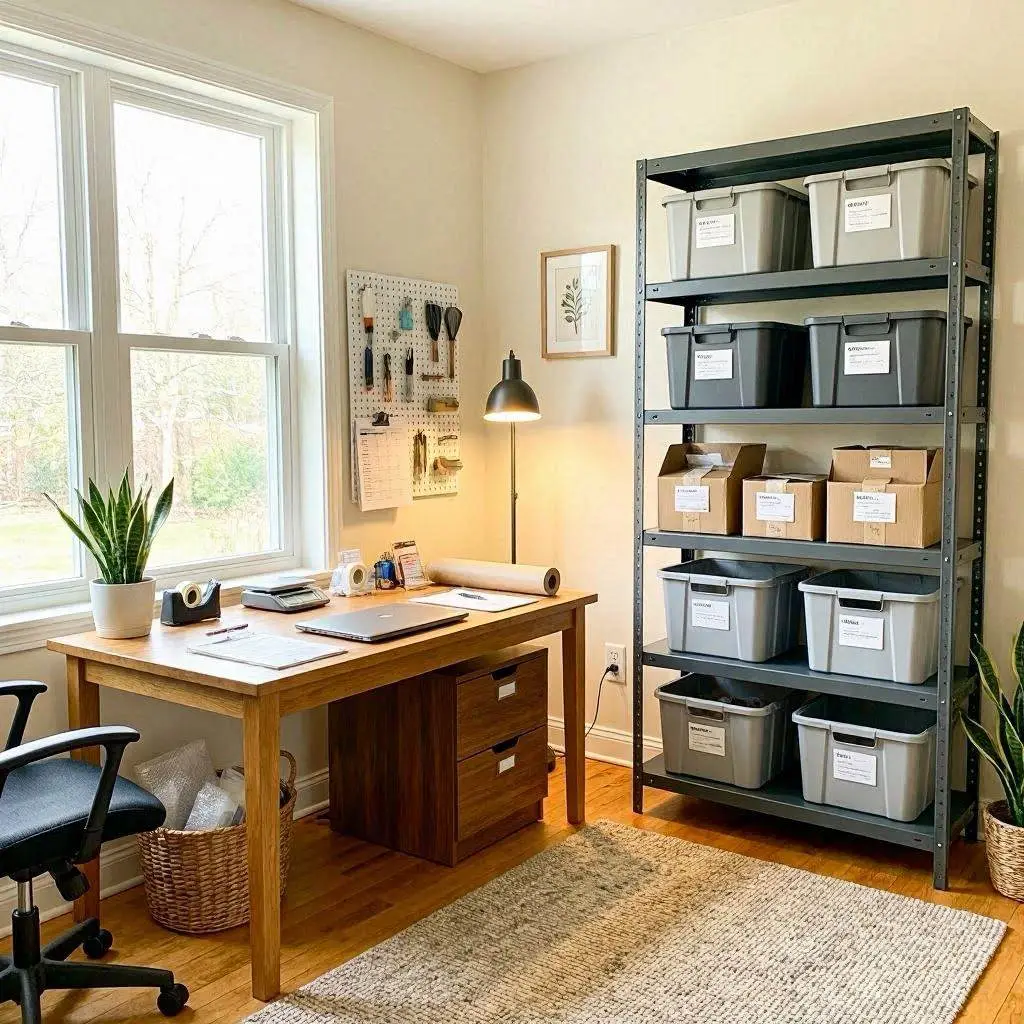
Start by defining zones. If you cannot dedicate an entire room, then carve out a section using shelving, rugs, or furniture placement. Not only does this help mentally separate work from life, but it also reduces visual noise.
Vertical storage works especially well here. Instead of spreading supplies across horizontal surfaces, build upward. Floor space stays open, and the room feels lighter even as capacity increases.
Think Like a Small Warehouse Not a Spare Bedroom
Home-based businesses often grow faster than their storage plan. At first, a few plastic bins seem fine. However, once inventory expands, those bins become unstable stacks that waste space and time.
Warehouse storage trends show a clear shift toward vertical expansion and modular systems. The same principle applies at home. If you organize upward and in categories, then you reduce friction in daily tasks.
Before buying anything new, evaluate what you store most often:
- Fast moving inventory should sit at eye level
- Heavier items belong on lower shelves
- Supplies used weekly should be within arm’s reach
These simple shifts reduce bending, searching, and re-stacking. Consequently, packing orders or prepping materials becomes faster and less frustrating.
Upgrade to Shelving That Can Grow With You
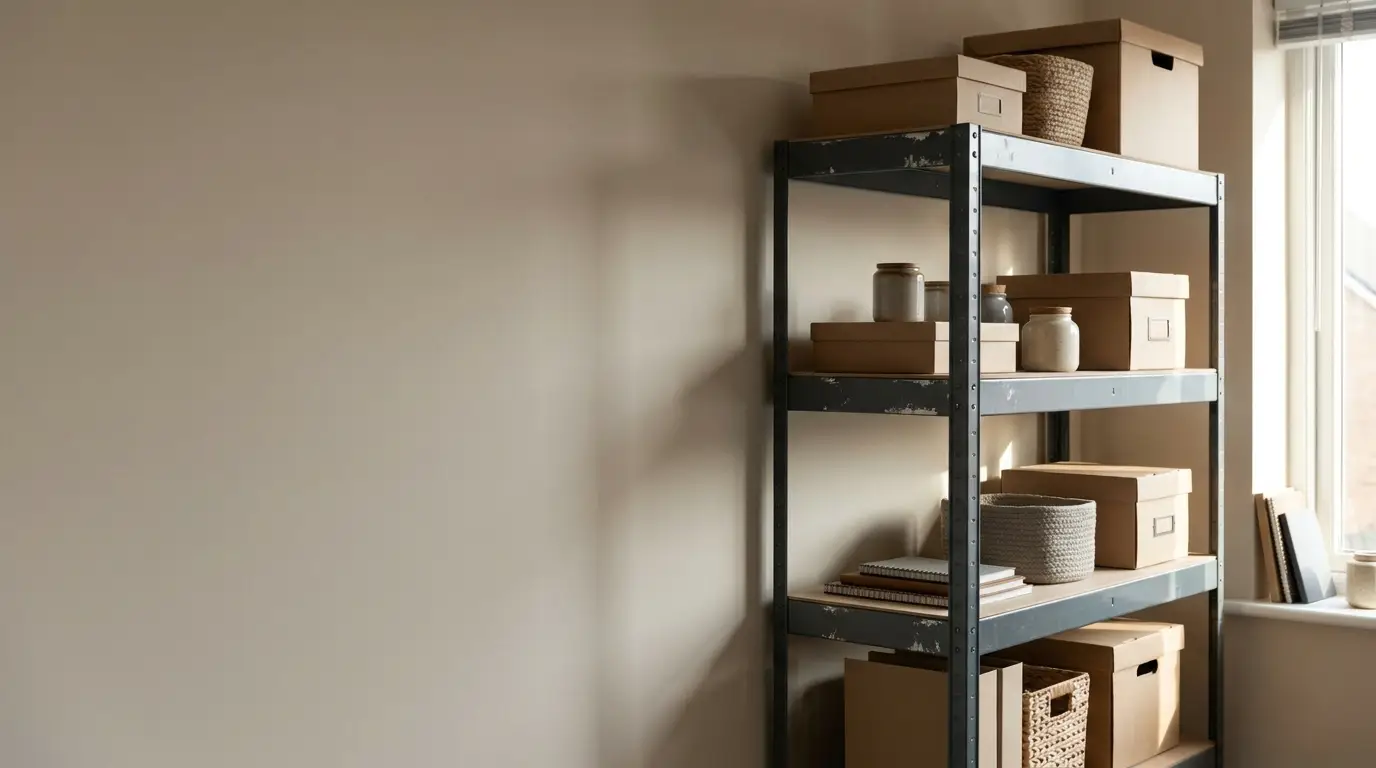
Lightweight bookcases may look tidy at first, but they rarely handle serious weight. Over time, shelves bow, anchors loosen, and safety becomes a concern. If your business handles inventory, tools, or bulk materials, then sturdier systems are worth considering.
When your inventory starts creeping into the hallway closet, it might be time to look into used commercial shelving units, because they’re built to handle real weight and real volume without taking over your entire home. Unlike decorative shelving, commercial-grade units are designed for durability, adjustability, and long-term use.
Used options are especially practical. You get industrial strength at a lower cost, which protects your margins while upgrading your setup. Additionally, many commercial systems are modular. If your business scales, then you can expand rather than replace.
Sustainability is another factor. As noted by industry experts, long-lasting storage solutions are becoming a priority in modern planning. Investing in durable shelving means fewer replacements and less waste over time.
Create Systems That Reduce Daily Decisions
Clutter is not always about volume. Often, it is about decision fatigue. If every task requires moving three things first, then productivity slows.
Instead, create repeatable systems. Use clear bins either for raw materials or for finished goods, but not both mixed together. Label shelves by function rather than vague categories. If you ship orders daily, then build a packing station that stays stocked and ready.
Consistency matters more than perfection. A system that works 80 percent of the time is better than one that looks beautiful but collapses under real use. Moreover, when everything has a designated place, resetting your space at the end of the day takes minutes rather than hours.
Make It Functional and Delightful
Storage should feel supportive, not cold or overwhelming. Commercial shelving can be styled with coordinated bins, soft textures, and natural finishes so it blends into your home. When structure encourages creativity, both can thrive together.
The goal is balance, neither a staged showroom nor a warehouse copy. You want a space that supports growth without crowding daily life. When storage works with you, your business feels lighter and more focused each day. Start small and adjust as needed confidently.