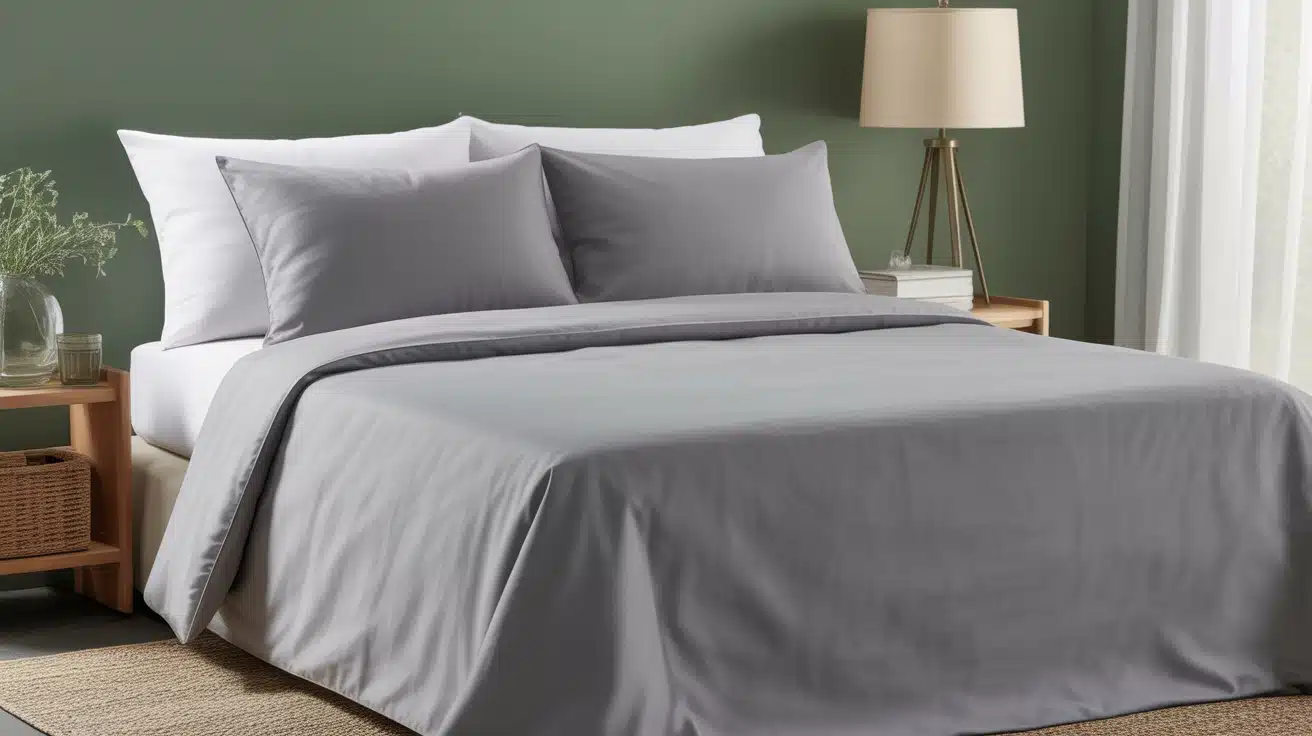
Are Polyester Sheets Bad? Best Alternatives for Better Sleep

Polyester sheets are among the most commonly used bedding options today because they are affordable, durable, and easy to maintain.
However, there is often confusion about whether they are good for sleep comfort or if they affect factors like breathability, skin comfort, and temperature regulation.
While polyester is not harmful to health, its synthetic nature can influence how cool and comfortable you feel during the night.
This post breaks down everything you need to know about polyester sheets, including their benefits, drawbacks, and when they make sense as a bedding choice.
Are Polyester Sheets Bad?
Polyester sheets are not inherently bad, but they are often less breathable than natural fabrics like cotton or bamboo, which can make them feel warmer and less comfortable for some sleepers, especially those who overheat at night or have sensitive skin.
They are, however, durable, affordable, wrinkle-resistant, and easy to care for, making them a practical choice for budget bedding or guest rooms.
The main trade-off is comfort versus convenience, since polyester tends to trap heat and moisture compared to more natural, breathable materials.
What are Polyester Sheets?
Polyester sheets are bedding made from synthetic fibers derived from petroleum-based materials. These fibers are chemically processed, spun into threads, and woven into fabric to create durable, lightweight, and low-maintenance bed sheets.
They are widely used because they are affordable, wrinkle-resistant, and quick-drying, and are often blended with cotton to improve comfort.
However, compared to natural fabrics like cotton or bamboo, polyester sheets are generally less breathable and may retain more heat during sleep.
How Polyester Sheets Affect Sleep and Health
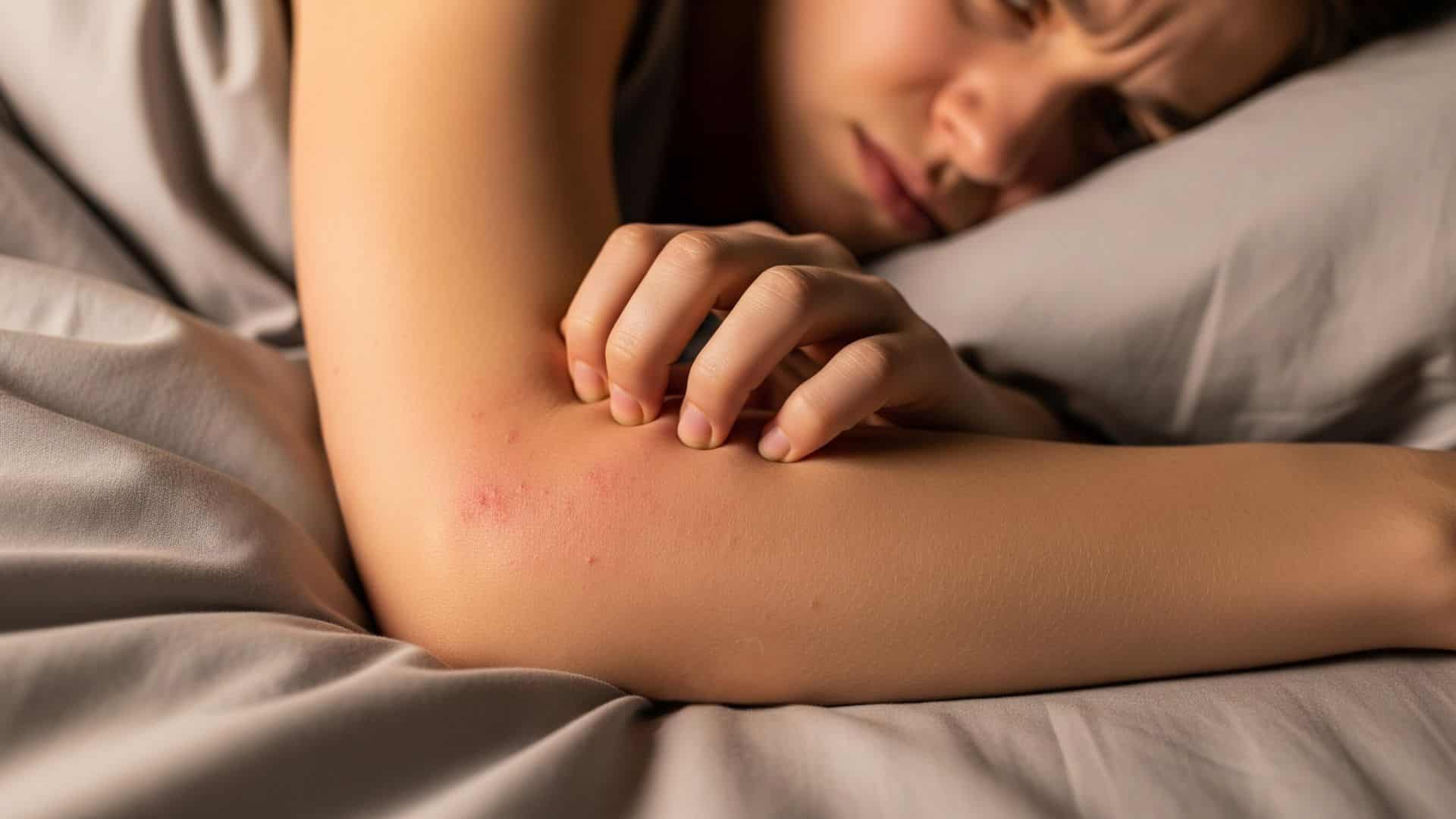
Polyester sheets are widely used in everyday bedding because they are affordable and easy to maintain. However, their synthetic structure affects sleep comfort, skin interaction, and environmental sustainability in different ways. Understanding these effects helps in choosing bedding that better matches personal comfort needs and lifestyle priorities.
1. Sleep Temperature Regulation and Night Comfort
Polyester sheets tend to retain body heat because synthetic fibers do not allow efficient air circulation. This reduced airflow can make the sleeping surface feel warmer throughout the night, especially in hot climates or during summer months.
For people who naturally sleep warm, this may lead to discomfort and frequent repositioning during sleep. While they provide a smooth surface initially, the lack of cooling ability is one of the most noticeable drawbacks in long-term sleep comfort.
2. Moisture Behavior and Night Sweat Management
One of the main limitations of polyester bedding is its low moisture absorption. Instead of drawing sweat away from the body, the fabric tends to hold moisture on the surface.
This can create a damp or sticky sensation during sleep, particularly for individuals who experience night sweats. Over time, this moisture retention can also contribute to a less fresh sleeping environment compared to breathable natural fabrics like cotton or bamboo.
3. Skin Interaction and Sensitivity Factors
Polyester sheets are generally safe for most users, but skin reactions can vary depending on sensitivity. The smooth synthetic surface may sometimes cause irritation due to friction or trapped heat against the skin.
People with conditions such as eczema or dermatitis may notice increased discomfort in warmer conditions. However, these reactions are typically related to heat and texture rather than any harmful chemical exposure from the fabric itself.
4. Environmental Sustainability and Microplastic Concerns
From an environmental perspective, polyester has a greater impact than natural fibers. It is derived from petroleum-based materials and does not biodegrade easily, which means it remains in landfills for long periods.
Additionally, washing polyester bedding can release microplastic particles into water systems, contributing to long-term environmental pollution. This makes it less sustainable than alternatives such as organic cotton or bamboo-based fabrics.
5. Practical Safety and Everyday Usability
Despite its limitations, polyester bedding is still widely considered safe for regular household use. It poses no direct health risks under normal conditions and is approved for consumer textiles globally.
Its popularity comes from practical advantages such as durability, wrinkle resistance, and low maintenance requirements. This makes it a functional choice for guest rooms, budget setups, and situations where convenience is prioritized over premium sleep comfort.
Polyester vs Cotton vs Bamboo Sheets
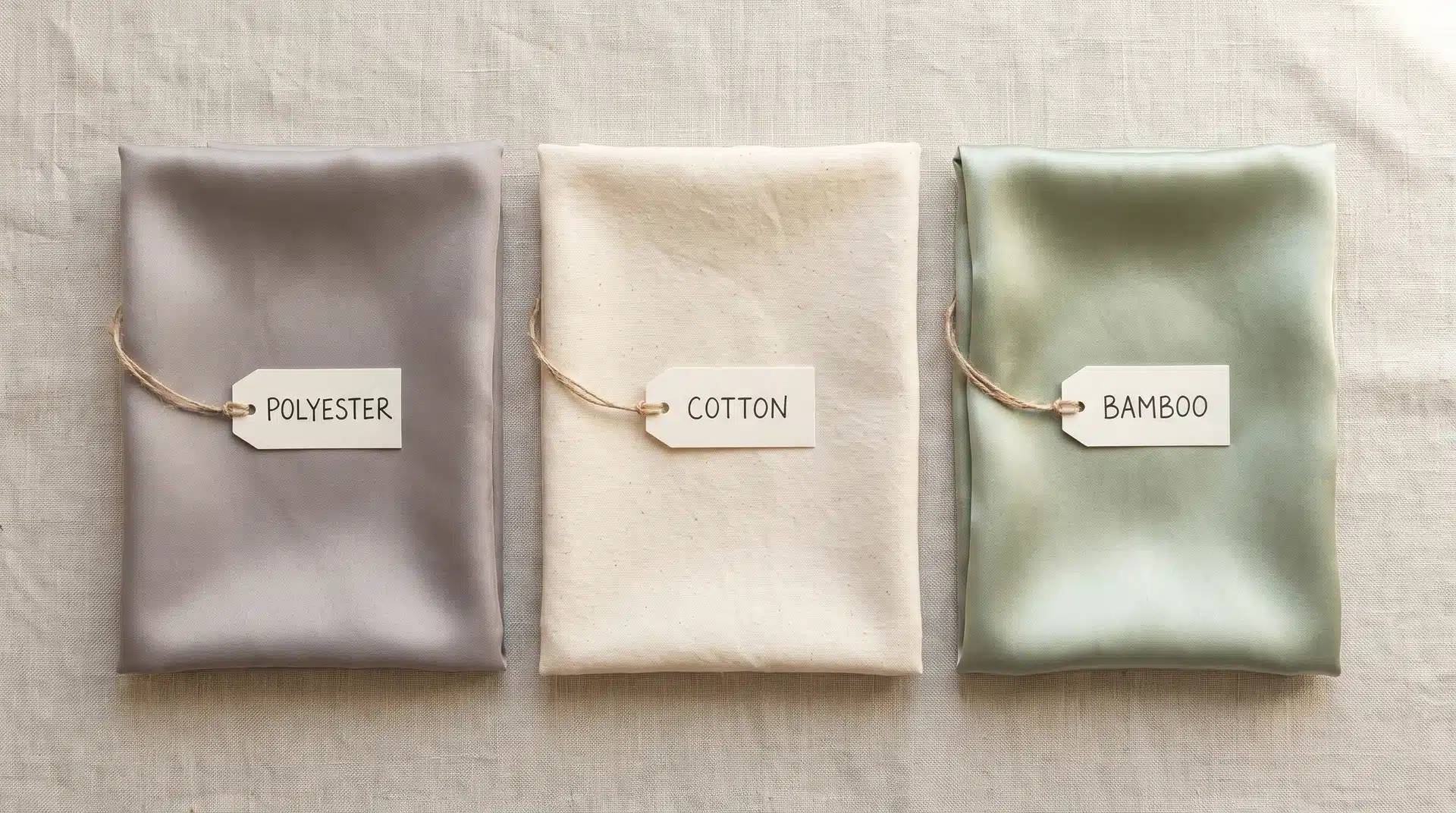
To choose the right bedding, it’s important to understand how polyester compares with natural fabrics like cotton and bamboo in real sleep conditions. Each material performs differently in comfort, breathability, and durability.
Below is a simple comparison to help you decide based on your needs.
| Feature | Polyester Sheets | Cotton Sheets | Bamboo Sheets |
|---|---|---|---|
| Breathability | Low, traps heat | High, very breathable | Very high, naturally cooling |
| Moisture Control | Poor, holds sweat | Good, absorbs moisture | Excellent, wicks moisture |
| Comfort Feel | Smooth but synthetic | Soft and natural | Ultra soft and silky |
| Temperature Regulation | Retains heat | Balanced for all seasons | Stays cool in heat |
| Durability | Very high | Moderate to high | Moderate |
| Maintenance | Very easy, wrinkle-resistant | Moderate care needed | Easy care |
| Price | Low cost | Mid to high | Mid to high |
| Eco Impact | Low sustainability | Natural, biodegradable | Eco-friendly and renewable |
Who Should Avoid Polyester Sheets?
Polyester sheets are widely used for their affordability and durability, but they are not ideal for everyone. Certain individuals may experience discomfort or reduced sleep quality depending on their body type, skin sensitivity, and environment.
- Hot Sleepers: People who naturally feel warm at night should avoid polyester sheets because they tend to trap heat and reduce airflow. This can lead to overheating and disturbed sleep.
- People with Sensitive Skin: Those with eczema, dermatitis, or easily irritated skin may find polyester uncomfortable due to heat buildup and friction against synthetic fibers.
- Humid Climate Users: In humid environments, polyester does not absorb moisture well, which can create a damp or sticky sleeping surface during the night.
- Allergy-Prone Individuals: People sensitive to dust buildup may prefer natural fabrics since polyester can trap dust, sweat, and oils more easily if not washed frequently.
- Comfort-Focused Sleepers: Anyone prioritizing premium comfort and breathability may find polyester less comfortable than natural fabrics like cotton, bamboo, or linen.
When Polyester Sheets Are a Good Choice
Polyester sheets are not ideal for everyone, but they work very well in specific situations where affordability, durability, and easy maintenance matter more than breathability.
- Budget-Friendly Bedding Needs: Polyester sheets are a smart choice when you need low-cost bedding without compromising durability. They offer decent comfort at a much lower price than natural fabrics like cotton or bamboo.
- Guest Rooms and Occasional Use: They are perfect for spare bedrooms or guest setups that are not used daily. Their low-maintenance nature makes them ideal for occasional sleeping arrangements.
- Low Maintenance Lifestyle: Polyester sheets dry quickly, resist wrinkles, and require very little ironing or special care. This makes them ideal for people who prefer hassle-free bedding routines.
- Durability for Frequent Washing: They hold up well even after repeated washing cycles compared to some natural fabrics. This makes them suitable for households that wash bedding often.
How to Choose Better Polyester Sheets
To choose better polyester sheets, focus on fabric quality, weave density, and blend composition, since not all polyester bedding performs the same.
Higher-quality microfiber polyester with a tighter weave feels softer, lasts longer, and reduces the rough or sticky texture found in cheaper options.
It’s also better to choose cotton-polyester blends if possible, as they improve breathability and comfort while keeping the durability and easy-care benefits of polyester.
Look for certifications like OEKO-TEX to ensure safer chemical standards, and avoid extremely low-cost sheets that often trap more heat and wear out quickly.
Final Thoughts
Polyester sheets are not bad, but they are not the most comfortable option for everyone.
They perform well in durability, affordability, and low maintenance, making them practical for everyday use or budget-friendly setups.
However, they may fall short in breathability and cooling, which can affect sleep quality for hot sleepers or those with sensitive skin.
In the end, choosing between polyester and natural fabrics like cotton or bamboo comes down to what matters more to you: convenience or long-term sleep comfort.
Frequently Asked Questions
Is It Unhealthy to Sleep in Polyester Bedding?
Yes, they can affect sleep quality for some people by trapping heat and moisture, which may cause discomfort at night.
Is Microfiber Better than Polyester Sheets?
Microfiber is a finer, softer version of polyester, but it still shares similar limitations in breathability and temperature control.
Which Is Better for Bedding, Polyester or Cotton?
Cotton is usually better for comfort and airflow, while polyester is preferred for durability, affordability, and easy maintenance.