
Is Your Tree a Safety Hazard? Key Signs You Should Never Ignore

Have you ever looked at a tree in your yard and wondered if it could become dangerous without warning? Trees add beauty, shade, and value to a property, but they can also develop hidden problems over time. A weak or damaged tree may fall during a storm, drop large branches, or cause damage to nearby structures.
Many warning signs appear long before a tree fails, yet they are often missed. Understanding these clues can help prevent costly repairs and serious accidents. This guide will help you identify important tree hazard signs and learn when professional attention may be needed.
Why Tree Safety Matters
Trees are strong living structures, but they are not immune to damage. Age, weather, disease, and poor growing conditions can weaken them over time. When problems are ignored, the risk of failure can increase.
A failing tree can damage homes, vehicles, fences, and utility lines. Falling branches may also create safety risks for people nearby. Recognizing problems early can help reduce these dangers.
Many property owners assume healthy-looking trees are always safe. However, some serious issues begin inside the trunk or roots. Regular observation helps catch hidden problems before they become severe.
Regular tree inspections can help identify concerns before they become serious. Small warning signs are often easier and less expensive to address when found early. Taking time to check trees throughout the year can improve safety and protect nearby property.
Understanding Tree Hazard Signs
Tree hazard signs often appear gradually rather than all at once. Small changes in structure, growth, or appearance can point to larger concerns. Paying attention to these details can help prevent future problems.
Structural weakness is one of the most common causes of tree failure. Cracks, decay, and damaged roots can reduce a tree stability. When these conditions worsen, the tree may struggle to remain upright.
Weather events can make existing weaknesses more dangerous. Strong winds and heavy rain place extra stress on damaged trees. This can increase the likelihood of falling limbs or complete collapse.
Trees located near homes, roads, or power lines deserve extra attention. Even a small defect can become a larger safety concern when valuable property is nearby. Watching for changes over time can help reduce risks and support timely action.
Cracks Along the Trunk
Large cracks in a trunk are often signs of structural stress. These openings may develop after storms, physical damage, or long-term weakness. Deep cracks can reduce the tree’s ability to support its weight.
Some cracks are easy to spot from the ground. Others may extend higher into the tree and require closer inspection. Any crack that appears wide or deep should be taken seriously.
New cracks can indicate active movement within the tree. This movement may mean the structure is becoming unstable. Monitoring changes can help determine whether the risk is increasing.
Cracks that continue to grow over time may signal worsening structural problems. Water can enter these openings and increase the risk of decay inside the trunk. Regular checks can help identify changes before the damage becomes more severe.
Decay and Hollow Areas
Decay is a major warning sign that should never be ignored. Rotting wood loses strength and can no longer support the tree properly. As decay spreads, the risk of failure grows.
Hollow sections inside a trunk often result from long-term decay. While some trees can survive with hollow areas, large cavities may weaken them significantly. The amount and location of the damage are important factors.
Mushrooms or fungal growth near the trunk can also indicate internal decay. These organisms feed on dead or weakened wood. Their presence often suggests hidden problems beneath the surface.
Discolored wood, soft spots, or areas that crumble easily may also point to decay. These symptoms often develop slowly and can be difficult to notice at first. Checking the trunk regularly can help reveal signs of weakening before major damage occurs.
Dead or Falling Branches
Dead branches are among the easiest warning signs to notice. They may appear brittle, bare, or lack healthy leaves during the growing season. These branches can fall without warning.
Large dead limbs are especially concerning when they extend over buildings or walkways. Even calm weather can cause weakened branches to break. The risk often increases during storms.
Frequent branch loss may point to deeper health issues. Disease, root damage, or internal decay can contribute to widespread dieback. Identifying the cause is important for long-term safety.
Dead branches can also attract insects and pests that target weakened wood. Their presence may create additional stress on a tree that is already struggling. Removing hazardous limbs can help improve safety and reduce further damage.
Leaning That Continues to Worsen
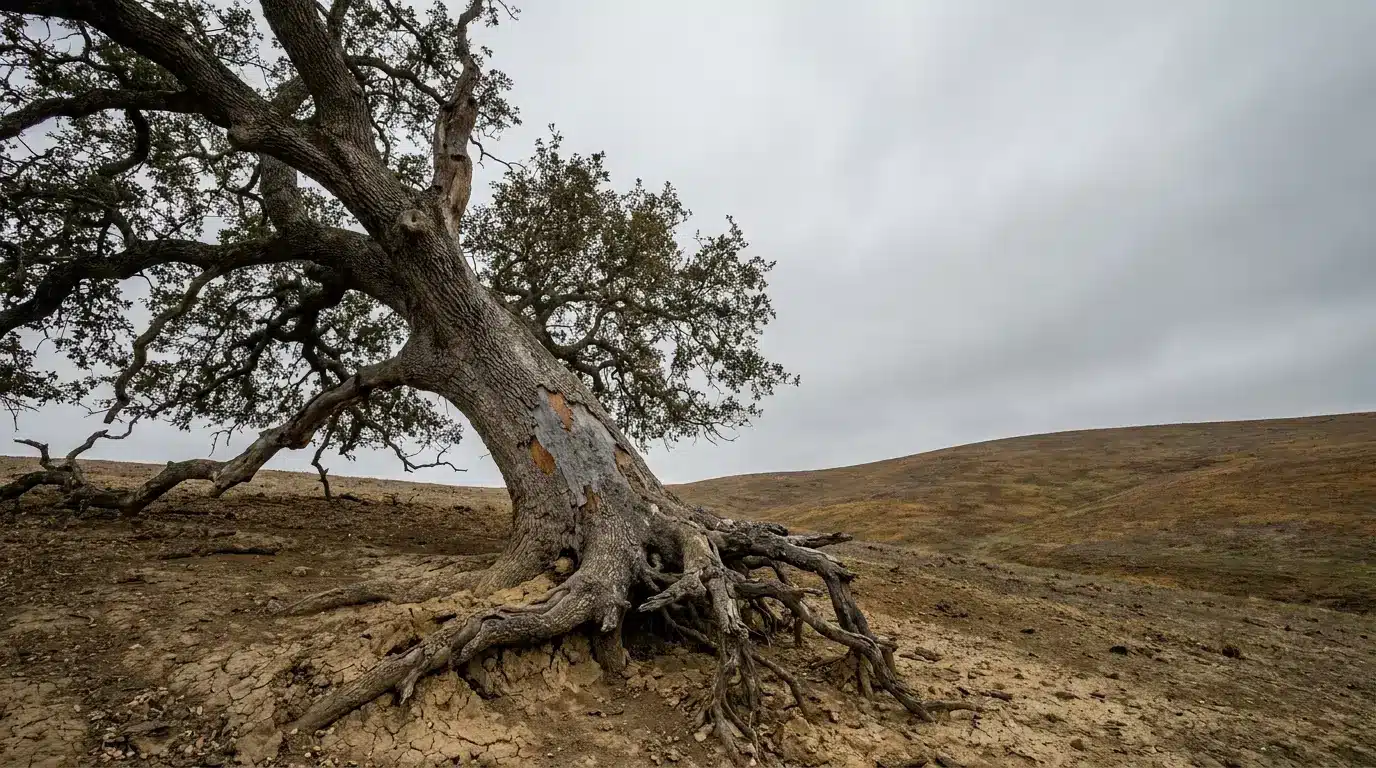
Some trees naturally grow at an angle and remain stable for years. A sudden lean, however, can signal serious structural problems. This change often deserves immediate attention.
A tree that begins leaning after heavy rain or strong wind may have root damage. The soil around the base may also show signs of movement. These conditions can increase the chance of failure.
Watch for exposed roots or raised soil near the trunk. These signs suggest the tree may be shifting from its original position. Continued movement is often a warning of instability.
A leaning tree should be checked regularly to see if the angle continues to change. Even small shifts can indicate that the support system below the ground is weakening. Early evaluation can help determine whether the tree poses a growing safety risk.
Root Problems Below the Surface
Healthy roots provide the support that keeps a tree standing. When roots become damaged, the entire structure can weaken. Root issues are often difficult to see because they occur underground.
Construction work, soil compaction, and trench digging can harm roots. Damage may not become visible until months or years later. Trees sometimes decline slowly after root injuries.
Signs of root problems can include poor growth, thinning leaves, or unexplained branch loss. In some cases, mushrooms appear around the base of the tree. These clues may indicate hidden decay below ground.
Changes in the ground around a tree can also suggest root trouble. Sunken soil, cracks in the earth, or poor drainage may indicate that the root system has been affected. Watching for these signs can help identify problems before stability becomes a concern.
Weak Branch Connections
Not all branch attachments are equally strong. Some branches develop narrow connections that create weak points within the tree. These areas are more likely to split under pressure.
Included bark is a common problem in weak branch unions. Instead of forming a solid connection, bark becomes trapped between growing stems. This prevents the branches from joining properly.
Heavy limbs attached to weak unions can create safety concerns. Wind and storms place extra strain on these areas. Over time, the connection may fail and cause significant damage.
Visible cracks near branch unions can be another sign of weakness. These openings may grow larger as the tree moves in the wind over time. Regular inspections can help detect developing problems before a branch separates from the tree.
Signs of Disease and Decline
Diseases can weaken trees and make them more vulnerable to failure. Many infections affect the trunk, branches, or root system. Early detection often improves management options.
Leaves may provide important clues about tree health. Unusual discoloration, early leaf drop, or sparse growth can signal problems. Changes that continue over multiple seasons deserve attention.
Cankers, fungal growth, and areas of dead bark are also common warning signs. These symptoms may indicate disease or internal damage. Prompt evaluation can help determine the level of risk.
Some diseases spread slowly and may not cause obvious symptoms right away. A tree can appear healthy while hidden damage continues to develop inside. Regular monitoring can help identify changes before the condition becomes more severe.
Storm Damage That Should Not Be Ignored
Storms can leave lasting damage even when trees remain standing. Broken limbs and split trunks may weaken the structure significantly. Problems sometimes worsen after the storm has passed.
Hanging branches are especially dangerous because they can fall unexpectedly. These limbs may remain suspended high above the ground. Removing them safely often requires professional assistance.
Trees that lose major limbs may become unbalanced. This uneven weight distribution can create additional stress. Future storms may increase the likelihood of failure.
Hidden damage may not be visible immediately after a storm ends. Small cracks and weakened areas can expand over time as the tree continues to grow and move. A careful inspection can help uncover problems before they become more serious.
The Danger of Multiple Trunks
Some trees grow with two or more main trunks. While this may appear normal, certain trunk arrangements create weak structures. Problems often develop where the trunks meet.
Narrow angles between trunks can trap bark inside the connection. This reduces strength and prevents proper support from forming. As the tree grows, the pressure at this point increases.
Large multi-trunk trees should be monitored carefully. Cracks and separation can develop over time. Early action may help reduce the risk of sudden failure.
Strong winds can place extra stress on trees with multiple trunks. The force of movement may widen weak connections and increase the chance of splitting. Regular inspections can help identify developing issues before major damage occurs.
Changes in Bark Appearance
Bark helps protect the tree from injury and disease. Significant changes in bark condition may indicate underlying problems. These changes often provide valuable clues about tree health.
Peeling bark, missing sections, or deep wounds should not be overlooked. Damage can expose inner wood to insects and decay. This may weaken the tree over time.
Areas of loose bark sometimes conceal hidden decay beneath the surface. Careful inspection can reveal whether damage is spreading. Monitoring these areas is an important part of tree safety.
Unusual bark discoloration can also signal stress or disease within a tree. Dark patches, sunken areas, or uneven textures may suggest that damage is developing beneath the surface. Observing these changes over time can help reveal emerging concerns.
When Professional Help Is Needed
Some tree problems require expert evaluation. Professionals can identify issues that may not be obvious to property owners. Their assessments help determine whether corrective action is necessary.
If a tree shows multiple warning signs, it is wise to seek assistance. A qualified arborist can inspect the structure, roots, and overall health. This information supports informed decisions about maintenance.
In situations where removal becomes necessary, working with a trusted tree removal company in Brookhaven can help address serious safety concerns. Professional services often have the equipment and experience needed for complex situations. Proper removal helps protect nearby property and people.
Professional inspections can also provide recommendations for ongoing tree care. These suggestions may help reduce stress on the tree and improve its long-term stability. Regular expert guidance can support both safety and tree health.
Simple Ways to Monitor Tree Health
Regular observation is one of the best ways to detect problems early. Small changes are easier to notice when trees are checked throughout the year. Consistent monitoring supports long-term safety.
Look at the trunk, branches, roots, and leaves during each inspection. Compare current conditions with previous observations. This can help reveal changes that might otherwise go unnoticed.
After severe weather, inspect trees for new damage. Fresh cracks, broken limbs, and soil movement deserve attention. Early action can prevent minor issues from becoming major hazards.
Protecting Your Property Through Early Action
Taking action early often reduces the chance of costly damage. Small problems are usually easier to manage than major structural failures. Prevention is often safer and less expensive than emergency work.
Addressing warning signs quickly can also improve tree health. Proper pruning and maintenance may reduce stress on weakened areas. In some cases, corrective care can extend the tree’s lifespan.
Property owners benefit from understanding the risks associated with neglected trees. Awareness supports better decisions about maintenance and safety. A proactive approach helps create a safer outdoor environment.
Don’t Wait for a Tree to Fail
Trees provide many benefits, but they can also become dangerous when hidden problems develop. Learning to recognize cracks, decay, dead branches, root damage, and other warning signs can help prevent accidents before they happen. Early inspections often reveal concerns that are easier and less costly to address.
Paying attention to changes throughout the year supports safer properties and healthier landscapes. By understanding common tree hazard signs, property owners can make informed decisions and reduce risks before serious damage occurs.
Did this guide help you? Browse the rest of this section for more advice on a variety of topics.