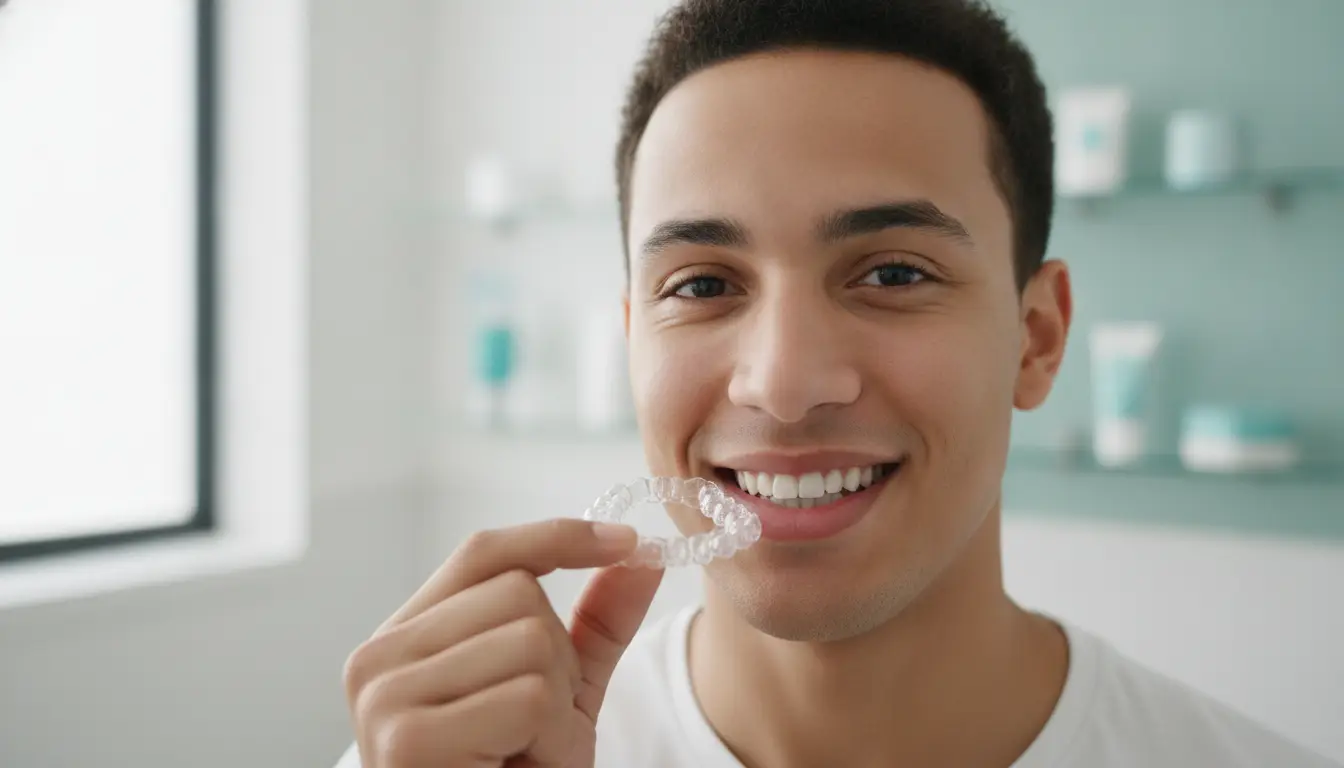
What to Expect During Your First Year Using Invisalign Aligners

If you are starting Invisalign treatment, it helps to know what daily life may look like over the coming months. The process is generally straightforward, but there are a few surprises that catch people off guard. From learning how to remove aligners to adjusting your eating habits, understanding what lies ahead can make the experience feel much more manageable.
Most people settle into a routine within a few weeks. The aligners become part of daily life, and many of the small frustrations that seem noticeable at first eventually fade into the background. Knowing what to expect can help you stay consistent and get the most from your treatment.
The First Few Weeks Are an Adjustment Period
The first thing many people notice is pressure. Invisalign aligners are designed to move teeth gradually, so some tenderness is normal, especially when switching to a new set of trays. That sensation often peaks during the first day or two and then fades as teeth adapt.
Removing aligners can also be challenging in the beginning. New trays fit tightly, and many users worry they might damage them while taking them out. One accessory that often makes life easier is you must get a retainer seating and removal tool. These small tools can help grip aligners more easily and reduce frustration when trays feel stubborn.
Speech changes are another common early experience. Some people develop a slight lisp during the first few days. Fortunately, talking, reading aloud, and wearing the aligners consistently usually help speech return to normal fairly quickly.
Your Eating Habits Will Change More Than You Expect
Unlike traditional braces, Invisalign allows you to remove aligners before meals. That freedom is one of the treatment’s biggest advantages. Still, it comes with a responsibility many people underestimate.
Every meal, snack, coffee break, or soft drink requires planning. Aligners should generally be removed before eating and should only be worn while drinking water. After meals, brushing before reinserting trays helps reduce the risk of trapped food particles and staining.
Many users discover they snack less frequently because taking aligners out repeatedly becomes inconvenient. While that may not have been part of the original plan, it often becomes a natural side effect of the treatment process. Keeping a travel toothbrush, toothpaste, and floss in a bag or desk drawer can make daily maintenance much easier, especially for people who spend long hours away from home.
Dental Checkups Remain Important Throughout Treatment
Some people assume Invisalign replaces regular dental care because they are already visiting an orthodontic provider. In reality, routine dental appointments remain just as important during treatment.
Professional cleanings help remove buildup that brushing alone may miss. Dentists can also identify cavities, gum concerns, or other issues before they become larger problems. Aligners work best when the underlying teeth and gums remain healthy throughout the process.
Many dental professionals encourage patients to stay consistent with scheduling annual appointments even while Invisalign treatment is underway. Maintaining those visits creates an opportunity to monitor overall oral health while ensuring the treatment continues moving in the right direction. The combination of routine dental care and orthodontic monitoring gives patients a stronger foundation for long-term results once treatment is complete.
You Will Become More Aware of Your Oral Health
One unexpected benefit of Invisalign is that it often encourages better oral hygiene habits. Because aligners sit directly against teeth, many users become more diligent about brushing and flossing than they were before treatment. Foods that easily stick to teeth may become less appealing simply because cleaning afterward requires extra effort. Some people begin carrying dental supplies everywhere they go. Others develop more structured routines around meals and oral care.
The increased awareness can be beneficial long after treatment ends. Many people finish Invisalign with stronger hygiene habits than they had when they started.
Another adjustment involves patience. Tooth movement happens gradually. Progress may feel slow from day to day, but comparing photos taken several months apart often reveals meaningful changes that are difficult to notice in the mirror each morning.
Consistency Matters More Than Perfection
The biggest predictor of success is wear time. Invisalign works best when aligners are worn for the number of hours recommended by the provider, often around 20 to 22 hours per day. Missing occasional hours will not automatically derail treatment, but repeated lapses can slow progress. Creating routines around meals, work schedules, and bedtime helps make consistent wear feel automatic. Many users find smartphone reminders helpful during the first few months. Others build habits around specific daily activities. Whatever method works, consistency tends to produce smoother treatment and fewer delays.
Invisalign treatment requires some adjustment, especially during the first few weeks, but most users adapt faster than they expect. A little preparation, good oral hygiene, and consistent wear can help make the experience far more comfortable and rewarding from start to finish.