Turning a House Into a Home: The Financial Steps Behind Every Dream Space

A house and a home are not the same thing. One is a structure. The other is a feeling, built slowly through choices, comfort, and care. Most people want the second version. Getting there, though, takes more than good taste and a free weekend. It takes money, and it takes a plan for that money.
The financial side of creating a living space rarely gets the attention it deserves. People focus on paint colors, furniture, and layout ideas long before they think about how to pay for any of it. That order tends to cause problems. A dream space built on shaky finances can quietly turn into a source of stress instead of pride.
This guide walks through the practical money steps that support a comfortable, personalized home. The goal is simple. Spend with intention, sidestep the common traps, and make decisions that hold up well over time.
Start With an Honest Budget
Every meaningful project begins with a number. Not a wish, a number. Before choosing tile or shopping for a sofa, figure out what you can actually spend without putting other priorities at risk.
A good budget accounts for far more than the obvious costs. Materials and labor are only part of the picture. Permits, delivery fees, design help, and unexpected repairs all add up quickly. Many homeowners discover hidden expenses only once walls come down or old floors come up.
Build in a buffer. A common rule is to set aside an extra 10 to 20 percent for surprises. Projects almost always cost more than the first estimate suggests, and planning for that reality protects you from scrambling later.
Write everything down. A clear budget on paper, or in a simple spreadsheet, keeps emotion out of the spending. It also makes it easier to notice when a project is drifting well beyond what you originally intended.
Build a Financial Cushion Before You Begin
A safety net matters more than a fresh coat of paint. Before pouring money into upgrades, make sure you have an emergency fund that can cover several months of essential expenses.
This step protects the home you already have. A beautiful new kitchen means little if a job loss or a medical bill leaves you unable to keep up with the mortgage. Stability comes first. Style comes second.
Once that cushion is in place, you can move forward with far less worry. Spending on comfort feels different when you know your foundation is secure. That quiet peace of mind is part of what makes a house start to feel like a home in the first place.
Understanding Your Funding Options
Few people pay for major home improvements out of pocket all at once. Most rely on some form of financing. Choosing the right option can save thousands of dollars and a great deal of frustration along the way.
Savings remain the cleanest choice. No interest, no debt, no risk. When savings fall short, though, borrowing becomes part of the conversation. The key is matching the tool to the task at hand.
Personal loans work well for smaller, clearly defined projects. Credit cards can handle minor purchases but carry steep interest if a balance lingers. For larger renovations, many homeowners turn to the equity in their property, which often offers lower rates than unsecured borrowing.
How a HELOC Works
A home equity line of credit, usually shortened to HELOC, lets you borrow against the value you have already built in your property. Equity is the difference between what your home is worth and what you still owe on it. As you pay down your mortgage and as property values rise, that equity tends to grow.
Here is the basic idea. A lender approves you for a credit limit based on your equity, your income, and your credit history. You then draw from that line as needed during a set window, often called the draw period. You pay interest only on what you actually use, not on the full amount available to you.
That flexibility is what sets it apart from a one-time lump sum. You can fund a project in stages, pulling money out as costs arise rather than all at once. A HELOC loan can be a sensible fit for ongoing renovations where the final price is hard to pin down at the start.
There are tradeoffs to weigh. The interest rate is often variable, which means your payments can rise over time. Because your home secures the debt, falling behind carries serious consequences. Used carefully, though, this tool gives homeowners a steady source of funding tied directly to the asset they are improving. For a clear, unbiased breakdown of how these lines of credit function, the Consumer Financial Protection Bureau is a reliable place to start.
Prioritize Projects That Earn Their Keep
Not every upgrade carries the same weight. Some improve daily life. Others add lasting value. The smartest spending often manages to do both at the same time.
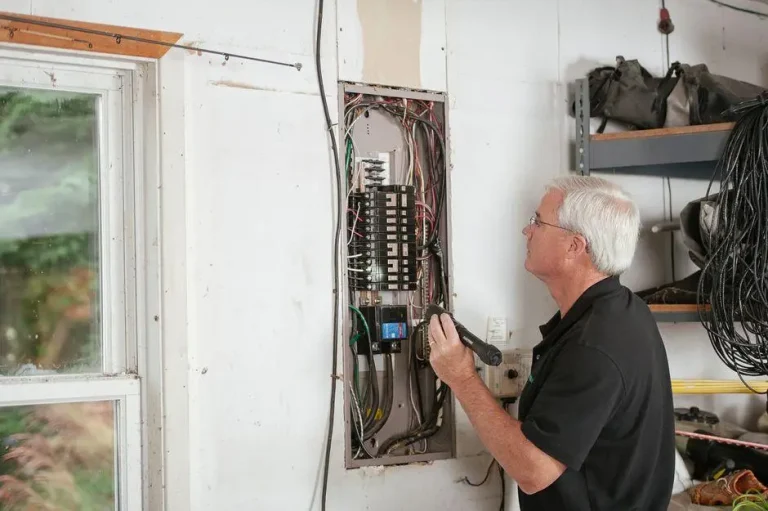
Think in tiers. Repairs that protect the structure come first, things like roofing, plumbing, and electrical work. These are rarely glamorous, but they prevent expensive damage down the line. Comfort upgrades come next. Then come the purely cosmetic touches that make a space feel unmistakably like yours.
Value matters too, even if you plan to stay for many years. Kitchens and bathrooms tend to return the most when it eventually comes time to sell. Energy-efficient updates can lower monthly bills while raising long-term appeal. A thoughtful order of operations stretches every dollar a little further.
Resist the urge to do everything at once. Phasing projects spreads out the cost and reduces the risk of overspending. A home can come together gradually without ever losing its sense of purpose.
Track Your Spending Along the Way
A budget is only useful if you actually follow it. As the work begins, keep a close eye on where the money goes.
Small overages add up fast. A slightly nicer faucet here, an upgraded fixture there, and suddenly the total has crept well past the plan. Reviewing costs on a regular basis keeps the whole project honest.
Save your receipts and records. Good documentation helps with warranties, future resale, and possible tax considerations. It also gives you a clear history of what was done and what it cost. That record often becomes valuable long after the dust has settled.
Bringing It All Together
Turning a house into a home is a process, not a single event. It unfolds through patience, planning, and steady financial choices that support the life you want to live inside those walls.
The most comfortable spaces are rarely the result of rushed spending. They come from people who understood their limits, protected their stability, and chose where to invest with genuine care. Money handled well tends to fade into the background, leaving room for the warmth and personality that truly define a home.
Start with a plan. Protect your foundation. Spend with intention. The dream space tends to follow naturally from there.