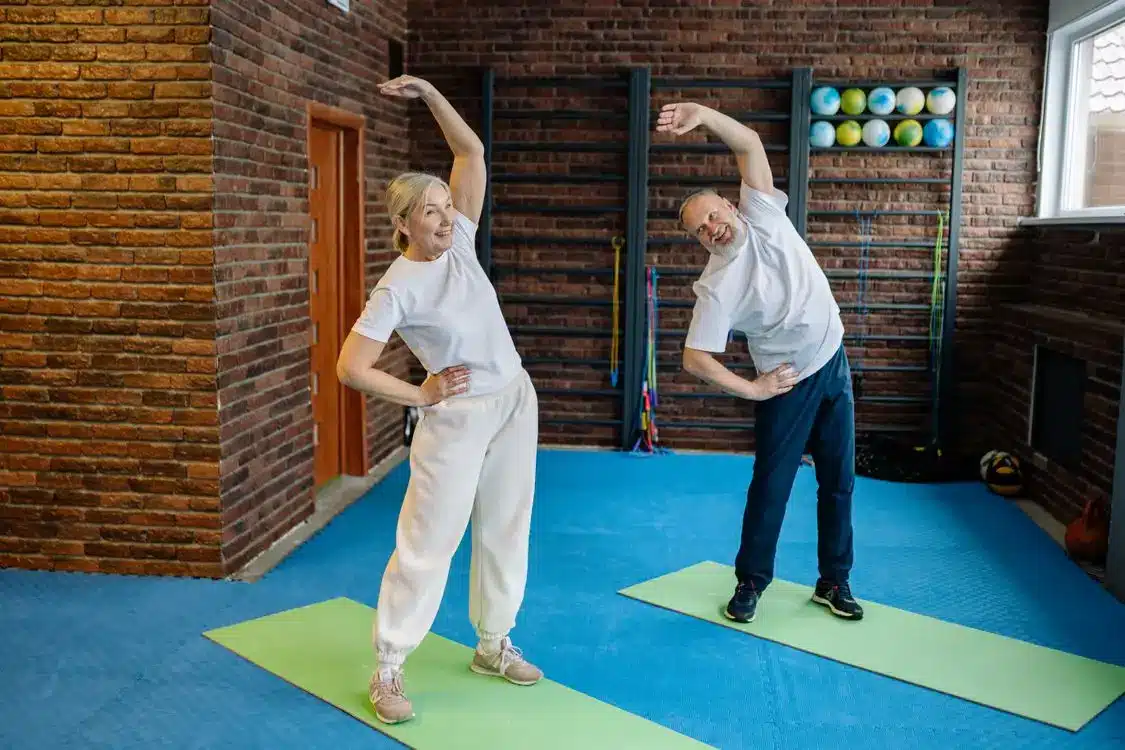
Why Back Health Becomes More Important as We Get Older

The estimated global number of people with low back pain was 619 million in 2020 and 843 million in 2050, according to the World Health Organization. Keeping your spine healthy as you age is extremely important in order to retain mobility, independence, and quality of life.
The spine is responsible for almost every movement that we make, so over time it will show signs of aging. You may experience issues like reduced strength and flexibility.
Issues that are easily dismissible when we are young could develop and become more of a problem if not identified and managed when they are in their earlier stages. Here are the top reasons why your back health needs more attention as you age.
Natural Changes in the Spine Increase Over Time
Physical changes within the spine occur naturally over the years. Discs become more flexible and less pliable because they lose their water content. The spine thus is more vulnerable to tightness, discomfort, and restriction of movement.
Joints that connect the vertebrae are also subject to aging as time passes. The cartilage between each joint may decrease in thickness, leading to the narrowing of the gap between each vertebra. Such a change in physical nature affects daily activity.
Age-Related Conditions Can Impact the Lumbar Spine
As you age, certain conditions that affect the spine can be more common. These are Degenerative disc disease, spinal stenosis, and arthritis that will commonly affect the lower back, causing constant pain, and at times nerve damage that will affect your life.
Spondylosis is common when this happens, as it involves age related spinal degeneration, which usually occurs in the lumbar region. By getting the right spondylosis treatment at the appropriate time and with an early assessment, you will reduce the effects caused to daily living.
Early Care Helps Avoid Long-Term Problems
Small spinal conditions will continue to develop and, if ignored, can result in more severe problems. It can be very tempting to ignore minor aches, such as a slight stiffness or discomfort in the back that will only last for a day or two.
The patient receives adequate and timely care in order to minimize the amount of damage. Exercise, healthy body weight, as well as routine medical check ups, help in early diagnosis and management of these problems.
It allows for conservative treatment and lifelong spinal health. The following are examples of such early warning signs not to ignore:
- A painful period that lasts several weeks without improvement
- An increase in tingling or numbness that travels into the legs and feet
- The ability to carry out normal tasks is becoming more difficult
Good Posture Becomes More Difficult to Maintain
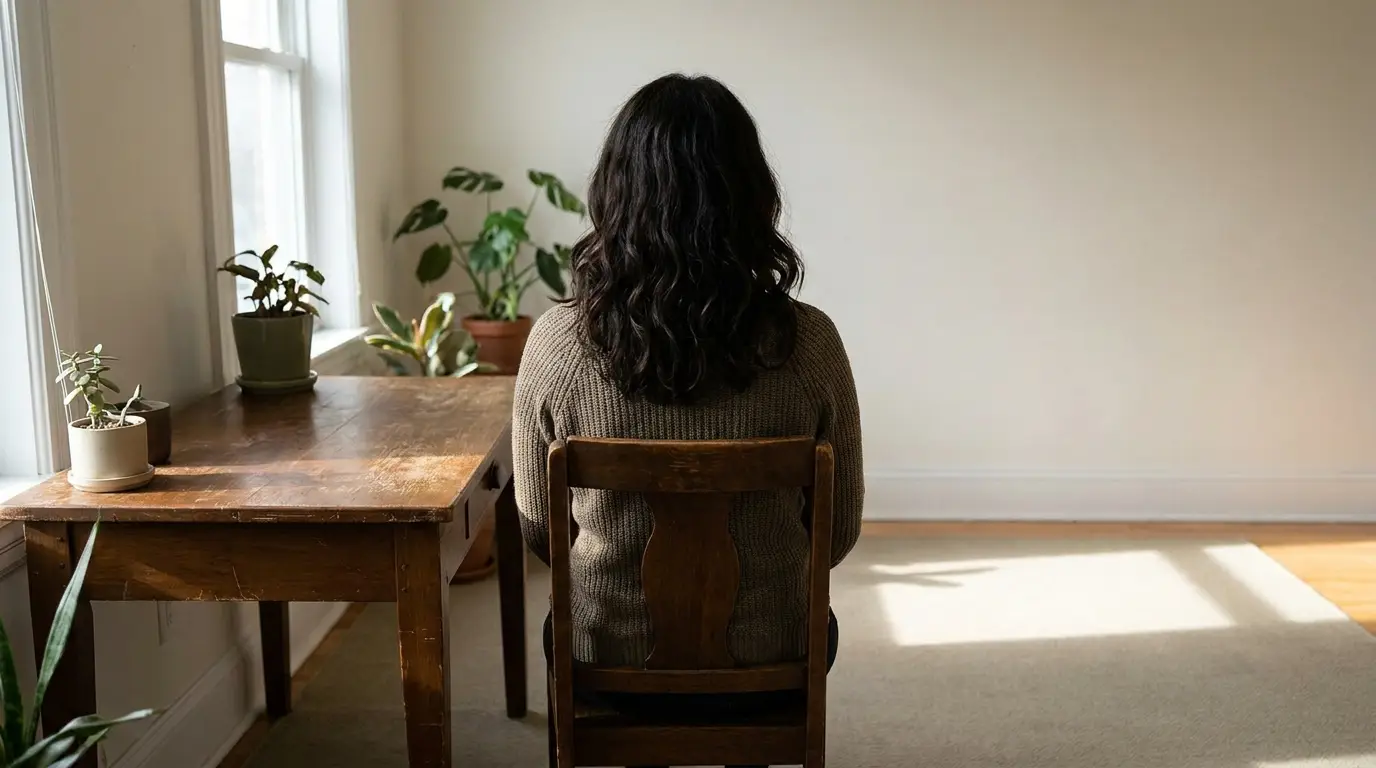
The posture of the population changes as aging progresses, and due to muscle deterioration, reduced flexibility, and degeneration of the spine, the tendency is to round the shoulders. This puts additional stress on the spine and all of the muscles around the spine.
Correct posture will distribute weight throughout your body evenly over your spine. A number of small, sustainable habits, such as upright sitting, strengthening exercise for your core, and avoiding lengthy immobile postures, can stop the spine from being overloaded.
Back Health Directly Affects Mobility
The body’s mobility is largely dependent upon a healthy spine, and an adequately mobile lower back will contribute towards the prevention of difficulty with walking, climbing stairs, or long periods of standing.
Mobility can influence participation in physical activities, which would have an impact upon other aspects of physical health and fitness, for example, weight control. Keeping active and healthy ensures a good level of muscle mass, flexibility, and joint mobility.
It also means that the whole body is supplied with good circulation, and especially the spine, which ensures repair to damaged cells. Mild exercise is recommended for aged individuals to avoid strain.
Strong Back Muscles Provide Essential Support
Your muscles surround the spinal cord, which acts as a support system. Muscle mass is reduced as you grow older unless exercised to sustain its function.
When your back and abdominal muscles are not sufficiently strong, the load is increased on your spine. The risk of being injured increases.
Through individualized exercises, strength can be sustained. By improving the strength around the hips, core, and back, your body can become stable while improving the efficiency of its movement patterns. Exercises also prevent overworking of spinal structures during daily life.
Preventing Falls Starts With Better Back Health
Balance and coordination can vary significantly with age. Spinal health can provide a stable support system to promote correct alignment and the ability to control movement. Spinal pain can influence walking, increase fear while ambulating, and decrease stability.
By increasing spinal flexibility and strength in related musculature, balance can be improved to prevent falls. Falls must be avoided, as recovery from them may not be as efficient in later life.
Keeping Your Back Strong for the Future
With age, the spinal cord and spine are prone to the natural processes of change. This is why your spine could grow to be more important to you as you get older.
By developing strong back muscles, flexibility, and treating any emerging problems, you are going to retain more mobility for a long time to come. What you need is consistency in your fitness routine and know when to involve musculoskeletal specialists.