Vertical vs. Horizontal Paneling: Which Suits Your Space?

Walls do more than hold up a room. They help shape how a space looks and feels. One simple design choice can change the mood of a room in a big way.
Paneling is a great example. It adds texture, depth, and style without taking up extra space. When planning a room update, many people ask the same question: should they choose vertical or horizontal paneling?
Both styles can look beautiful, but each creates a different effect. The right choice depends on the size of the room, the look you want, and the feeling you hope to create.
If you are thinking about adding paneling to your home, keep reading. Understanding the strengths of each style can help you make a choice that fits your space perfectly.
Understanding Vertical Paneling
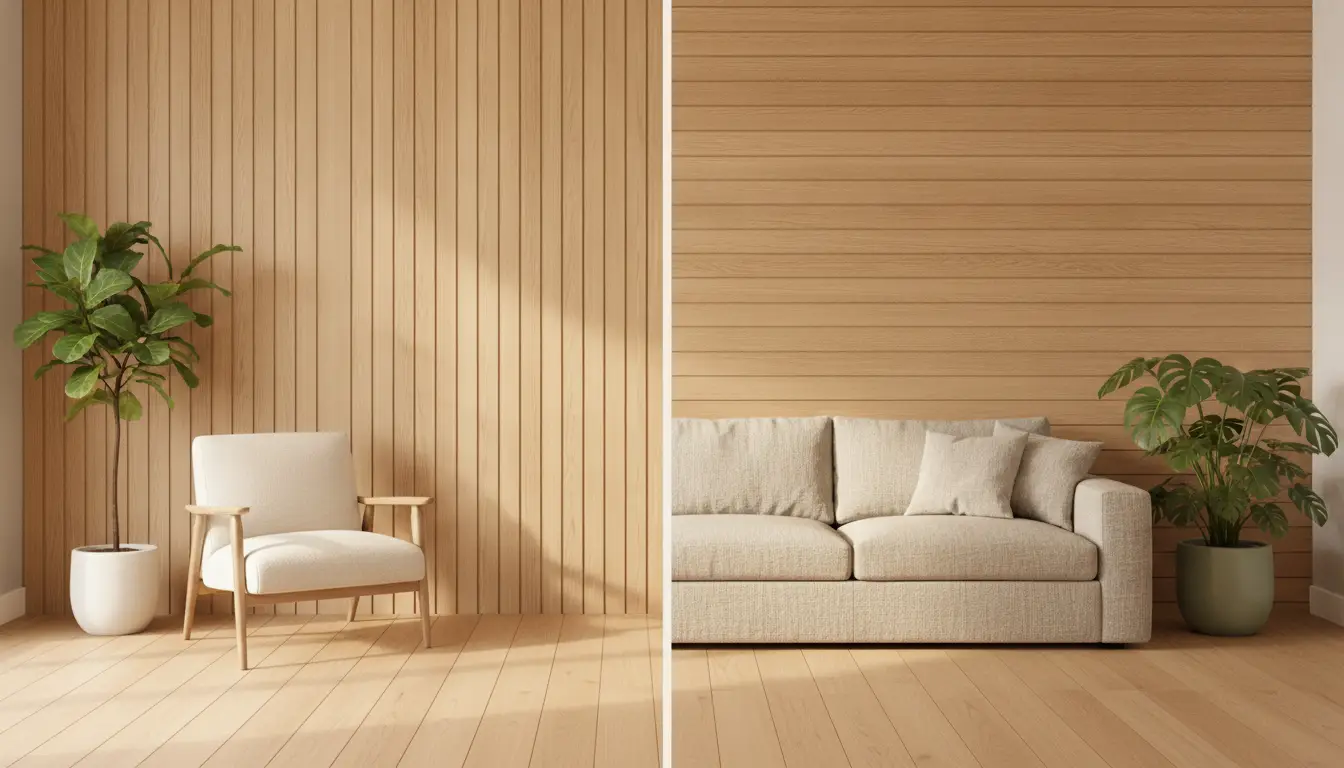
Vertical paneling uses lines that run from the floor toward the ceiling. This style naturally guides the eye upward. Because of this visual effect, rooms often seem taller than they really are.
Many homeowners choose vertical paneling when working with low ceilings. The long lines create a sense of height and openness. Even a small room can feel more spacious when the eye is drawn upward.
Vertical paneling also has a classic appearance. It works well in traditional homes, coastal spaces, and modern interiors. Its clean lines provide structure without making a room feel crowded.
Understanding Horizontal Paneling
Horizontal paneling runs across the wall from side to side. Instead of drawing attention upward, it encourages the eye to move across the room. This creates a feeling of width.
Narrow spaces often benefit from horizontal paneling because it can make walls seem longer. Hallways, small living rooms, and compact bedrooms may appear larger when horizontal lines are used.
Horizontal paneling often creates a relaxed atmosphere. It is commonly seen in farmhouse, rustic, and contemporary designs. The look feels welcoming and comfortable while still adding visual interest.
How Vertical Paneling Changes a Room
The main advantage of vertical paneling is its ability to create height. Rooms with lower ceilings can feel less confined. This makes vertical lines a useful design tool in apartments, older homes, and smaller spaces.
Vertical paneling also creates a sense of elegance. The upward movement of the lines adds a formal touch. In dining rooms, entryways, and feature walls, this style can make a strong design statement.
Another benefit is its versatility. Vertical paneling can be painted in light colors for a bright look or darker shades for a more dramatic effect. The design remains attractive across many decorating styles.
How Horizontal Paneling Changes a Room
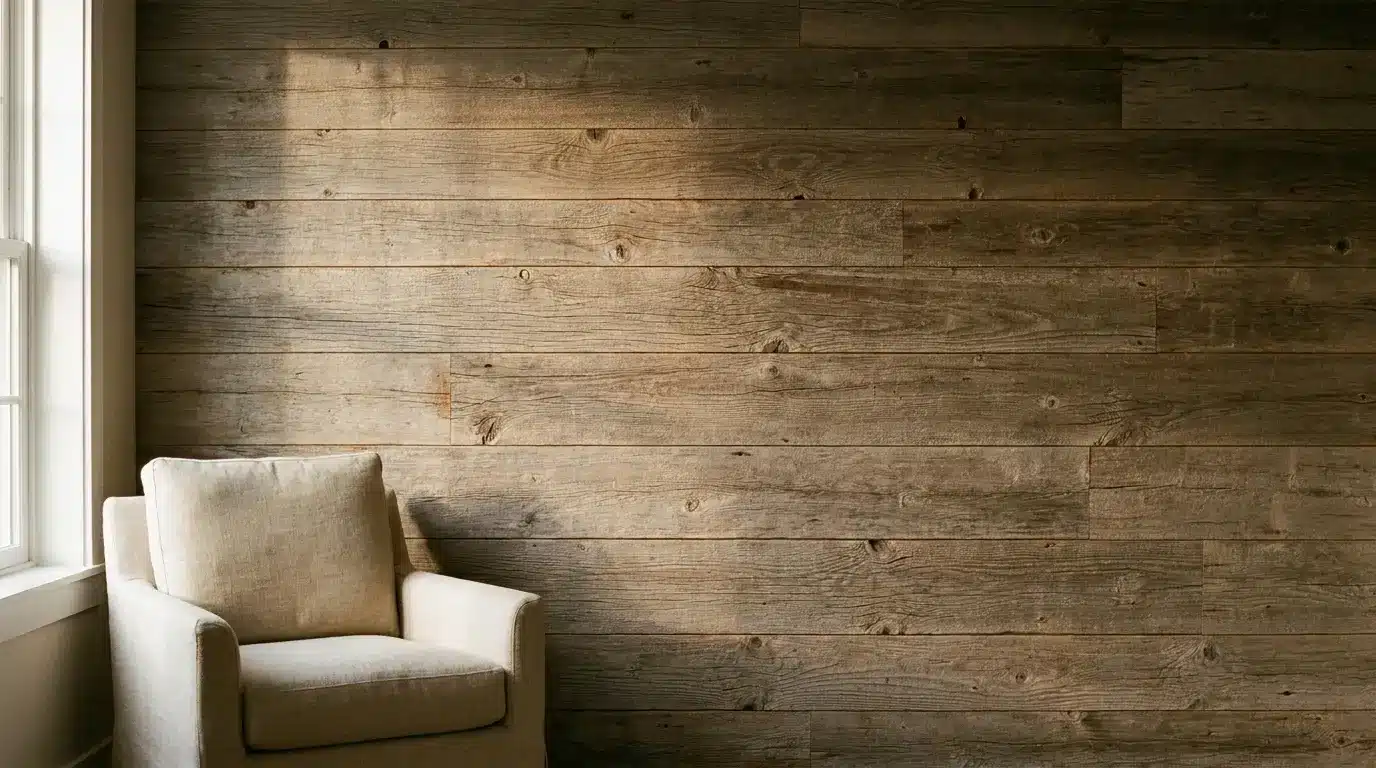
Horizontal paneling has a different impact. Instead of adding height, it helps rooms feel wider and more open.
This style works especially well in spaces that feel narrow or cramped. By stretching the visual lines across the wall, the room gains a greater sense of balance.
Horizontal paneling can also make large rooms feel warmer. The lines help break up large wall surfaces and create a more inviting environment. This makes it popular in family rooms and casual gathering spaces.
Choosing Based on Room Size
Room dimensions play an important role when selecting paneling. If a room has low ceilings but reasonable floor space, vertical paneling may be the better option. The upward lines help offset the lower height and make the room feel less restricted.
If a room feels narrow or lacks width, horizontal paneling can help create a more balanced appearance. The side-to-side lines stretch the visual space and reduce the feeling of confinement.
Before making a decision, it helps to look at the room’s proportions. Understanding what features need visual improvement can guide your choice.
Matching Paneling to Your Design Style
Paneling should work with the overall style of the room. Vertical designs often complement formal and modern spaces. They pair well with sleek furniture, minimalist décor, and clean architectural details; they can also support classic interior styles when combined with traditional finishes.
Horizontal paneling tends to create a relaxed and casual mood. It fits naturally in country homes, beach-inspired spaces, and family-focused interiors.
The style feels approachable and comfortable. A Wood Panel Wall can look beautiful in either direction, but the overall design theme should help determine which layout feels most natural.
Considering Natural Light
Lighting affects how paneling appears throughout the day. Vertical lines can help draw attention to windows and increase the feeling of openness. This may be helpful in rooms with limited natural light.
Horizontal lines interact differently with shadows and highlights. They can emphasize the width of a room and create a soft visual flow across the walls.
The amount of sunlight entering the room should be considered before choosing a panel direction. Lighting often changes how textures and lines are perceived.
Installation and Maintenance Factors
Both paneling styles can be relatively simple to maintain once installed. Dusting and occasional cleaning are usually enough to keep them looking fresh.
Installation may vary depending on the room and the panel material. Vertical layouts may require precise alignment to maintain straight lines from floor to ceiling. Horizontal installations also demand careful measurements to keep the lines level across the wall.
Combining Both Styles
Some homeowners choose not to limit themselves to one style. Combining vertical and horizontal paneling can create unique visual effects.
For example, a living room may feature horizontal paneling on the main walls while using vertical paneling on a feature wall. This approach adds contrast and character without overwhelming the space.
Think About the Room’s Purpose
The purpose of the room should also influence the decision. Formal spaces often benefit from the elegant appearance of vertical paneling. Home offices, dining rooms, and entryways can gain a refined look through the use of vertical lines.
Casual spaces often work well with horizontal paneling. Family rooms, dens, and bedrooms may feel more comfortable and welcoming with a wider visual layout.
Finding the Perfect Direction for Your Walls
Vertical and horizontal paneling both offer unique benefits. Vertical lines create height, elegance, and structure. Horizontal lines add width, comfort, and balance.
Neither option is better in every situation. The right choice depends on the shape of the room, the style of the home, and the atmosphere you want to create.
By looking closely at your space and considering how each direction affects the room, you can select a paneling style that enhances both beauty and function. A thoughtful choice today can help transform ordinary walls into one of the most striking features of your home.
For more on this content, visit the rest of our blog!