Transitional Interior Design: Classic Meets Clean

Transitional interior design has spent decades quietly becoming one of the most preferred home styles across the United States.
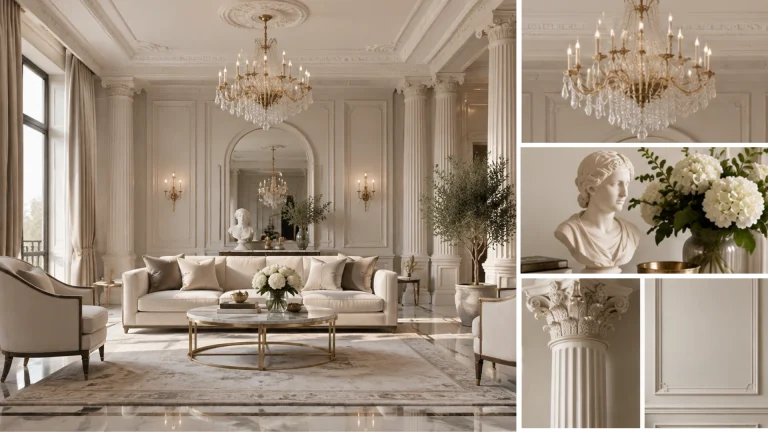
It does not chase trends or commit fully to one era. Instead, it draws on traditional and contemporary design to create spaces that feel balanced, livable, and enduring. The color palette stays neutral.
Furniture mixes classic shapes with modern simplicity. Texture does the heavy lifting. What sets this style apart is how well it adapts to different tastes and home types.
This post covers its origins, color options, key characteristics, pros and cons, and practical ways to bring it all home.
What Is Transitional Interior Design?
Transitional interior design is a style that borrows from both traditional and contemporary design without being fully defined by either. It favors clean, simple lines over heavy carving.
It chooses neutral tones over rich, saturated colors. It layers textures instead of relying on bold patterns. Every piece in a transitional home has a clear purpose. Nothing feels too formal or too cold.
The style took shape in the mid-20th century as a response to the rigidity of traditional decor and the coldness of early modern styles.
Over time, it grew into one of the most widely chosen home design approaches across the United States, recognized not as a compromise but as a clear, deliberate choice in its own right.
Where Did This Style Come From?
The transitional style did not appear suddenly. It grew out of a real shift in what American homeowners wanted from their spaces. Here are the key stages in how it came to be:
- A reaction to minimalism: In the 1950s, many people found mid-century modern design too cold and stripped-back for everyday life.
- Keeping the best of tradition: Homeowners wanted to hold on to the warmth, comfort, and classic shapes that traditional design offered.
- Letting go of the excess: At the same time, they did not want the heavy carving, dark, rich colors, or stiff formality that the full traditional style carried.
- Settling into its own identity: Over time, designers recognized that this mix had its own clear rules and its own defined visual language.
- Going mainstream: By the late 20th century, it had moved from a compromise to a celebrated, intentional design choice.
What started as a middle ground became something people chose on purpose. Interior designers began to plan transitional spaces deliberately, not accidentally. Today, the style remains one of the top choices for American homeowners because it ages well and works across a wide range of home sizes and types.
Key Characteristics of Transitional Interior Design
Once you know the defining features, a transitional space becomes easy to recognize and easier to plan for. These traits appear consistently across transitional homes and set transitional decorating style apart from both traditional and contemporary design:
- Neutral color base: Walls, large furniture, and floors stay in white, grey, beige, and taupe.
- Mixed classic and modern shapes: Classic curves and modern straight lines appear side by side in the same room.
- Layered textures: Texture does the visual work that bold color does in other styles.
- Minimal ornamentation: Decor stays simple, purposeful, and free of heavy or fussy detail.
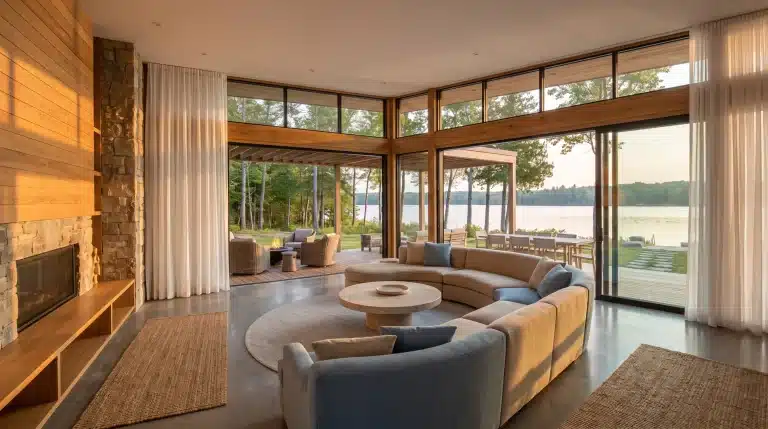
- Warm wood accents: Natural wood tones ground the space without looking old-fashioned.
- Comfortable, functional furnishings: Furniture is soft and livable, designed for daily use rather than for display.
- Small, deliberate accent colors: Pops of color appear only in cushions, art, or trim. Never on large surfaces.
Traditional vs. Transitional vs. Contemporary
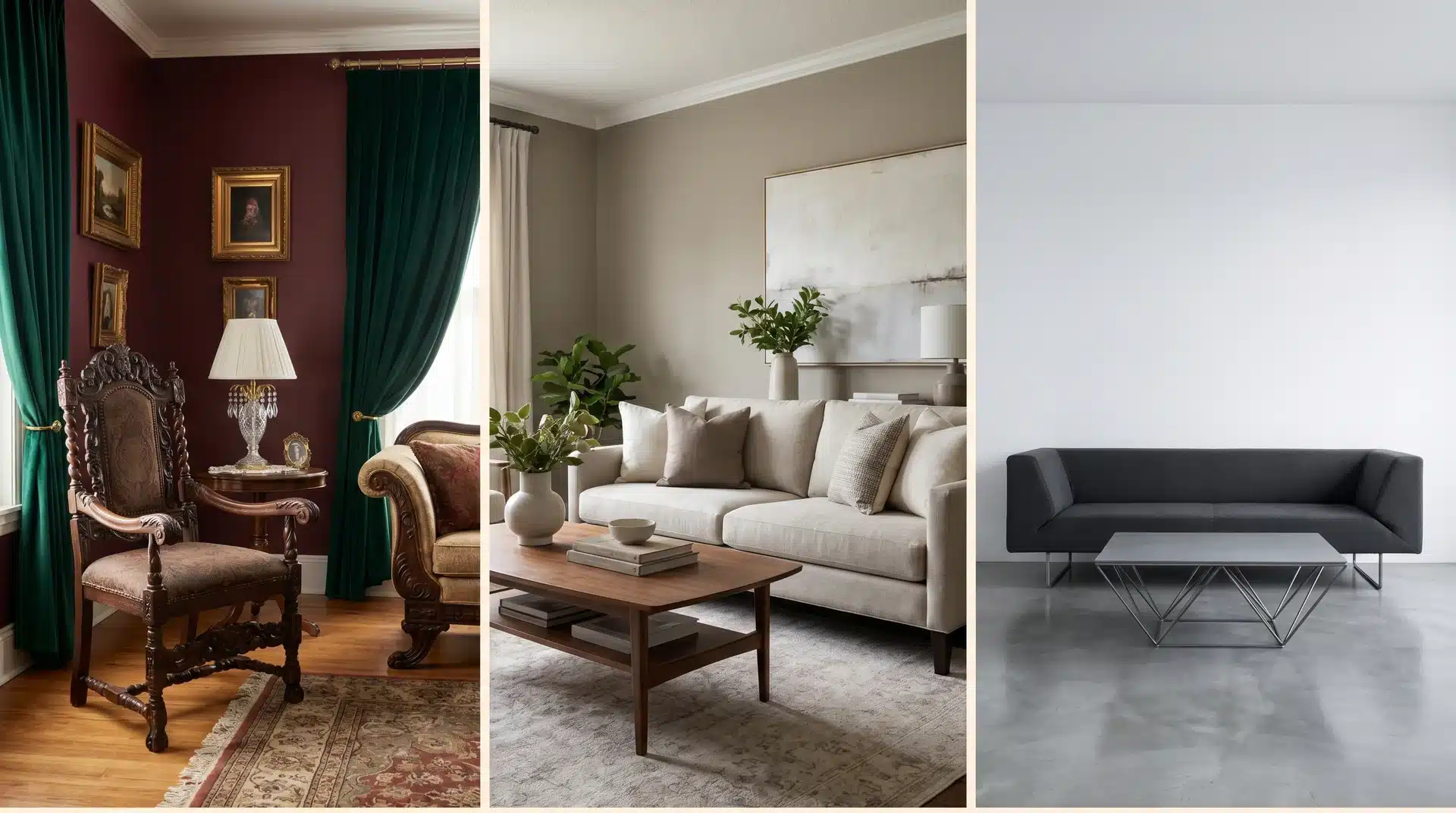
These three styles are often confused because they share some surface-level similarities. This table shows exactly where transitional interior design stands in relation to the other two, so you can see at a glance what makes each one different:
| Feature | Traditional | Transitional | Contemporary |
|---|---|---|---|
| Color Palette | Rich, deep, saturated tones | Neutral base with small accent colors | Monochrome or bold |
| Furniture Style | Ornate, heavy, carved pieces | Clean lines with subtle curves | Minimal and geometric |
| Texture | Rich fabrics like velvet and silk | Layered and varied textures | Sparse and smooth |
| Overall Feel | Formal and grand | Relaxed and refined | Sleek and cool |
| Pattern Use | Heavy patterns throughout | Subtle patterns in small items only | Little to no pattern |
| Longevity | Timeless | Timeless | Often trend-driven |
| Best Suited For | Formal rooms | Any room, any home type | Modern and minimal spaces |
The Transitional Interior Design Color Palette
The color palette in a transitional home stays rooted in neutrals. White, grey, beige, taupe, and ivory are the most common base colors. These shades appear on walls, large furniture pieces, and flooring.
They create a calm, open feel that works equally well with classic and modern pieces. Once the neutral base is in place, small doses of deeper tones can be layered in.
Midnight blue, charcoal, deep olive, and warm rust all work well as accent colors. These richer shades belong in throw pillows, curtains, artwork, or cabinet trims, not on walls or large furniture.
Monochromatic color schemes, where you use different shades of the same neutral, are especially popular in transitional homes.
They keep a space feeling put-together without looking flat. The rule of thumb: two neutral base colors, one accent color used sparingly throughout.
8 Ways to Bring Transitional Style Into Your Home
You do not need to start from scratch to bring this look into your space. Small, well-chosen changes can shift the entire feel of a room. Here are eight practical ways to make transitional home decor work where you live:
1. Start With a Neutral Wall Color
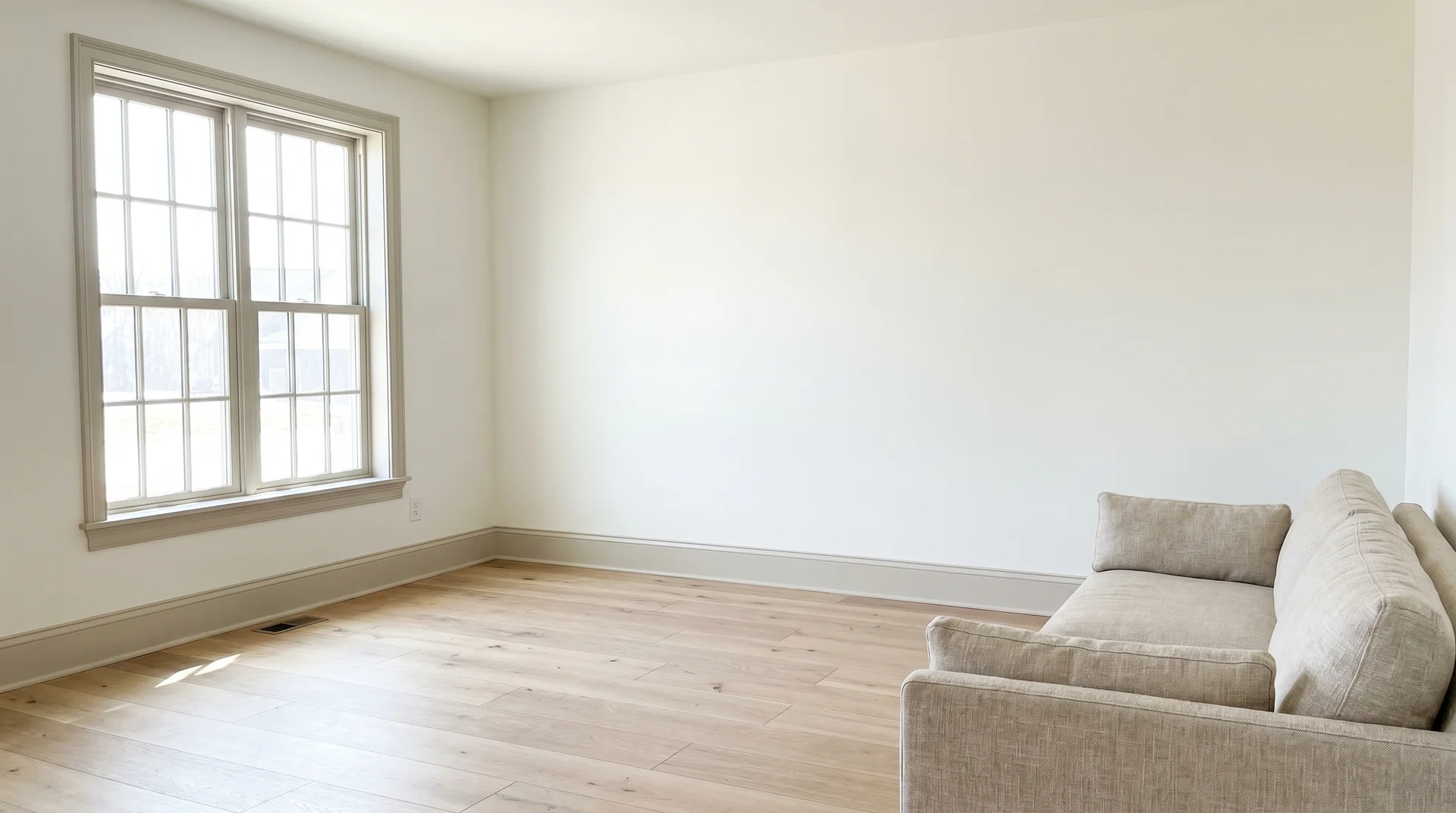
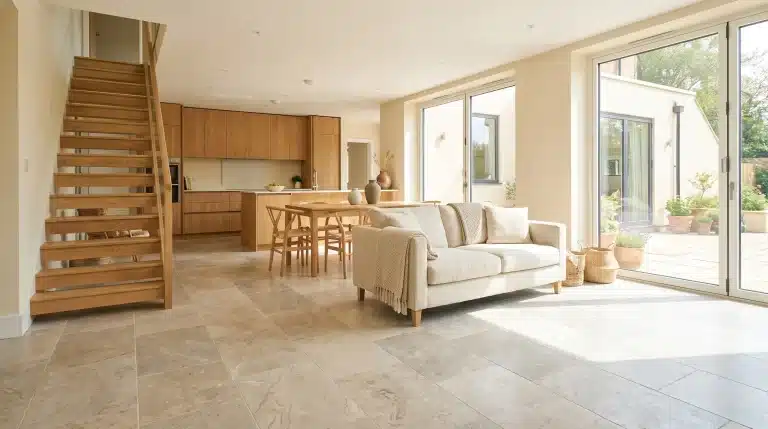
Paint your walls in warm white, soft grey, or warm greige. Choose flooring in a natural wood shade or a warm stone color if you have the opportunity.
These surfaces act as the backdrop for everything else you place in the room. A calm, neutral shell lets your furniture and textures carry all the visual weight, which is exactly what transitional style relies on.
2. Mix One Classic and One Modern Piece Per Room
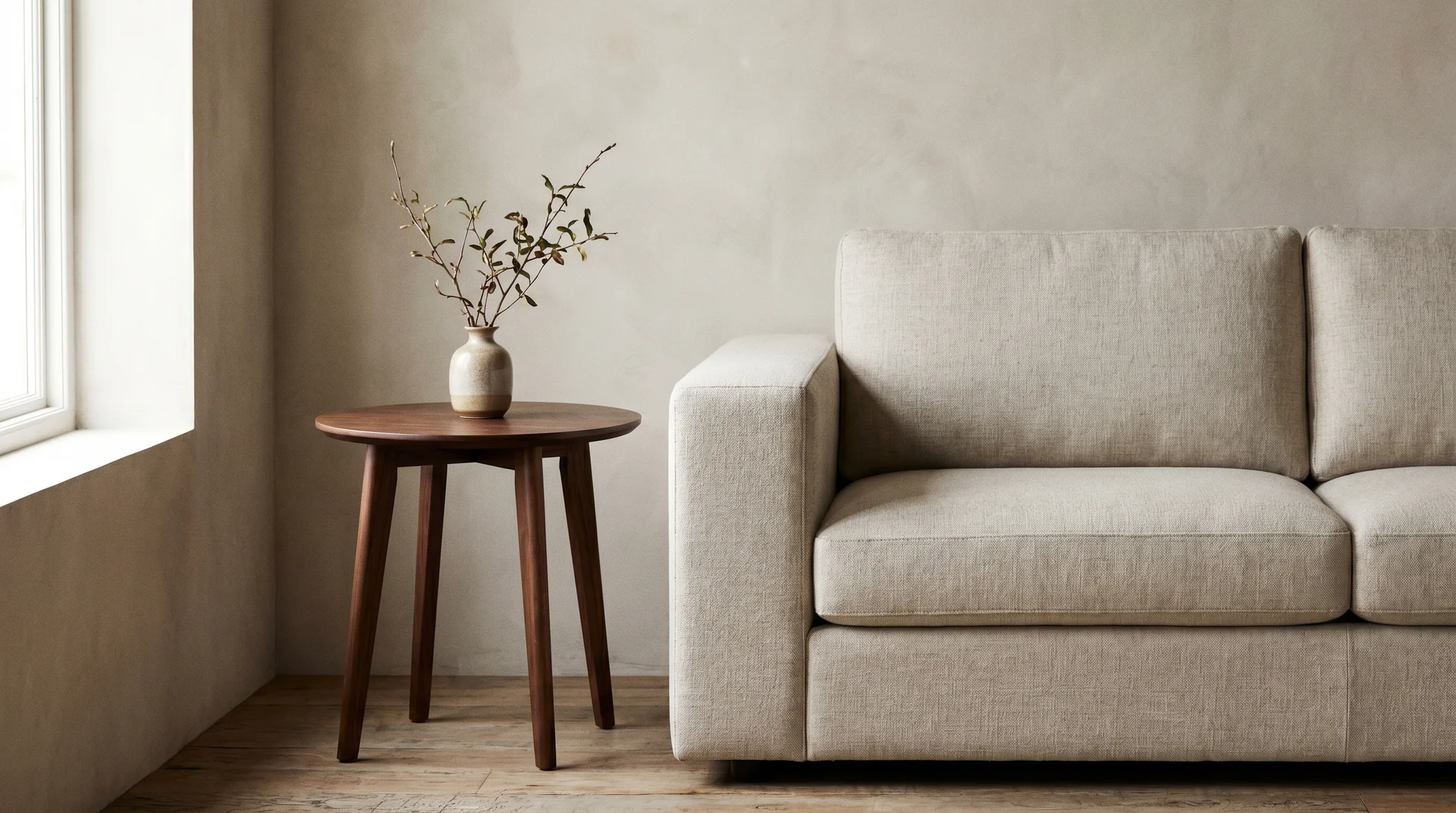
You only need one moment of contrast to set the tone of a transitional room. Bring in a clean-lined contemporary sofa and pair it with a classic wooden side table. Or place a modern floor lamp beside a traditional upholstered armchair.
Too many competing styles in one space make a room feel busy rather than balanced, so start with one well-planned contrast and build from there.
3. Use a Classic Statement Piece as Your Focal Point
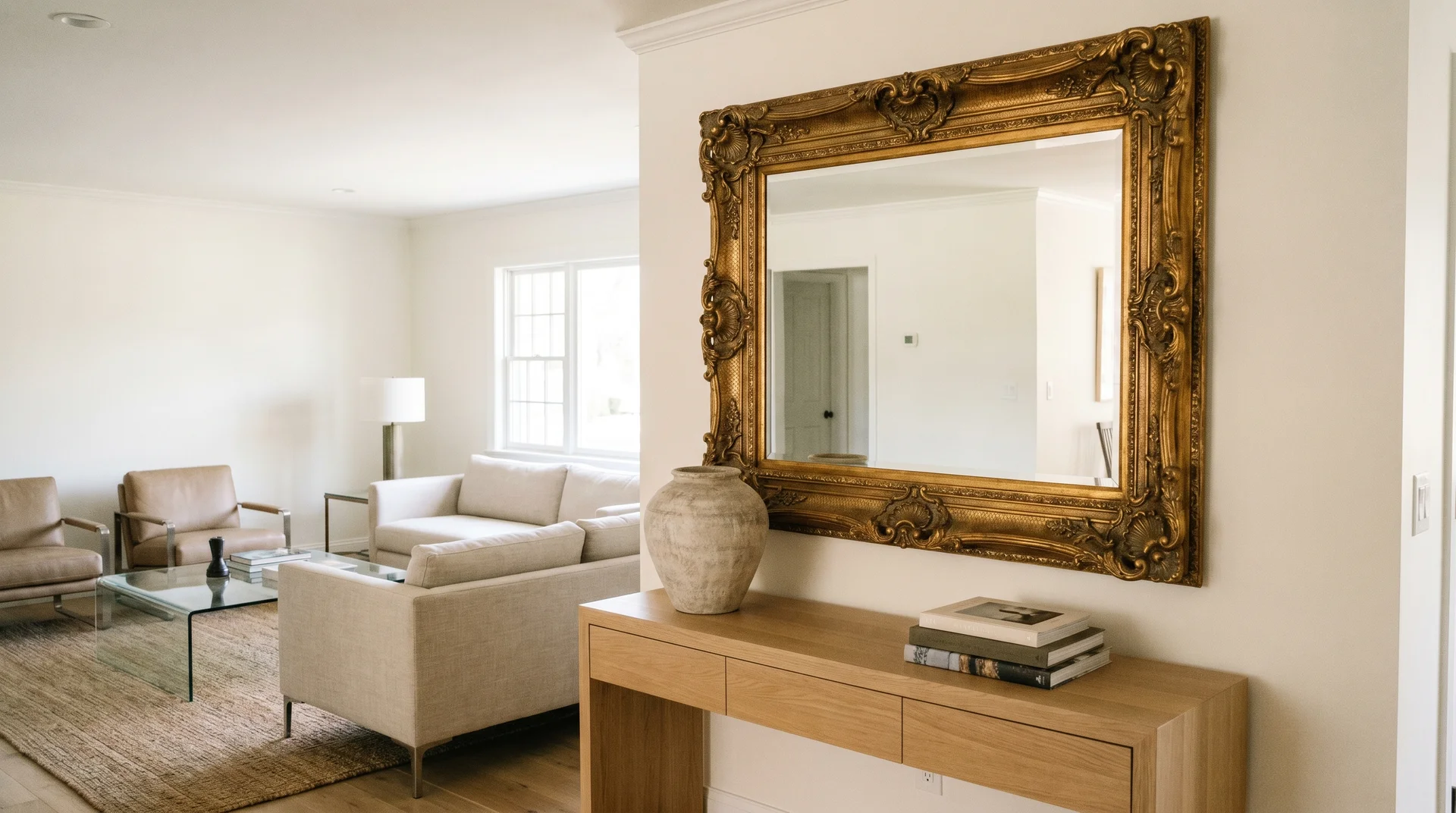
Choose one traditional item, such as an antique rug, a vintage mirror, or a tufted armchair, and build the rest of the room around it. Use simple, modern furniture and accessories to balance the statement piece.
This approach keeps the room grounded without making it look like a showroom or a period set. The older piece adds character while the modern choices keep things looking fresh and current.
4. Add Contemporary Art to Neutral Walls
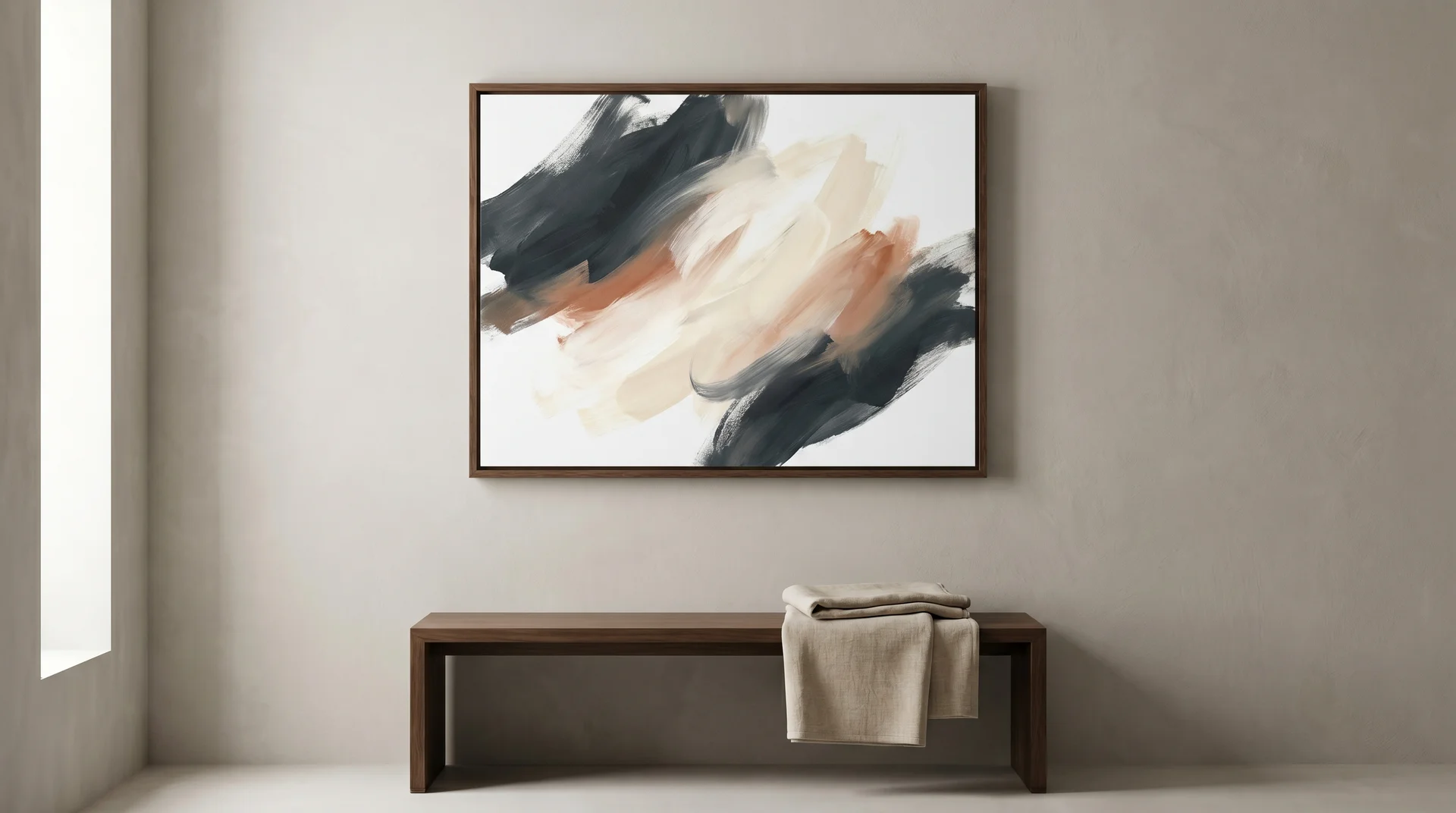
Neutral walls are the perfect setting for bold, modern artwork. A large abstract print or a set of black-and-white photographs adds visual interest without clashing with nearby classic furniture.
Keep the frames simple and consistent across the room. This is one of the most cost-effective ways to move a room toward a transitional look, and it is easy to update as your taste changes over time.
5. Layer Textures Thoughtfully
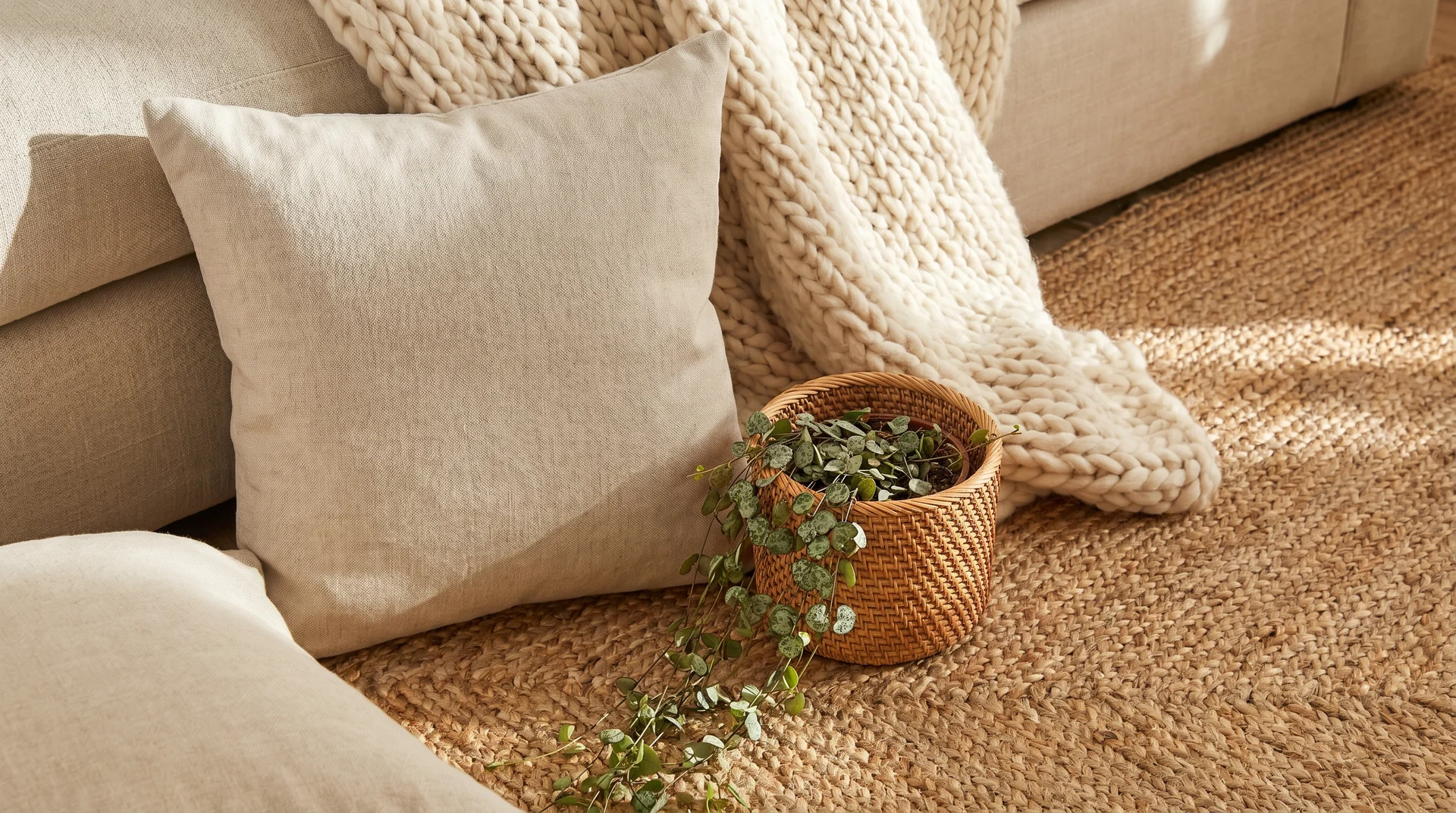
Texture is what saves a neutral room from looking flat. Add a linen throw to a solid sofa, a woven rug on hardwood floors, and a rattan basket in the corner.
Aim to mix at least three different surface types in any one room: something smooth, something soft, and something with a natural or rough feel. Good texture layering is what gives a transitional space its warmth and depth.
6. Keep Accessories Minimal and Purposeful
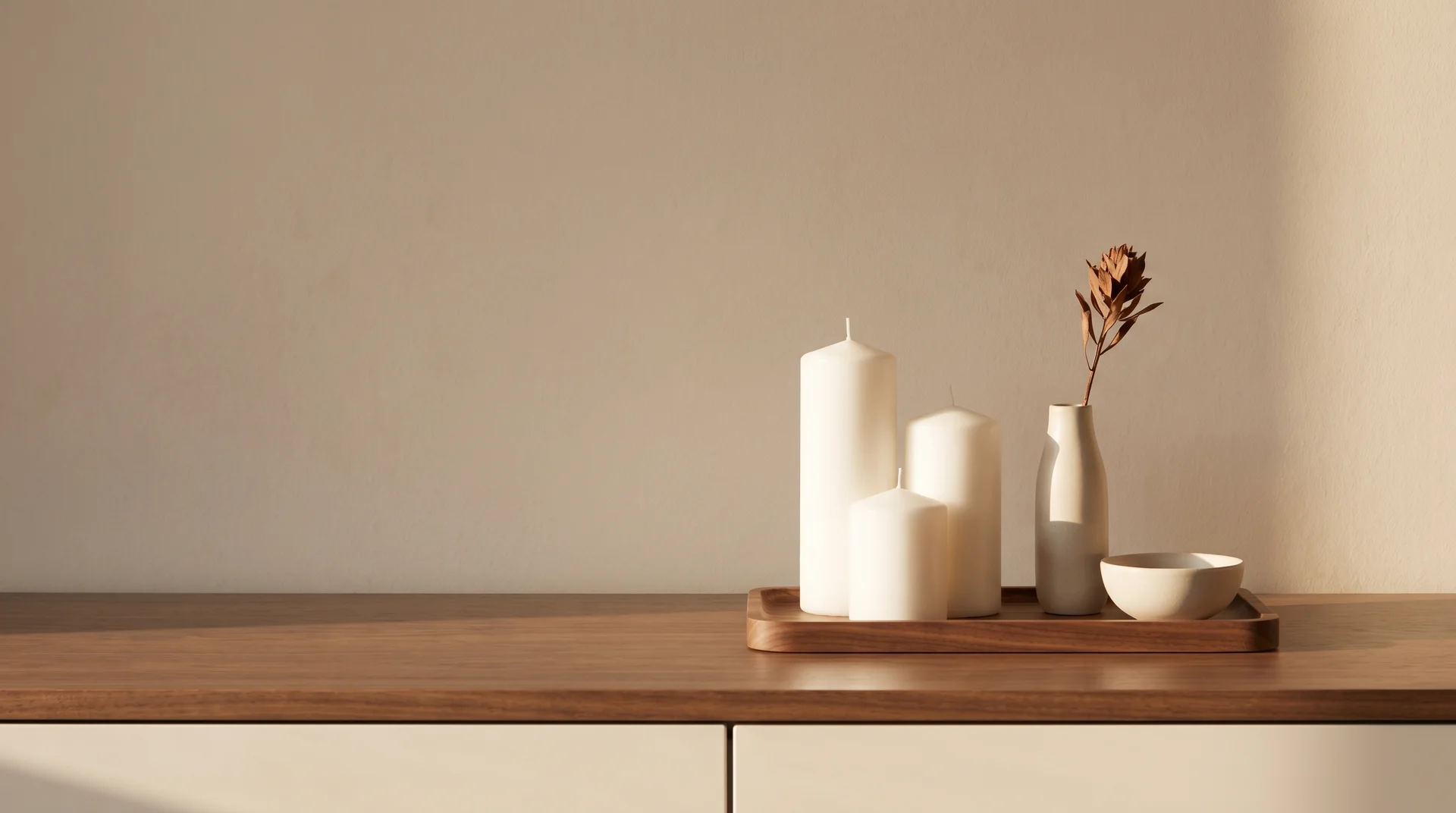
Choose a few well-placed decor items rather than covering every surface. Group items in odd numbers for a more natural, relaxed arrangement.
Three candles on a tray or five cushions on a sofa look more considered than even-numbered groupings. Less is always more in transitional home decor, but what you do keep should feel personal and specific to the room, not generic.
7. Add One Accent Color in Small Amounts Only
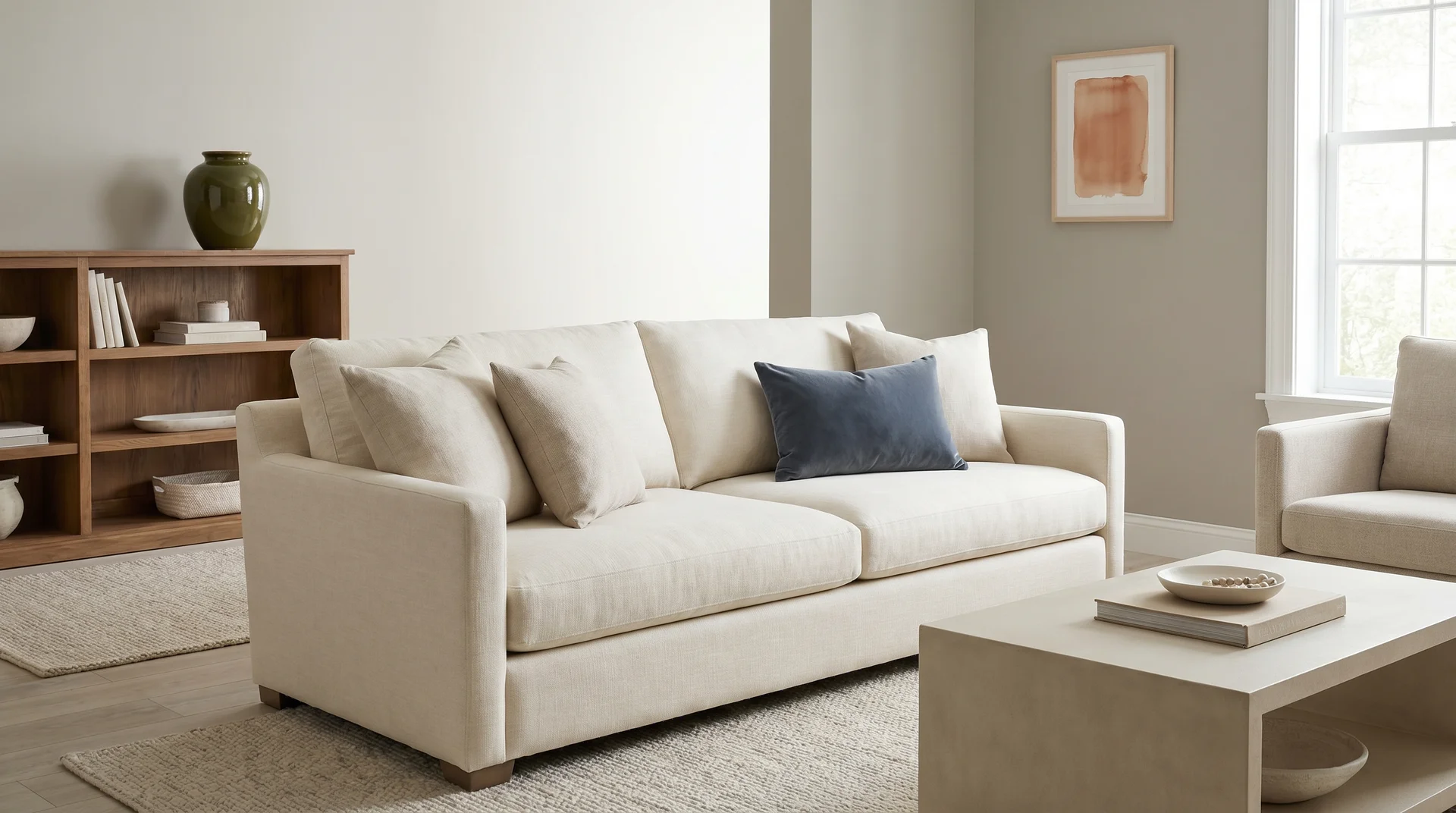
Pick one accent color and use it sparingly across the room. Deep olive, warm rust, or midnight blue all work well against neutral backgrounds. Use this color in a throw pillow, a curtain panel, a piece of artwork, or a cabinet trim detail.
Keep it to no more than 10 percent of the total room color. Too much accent color upsets the calm balance that makes the transitional decorating style work.
8. Match Your Metal Finishes Across the Room
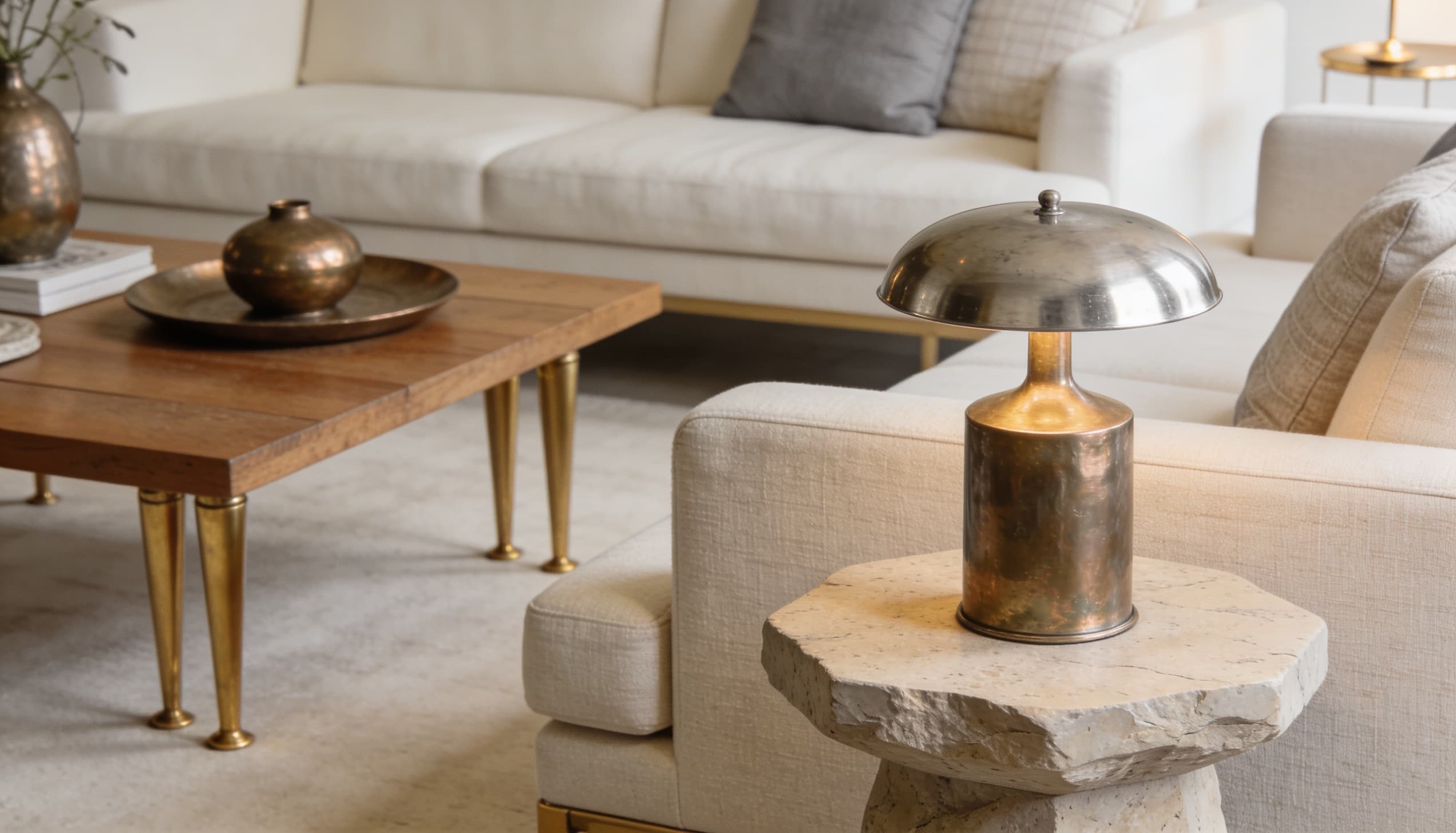
Choose a single metal finish, such as brushed brass, matte black, or brushed nickel, and use it consistently across all hardware and fixtures in the room.
This means light switches, cabinet handles, faucets, and light fixtures all carry the same finish. This one small decision ties the classic and modern elements together effortlessly. It gives the room a finished, deliberate feel that looks professionally planned.
Pros and Cons of Transitional Interior Design
Every design style has its strengths and its limitations. Knowing both sides of transitional home decor helps you decide if it is the right fit for your home before you spend a single dollar on furniture or paint.
Pros:
- Stays stylish for years: It relies on classic shapes and neutral tones, so it does not go out of style the way trend-led designs do.
- Works in any home type: Apartments, older homes, open-plan living spaces, and new builds all suit this style equally well.
- Easy to refresh: A neutral base means you can change cushions, rugs, or art without redoing the whole room.
- Open to personal expression: You are not locked into one rigid visual identity, so your own personality shows up in the details.
- Good for resale appeal: Its broad visual appeal makes it a smart choice if you plan to sell your home in the future.
Cons:
- The balance is hard to get right: Without clear direction, a transitional space can easily feel scattered or unfinished.
- Neutral does not mean simple: A room of neutrals without layered textures often looks flat and lifeless.
- Too restrained for some tastes: If you love bold color and heavy pattern, this style may feel too calm for your personality.
- Quality pieces cost more: Getting the right mix often means buying fewer, better-made items, which increases the overall budget.
Transitional Furniture, Fabrics, and Textures
Transitional furniture sits between ornate and minimal. Look for pieces with clean lines that still carry subtle curves. Avoid anything too heavily carved or too sharp and angular.
For fabrics, linen, cotton, chenille, and wool are all strong choices in transitional style.
These materials feel comfortable and look refined without being too formal or too stiff. To add texture, mix smooth surfaces like lacquered wood with softer ones like a cotton cushion or a woven throw.
Keep your metal finishes consistent throughout the space. A well-chosen mix of materials is what makes a transitional room feel put-together rather than random.
Wrapping Up
Transitional interior design brings together two worlds most people think cannot coexist. Classic comfort and modern simplicity live side by side when the balance is right. The neutral palette sets the tone.
Layered textures add warmth. Thoughtful furniture choices hold it all together. You do not need to redo your home. Start with one room.
Pick a neutral wall color. Add one classic piece and one modern one. Layer your textures. Keep your accents small. That is a transitional decorating style in practice.
Give it a try and see how it changes your space. You might be surprised by the difference.