How to Clean Window Screens Without the Hassle

Grimy window screens do more damage than most people realize; they choke airflow, trap allergens, and quietly dull every room they sit in.
Yet cleaning them tends to get pushed to the bottom of the list, usually because nobody is quite sure where to start.
Soap and water? A hose? Do they even need to come out? This post cuts through the confusion.
From the tools worth grabbing to methods that work on every screen type, plus a few cleaning habits most people skip entirely.
You will walk away knowing exactly how to clean window screens without second-guessing yourself.
Why Cleaning Window Screens Actually Matters
Window screens take a quiet beating every season.
Dust, pollen, pollution, and insects all leave their mark on the mesh, and over time, that build-up does more than just look unpleasant.
Clogged screens restrict fresh airflow into your home, push allergens and fine particles indoors, and gradually dull the natural light coming through your windows.
What most people do not realize is that neglected screens also shorten the lifespan of the frame and mesh itself.
Dirt and moisture trapped in the weave accelerate wear far faster than regular cleaning ever would.
Signs Your Screens Need Attention Right Now
- You can see a visible grey or brown film on the mesh
- The breeze through open windows feels noticeably weaker than usual
- Allergy symptoms indoors have picked up without an obvious cause
- The screen looks darker or discolored compared to when it was new
- Dust falls into the room when the window is opened or closed
Everything You Need Before You Start Cleaning
Before diving into the cleaning, take five minutes to gather the right supplies to make the whole process smoother and prevent accidental damage to your screens midway through.
Tools
- Soft-bristle brush for scrubbing mesh without snagging or tearing it
- Vacuum cleaner with a brush attachment lifts fine dust and loose debris from both sides
- Microfiber cloths are gentle on mesh and streak-free for wiping and drying
- Old toothbrush reaches into frame corners and tight edges that regular brushes miss
- Garden hose with a low-pressure nozzle for rinsing screens outdoors without force
- Spray bottle useful for applying cleaning solution when cleaning screens in place
Cleaning Solutions
- Mild dish soap mixed with warm water handles everyday dust and grime on most screen types
- White vinegar and water in equal parts cut through stubborn residue and light mould without harsh chemicals
- Diluted ammonia solution (1 part ammonia to 3 parts water) is reserved for heavily soiled screens only; always use with gloves and ventilation
How to Clean Window Screens: Six Methods That Work
Different levels of dirt call for different approaches.
These six methods cover everything from a two-minute quick fix to a thorough deep scrub. Pick the one that matches how dirty your screens actually are.
Method 1: Vacuuming and Dry Brushing

This is the quickest option and works well for screens that are dusty but not visibly grimy.
Lay the screen flat on a clean surface, run a soft-bristle brush across both sides to loosen surface debris, then follow with a vacuum on the brush attachment setting to pull out the fine particles the brush left behind.
No water, no drying time, just a fast and effective refresh that takes under ten minutes per screen.
Best for: light dust, pollen, and cobwebs between seasonal deep cleans.
Method 2 : Soap and Water Wash

Fill a bucket with warm water and add a few drops of mild dish soap.
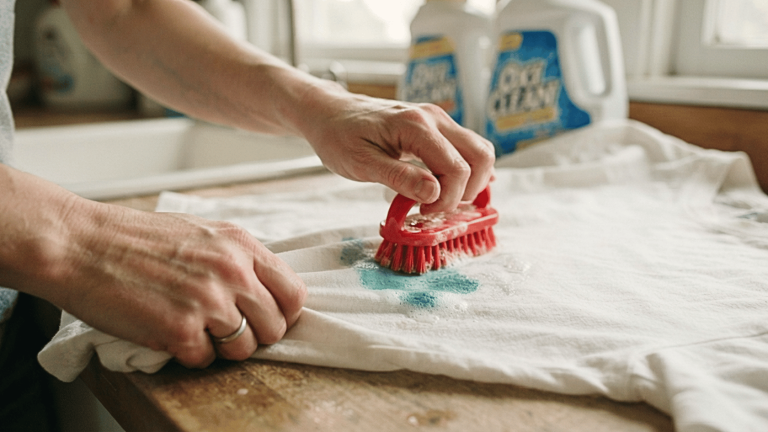
Dip a soft brush or microfiber cloth into the solution and scrub both sides of the screen with gentle, even strokes, avoiding excessive pressure, as excess force can stretch or distort the mesh.
Once scrubbed, rinse thoroughly with a garden hose set to low pressure, then stand the screen upright in a sunny spot to air-dry completely before putting it back.
Best for: seasonal cleaning, visible dirt build-up, and general maintenance.
Method 3: Vinegar Spray for Stubborn Grime

Mix equal parts white vinegar and water in a spray bottle and mist both sides of the screen evenly.
Let the solution sit for two to three minutes so it can break down the grime, then wipe down firmly with a damp microfiber cloth.
Finish with a clean water rinse to remove any vinegar residue, then leave the screen to dry fully before reinstalling.
Best for: stubborn residue, light mould spots, and screens that soap alone cannot shift.
Method 4 : Magic Eraser for Tough Stains

Dampen a magic eraser slightly and run it gently across problem areas on the screen, oxidation marks, dark staining, and ground-in grime that a brush cannot shift. Respond well to this.
Use light pressure only and rinse the area clean with water afterward.
Avoid scrubbing aggressively as the eraser is mildly abrasive on delicate mesh.
Best for: stubborn stains, oxidation on aluminum frames, and spot treatments.
Method 5: Bathtub or Shower Wash

For screens that cannot be taken outside, the bathtub works surprisingly well.
Lay the screen flat in the tub, apply warm soapy water with a soft brush, scrub both sides gently, then rinse using the showerhead on its lowest pressure setting.
Prop the screen upright against the wall to dry before carrying it back to the window.
Best for: upper floor screens, winter cleaning, or anyone without outdoor hose access.
Method 6: Lint Roller Quick Fix

Roll a sticky lint roller firmly across both sides of a dry screen to pick up fine dust, pet hair, and pollen without introducing any moisture.
It will not replace a full wash, but it works extremely well as a fast mid-season refresh that keeps build-up from compacting into the mesh between deeper cleans.
Best for: pet owners, allergy sufferers, and quick weekly maintenance between deep cleans.
How to Clean Window Screens Without Removing Them
Not every screen pops out easily, and sometimes you simply do not have the time.
Here is how to get solid results without pulling a single frame.
- Always vacuum or brush the screen first, adding liquid to loose dust creates muddy streaks that are harder to remove
- Lay an old towel or drop cloth beneath the window before introducing any moisture to protect floors and walls from drips
- Mist one section at a time with your cleaning solution rather than soaking the entire screen at once
- Wipe each section with a damp microfiber cloth, then follow immediately with a clean water spray to rinse away soap residue
- Drag a sticky lint roller across a dry screen to pick up fine dust, pollen, and pet hair in seconds no liquid needed
Cleaning Window Tracks While You Are at It
The screen gets all the attention, but the track it sits in is usually just as dirty and takes only a few extra minutes to sort out.
- Run a vacuum crevice attachment along the track first to pull out compacted dust, dead insects, and built-up grit before any liquid goes in
- Apply a 50:50 vinegar and water solution directly into the track and let it sit for ten to fifteen minutes to loosen stubborn grime
- Scrub the track firmly with an old toothbrush, getting into the corners and grooves, then wipe clean with a damp cloth
- Gritty or sticky tracks create friction every time a screen is moved keeping them clean protects both the frame edge and the mesh over time
Common Window Screen Cleaning Mistakes to Skip
A few well-meaning habits actually damage screens faster than dirt does these are the ones worth knowing before you start.
Using High-Pressure Water
- A power washer or full-blast hose stretches fiberglass mesh and dents aluminum frames instantly
- Always use a low-pressure or gentle spray setting; force is never needed for screen cleaning
Scrubbing With Abrasive Materials
- Steel wool, rough sponges, and stiff wire brushes tear mesh fibers even after a single use
- Stick to soft-bristle brushes and microfiber cloths, gentle pressure repeated twice beats one aggressive scrub
Reinstalling Screens Before They Are Fully Dry
- Moisture trapped against the frame accelerates rust on metal and encourages mould in humid climates
- Even screens that feel surface-dry may still hold moisture in the mesh, so give them a full hour to air dry
Skipping the Dry Dust Step Before Washing
- Adding liquid to a dust-coated screen creates a muddy film that is harder to remove than the original dirt
- Always vacuum or brush both sides first. This one step makes everything that follows far more effective
Using Harsh Chemical Cleaners
- Bleach and solvent-based cleaners degrade mesh fibres and corrode aluminum frames over repeated use
- Dish soap, vinegar, or a mild all-purpose cleaner is all any screen ever needs
Folding or Stacking Wet Screens
- Stacking screens before they dry warps frames and transfers dirt from one screen onto a freshly cleaned one
- Always stand them upright and separate until completely dry
Conclusion
Window screens are easy to overlook, but a clean screen means better airflow, fewer allergens indoors, and a clearer view every single day.
Whether you pulled them out for a full soap-and-water wash or wiped them down in place with a vinegar spray, the process does not have to be complicated.
The methods above work on every screen type and every budget, and most require nothing beyond what is already under the sink.
Pick the approach that fits your situation, work through it once this season, and you will notice the difference the moment you open a window.
Which method are you trying first? Drop your go-to window screen cleaning trick in the comments we would love to hear what works in your home.
Frequently Asked Questions
What Is the Best Method for Cleaning Window Screens?
The best way to clean window screens is to remove them and wash them with a mild dish soap and water solution.
How to Make a Window Screen Look New?
To make old or faded window screens look brand new, deep clean them with a 1:3 mix of vinegar and water (or Dawn dish soap).
Can You Use Windex Vinegar on Screens?
No, It’s Not Recommended to Use Household Glass Cleaners on Your Monitor. These cleaners often contain harsh chemicals like ammonia, which can damage the screen’s anti-glare coating or other sensitive components.