How Moisture Around Your Home Can Lead to Hidden Termite Damage

Moisture around the home is becoming a growing concern across Brisbane, but many homeowners don’t realise the role it plays in termite activity.
What often starts as a minor issue – a slow leak, damp soil, or poor drainage can quietly create the perfect conditions for termites to move in. The connection between moisture and hidden damage is often missed until the problem is already well underway.
Across Brisbane, pest professionals are seeing more cases where moisture is a key factor behind termite activity.
Moisture Levels Are Shifting Across Brisbane
Recent weather patterns are playing a big role.
Periods of rain followed by warm temperatures are creating:
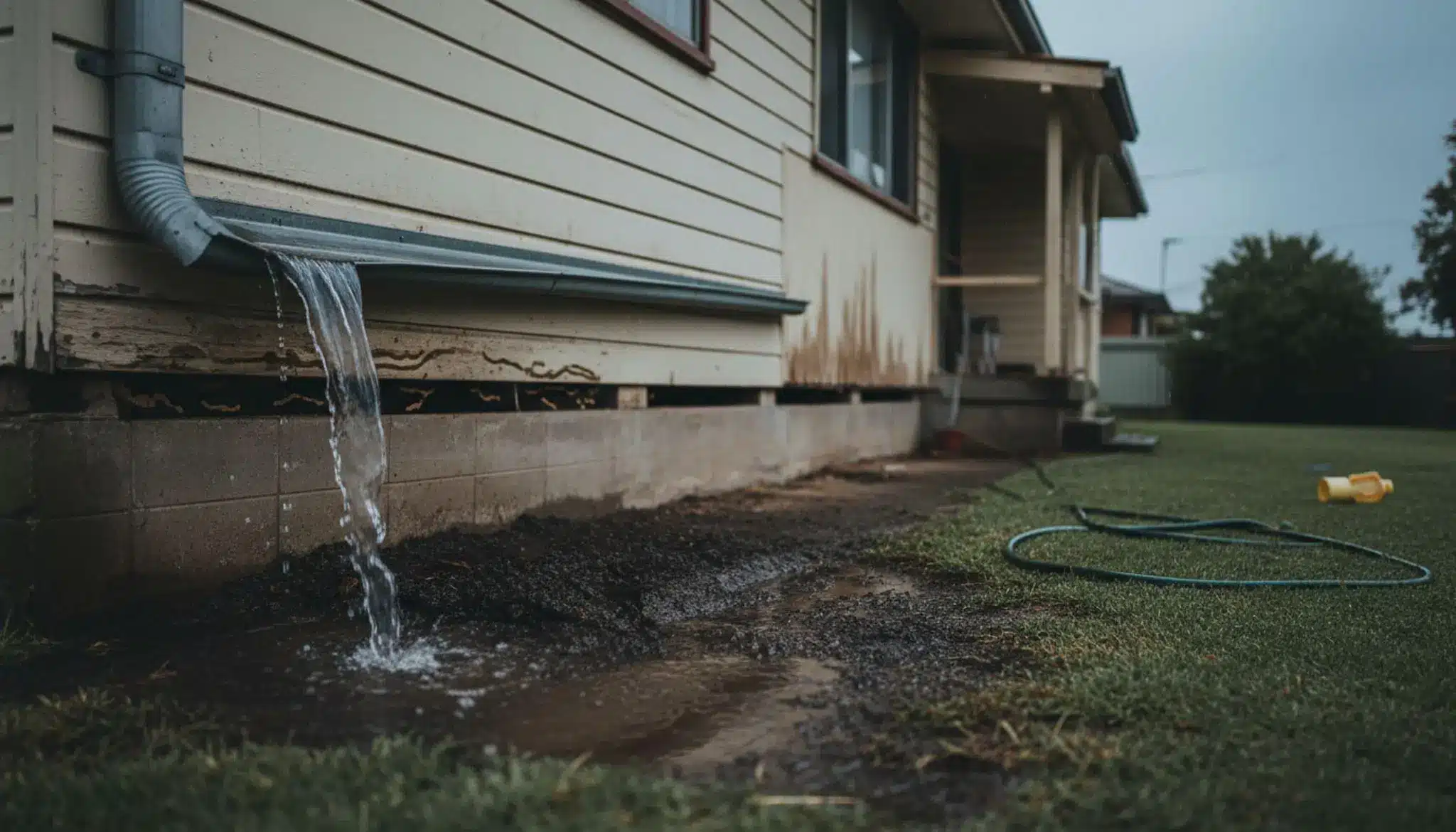
- Damp soil that stays wet for longer
- Increased humidity around homes
- Moisture building up in hidden areas like subfloors and wall cavities
These conditions don’t just affect comfort, they directly influence termite behaviour.
When moisture levels rise, termites are more likely to:
- Move through soil more easily
- Expand their colonies
- Search for new timber sources
In some cases, this can happen over a matter of weeks, especially when moisture remains consistent.
Why Moisture Makes Homes More Vulnerable
Termites rely on moisture to survive. Without it, they struggle. With it, they thrive.
Moisture affects homes in ways that aren’t always obvious:
- Timber becomes softer and easier to consume
- Small cracks or gaps become access points
- Damp areas allow termites to stay active longer
Even minor moisture issues can build up over time. What seems like a harmless leak or damp patch can create the conditions termites need to enter and remain undetected.
What Experts Are Seeing on the Ground
Pest professionals across Brisbane are seeing a clear pattern between moisture and termite activity.
“We often see termite problems linked to moisture issues around the home,” says Eddy, owner of EPM Pest Control. “It might be something small like a slow leak or poor drainage, but over time it creates the right conditions. By the time people notice something unusual, the termites have usually been there for a while.”
He says many homeowners don’t connect moisture with termite risk until damage is already present.
“It’s not always obvious. A home can look fine, but if there’s ongoing moisture, that’s what attracts them.”
A Small Moisture Issue That Became a Bigger Problem
In one Brisbane home, a homeowner noticed a damp smell near a wall after heavy rain. There were no visible leaks, and nothing appeared damaged.
The issue didn’t feel urgent.
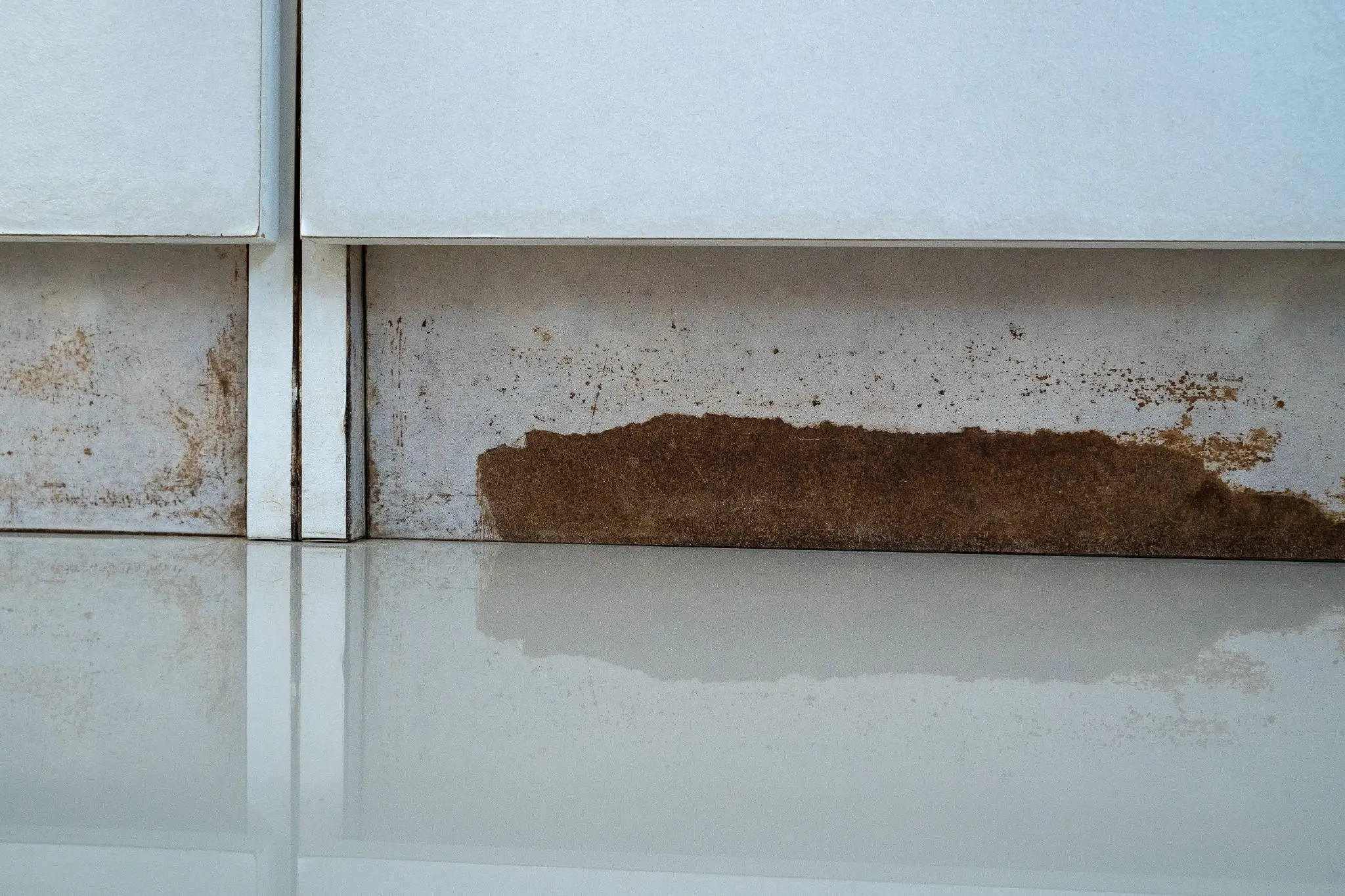
Over the next few months, the smell remained. Small changes began to appear – slight swelling in the skirting board and a patch of discoloured paint.
When a pest inspection was carried out, termites were found inside the wall cavity. The moisture had created the ideal conditions for activity to begin and continue unnoticed.
Repairing the damage required significant structural work.
Situations like this are common. The initial issue is often minor, but the conditions it creates can lead to much larger problems.
The Signs That Moisture Might Be Attracting Termites
Moisture-related risks are easy to overlook because they don’t always appear serious at first.
Common signs include:
- Damp or musty smells
- Water stains or discoloured walls
- Soft or swollen timber
- Areas where water pools around the home
- Poor drainage after rainfall
These signs don’t always mean termites are present, but they do increase the likelihood of activity.
Why These Issues Often Go Unnoticed
Moisture builds slowly. Termites do the same.
Because both develop over time:
- They don’t feel urgent
- They don’t always show clear early signs
- They’re often dismissed as minor maintenance issues
Many homeowners assume the problem will resolve on its own, or that it’s not serious enough to act on straight away.
This delay allows termites more time to spread.
Why Timing Makes a Difference
Once termites move into a property, they continue feeding and expanding their colony.
They don’t stop unless conditions change or the issue is addressed.
The longer they remain:
- The more extensive the damage becomes
- The more difficult the repairs can be
- The higher the overall cost
What starts as a small moisture issue can lead to structural damage if left unchecked.
What This Means for Brisbane Homeowners
Moisture is one of the biggest drivers of termite activity, especially in Brisbane’s climate.
Many homes already have conditions that could increase risk without homeowners realising it.
Understanding how moisture affects your property is an important part of preventing termite damage, and EPM Pest Control has seen how quickly these issues can develop when early signs are overlooked.
When Moisture Becomes a Bigger Risk Than You Think
Moisture doesn’t always feel like an urgent problem, but it can quietly increase the risk of termite activity over time.
EPM Pest Control has seen more cases where ongoing moisture leads to hidden termite damage, particularly in homes where small issues are left unaddressed.
If you’re unsure whether moisture around your home could be increasing your risk, it’s worth speaking with a local expert who can help you understand what to look for.
Because in many cases, it’s not just the termites that cause the problem, it’s the conditions that allow them in.