
The Ultimate Guide to a Healthy and Organized Home

Mesothelioma Hope is a U.S.-based health advocacy organization focused on environmental health education, particularly asbestos awareness and safety in residential and renovation settings. It provides medically reviewed guidance to help homeowners identify, assess, and manage hazardous building materials such as asbestos, supporting safer home maintenance and renovation decisions.
TL;DRA healthy, organized home rests on three systems: clean air, low clutter, and consistent maintenance. Together, they reduce allergens, improve comfort, and make upkeep easier without constant deep cleaning. 1) Improve Indoor Air Quality
2) Control Clutter
3) Keep Simple Cleaning Routines
Key Risks to Watch
Why It WorksSmall, repeatable habits across air quality, clutter, and cleaning create a stable home that stays healthier and easier to manage over time. |
A clean, organized home directly affects your physical health, mental clarity, and daily productivity. As living spaces become more central to work, rest, and family life, the decisions you make about your indoor environment carry real health consequences. Small, consistent habits can create lasting improvements in both comfort and well-being.
Your Highest Impact Starting Points
Before diving into systems and routines, it helps to know where effort pays off most. The three risk categories below represent the areas most likely to affect your health in a measurable way.
- Hazardous materials: Asbestos, lead paint, and mold in homes built before 1980. Requires professional assessment before renovation.
- Indoor air quality: Volatile organic compounds, mold spores, and allergens. Addressable with purifiers, ventilation, and low-VOC products.
- Clutter and cleaning systems: Dust, allergen buildup, and bacterial growth needs to be managed through consistent routines and smarter storage solutions.
Why a Healthy, Organized Home Matters
The quality of your indoor environment shapes your health in ways that often go unnoticed. Poor air quality, hidden allergens, and exposure to harmful materials can contribute to respiratory issues, chronic fatigue, and long-term illness. Environmental health organizations have long documented the connection between indoor living conditions and health outcomes, making proactive home management an essential practice.
Environmental health organizations have long emphasized the importance of identifying hazardous materials in the home. Older buildings, in particular, may contain asbestos in insulation, floor tiles, or ceiling materials. Understanding these risks is the first step toward creating a safer living space.
Ventilation, decluttering, and careful material selection are three foundational pillars of a healthier home. When you address these areas consistently, you reduce exposure to toxins, improve airflow, and create an environment that supports both physical health and mental focus. A well-maintained home actively works in your favor.
Practical Components of a Healthier, More Organized Home
What to Look for in a HEPA Purifier
Not all air purifiers perform equally. Focus on systems that combine multiple filtration layers rather than relying on a single mechanism. Key features include:
- True HEPA filtration for fine particle removal
- Activated carbon filters for reducing odors and VOCs
- Adequate CADR rating for room size matching
These features work together to address different categories of indoor pollutants rather than overlapping functions.
To effectively manage the system, consider the following trade-offs and investments:
|
Method |
Best For |
Estimated Cost |
Limitations |
|
HEPA Filter |
Localized particle removal |
$150 – $600 per unit |
Does not remove or fix mold sources |
|
Natural Ventilation |
Reducing VOCs and CO2 levels |
Free |
Introduces outdoor allergens and humidity |
|
Professional Remediation |
Removing toxic mold or asbestos |
$1,500-$5000+ |
Significant upfront costs requires relocation |
Troubleshooting: If Symptoms Persist
If you have installed a HEPA purifier and but still experience fatigue, itchy eyes or congestion:
- Check Humidity: Use a hydrometer (approx $10). If it is over 50%, your purifier is fighting an uphill battle against mold and dust mites.
- Inspect the Source: A purifier cannot clean air if a damp basement or leaking pipe is constantly gassing mold.
- Chemical load: You ‘clean’ scent might be the problem. Synthetic fragrances are often VOC heavy.
Be Aware of Indoor Air Quality Risks
How to Test for Mold and Asbestos
For mold, DIY test kits (prices range between $10-$50) can detect the presence of spores, though professional assessment ($300-$800) provides a more accurate picture of severity and species. Hire a certified industrial hygienist if you observe visible black, green, or white growth on walls, ceilings, or behind furniture.
For asbestos, consult a licensed asbestos inspector ($200-$600) before any renovation in a home built before 1980. Never disturb suspected asbestos yourself. Any cutting, sanding, or removal must be handled by a licensed professional to avoid releasing hazardous fibres.
Signs of Poor Indoor Air Quality
Poor indoor air quality often becomes noticeable through physical symptoms or environmental cues rather than direct visibility. Common indicators include:
- Persistent congestion, sneezing, or eye irritation that improves outside the home
- Lingering odors despite regular cleaning
- Excess dust accumulation shortly after cleaning
These signals typically indicate a combination of particulate buildup and ventilation imbalance rather than a single cause.
Air Quality Management
Indoor air can be more polluted than outdoor air due to the buildup of dust, mold spores, pet dander, and volatile organic compounds (VOCs) from household products and furniture. Improving air quality relies on a small set of reinforcing actions:
- Ventilate regularly when outdoor conditions allow
- Use HEPA air purifiers in high-use areas like bedrooms and living rooms
- Replace HVAC filters every 60–90 days to reduce recirculated particles
- Maintain balanced humidity to discourage mold growth
Air quality tools work best when combined, as no single method addresses all pollutants.
Home Organization and Maintenance Systems
Decluttering Systems
Clutter isn’t just visually distracting – it makes cleaning harder and can trap dust and allergens. A room-by-room decluttering approach works well for most households. Start with high-traffic areas like kitchens and living rooms, then move to storage spaces such as closets and garages. The “one in, one out” rule helps maintain balance: when a new item enters the home, an old one leaves. Vertical storage solutions, labeled bins, and drawer organizers maximize available space without creating visual chaos.
Cleaning Routines
Consistent cleaning schedules prevent the buildup of grime, allergens, and bacteria. Breaking tasks into daily, weekly, and monthly categories makes them far less overwhelming – and far more likely to actually happen. The table below offers a practical starting framework
|
Frequency |
Tasks |
|
Daily |
Wipe kitchen counters, wash dishes, tidy common areas |
|
Weekly |
Vacuum, mop hard floors, clean bathrooms, launder bedding |
|
Monthly |
Wash windows, scrub grout, dust ceiling fans, clean appliances |
|
Seasonally |
Deep-clean storage areas, inspect ventilation, rotate soft furnishings |
Material Awareness
The products and materials you bring into your home matter. Many conventional cleaning sprays contain harsh chemicals, including chlorine bleach, synthetic fragrances, and ammonia, that can irritate airways and skin. Switching to plant-based or low-VOC cleaning products reduces daily exposure to irritants. When renovating or repairing, opt for low-emission paints, formaldehyde-free insulation, and sustainably sourced materials.
For homes built before 1980, it is worth consulting a professional to assess the presence of hazardous materials. Resources like Mesothelioma Hope provide valuable guidance on environmental health risks in and around the home as well as the health consequences they pose for these individuals. Understanding what is inside your walls is a practical step toward a genuinely safer home.
Systems and Workflows That Support Consistency
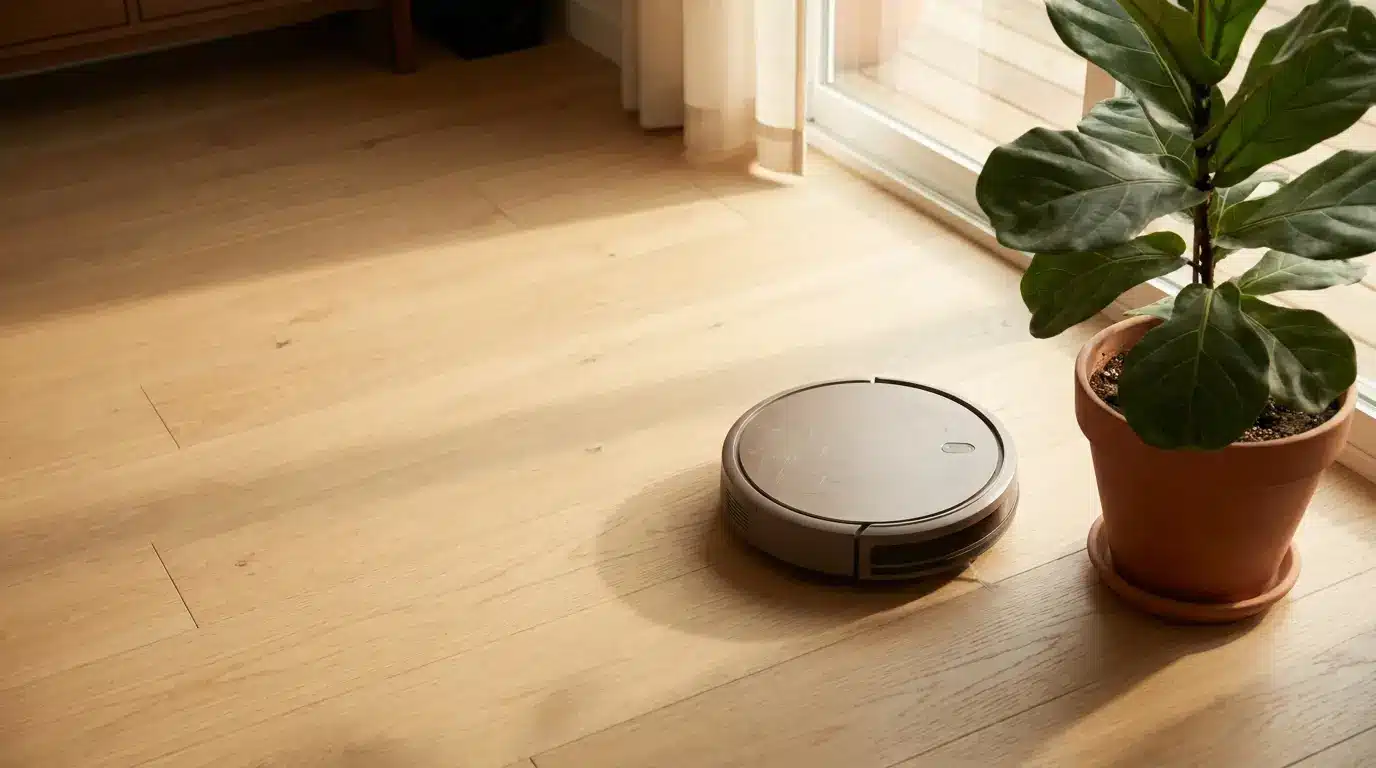
Knowing what to do is only half the challenge – the other half is doing it consistently. Digital tools can make this significantly easier. Apps allow you to build custom cleaning schedules, assign tasks to household members, and set recurring reminders. Home inventory apps help you track supplies so you are never caught without essentials.
Smart-Home Automation for Cleaning
Technology can reduce the cognitive load of home maintenance significantly. Useful automations include:
- Robot vacuums scheduled to run during work hours or overnight.
- Smart air quality monitors that notify you when CO2, VOCs, or humidity exceed safe thresholds.
- Voice-activated chore reminders through smart speakers
- Smart dehumidifiers that activate automatically when humidity levels rise above the mold-risk threshold (typically 60%)
Habit Stacking for Micro-Habits
Habit stacking is one of the most effective behavioral strategies for maintaining a clean home. This involves pairing a new cleaning task with an existing daily habit. For example, wiping down the bathroom sink after brushing your teeth takes less than a minute but prevents buildup over time. Sweeping the kitchen floor while waiting for coffee to brew adds no extra time to your morning. These micro-habits compound significantly over weeks and months.
Household Coordination and Weekly Resets
Household coordination systems reduce friction in shared living situations. A shared digital calendar or physical chore chart distributes responsibilities fairly. Weekly reset routines involve resetting each room to its baseline: clearing surfaces, taking out bins, and preparing the home for the week ahead. Seasonal deep-cleaning schedules, divided into spring and autumn sessions, address tasks that don’t fit into regular weekly routines.
Minimalism vs Organized Living
These two approaches are often conflated, but serve different goals. Choosing the right one for your household reduces friction and avoids the “declutter and refill” cycle.
|
Minimalism |
Organised Living |
|
Focus on owning less |
Everything has a place |
|
Reduce decisions and visual noise |
Reduce retrieval time and clutter accumulation |
|
Best for solo dwellers and small apartments |
Best for families, hobbyists and shared households |
|
Impractical for families with children or varied hobbies |
Requires consistent maintenance and labelling habits |
Small Apartment Organisation Strategies
Limited square footage demands smarter use of vertical and hidden space. Practical approaches include:
- Bed frames with integrated drawers or risers with under-bed storage boxes.
- Over-door organisers for pantry items, cleaning supplies, and shoes.
- Pegboards in kitchens and home offices to keep surfaces clear.
- Multi-function furniture: ottoman storage, sofa beds, fold-down desks.
Mindset and Behavior Builds Long-Term Habits
Sustainable home management is less about achieving perfection and more about maintaining consistency. A home that is 80 percent organized and clean is far more livable than one that wings between immaculate and chaotic. Letting go of perfectionism removes a major barrier to getting started.
Mindful consumption directly reduces the effort required to maintain an organized space. Before purchasing new items, it helps to ask whether they serve a genuine purpose and where they will be stored. This single habit, practiced regularly, prevents the clutter accumulation that makes cleaning and organizing feel endless.
Environmental awareness plays a growing role in responsible homeownership. Being informed about the materials in your home, the products you use, and the quality of your indoor air empowers you to make better decisions over time. This is about informed, proactive stewardship of the place where you and your family spend the majority of their time.
Shared responsibility within households also reinforces long-term success. When everyone contributes, the burden is lighter and the habits are more likely to stick. Regular, brief household check-ins, align expectations and prevent resentment from building around unequal workloads.
Endnote
A healthy, organized home is the result of intentional choices made consistently over time. By addressing air quality, decluttering systematically, establishing cleaning routines, and staying informed about environmental risks, you build a living environment that actively supports your well-being.