
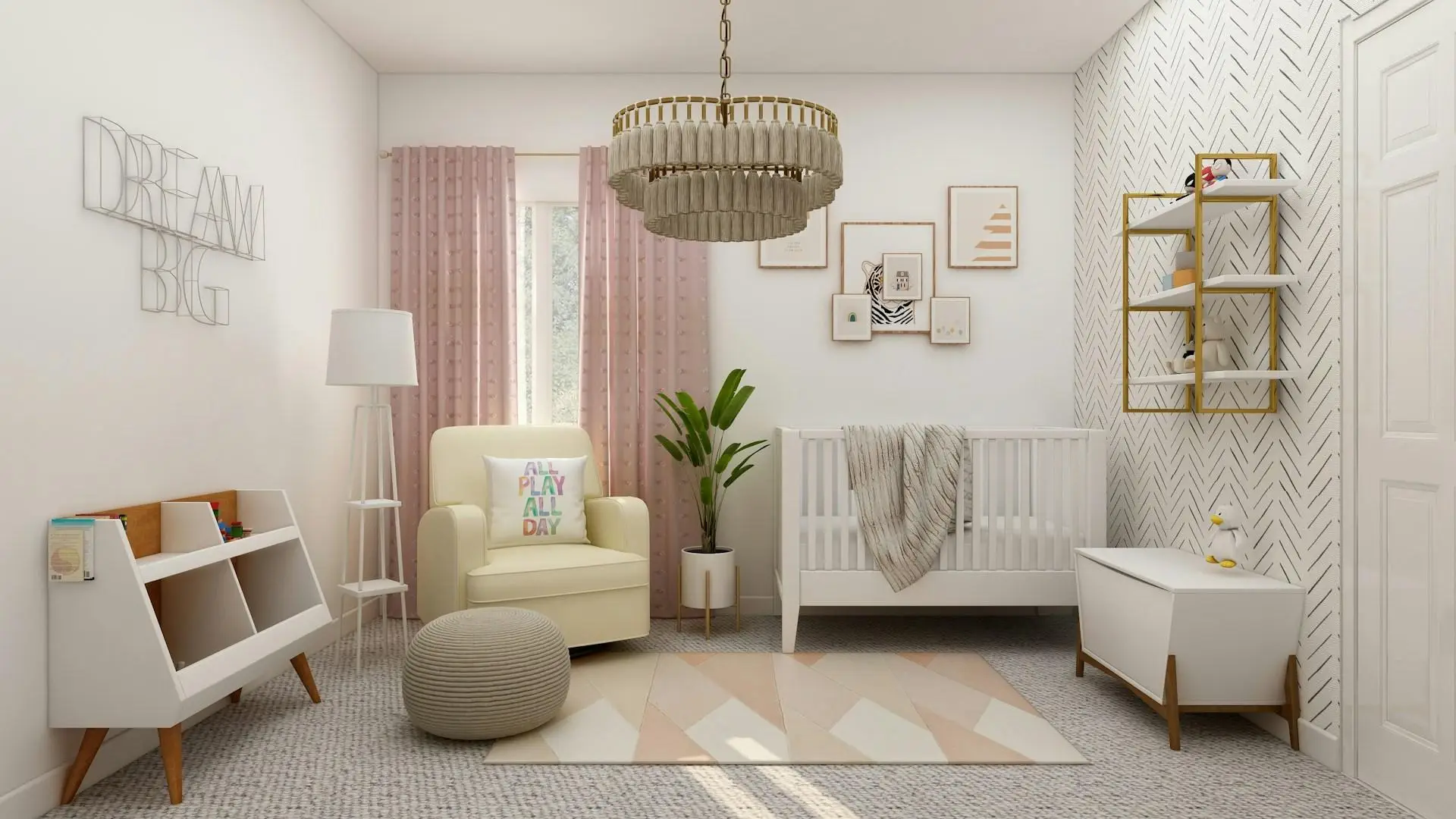
Designing a Safer Nursery: Hidden Household Risks New Parents Often Miss

Designing a nursery is one of the most exciting parts of preparing for a baby. Parents spend weeks choosing paint colors, folding tiny clothes, and deciding where the crib should go. However, somewhere between decorating and organizing, safety details can get overlooked.
A nursery should feel calm and comfortable, but it also needs to protect a baby from risks that are easy to miss at first glance. Things like loose cords, unstable furniture, poor airflow, and cluttered sleep spaces can quickly turn into hazards once a baby starts rolling, crawling, or pulling up. Fortunately, most nursery dangers can be prevented with a few thoughtful changes.
Start With Safe Crib Placement
The crib is the centerpiece of the nursery, so placement matters more than many parents realize. One of the most common mistakes is putting the crib too close to windows. Curtain cords and blind strings can become strangulation hazards, especially once babies begin standing and reaching. Windows can also create problems with drafts, direct sunlight, and temperature swings. A safer setup includes:
- Placing the crib against an interior wall
- Keeping it away from windows and heaters
- Leaving at least a few feet of space from vents
- Avoiding shelves or heavy wall décor directly above the crib
The crib itself should also meet modern safety standards. Older hand-me-down cribs may look charming, but wide slats or damaged hardware can create serious risks. We recommend keeping the crib simple. That means:
- No pillows
- No crib bumpers
- No loose blankets
- No stuffed animals
A firm mattress with a fitted sheet is enough for safe sleep.
Watch for Furniture Tip-Over Risks
Nurseries often include dressers, bookshelves, changing tables, and storage cabinets. The problem is that babies eventually try to climb everything. Furniture tip-overs are more common than many people think.
A dresser drawer left open can act like a ladder, pulling heavy furniture forward onto a child. Anchoring furniture to the wall is one of the easiest ways to improve nursery safety. Items that should always be secured include:
- Dressers
- Tall bookshelves
- Changing tables
- Wardrobes
- Mounted televisions
It also helps to keep heavier objects in lower drawers or bottom shelves to reduce instability. Some parents skip this step because their baby is still a newborn. However, babies grow fast. One day your baby is lying still in a bassinet, and suddenly they’re pulling themselves upright against furniture.
Keep Nursery Air Clean and Comfortable
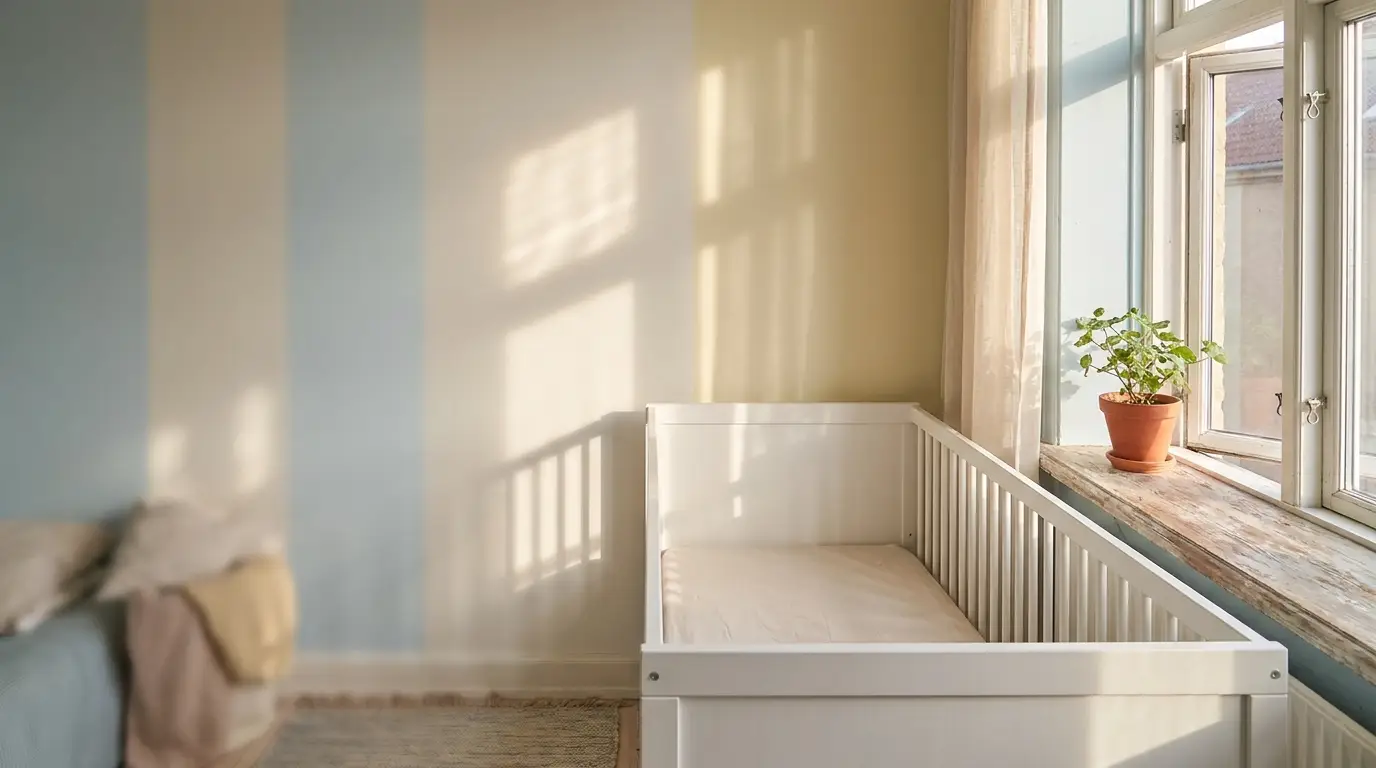
Air quality is another issue parents sometimes overlook while focusing on furniture and décor. Babies are more sensitive to dust, chemicals, and strong fragrances because their lungs are still developing. Paint fumes, scented candles, harsh cleaning products, and synthetic fabrics can all affect indoor air quality. A few simple adjustments can make a big difference:
- Choose low-VOC paint
- Wash baby bedding before use
- Open windows regularly for ventilation
- Use fragrance-free detergents
- Avoid heavy air fresheners or candles
- Vacuum rugs and curtains often
Many parents also add a HEPA air purifier to reduce dust and allergens. Temperature is also very important. Keeping the nursery between 68 and 72 degrees Fahrenheit for safer sleep. A room that feels too warm for an adult may also be too warm for a baby.
Don’t Ignore Small Choking Hazards
Babies investigate the world with their mouths. That means tiny objects around them can be very dangerous. Nurseries can quietly collect choking hazards without parents noticing. Decorative items, loose batteries, coins, jewelry, detached buttons, and small toy parts can all end up within reach.
It helps to regularly scan the room from floor level. Literally sitting on the floor gives parents a better view of what a crawling baby might find. Pay close attention to:
- Decorative baskets with small items
- Open shelves
- Toy storage bins
- Loose screws or hardware
- Older stuffed toys with buttons or beads
Even well-designed nurseries can become cluttered over time, especially during busy weeks with little sleep. Here’s a simple rule you can follow: if an item can fit through a toilet paper roll, it’s probably too small to leave within reach.
Be Careful With Cords, Outlets, and Electronics
Electrical hazards are easy to underestimate in a nursery. Baby monitors, sound machines, lamps, humidifiers, and charging cables can create dangerous cords around the room. Once babies begin grabbing and pulling, those cords become far more tempting. To reduce risks:
- Keep cords tucked behind furniture
- Use cord covers where needed
- Place monitors and humidifiers out of reach
- Avoid running cords near the crib
- Cover unused outlets
Window blind cords deserve extra attention, which is why we recommend cordless blinds whenever possible. It’s also smart to avoid overloading outlets with multiple devices. Nurseries tend to collect electronics quickly, especially during the newborn phase.
Create a Comfortable Layout for Parents Too
Parents spend countless hours in the nursery feeding, rocking, changing diapers, and pacing the floor at 2 a.m. A cramped layout can make those moments more stressful than they need to be. A practical nursery layout usually includes three simple zones:
- Sleep area
- Feeding area
- Changing area
Keeping supplies within arm’s reach matters more than perfect styling. Late-night diaper changes are much easier when wipes, clothes, and creams are organized nearby. Comfort is also important for parents recovering after birth. A supportive chair, soft lighting, and clear walkways can make nighttime routines feel less exhausting.
Some families dealing with developmental or medical concerns after birth also look for educational support resources like the Birth Injury Justice Center while learning more about infant care and long-term safety needs.
Endnote
A beautiful nursery should never come at the expense of safety. The safest spaces are usually the simplest ones: clean air, secure furniture, safe sleep habits, and enough room to move comfortably through daily routines. Parents don’t necessarily need a perfect nursery; they just need one that supports both comfort and safety as their baby grows.