
How Installation Standards Affect Long-Term Facility Performance

A commercial bathroom is only as dependable as the work that went into setting it up. Fixtures, piping, and drainage systems that you position correctly from the start tend to run smoothly for years with very little hands-on attention. Skip steps during that initial build, though, and the facility absorbs the cost through recurring leaks, early fixture breakdowns, and urgent after-hours service calls. For building owners and facility managers, recognizing how installation quality shapes everyday performance is critical to protecting both operating budgets and occupant comfort.
The Link Between Installation Quality and Operating Costs
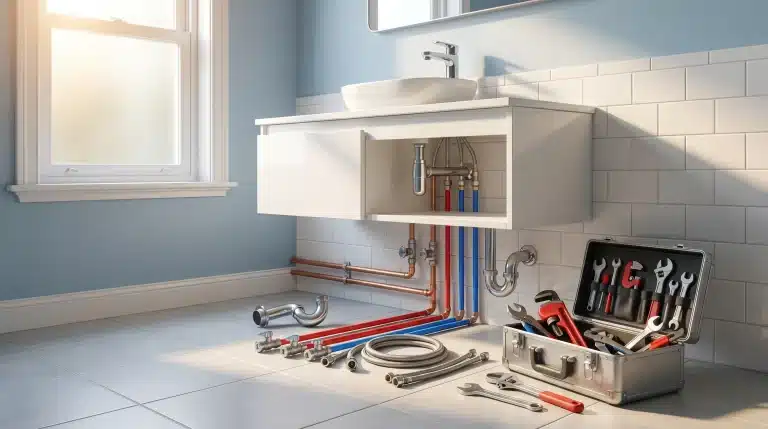
Poor installation feeds a loop of reactive maintenance that quietly drains budgets year after year. A toilet seated on an uneven flange, for instance, will keep leaking at the base no matter how many wax rings a technician swaps in. Supply lines that sit out of alignment put constant stress on their fittings, producing slow drips that damage wall cavities and subflooring over weeks.
Hiring qualified professionals for commercial bathroom installation St. Louis projects interrupt that pattern before it gains momentum. Precise fitting, careful leveling, and correct torque values applied during the original setup dramatically reduce the number of service calls a facility faces over the following decade. That early attention to detail converts directly into lower annual maintenance expenses.
Proper Fixture Mounting and Alignment
Commercial toilets, urinals, and lavatories absorb far heavier daily traffic than residential units ever see. Every piece of hardware needs anchoring that meets the manufacturer’s load ratings and spacing guidelines. A toilet carrier installed at the wrong elevation distributes weight unevenly across the bowl, which speeds up cracking around the bolt locations.
Carrier and Bracket Specifications
Wall-hung fixtures rely entirely on concealed carriers fastened to structural framing behind the finished wall. If that carrier sits even marginally off-level, the fixture tilts forward, and the flush valve seal wears at an uneven rate. Correcting a misaligned carrier once the wall has been closed requires demolition work, making first-pass accuracy far cheaper than any after-the-fact repair.
Drainage Slope and Venting
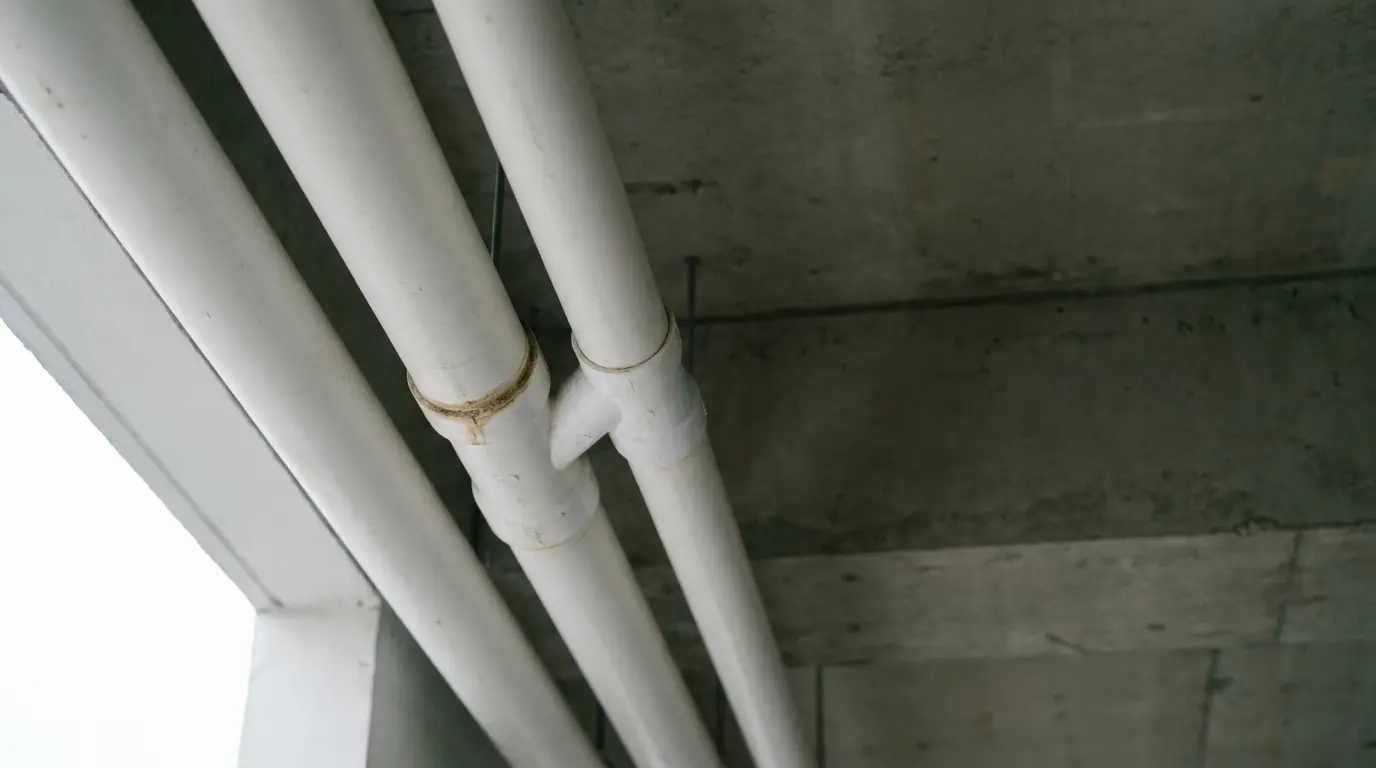
Gravity does the main work in a commercial drain system, but only when pipes follow the correct grade. A slope that runs too shallow lets waste settle and pack into blockages. Pitch it too steeply and liquids race ahead of solids, leaving debris stranded inside the line with nowhere to go.
Vent stacks carry equal importance. Without sufficient venting, negative pressure builds inside drain lines and siphons water out of fixture traps. That broken trap seal opens a direct path for sewer gas into the restroom, creating persistent odor problems that no cleaning schedule can fix. Sizing and placing vents properly during the original build eliminates this issue at the source.
Water Supply Line Sizing
Undersized supply lines choke flow during peak demand windows. Restrooms serving a high-occupancy floor may deliver weak flushes and sluggish lavatory fills whenever multiple stations run simultaneously. These symptoms frequently get pinned on the fixtures while the actual cause remains concealed inside the walls.
Sound hydraulic calculations during the design stage ensure pipe diameters can handle the expected simultaneous load. Over-sizing carries its own risks; stagnant water sitting in oversized lines encourages bacterial growth and raises contamination concerns. Striking the right balance at installation prevents both performance shortfalls and water quality issues.
Waterproofing and Membrane Integrity
Commercial restroom floors are wet environments by nature. Shower zones, mop basins, and toilet partition areas all direct water across finished surfaces throughout the day. Beneath those tiles sits a waterproof membrane responsible for shielding structural materials from moisture penetration.
Common Membrane Failures
Poor overlap at seams, rushed curing on liquid-applied products, and punctures from misplaced fasteners account for the majority of waterproofing breakdowns. Damage at this layer typically goes unnoticed until staining shows up on the ceiling one floor below. By that stage, subfloor materials may already need tearing out, a repair that costs many times more than applying the membrane correctly during construction.
Code Compliance and Accessibility
Installation standards are not simply best practices; a large portion carry the weight of local building codes. Fixture mounting heights, grab bar positioning, clearance dimensions, and approved pipe materials must all satisfy current regulatory requirements. Non-compliant work exposes building owners to failed inspections, monetary penalties, and possible legal action.
Accessibility guidelines layer on additional specifications. Lavatory rim heights, knee clearance beneath sinks, and flush control placement all need to land within defined measurements. Meeting these standards during the original build is far simpler and considerably less expensive than retrofitting an occupied restroom after a compliance audit surfaces violations.
Conclusion
Installation quality determines the trajectory for every maintenance dollar a commercial restroom will consume across its lifespan. Solidly mounted fixtures, correctly pitched drainage, properly sized supply lines, and intact waterproofing membranes each contribute to fewer and less severe repairs down the road. Facility managers who hold their contractors to strict manufacturer guidelines and current local codes during construction set their restrooms up for years of steady, low-cost operation. That early commitment to doing things right pays back consistently through fewer disruptions, lower repair bills, and a healthier bottom line overall.