
Key Factors That Determine Home Warranty Value

Replacing a failed HVAC system or a broken water heater can cost thousands of dollars with almost no warning. For many homeowners, a warranty plan offers a financial cushion during those exact moments.But not every plan delivers equal protection. The actual value of a home warranty depends on measurable factors that go well beyond the monthly premium listed on the brochure. Knowing what separates a worthwhile plan from a costly disappointment helps families spend with confidence instead of hoping for the best.
Coverage Scope and Plan Flexibility
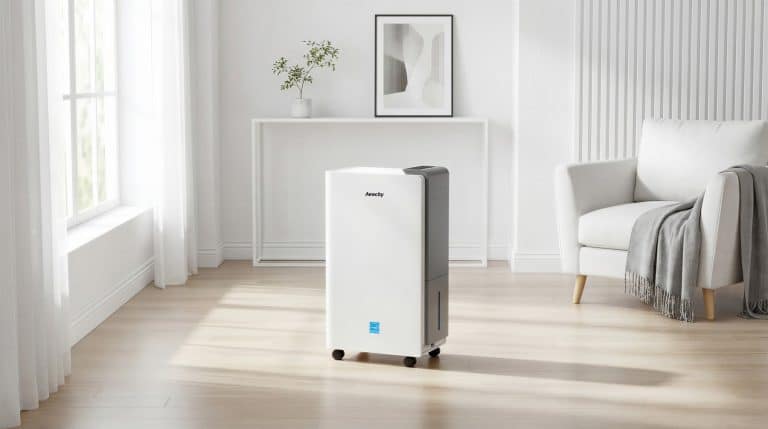
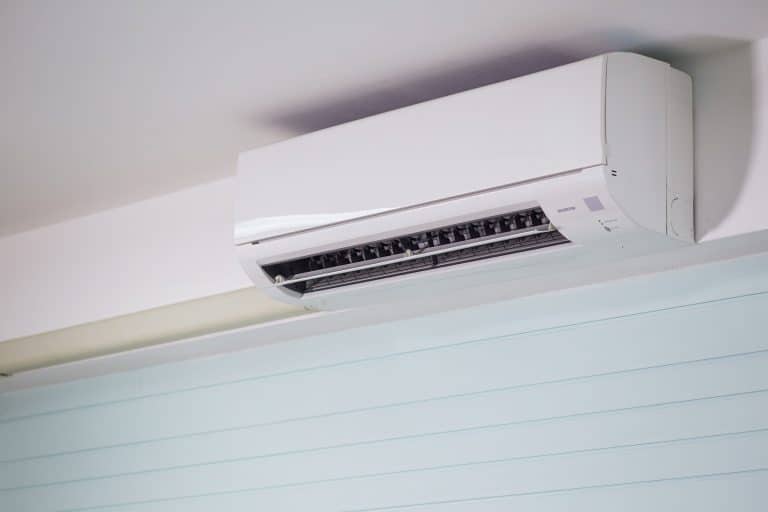
How much a warranty plan covers is one of the fastest ways to gauge what it is actually worth. Entry-level packages tend to protect core systems like plumbing, electrical, and heating. Higher tiers include kitchen appliances, water heaters, and garage door openers.
The key question is whether the coverage lines up with the property. A home full of aging appliances benefits from a plan that wraps those items in. Newer construction still under manufacturer protection may not need that same level of coverage. For homeowners weighing whether the expense makes sense, the starting point is an honest side-by-side comparison of annual premiums against likely repair scenarios. Ask yourself,“Are home warranties worth it?” For a specific property, this process begins with a grounded cost analysis that takes into account the age and current condition of the equipment.
Service Call Fees and Out-of-Pocket Costs
A service call fee applies every time a technician comes out under a warranty plan. Most providers charge somewhere between $75 and $125 per visit. A plan with a low monthly premium but a steep per-visit fee can quietly cost more across a full year, particularly for properties that need regular attention.
Expenses beyond the service fee deserve a close look too. Some providers cap the payout on individual repairs, leaving homeowners to cover anything above that threshold. Stacking these caps side by side across different providers shows how much genuine financial protection each plan carries.
Contract Exclusions and Limitations
Pre-Existing Conditions
Nearly all agreements refuse claims on equipment that was already failing before coverage kicked in. Providers may request an inspection or ask for maintenance records to confirm each component was operational at the time of enrollment.
Improper Maintenance
Warranty companies routinely reject claims linked to neglected upkeep. A furnace filter left unchanged for two years or a water heater thick with sediment buildup can both give a provider reason to deny the request. Holding on to consistent maintenance receipts helps homeowners defend a legitimate claim.
Code Upgrades
Repairs that trigger current building code requirements sometimes sit outside the coverage terms. If a failing electrical panel needs a code-compliant upgrade during replacement, that added expense may fall on the homeowner. Confirming whether a plan accounts for code-related work removes one more source of surprise during a claim.
Provider Reputation and Claim Experience
A warranty plan is only as reliable as the company behind it. Response times, contractor quality, and claim approval rates differ sharply between providers. Some handle claims within 24 to 48 hours; others leave homeowners in a holding pattern for days.
Online reviews, complaint records filed with consumer protection agencies, and firsthand referrals from neighbors or real estate agents all paint a beneficial picture. Paying a slightly higher premium for a provider known for prompt, fair claim resolution often delivers stronger long-term value than a budget plan with sluggish service.
Annual Payout Caps
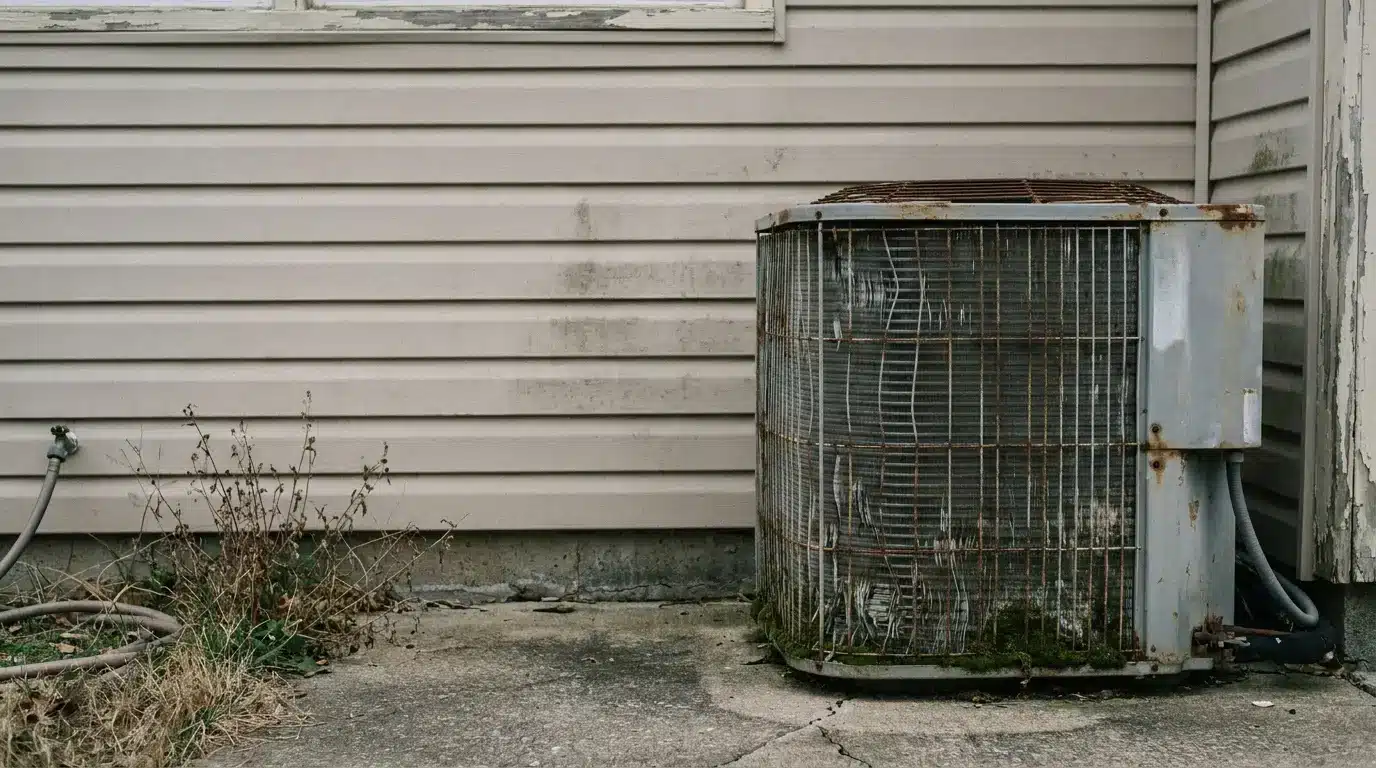
Every warranty contract sets a maximum annual payout. Once claims hit that ceiling, the homeowner picks up any remaining repair or replacement costs for the rest of the contract period. These caps can range from $1,500 on basic plans to $10,000 or higher on premium packages.
Measuring that limit against the replacement cost of major systems brings the picture into focus. A $2,000 cap offers limited help when the central air conditioning unit gives out and the replacement runs closer to $5,000.
Optional Add-Ons and Their Impact
Most providers sell add-on coverage for items that sit outside the standard plan. Pool and spa equipment, septic systems, well pumps, and second refrigerators are common options. Each one raises the annual cost, so selecting add-ons based on actual property needs keeps the plan economical.
Bundling multiple add-ons sometimes unlocks a reduced rate. Asking providers about package pricing before stacking items individually can lower the total bill while still covering higher-risk equipment.
Timing and Property Age
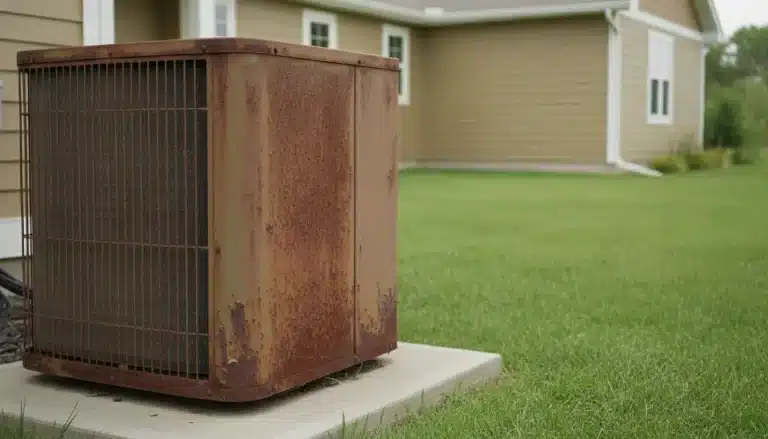
Older homes with aging systems tend to pull more value from warranty coverage. Appliances past the 8- to 10-year mark carry a sharper failure risk. A warranty purchased at the right stage can absorb one or two significant breakdowns that would otherwise squeeze a household budget.
Newer properties may see less immediate return. Manufacturer warranties and builder guarantees often overlap with home warranty protection during the first few years, creating redundancy that adds cost without meaningful extra coverage.
Conclusion
The actual value of a home warranty lives in the details, not the sales pitch. Coverage scope, service fees, payout limits, and provider dependability all shape whether a plan genuinely saves money or simply adds another recurring charge. Families who measure these factors against their property’s age, equipment condition, and realistic repair exposure give themselves the clearest advantage. A well-chosen warranty converts unpredictable repair costs into a steady, planned expense that shields both the home and the household budget.