What is Whole-House Electrification and Why It Matters

Whole-house electrification is the process of replacing fossil-fuel appliances and systems in your home with electric alternatives. In practice, it often means swapping a gas furnace for a heat pump, a gas water heater for a heat pump water heater, and a gas stove for induction, while upgrading your electrical panel and wiring if needed.
Electrification matters because it can improve comfort, reduce indoor and outdoor air pollution from combustion, and prepare your home for modern efficiency upgrades.
What “electrification” actually includes
Electrification is not one single product. It is a strategy that can include HVAC, water heating, cooking, and sometimes your clothes dryer or fireplace. The biggest energy impacts typically come from heating and water heating, since those are often the largest loads in a home.
A common electrification pathway looks like this: improve insulation and air sealing first, upgrade heating and cooling to a heat pump, then address water heating and cooking.
Why it matters for comfort and performance
Many homeowners think electrification is only about energy, but comfort is a major reason people do it. Heat pumps deliver steadier temperatures than many older heating systems, and they also provide cooling, so you get one system for year-round comfort. When paired with good airflow and proper sizing, they can reduce hot and cold spots and improve humidity control in summer.
Electrification upgrades often trigger other improvements too, like duct sealing or thermostat modernization, which can further stabilize temperatures.
Health and indoor air quality benefits
Any appliance that burns fuel indoors can introduce combustion byproducts into your living space. Even with ventilation, cooking, and heating, combustion can contribute to indoor pollutants. Electrifying systems like heating and cooking can reduce indoor combustion sources, which is especially relevant for households with asthma, allergies, or sensitivity to odors.
This does not mean every gas home is unsafe, but reducing indoor combustion is one way to simplify air quality management.
Cost and energy considerations
Electrification can lower operating costs in many homes, especially when replacing older, inefficient equipment. But the economics depend on local electric and gas rates, the condition of your existing HVAC, and how well your home holds heat and cool air.
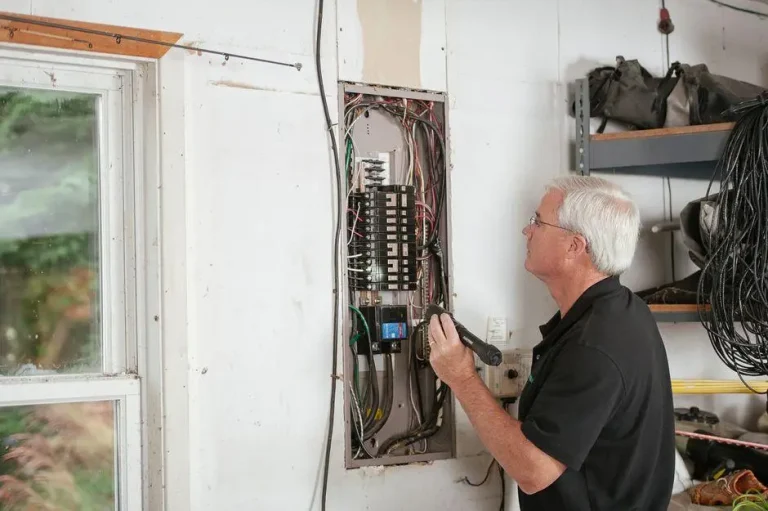
It is also important to consider upfront costs. Some homes need an electrical panel upgrade to support new equipment. The best approach is usually phased: start with the equipment that is due for replacement anyway, and plan upgrades in a logical order.
What to expect during an electrification project
Most electrification projects involve three stages:
- Home assessment: loads, insulation, ductwork, and existing electrical capacity
- System design: selecting properly sized equipment and planning any electrical upgrades
- Installation and commissioning: setup, airflow verification, thermostat configuration, and performance checks
The “commissioning” step matters because it is what turns new equipment into real-world efficiency and comfort.
How to know if electrification is right for your home
Electrification is often a strong fit if your furnace or water heater is aging, you want better heating in winter or cooling in summer, you are planning renovations, or you want to reduce reliance on gas over time. If you are unsure what upgrades your home would require, it helps to review what a complete plan looks like, including electrical scope and sequencing. A useful starting point is this overview of whole-house electrification, which outlines the concept and what the process can involve.
Conclusion
Whole-house electrification is about modernizing your home around efficient electric systems. Done well, it can improve comfort, simplify heating and cooling, reduce indoor combustion sources, and set your home up for long-term efficiency. The best results come from good planning: prioritize building envelope improvements, size equipment correctly, and make electrical upgrades only where needed.