How to Use Smart Sensors to Identify Hot Spots in Your Home

Smart sensors have emerged as a significant tool to homeowners who are interested in knowing the variation of temperature in their living space. These devices give in-depth information on the day-to-day behavior of various rooms, as opposed to the use of one thermostat reading. This assists in determining the areas which are warmer or colder than anticipated, which is often an indicator of the insulation, airflow, or sunlight exposure inefficiency. This information can enable homeowners to make informed decisions that would enhance comfort and minimize unnecessary energy consumption over the long run. This will help to identify patterns that would not have been identified by installing sensors on various areas of the home.
Smart Sensor Role in Homes
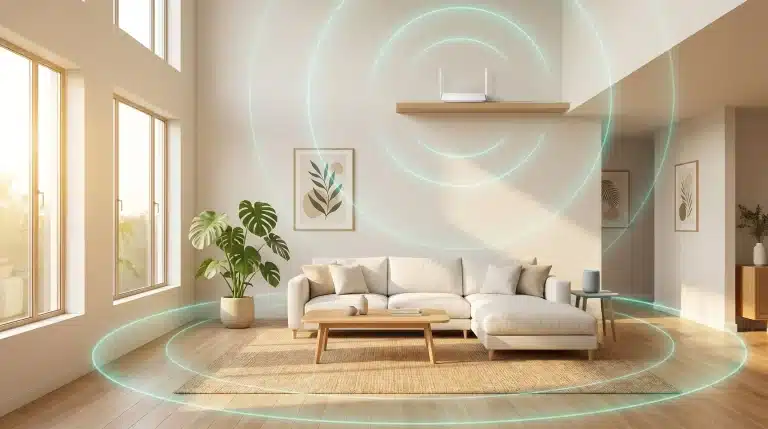
Smart sensors are a key component of contemporary home comfort management as they are a networked temperature sensor node. They do not use a core reading, but provide a more comprehensive view of heat transfer in a home. This is particularly applicable in bigger houses where the temperature can differ vastly between rooms based on layout and exposure.
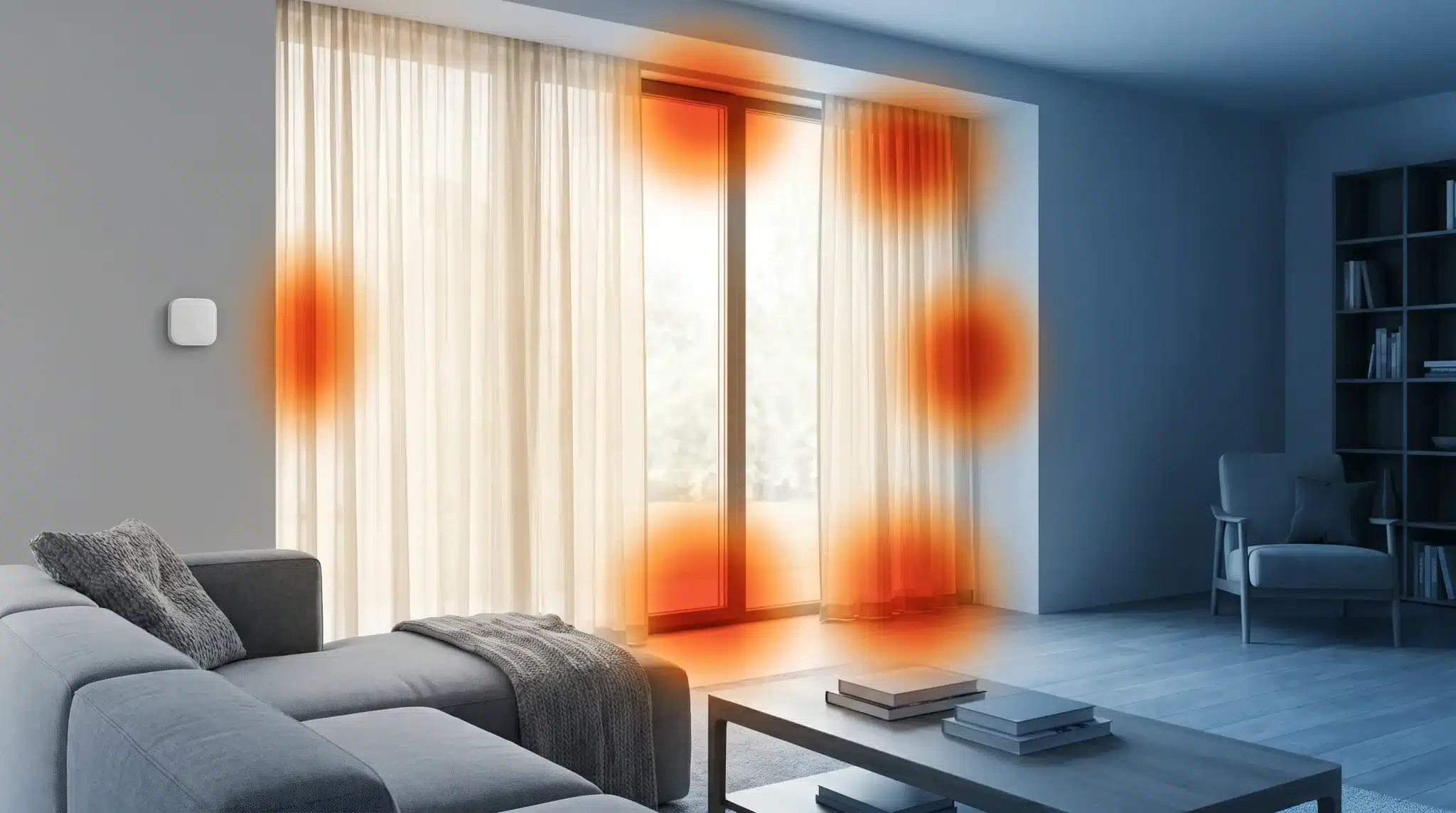
The devices usually record the temperature and occasionally the humidity and transmit real time information to an application or control panel. Homeowners can observe the influence of daily routines and the weather on indoor conditions in the long term. It assists in pointing out areas that are hot spots and may require attention like above garage rooms or areas with large windows.
How Sensors Measure Temperature Variation
Smart sensors monitor small variations in air temperature and log the air temperature at defined intervals. This constant tracking enables them to demonstrate the rate of heating or cooling of a room. These trends tend to be more significant than a single temperature data since they demonstrate the ability of space to retain or dispel heat.
When two or more sensors are employed simultaneously, they form a map of temperature variations throughout the residence. That way, it becomes easier to find out what areas always lack comfort. Homeowners are then able to give priority on making adjustments that will be based on actual evidence and not assumptions.
Positioning of Sensors in Residential Settings

Temperature changes in living rooms are usually caused by the size, presence of windows and frequent usage. Smart sensors installed in these locations can be used to determine the effects of sun exposure and day-to-day activity on the level of comfort. This can be of particular use in houses where the living room is directly exposed to afternoon sun.
With the monitoring of the fluctuations in temperature through the day, homeowners can get a better idea about when and why these spaces would be uncomfortable. It may result in easy remedies like closing curtains at certain times or increasing air circulation by fans or open windows.
Interpretation of Data to Adjust the Home
The last step in making the home environment more comfortable is to interpret sensor data. Homeowners can track the trends of temperature, and based on this information, they can determine which areas they should take care of regularly. This can involve better insulation, changing air circulation or renovating windows in hot areas. In other instances, homeowners who seek more expansive upgrades can also consider professional services like air conditioner installation Bramptonto supplement natural cooling plans.
With time, regular monitoring assists in the fine-tuning of these adjustments and makes sure that changes do work. Homeowners also have the chance to make decisions using actual performance data as opposed to assumptions. This results in a more effective and comfortable living environment that is more responsive to seasonal variations and day-to-day activities.
Air Movement Indoors Monitoring
The air movement is important in determining how comfortable a room is, despite the temperature being the same. Intelligent sensors can be used to monitor places where the air flows are inadequate or irregular. Such stagnant areas tend to be warmer as heat is not being distributed efficiently.
Knowledge of airflow patterns will assist house owners to rearrange furniture or change ventilation plans. Sometimes, circulation can be enhanced by making minor adjustments to the room layout and eliminating hot spots without having to do extensive renovations.
Bedroom Temperature Patterns
Bedrooms should be cozy at all times as temperature has a direct influence on the quality of sleep. Sensors installed in bedrooms can show the comparison between night cooling and daytime heat accumulation. Most people living in houses find that bedrooms take longer to cool compared to other areas of the house.
This information can be used to inform changes like better insulation, lighter window coverings or changing nighttime ventilation practices. These alterations over a period will lead to a more conducive sleeping environment that promotes rest.
Retention of Heat at Night
Even when it is cold outside, some of the bedrooms retain heat. The smart sensors are used to monitor the speed at which each room cools down after the sun has set. This is especially helpful in houses that have poor air circulation or those that are older.
Homeowners can do specific action by determining which rooms remain warm the longest. This can be through opening of windows earlier in the evening or enhancing cross ventilation between the rooms in order to get out the trapped heat more efficiently.
Heat Sources in the Kitchen and Appliances
Cooking appliances and movement are the most common causes of indoor heat especially in kitchens. Sensors installed in and around kitchens are smart and are used to monitor the extent of temperature increase during food preparation. This information usually shows acute rises in peak cooking times.
Knowledge of these trends can guide house owners to modify the times of cooking or enhance ventilation. Even minor modifications such as the more efficient use of exhaust fans can help to dramatically lower the amount of heat accumulating in the nearby spaces.
Cooling of Day-to-Day Activities
Other domestic activities also cause an increase in temperatures other than cooking. Dishwashers, ovens and even lighting could introduce the heat to a space after some time. The use of smart sensors simplifies the monitoring of the effects of these activities on overall comfort.
Armed with this information, homeowners can start to redistribute some of their chores to the cooler time of the day. This contributes to a more balanced indoors climate, as well as a load on cooling systems in warm seasons.
Smart sensors will allow homeowners with a convenient method of learning about how temperature changes around the home and at what point discomfort starts. They transform guesswork into information by detecting hot spots that are hitherto hidden and tracing the responsiveness of rooms to day-to-day operations. This simplifies the process of making it more comfortable by making minor changes and also making major home changes as time goes by.