How Can a Japanese Tea Table Transform Your Small Living Space?

When living in a small home, all furniture has to fulfill its function in a perfect way. A Japanese tea table is the perfect idea to enjoy your tea, but also creates room for a routine, a thoughtful space and a more mindful way of living.
Japanese interiors are renowned for bringing balance, restraint and consideration to every detail. Japanese tea tables are no exception, and can be used in anything from a small apartment, to a shared studio, or even as a compact reading table. The table helps to bring balance and proportion to the smallest of spaces, resulting in a more open, grounded, inviting space that is more organized and more peaceful.
A Small Table with a Strong Presence
A Japanese tea table is usually lower than a standard Chinese table and designed with simplicity in mind. Its lines are clean, its proportions are balanced, and its visual weight is often light. This matters a great deal in a small living space.
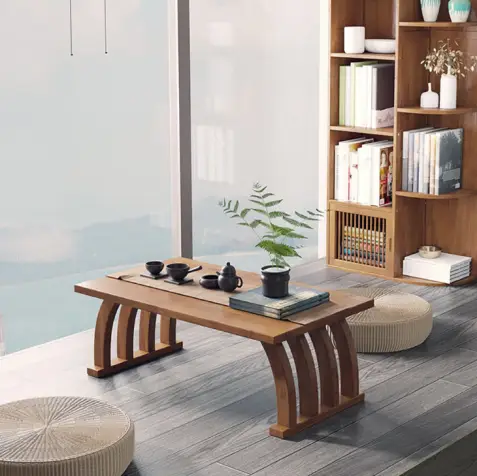
Large furniture can divide a room and make it feel crowded. A low tea table does the opposite. Because it sits closer to the floor, it allows the eye to move more freely across the room. This creates a stronger sense of openness. This visual effect is one of the most practical reasons people choose low furniture for compact homes. A Japanese tea table does not dominate the room. Instead, it helps the room breathe.
It Encourages a More Flexible Layout
Small living spaces face a common challenge: a single room often needs to serve multiple purposes. It can function as a living area, reading nook, tea corner, guest space, and even a temporary workspace. For this reason, multi-functional and flexible furniture become very essential.
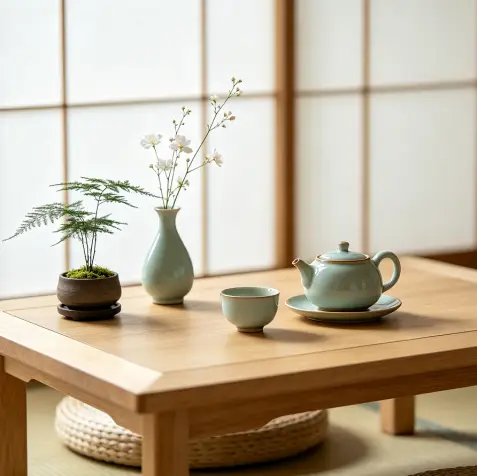
A Japanese tea table is also very suitable for this purpose: you can use it for brewing tea, writing a journal, reading a book or for a little snack. When friends visit, you can use it to serve drinks to your guests. At other times, it just sit quietly in the corner with a small tray, a teapot, and one cup, creating a peaceful visual anchor without taking over the room.
Because these tables are usually compact and easy to pair with floor cushions, they also allow you to avoid overcrowding the space with multiple chairs or bulky side tables. Sometimes, a tea table can even replace a standard coffee table while offering a more intentional atmosphere.
It Brings Calm Through Visual Simplicity
In a small living room, too many items will compete for attention and quickly make you feel stressed. A tea table inspired by Japanese aesthetics is just what you need. Its simplicity, balance, and use of negative space will calm the space and bring order to the room.
This does not mean your room has to look empty or cold. It means choosing fewer, better items. A simple low wooden tea table in a natural finish offers understated warmth, while a dark-stained table delivers quiet depth. A well-crafted table in a material like bamboo, walnut or even ash can introduce texture while keeping the room harmonious.
This kind of calm design is especially useful in small spaces because every object is more visible. When the table is simple and well-proportioned, it makes the surrounding room feel more settled.
It Creates a Ritual, Not Just a Seating Area
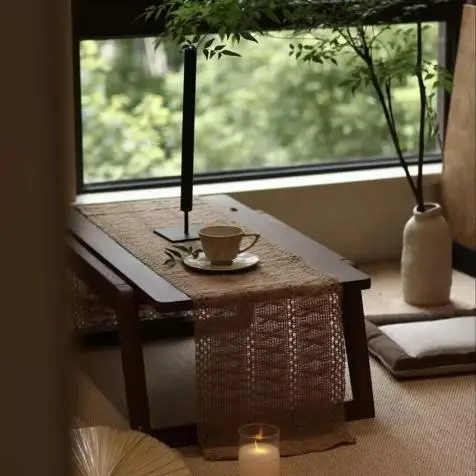
The real transformation of a Japanese tea table is not only physical. It is emotional and behavioral. A tea table can invite a slower rhythm into everyday life.
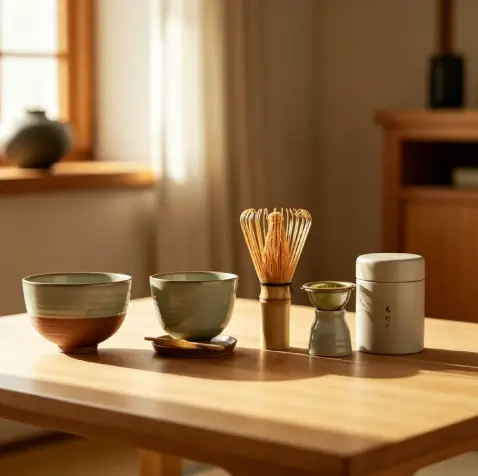
In modern homes, space is often where people feel most cramped. A small tea table, however, can create a sense of ritual, allowing you to sit down, breathe fresh air, and reconnect with yourself. Whether it’s quietly savoring a cup of sencha, a hojicha/matcha latte, or simply a cup of hot water, the process of preparing and enjoying a beverage is one of the most private and relaxing experiences in the home.
It Connects Beauty with Function
Good small-space design is more than just about appearance; it’s about the harmonious unity of function and environment. The popularity of Japanese tea tables stems from their combination of practicality and elegant style.
Its low height can make gatherings feel more intimate. Its compact size subtly alters how people interact with space. Because of the limited surface area, every item placed on it becomes more easily noticed and appreciated. A small tea set can become the visual focal point; a delicate vase adds a touch of soft embellishment to a corner; a potted plant brings a sense of nature and tranquility; and a beloved book lends the corner a sense of privacy and serenity.
Some tables also include thoughtful features such as foldable legs, lightweight construction, or proportions that make them easy to move. These details are particularly useful in apartments where furniture may need to be adjusted frequently.
It Helps Define a Meaningful Corner
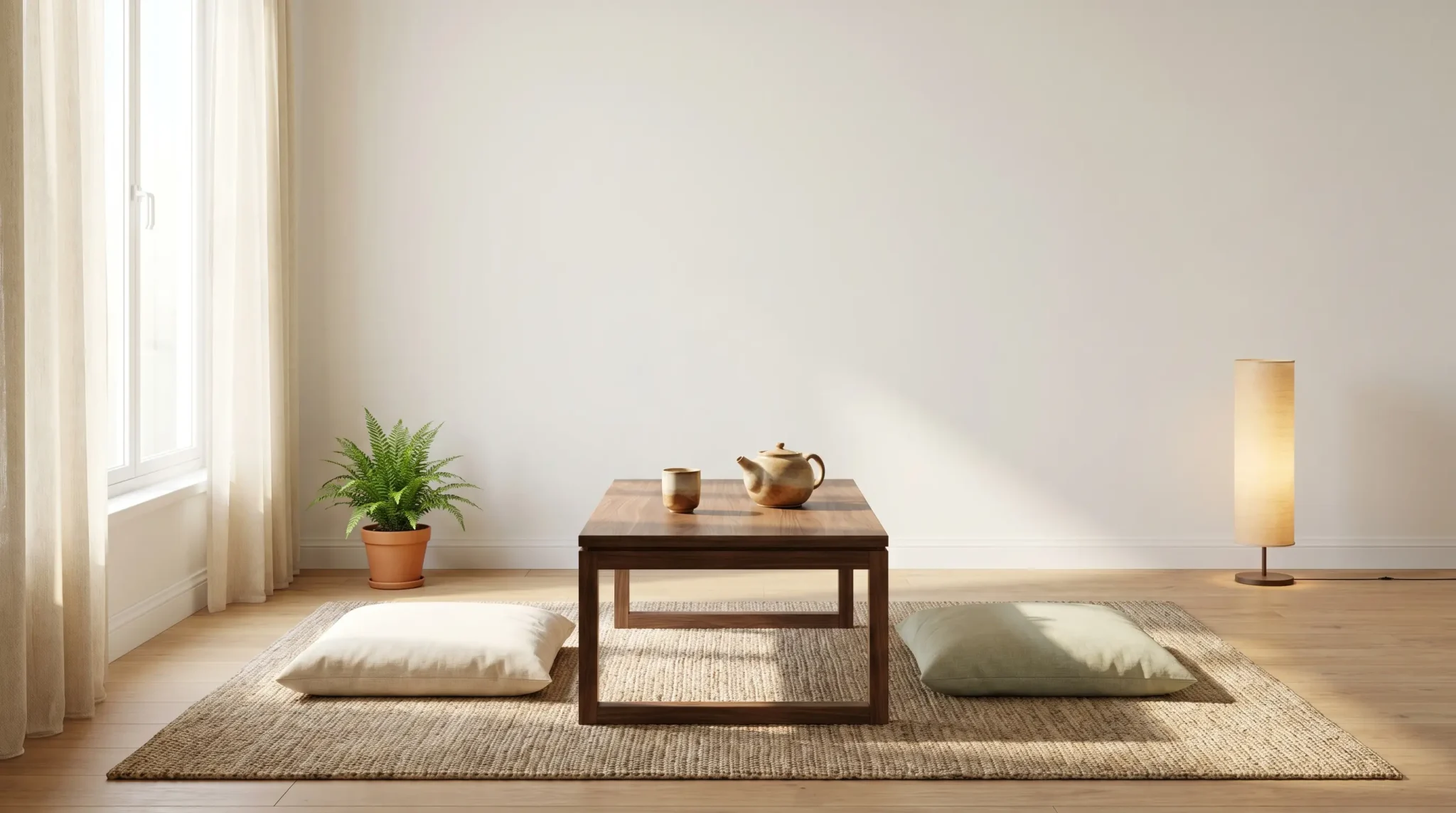
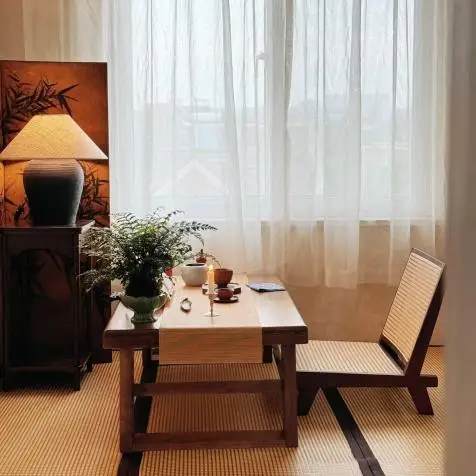
A Japanese tea table is ideal in compact homes. Placed near a window, beside a bookshelf, or on a small rug, it can turn an empty corner into a quiet retreat. Add two floor cushions, a soft lamp, and a small plant, and suddenly the space has identity. It is no longer an unused part of the room. It becomes a destination within the home.
This is one of the most effective design strategies for small interiors: instead of trying to fill the entire room evenly, create one or two strong, functional zones. A tea table helps establish such a zone without requiring much space or furniture.
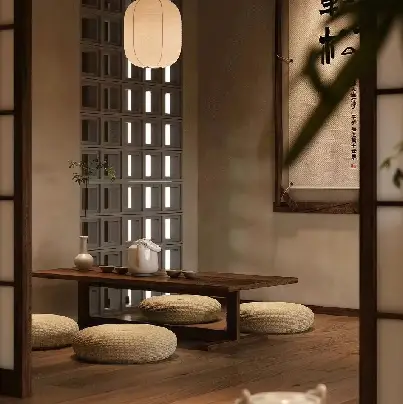
It Supports a Grounded Way of Living
When you’re brewing tea, crossing your legs, sitting close to the ground, and relaxing your body naturally helps you establish a calm and focused relationship with your surroundings. In this environment, drinking tea is no longer just a daily routine, but a tranquil respite, a way to soothe emotions and refocus on the present moment. Whether enjoying tea, reading quietly, or meditating for a while, such a tea corner can become a peaceful haven in your home.
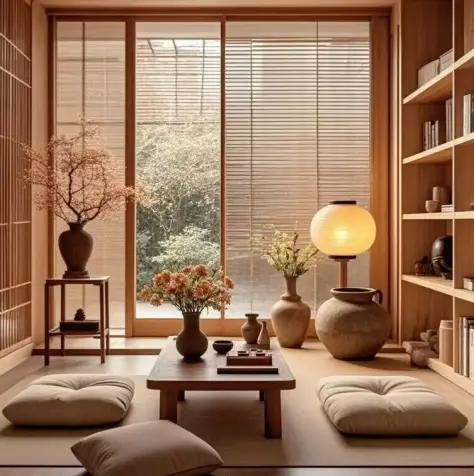
Choosing the Right Tea Table for a Small Space
For a small living space, a table that is too wide or too heavy can quickly feel inconvenient. The best choice is usually a design with clean lines, moderate width, and a finish that works with the rest of the room. Natural wood tones are especially effective because they add warmth without visual heaviness. Rounded corners can make movement easier in tight layouts. If your space is multifunctional, a lightweight or foldable model may be the most practical option.
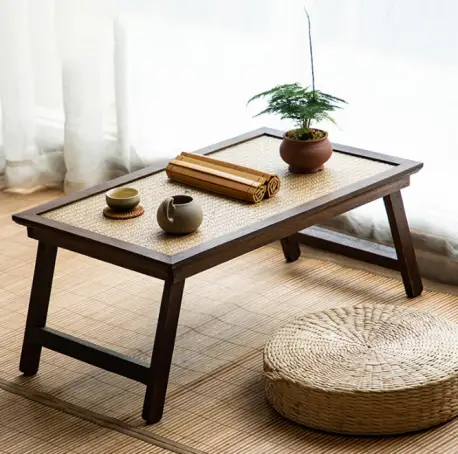
Redefine Small Spaces with a Japanese Tea Table
In small apartments where space is limited, furniture that combines practicality and aesthetics is especially important. A tea table with Japanese aesthetics can effortlessly beautify a corner of your home, making a compact room appear neat and uncluttered. More importantly, it can completely reshape the atmosphere of your home, creating a stable atmosphere in a small space, bringing tranquility, gentleness, and a sense of healing, redefining the lifestyle of small spaces with minimalist design.