A Better Day Often Begins with One Small, Deliberate Pleasure

Most people do not lose joy because they stopped caring about beauty. They lose it because the day gets crowded before they can notice anything at all. The laundry basket stays in view, the phone keeps vibrating, dinner becomes a task instead of a pause, and the evening ends without a single moment that felt chosen on purpose.
That is why lifestyle inspiration works best when it becomes practical. It should help a room feel calmer, a routine feel lighter, or an ordinary Tuesday feel less like administrative survival. Real delight is rarely expensive or dramatic.
More often, it is found in a lamp switched on before dusk, bread warming in the oven, a clean countertop, a favorite mug, or ten unhurried minutes spent doing something with no measurable payoff except pleasure.
Joy rarely arrives as a grand event
There is a reason the smallest pleasures tend to endure. They ask less from us, which means we actually repeat them. A new paint color in the entryway, a branch clipped from the yard and put in a jar, a chair moved toward the window, a playlist saved only for mornings: these are modest changes, but they alter the emotional temperature of a home. They turn pass-through spaces into places with mood.
Big transformations have their place, but daily life is shaped more by texture than by spectacle. That texture comes from repetition. When a person knows how to create one satisfying pocket inside the day, the rest of the schedule starts to feel less punishing. Lifestyle inspiration is useful when it teaches this kind of adjustment rather than simply showing polished results.
Design works better when it serves a feeling
A beautiful home is not only a visual project. It is a functional mood system. The strongest spaces tend to support a few simple feelings: ease, warmth, curiosity, rest, and readiness. When those feelings are missing, people often respond by adding more objects when what they really need is better rhythm.
A helpful reset can start with habits, not shopping:
· Put one comforting object where your eyes land first in the morning.
· Create one evening light source that feels softer than the overheads.
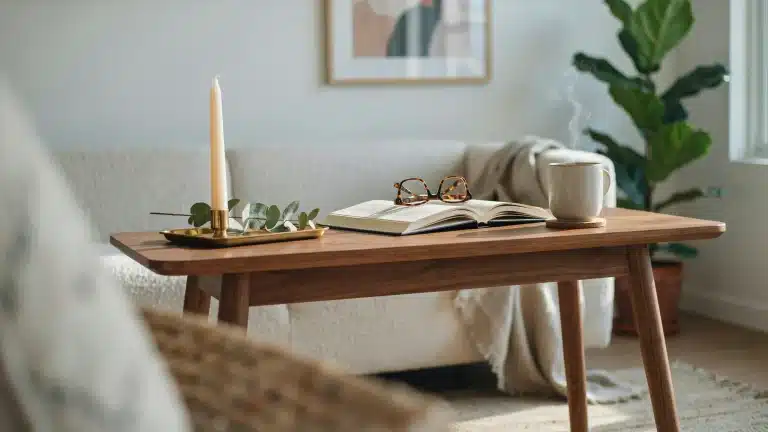
· Keep one surface clear enough to invite a small ritual.
· Let one corner of the home remain slightly playful rather than efficient.
Each of those choices gives the day a different entry point. Instead of waiting for motivation, you make the environment do part of the work. That is usually what people are really looking for when they say they want more inspiration.
Why a little uncertainty can feel refreshing
Trying something light after the checklist is done
Part of delight comes from predictability, but another part comes from leaving a small door open to surprise. That is why people try an unfamiliar recipe, rearrange a shelf without measuring it twice, or say yes to a color they were not fully sure about.
The same mood can carry into digital leisure, where someone might take a look at a fast, visual game after finishing chores because the appeal lies in brief suspense, bright design, and the fun of seeing how a decision plays out.
It is not the same as decorating a room, yet it comes from a related impulse: stepping out of pure utility and into a moment that feels lively. A day with no room for surprise can be tidy, but it rarely feels memorable.
Curiosity needs a place to land
Lifestyle writing often celebrates routines, and rightly so, but routines become flat when they leave no room for playful detours.
A good evening can hold both structure and improvisation: dinner at the usual hour, a candle lit without ceremony, music in the kitchen, then a few minutes spent here exploring a different kind of colorful, low-commitment break.
What matters is not the scale of the activity. What matters is that it interrupts autopilot and returns a sense of choice to the evening. Joy is easier to find when the day contains at least one moment that did not feel prewritten.
A richer life is usually edited, not expanded
People often chase inspiration by adding more plans, more goals, and more inputs. The better move is often subtraction. Remove one daily irritant. Retire one obligation that no longer fits the season you are in. Stop saving the good candle for a future version of life that never seems to arrive. Delight grows faster when there is room for it.
That is also why small rituals work so well. They do not require a personality transplant. They ask only for attention. A cloth napkin on a weeknight table, a book left open where you will actually reach for it, a five-minute reset before guests come over, fresh sheets on an ordinary Wednesday: these are not dramatic acts, but they keep life from turning purely functional.
Leave one corner of the day unwritten
The most inspiring lifestyles are not the most expensive or the most photographed. They are the ones that still have air in them. A person who knows how to make soup, open a window, straighten a room, change the light, and protect one small pleasure from interruption has already built something strong. Not a fantasy life. A livable one. And in the end, that is usually what joy looks like when it stays.