Acrylic Bathtub vs. Shower Pan: Which One Makes Sense for Your Bathroom

When you start planning a bathroom remodel, two of the biggest decisions are what goes in the shower space and what goes in the tub space. A lot of homeowners assume these are separate conversations, but in reality, the material you choose ties them together. Whether you are replacing a combination tub-shower unit or putting in a separate soaking tub and a walk-in shower, the material you pick affects installation cost, daily cleaning, and how long everything lasts.
Most bathrooms in the US end up using either acrylic or a heavier material like stone, tile, or cast iron. But when you look at how people actually use their bathrooms—with kids, hard water, and busy schedules—acrylic tends to come out ahead for both the tub and the shower floor. Understanding the differences between an acrylic bathtub and an acrylic shower pan helps you make choices that hold up over time.
Why Acrylic Works for High-Moisture Spaces
Bathrooms are tough environments. They deal with constant moisture, temperature changes, and heavy use. Acrylic handles these conditions well because it is non-porous and flexible enough to resist cracking from normal house settling.
The Surface Difference You Notice Right Away
One of the first things people notice about acrylic is how smooth it feels. Unlike tile, which has grout lines that collect soap scum and mildew, an acrylic surface has no seams. That means you are not scrubbing grout with a toothbrush on a Sunday afternoon. The same principle applies whether you are looking at a tub or a shower pan. A seamless surface stays cleaner with less effort.
For a shower, this matters even more than for a tub. Shower pans take constant water exposure, and if you have tile with grout, water eventually seeps through unless the installation was perfect. An acrylic shower pan eliminates that risk. There are no grout lines to fail, no sealers to reapply, and no hidden mold problems behind the surface.
Installation Complexity and Timeline
Remodeling a bathroom is disruptive. The faster you can get it done, the sooner you get your house back to normal. Material choice directly affects how long the project takes.
Shower Pans: One Piece vs. Tile
If you go with a tiled shower floor, the process is slow. You need a mortar bed, waterproofing membrane, time for everything to cure, then tile installation, then grout, then sealing. Even with an experienced contractor, a tiled shower pan adds days to the project.
An acrylic shower pan installs in a fraction of that time. It comes as one piece. The plumber sets the drain, the pan gets bedded in mortar or leveling compound, and it is ready for walls the same day. There is no waiting for cure times, no worry about whether the slope is correct for drainage. The slope is built into the mold, so water runs to the drain properly from day one.
Bathtubs: Getting Them in Place
A similar logic applies to tubs. A cast iron or stone resin tub requires multiple people just to move it into the bathroom. If the tub is going into a second-floor bathroom, you might need to coordinate with a rigging company or remove stair railings.
An acrylic bathtub is light enough that two people can carry it up stairs and through doorways without special equipment. The installation itself is straightforward. You set the tub in a mortar bed to give it solid support, connect the drain, and finish the surrounding walls. For a standard alcove installation, the whole process can be done in a day. That matters when you are trying to keep a remodel on schedule and on budget.
Long-Term Durability and Repairs
No matter how well you build a bathroom, things eventually wear out or get damaged. How easy it is to fix those problems makes a big difference in how satisfied you are with your choices years later.
Cracks, Chips, and Everyday Damage
Tile and stone are brittle. If you drop something heavy in the shower, like a full shampoo bottle, it can crack a tile or chip the edge of the shower pan. Repairing a cracked tile means finding a matching tile, removing the old one without damaging the waterproofing underneath, and re-grouting. It is a job that most homeowners end up putting off because it is a hassle.
Acrylic handles impact better. It has some give, so it absorbs small impacts without cracking. If you do get a scratch or a chip, the repair process is simple. Fine-grit sandpaper can buff out surface scratches. For deeper damage, there are repair kits that fill the area and blend with the finish. You can do the repair yourself in an hour without calling a contractor.
Grout and Mold Issues
Grout is the weak point in any tiled shower. Even with high-quality grout and sealer, it eventually develops tiny cracks. Water gets behind those cracks, and mold starts growing where you cannot see it. Eventually you notice a musty smell or see dark spots along the grout lines. Fixing it requires removing the old grout and re-grouting, which is messy and time-consuming.
With an acrylic shower pan, there is no grout. The surface is one solid piece, so water has nowhere to go except down the drain. You never deal with re-grouting a shower floor. The same applies to an acrylic bathtub if it is a one-piece or three-piece unit with sealed seams. Less maintenance over the life of the bathroom is a benefit that becomes more valuable the longer you live in the house.
Safety and Comfort in Wet Areas
Bathrooms are where a lot of household accidents happen. Wet floors are slippery, and stepping into a tub or shower can be a challenge for people of different ages and abilities.
Slip Resistance
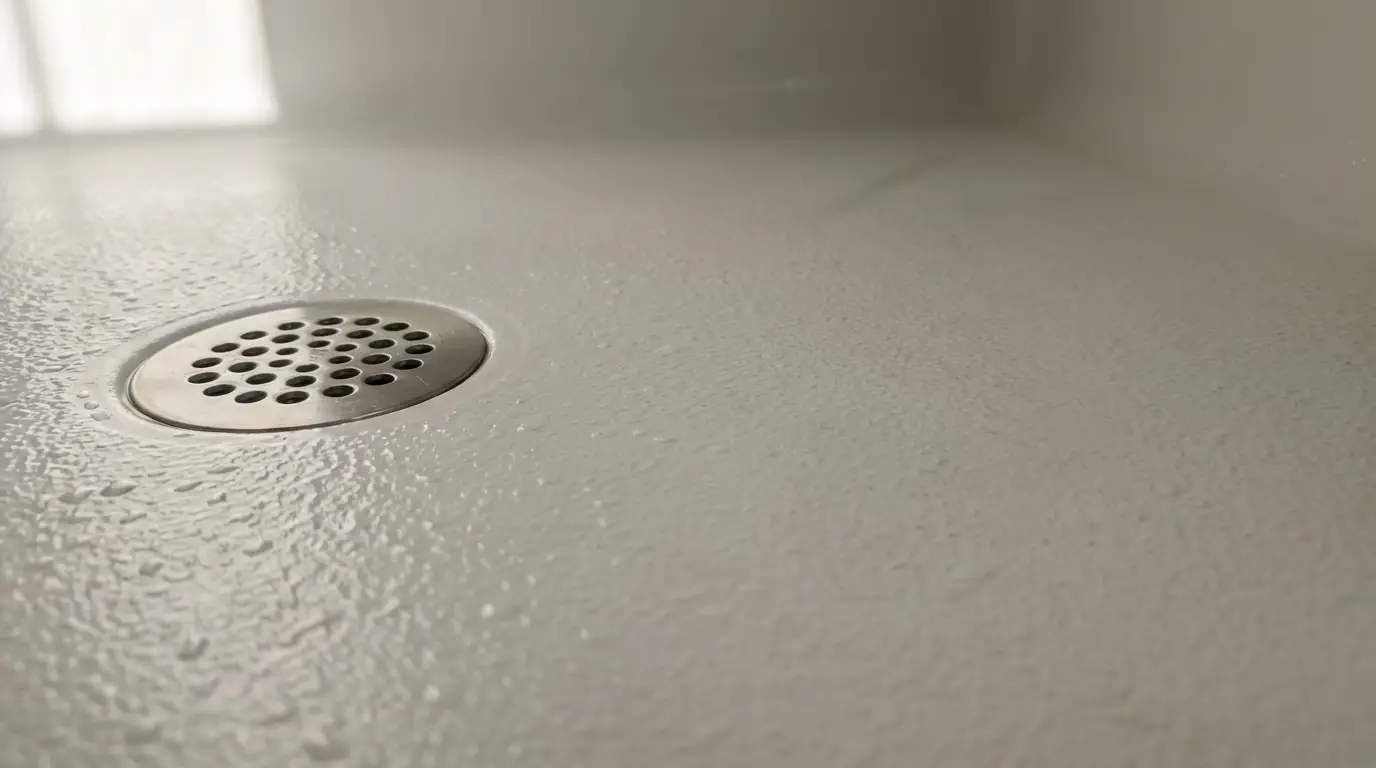
One concern people have about acrylic is whether it is slippery when wet. The reality is that slip resistance depends more on the texture of the surface than the material itself. Most acrylic shower pans come with textured bottoms that provide good grip. You can also find acrylic tubs with textured surfaces on the floor of the tub.
Compared to tile, acrylic tends to be more consistent. Tile can be very slippery when wet, especially if you choose a polished finish. Textured tile exists, but it is harder to clean because dirt gets into the texture. Acrylic gives you a balance of safety and easy cleaning.
Ease of Entry
For households with children or older adults, step-over height matters. A standard tub with a high step can be difficult to get in and out of. An acrylic bathtub can be manufactured with a lower step-in height because the material allows for more design flexibility. You can find models that are specifically designed for easier access without going to a full walk-in tub.
For showers, the threshold height is a similar consideration. Many acrylic shower pans are available with low or even curbless entries. A curbless acrylic pan sits flush with the bathroom floor, making it accessible for wheelchairs or just easier for anyone with limited mobility. With tile, achieving a curbless shower requires careful planning of the floor structure and slope, which adds complexity and cost.
Cleaning Routine and Daily Upkeep
The amount of time you spend cleaning your bathroom is directly affected by the materials you choose. Smooth, seamless surfaces clean faster than surfaces with grout lines, texture, or joints.
Soap Scum and Hard Water
Soap scum builds up on any surface, but it is easier to remove from acrylic than from stone or tile. A simple spray cleaner and a soft sponge wipe it away without heavy scrubbing. Hard water stains are another issue. On a dark stone shower pan, white mineral deposits show up immediately and require special cleaners to remove without dulling the finish. On a white or light-colored acrylic surface, the stains are less visible, and a vinegar-water solution takes care of them.
Daily Maintenance Habits
A quick routine makes a big difference. After a shower, a squeegee on the acrylic shower pan takes about thirty seconds and prevents soap scum from building up. For a tub, the same principle applies. Wiping down the walls and the tub after use keeps everything looking new.
Because acrylic is non-porous, you do not have to worry about sealing it or applying special treatments. Once a week, a thorough cleaning with a non-abrasive bathroom cleaner keeps the surface in good shape. Compare that to a stone shower pan, which might require a pH-neutral cleaner and regular resealing to prevent etching from soap or shampoo.
Cost Considerations for the Whole Bathroom
Budget drives most remodeling decisions. The cost difference between acrylic and other materials is significant, but it goes beyond just the price of the fixture.
Material Costs
An acrylic bathtub typically costs less than a cast iron or stone resin tub. An acrylic shower pan costs less than a tiled shower floor when you factor in all the materials and labor. But the real savings come from installation.
A tiled shower requires a contractor who specializes in tile and waterproofing. Labor rates for skilled tile installers are higher than for general plumbers or carpenters who can install an acrylic pan. The same applies to tubs. Installing a heavy tub requires more labor hours and sometimes additional helpers, which adds to the bill.
Long-Term Maintenance Costs
Over ten or fifteen years, the maintenance costs add up. With a tiled shower, you might need to re-grout or re-caulk multiple times. If the waterproofing fails, the repair can involve tearing out the entire shower. With acrylic, there is no grout to maintain and no waterproofing membrane to fail. The surface itself is the waterproof layer.
When you add up the initial installation savings and the lower maintenance costs over time, acrylic ends up being the more economical choice for most homeowners.
Matching Materials for a Cohesive Look
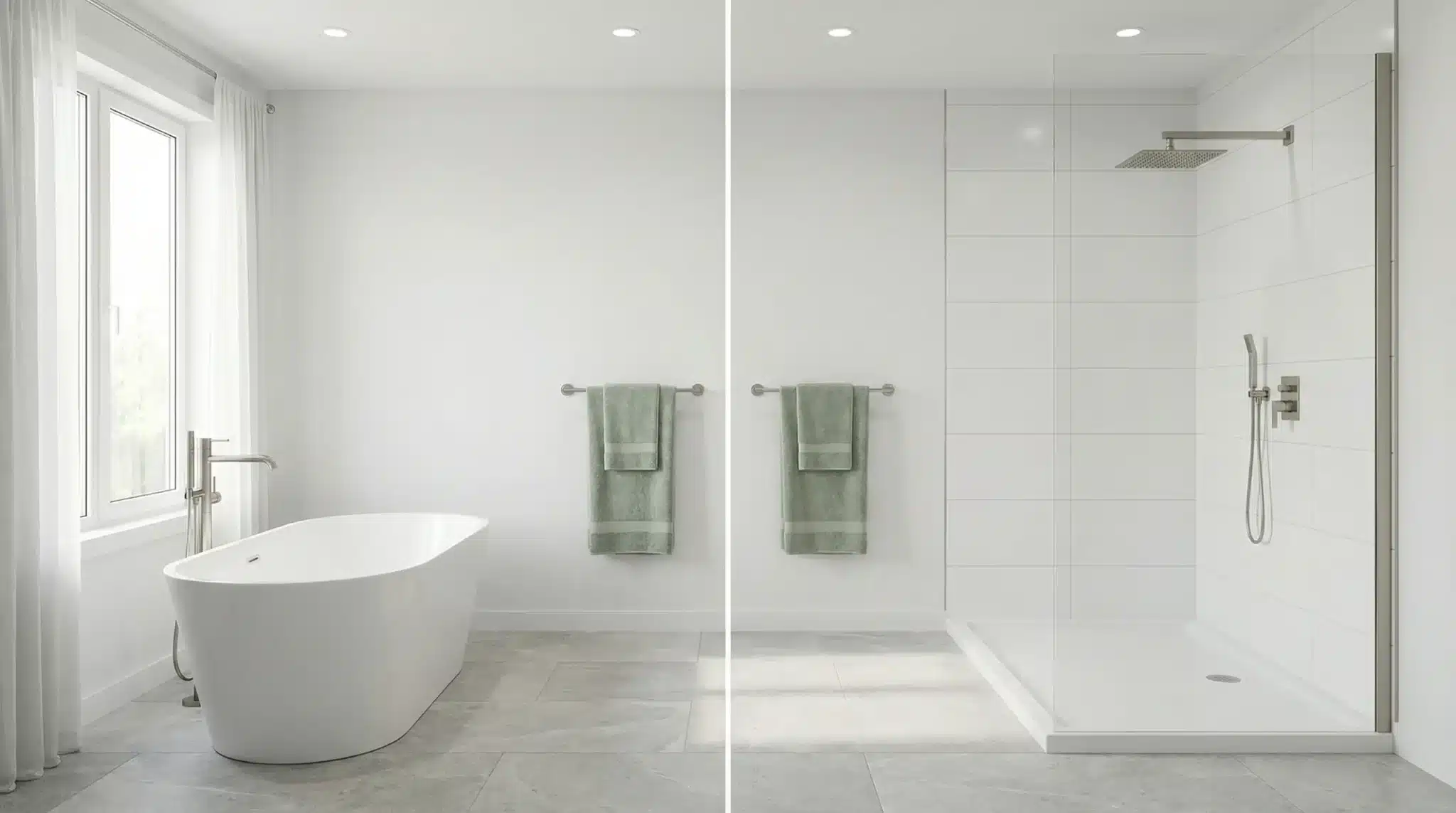
If you are remodeling a master bathroom that has both a tub and a separate shower, matching the materials creates a clean, unified look. Using acrylic for both the tub and the shower pan keeps the visual style consistent.
Color Matching
Acrylic manufacturers produce tubs and shower pans in the same colors, so you can get a perfect match. White is the most common, but you can also find off-white, biscuit, and gray options. With tile, matching the shower pan to a tub is harder because tile comes in lots of shades and variations.
Simplicity of Design
A bathroom with fewer materials tends to look more intentional. If you have tile walls, an acrylic tub and an acrylic shower pan provide a smooth visual break that contrasts nicely with the tile without competing with it. You get the durability and easy maintenance of acrylic in the high-wear areas while still having the design flexibility of tile on the walls.
Choosing between materials for a bathroom remodel comes down to how you balance appearance, durability, and maintenance. Acrylic gives you a practical combination of all three. Whether you are installing a new tub or redoing a shower, the lightweight nature, easy cleaning, and simple repair process make it a reliable choice for real homes where bathrooms get used every day.