
The Hidden Threat: Protecting Your Home From Termite Invasions

Termite invasions can cause serious damage before they are even noticed. Many homeowners only see the signs when repairs are already costly. These pests work quietly and often stay hidden inside walls and wood.
A small issue can quickly turn into a major structural concern. Early action can help prevent long-term damage and stress. Knowing what to look for makes a big difference in protecting any home.
The sections below explain how to deal with termite invasions and keep the property safe.
Early Signs of Termite Activity
Termites often leave small clues that are easy to miss at first. Mud tubes on walls or foundations are common signs. Hollow-sounding wood can also point to hidden damage. Discarded wings near windows or doors may appear during swarming season.
Paint that looks bubbled or cracked can also be a warning. Floors may start to sag in more advanced cases. A faint clicking sound inside walls can sometimes be heard. Spotting these signs early helps limit the spread of termite invasions.
Why Termites Are Hard to Detect
Termites live inside wood and soil, which makes them difficult to see. They avoid light and stay hidden most of the time. Damage happens slowly and quietly over months or years. Many infestations are found during routine inspections. Walls and floors can look normal while damage grows inside.
People often confuse termite damage with water issues. This delay in detection allows colonies to grow larger. Regular checks help uncover termite invasions before they get worse.
Common Areas Where Termites Thrive
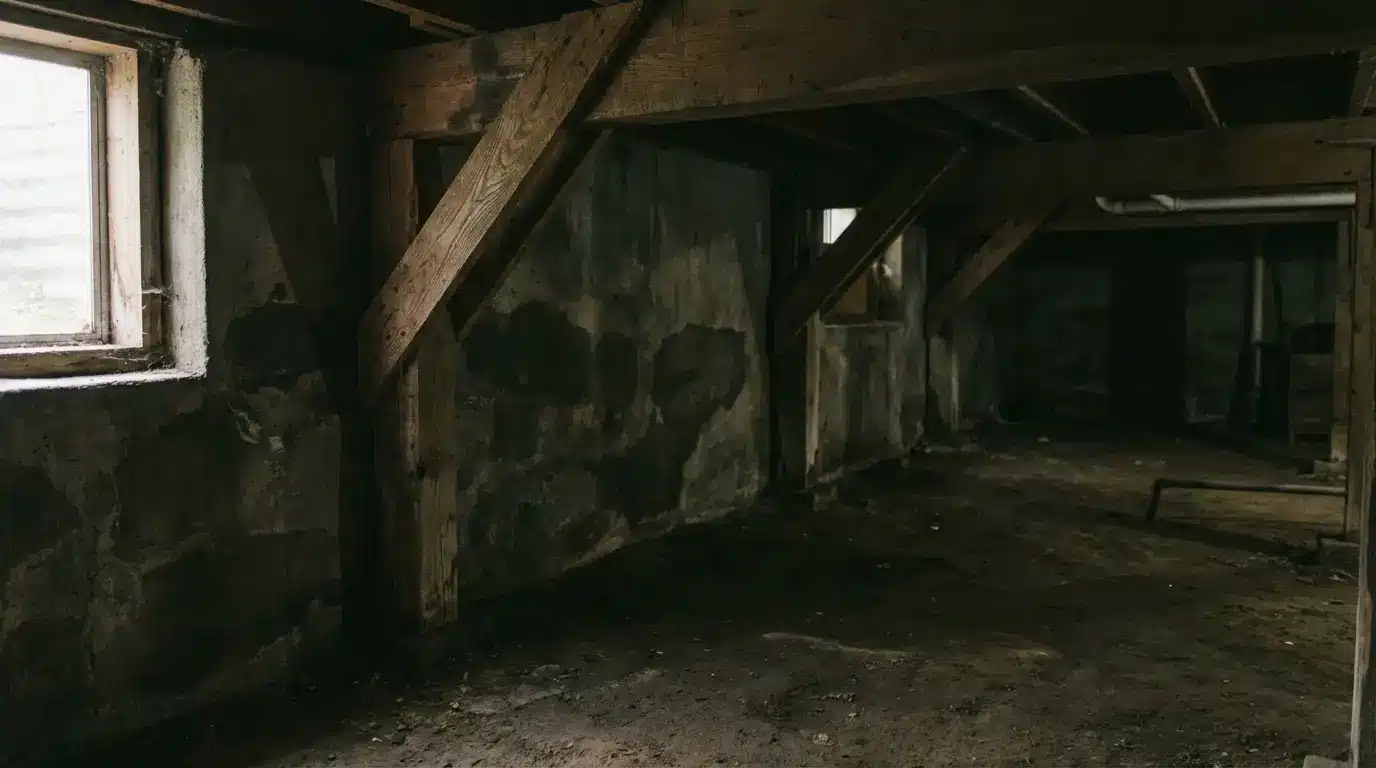
Termites prefer areas with moisture and easy access to wood. Basements and crawl spaces are common entry points. Wooden beams and flooring provide ideal feeding areas. Leaky pipes and poor drainage can attract them.
Outdoor wood structures can also bring them closer to the home. Soil that touches wooden parts of a house increases risk. Even small cracks in the foundation can serve as entry points. Knowing these areas helps reduce the chances of termite invasions.
The Cost of Ignoring Termite Damage
Ignoring termite activity can lead to serious repair costs. Structural damage can weaken floors, walls, and support beams. Repairs often require replacing large sections of wood. This can disrupt daily life and take time to fix.
Property value may drop if damage is not addressed. Insurance usually does not cover termite-related repairs. What starts as a small issue can become a major expense. Acting early can prevent costly results from termite invasions.
When to Call a Professional
Some cases require expert help to fully resolve the issue. Professionals can inspect areas that are hard to reach. They use tools and treatments that go deeper than basic methods. Severe infestations need targeted solutions to remove colonies.
Advice may vary depending on the location and type of termites. For example, whether these are termite problems in Tampa Bay homes or similar issues elsewhere, local conditions matter. Professionals can also suggest long-term prevention plans. Timely action ensures termite invasions are handled properly and safely.
Protect Your Home from Termite Invasions
Termite invasions can stay hidden but cause serious damage over time. Early signs are often small but should never be ignored. Regular inspections and simple preventive steps can protect any home.
Knowing where termites thrive helps reduce risk. Quick action limits repair costs and stress. Professional help may be needed for larger infestations. Staying aware and prepared is the best way to keep a home safe.
Should you wish to discover other topics, visit our blog page. We’ve got more!