What High-Performing Contractors Do Differently

In the construction industry, not all contractors operate on the same level. While many companies are capable of completing projects, high-performing contractors consistently deliver better results – they complete projects on time, manage budgets effectively, communicate clearly, and maintain strong client relationships. What sets them apart isn’t just technical skill, but the planning, systems, and mindset they bring to every project.
High-performing contractors approach construction management as a systematic process rather than an arbitrary series of tasks. Here are some of the things they do differently.
They Prioritize Early Planning
High-performing contractors understand the value of detailed planning during the pre-construction phase. Before any construction work begins, they carefully review architectural designs, assess site conditions, coordinate with engineers, and identify potential challenges. By taking time to fully understand the scope of work and verify constructability, these contractors can anticipate obstacles and proactively develop solutions. Early planning helps prevent delays, reduces unexpected costs, and ensures construction runs more smoothly once work begins.
They Utilize Strong Systems and Processes
Top contractors rely on structured systems to manage complex projects. Construction involves coordinating multiple subcontractors, material procurement and deliveries, inspections, and scheduling requirements. Without organized processes, even simple projects can become chaotic.
High-performing contractors implement clear systems for scheduling, budgeting, documentation, and communication that allow teams to track progress, efficiently manage resources, and maintain accountability throughout the project. By operating with defined processes, these contractors reduce the risk of costly mistakes and keep projects progressing.
They Focus on Communication and Transparency
Clear communication is one of the defining characteristics of a high-performing contractor. Successful projects require coordination between numerous stakeholders, so top contractors prioritize regular updates, open dialogue, and clear, detailed documentation. They ensure clients understand the project timeline, current progress, and any changes that may arise. This transparency builds trust and allows problems to be addressed quickly.
They Employ Reliable Teams and Subcontractors
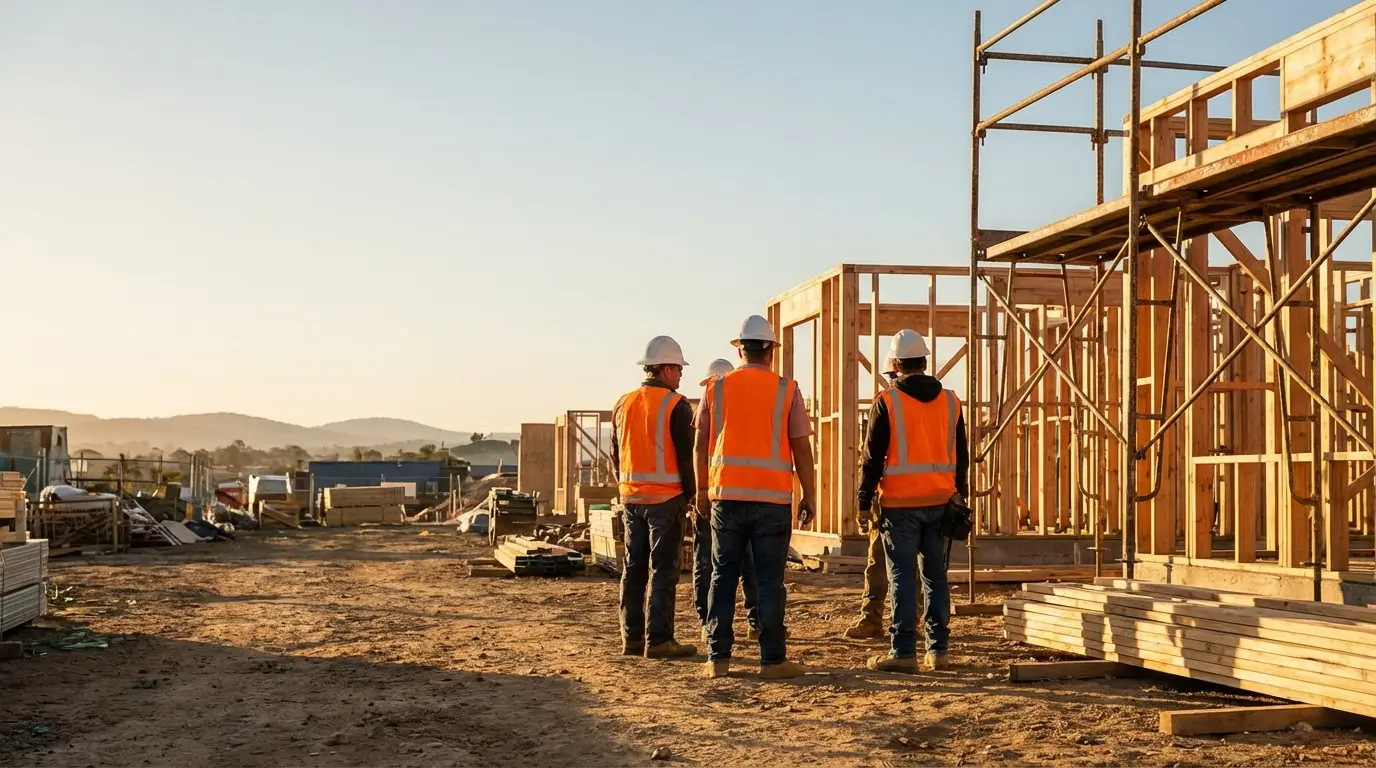
Even the most skilled contractor cannot complete a project alone. High-performing contractors recognize the value of experienced crews and reliable subcontractors. They develop long-term relationships with leading industry partners who consistently deliver quality work, and these partnerships provide stronger coordination and greater accountability on the jobsite. Reliable teams significantly contribute to project efficiency and overall quality.
They Emphasize Quality Without Compromising Efficiency
High-performing contractors understand that quality and efficiency go hand in hand. Cutting corners can lead to costly repairs, undermine integrity, and damage reputation, while excessive perfectionism can slow progress and increase costs.
Successful contractors strike a balance by maintaining high standards while also keeping projects aligned with schedule and budget goals. Their expertise allows them to make smart decisions about materials, methods, and project milestones.
They Treat Every Project as a Long-Term Partnership
Perhaps one of the most important differences between mediocre contractors and high-performing ones is how they approach client relationships. Top contractors recognize that their reputation depends on trust, reliability, and consistent performance. Rather than focusing on a single project, they work to build lasting partnerships with property owners, developers, and investors. This relationship-driven approach encourages a higher level of accountability, professionalism, and a commitment to delivering exceptional results.
The Difference Between Average and Outstanding
In construction, the difference between an average contractor and a high-performing one often comes down to preparation, organization, and communication. While many contractors can get the job done, top contractors consistently deliver smoother experiences and better outcomes. By prioritizing planning, reliability, and communication, high-performing contractors set themselves apart and produce projects that meet expectations from start to finish.