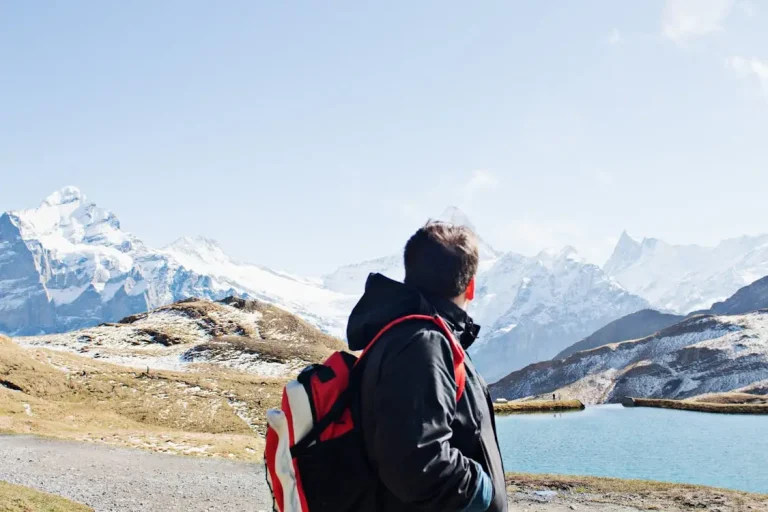
Joyful Budgeting Tips to Boost Your Global Adventures

Planning a global adventure can be both thrilling and daunting. While the prospect of exploring new destinations excites many, the financial aspect of traveling often weighs heavily on the mind.
Fortunately, with a bit of thoughtful planning and clever budgeting, you can embark on your dream journey without breaking the bank. In this article, we’ll explore some joyful budgeting tips that will help you stretch your travel funds and make the most of your global adventures.
1. Set Clear Travel Goals
Before you dive into budgeting, it’s crucial to define your travel goals. Are you looking to explore a specific continent, engage in volunteer work abroad, or perhaps take a cultural immersion trip? Setting clear goals will not only help you determine how much you need to save but also give you a framework for prioritizing your spending.
For example, if you’re planning to spend several months in Europe, it might be more cost-effective to opt for a long-term accommodation plan rather than booking pricey hotels for every stop. Having your goals set in place can help shape the budgeting process, making it easier to track expenses.
2. Research Your Destinations Thoroughly
One of the best ways to keep your travel budget under control is by doing thorough research about your destinations. Costs can vary widely depending on the country or region you’re visiting. By understanding local prices, such as average meal costs, public transport fares, and accommodation options, you’ll be able to make informed decisions about where to stay and how to spend your money wisely.
Take advantage of travel blogs, cost-of-living calculators, and online forums to gather insights from fellow travelers. The more you know, the better prepared you’ll be to avoid unnecessary expenses.
3. Plan Your Accommodation Wisely
Accommodation is often one of the largest expenses for any trip. While it’s tempting to splurge on luxurious hotels, there are plenty of budget-friendly options that can still offer a comfortable stay. Consider booking hostels, guesthouses, or even vacation rentals through platforms like Airbnb. These alternatives often provide more affordable and authentic experiences.
For long-term stays, renting a place for a month or more can be more cost-effective than booking nightly accommodations. Additionally, staying with locals through homestay programs or Couchsurfing can reduce costs dramatically while giving you a unique cultural experience.
4. Optimize Your Transportation Costs
Getting from point A to point B during international travel can eat up a significant portion of your budget. To avoid overspending, research local transportation options in advance. Public transportation is usually the most cost-effective way to get around cities and towns. Look into multi-day or weekly passes that can save you money on daily fares.
When traveling between cities or countries, consider budget airlines or train travel for long distances. For shorter trips, buses and shared rides are usually affordable alternatives. If you’re visiting multiple countries in the same region, look into rail passes or regional travel cards that offer discounted travel.
5. Master the Art of Eating On-the-Go
One of the most enjoyable aspects of travel is sampling local cuisine, but dining out for every meal can quickly add up. To keep your food budget in check, consider a mix of eating at home, visiting local markets, and enjoying affordable street food.
Shopping at local grocery stores or markets for fresh produce and snacks can significantly lower your daily expenses. If you’re staying in a place with kitchen facilities, take advantage of this to prepare some of your meals. Also, opt for small, local eateries rather than tourist spots, as these often offer the best value for money.
6. Track Your Expenses in Real Time
It’s easy to get caught up in the excitement of travel and forget about your budget. To avoid any financial surprises, keep track of your expenses daily. Many apps, like Mint or YNAB (You Need A Budget), are designed to help travelers manage their spending while keeping their goals in focus.
By entering your expenses in real time, you’ll quickly see where your money is going and can make adjustments on the fly. For example, if you’ve been spending more than expected on eating out, you can shift gears and opt for more affordable options, such as self-catering.
7. Take Advantage of Local Deals and Discounts
Many cities offer tourists discounts on attractions, tours, and activities. Look out for city passes, which can bundle various experiences into one discounted package. Additionally, some museums and attractions have free admission days or reduced entry fees at specific times of the year.
Another useful tip is to check for discounts or promotions at local coffee shops, restaurants, and stores. Many places offer special deals to tourists, and even just asking about student or senior discounts can lead to unexpected savings.
8. Make Smart International Transfers
When managing money abroad, it’s crucial to understand how international transfers work. There are several options to send and receive money while traveling, but not all of them are created equal. You’ll need to consider exchange rates, fees, and transfer speed.
The most traditional method of transferring money internationally is through bank transfers. However, this option can often come with high fees and unfavorable exchange rates. On the other hand, online services such as PayPal, TransferWise (now Wise), and Revolut offer lower fees, more competitive exchange rates, and faster transfers. When deciding between bank transfers vs. online services, weigh the costs and benefits of each option based on your needs. Online services tend to be faster and more transparent, but in some cases, a traditional bank transfer may be more reliable.
Regardless of the method you choose, always ensure that you’re aware of all the associated fees and confirm that the service you’re using offers protection against fraud or issues with transfers.
9. Save Money by Traveling During Off-Peak Seasons
Traveling during peak seasons can lead to inflated costs across the board, from flights to accommodations and attractions. By planning your travels during off-peak periods, you can save a significant amount of money while still enjoying your destination.
Traveling during shoulder seasons—just before or after the peak season—can also give you the benefits of lower costs while still having decent weather and availability. Fewer crowds also mean that you can enjoy a more relaxed and authentic experience.
10. Use Credit Cards and Rewards Wisely
If used strategically, credit cards can be a powerful tool to save money while traveling. Many credit cards offer travel rewards, cashback, or points that can be redeemed for flights, accommodation, or other travel expenses. Look for credit cards that don’t charge foreign transaction fees, as these can add up quickly.
Additionally, consider signing up for loyalty programs with airlines or hotel chains. These programs often provide exclusive offers, early booking discounts, or even free upgrades, making it easier to stretch your budget even further.
Conclusion
Budgeting for international adventures doesn’t have to feel like a chore. With the right approach and a little creativity, you can make your dream trips a reality without sacrificing the experiences you want.
By setting clear goals, researching destinations, and making thoughtful decisions about transportation, accommodation, and spending, you can enjoy your travels without stressing over finances. Remember, it’s all about balance and making smart choices along the way. With these joyful budgeting tips, you’re well on your way to boosting your global adventures in a way that’s both fun and financially savvy.