Simple Ways to Improve Your Pet’s Daily Life at Home

If you share your home with a dog, a cat, or both, you already know how much they depend on you. Not just for food and water, but for comfort, safety, and a sense of routine. The good news is that you do not need to spend a fortune or overhaul everything to genuinely improve their daily lives. Small, thoughtful changes go a long way. Here is where to start.
Give Your Dog a Proper Place to Rest and Recover
Why Rest Matters More Than Most Owners Realise
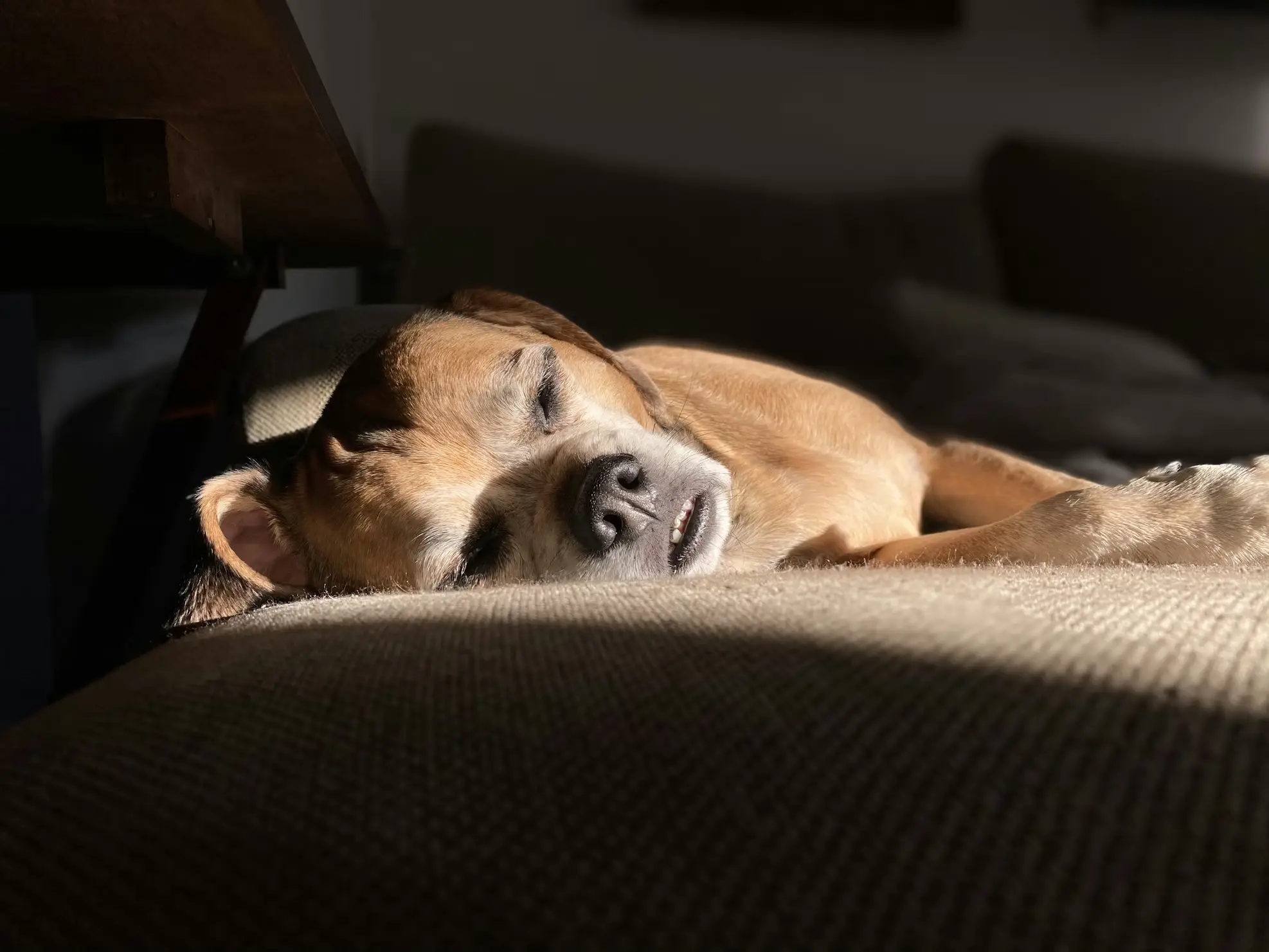
Dogs sleep anywhere between 12 and 14 hours a day, and older dogs or working breeds sleep even more. If your dog is resting on a hard floor, a worn-out blanket, or wherever they can find a spare corner, they are probably not getting the quality of sleep they actually need. Over time, poor rest in dogs can show up as joint stiffness, low energy, and irritability.
Choosing the Right Sleeping Setup
The right setup depends on your dog’s size, age, and sleeping style. Older dogs benefit from orthopaedic support, while younger dogs often just need something soft and easy to wash. Look for options made with durable, pet-safe materials that keep their shape over time. If you want something built to last in Australian conditions, investing in a quality dog bed is well worth it. Place it somewhere quiet, away from the main foot traffic of the house, and let your dog settle into it as their own dedicated space.
Keep Your Pets Mentally Stimulated Every Day
What Boredom Actually Looks Like in Dogs
A bored dog is rarely a quiet one. They chew furniture, bark at nothing in particular, or pace restlessly around the house. Mental stimulation matters just as much as physical exercise. Puzzle feeders, scent trails through the yard, and short daily training sessions are all low-effort ways to keep a dog’s mind engaged. Even ten minutes of focused activity a day can shift their behaviour noticeably. The goal is to give them something to think about, not just burn off energy.
How to Keep Indoor Cats Engaged
Cats are independent, but that does not mean they thrive without stimulation. A window perch where they can watch the world outside, a few climbing shelves, or a simple wand toy can genuinely transform how a cat feels about their indoor environment. Try rotating their toys every few days too. Cats lose interest fast when things stay the same, so variety keeps them curious. Regular play also helps manage their weight and reduces stress-related habits like over-grooming or hiding.
Set Up a Proper Eating Routine for Your Cat
Why Consistent Meal Times Make a Difference
Cats are creatures of habit, more so than most people realise. When feeding times are unpredictable, it creates a low-level anxiety that can build up over time. Sticking to regular meal times gives your cat a sense of security and also makes it much easier to spot changes in appetite, which is often one of the earliest signs that something is off with their health. It is a simple habit that pays off in the long run.
The Bowl You Choose Matters More Than You Think
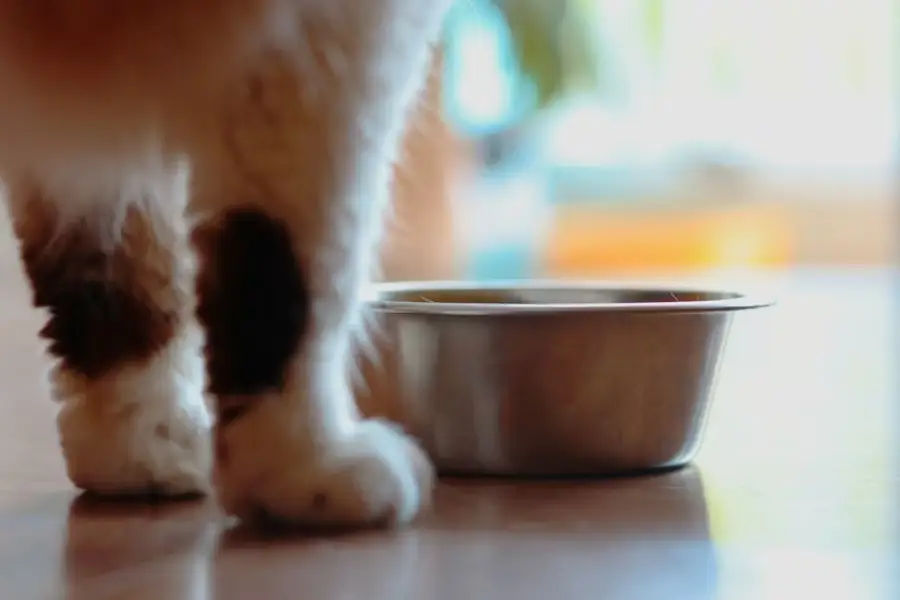
Most cat owners do not give their cat’s bowl much thought, but the shape and material genuinely affect how comfortable eating is for your cat. Cats can experience something called whisker fatigue when their sensitive whiskers constantly brush against the sides of a deep, narrow bowl. Wide and shallow bowls reduce that discomfort significantly. Stainless steel and ceramic are generally better choices than plastic, which can harbour bacteria and sometimes cause chin irritation. If you are thinking about upgrading your cat’s feeding setup, take some time to shop for cat feeding bowls online and look for options that suit your cat’s size and eating habits.
Make Sure Your Dog Is Safe When Travelling
The Real Risk of Unrestrained Travel
A lot of dog owners let their dogs ride loose in the back of a ute or car without thinking too much about it. But an unsecured dog during a sudden stop or an accident is at serious risk of injury, and so are the people in the vehicle. Beyond safety, an anxious or unrestrained dog will often pace, jump around, or try to hang over the sides, which creates a genuine distraction for the driver. It is one of those situations where the risk is easy to avoid with the right setup.
What Makes a Good Travel Enclosure
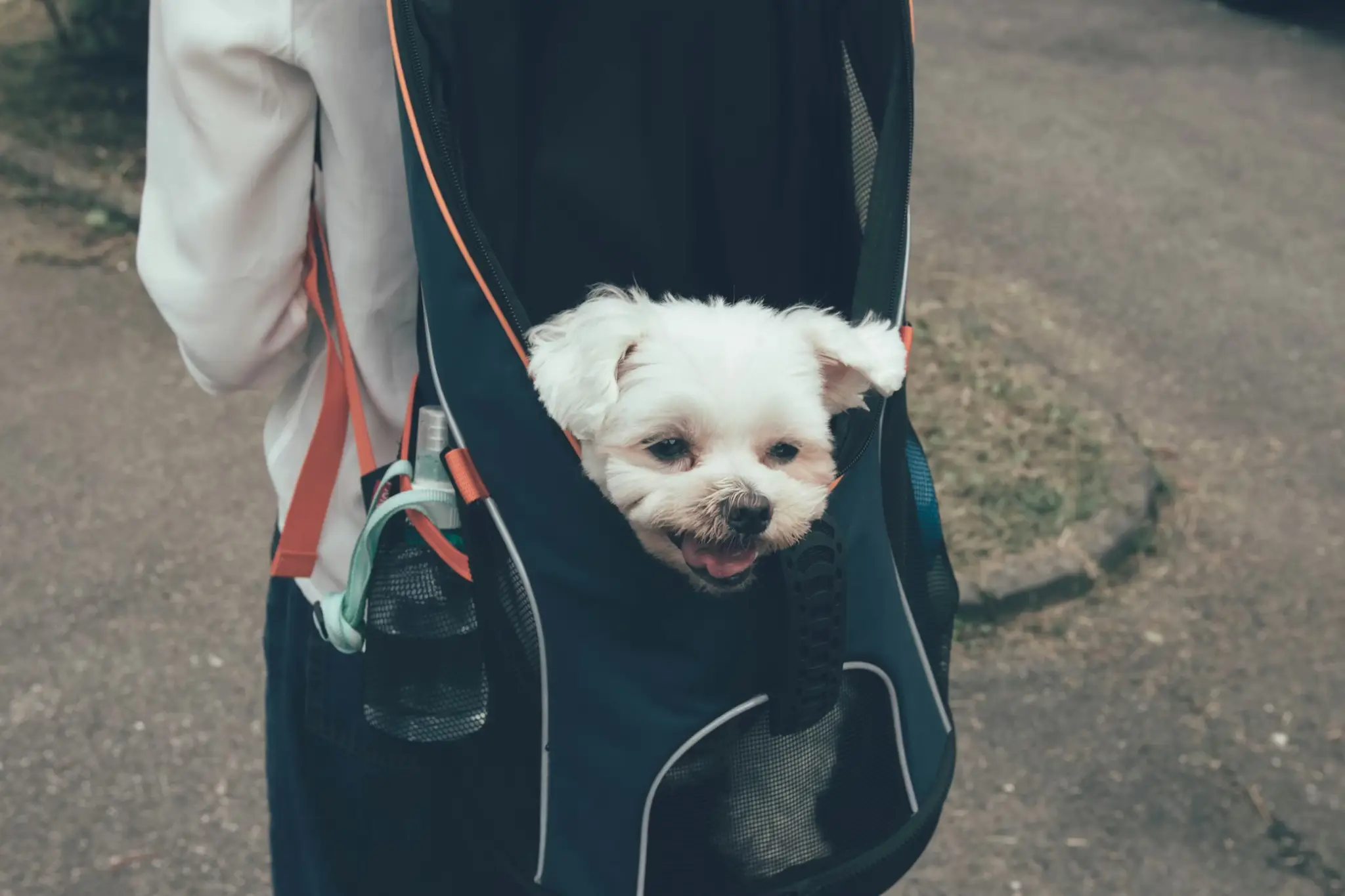
If you regularly take your dog on outdoor trips, farm runs, or longer drives, a well-built, ventilated travel enclosure is one of the most practical things you can invest in. Look for aluminium construction that is lightweight but tough, with secure latching and proper airflow suited to warm Australian conditions. Quality dog boxes are designed specifically for this kind of use and give your dog a secure, comfortable space during the journey. Adding a familiar blanket or toy inside helps them feel settled from the start rather than anxious.
Build Daily Habits That Support Long-Term Wellbeing
Simple Things Worth Checking Every Day
You do not need to be a vet to keep a close eye on your pet. A quick daily check goes a long way. Look at their appetite, coat or skin condition, energy levels, and for cats, their litter box habits. Changes in any of these can be early signals worth paying attention to. Making it part of your routine means you are far more likely to catch something early.
Knowing When Home Care Is Not Enough
Daily routines at home are valuable, but they are not a replacement for professional veterinary care. Creating a calm, well-organised home environment also benefits your own wellbeing alongside your pet’s. If you want some ideas on how to do that, this guide on how to make any room feel cosy and inviting is worth a read. Regular check-ups matter, and acting quickly on unusual physical changes or shifts in behaviour is always better than waiting it out. Think of your daily observations as the foundation, with your vet as the next layer when something seems off.
Conclusion
Improving your pet’s daily life does not have to be complicated or expensive. It really comes down to getting the basics right: a comfortable place to rest, a stimulating environment, a consistent feeding routine, and safe travel when you are heading out. Layer in some daily health checks and you are already doing far more than most. Start with one change, watch how your pet responds, and build from there.
FAQs
How many hours of sleep does a healthy adult dog need each day?
Most adult dogs need between 12 and 14 hours of sleep per day. Puppies and senior dogs often need even more than that. If your dog seems restless, fatigued, or is sleeping in uncomfortable spots, it is worth looking at the quality and location of their sleeping setup.
What is whisker fatigue, and does it actually affect cats?
Whisker fatigue happens when a cat’s highly sensitive whiskers are repeatedly overstimulated by contact with a deep or narrow bowl. It can make eating uncomfortable enough that your cat starts pawing food out of the bowl or avoiding mealtimes altogether. Switching to a wide, shallow bowl usually resolves the issue quickly.
Is it safe for a dog to ride loose in the back of a ute?
It is not recommended, and in many parts of Australia, it is also a legal concern. An unsecured dog is at serious risk of injury during sudden braking or an accident. A properly fitted, ventilated travel enclosure is the safest and most practical solution for ute travel.
How can I tell if my indoor cat is bored or stressed?
Common signs include over-grooming, hiding more than usual, changes in appetite, or a loss of interest in play. Adding enrichment to their environment, such as climbing shelves, window perches, or rotating interactive toys, can address mild boredom and stress fairly quickly without major changes to your setup.