5 Ways Professional In-Home Support Improves Quality of Life for Seniors

The vast majority of seniors will encounter one or more disabilities within their remaining years (Wolff, 2002), and one of the primary causes of disability in the elderly population is falling (Tinetti et al., 1988). Preventing falls, or getting necessary help after one, can be the difference between staying at home and moving to an institutional setting.
And yet, many seniors who could benefit from in-home support, even at the most modest and non-medical level, reject it well into their long-term or post-acute care episode. One in five, for example, no longer needing support when discharged from a Medicare skilled-nursing facility, decline it. In other words, in-home support is currently under-deployed, and often not provided until it’s too late to make a meaningful difference.
1. Medication Management Stops the Hospital Revolving Door
Among elderly patients, the main factor leading to multiple hospital visits are mistakes related to medication, such as incorrect dosages, missed dosages, or conflicting prescriptions due to a lack of complete information. Professional caregivers ensure that medications are taken as prescribed, and this oversight becomes crucial when a patient returns home from the hospital.
Seniors face the highest risks during the post-discharge period. They must take new medications while continuing the old ones, comply with unfamiliar instructions, and often cope with fatigue. An experienced caregiver will notice mistakes that a family member, with the best intentions but who has their own obligations, cannot.
2. Daily Support Addresses the Physical Risks That Lead to Bigger Losses
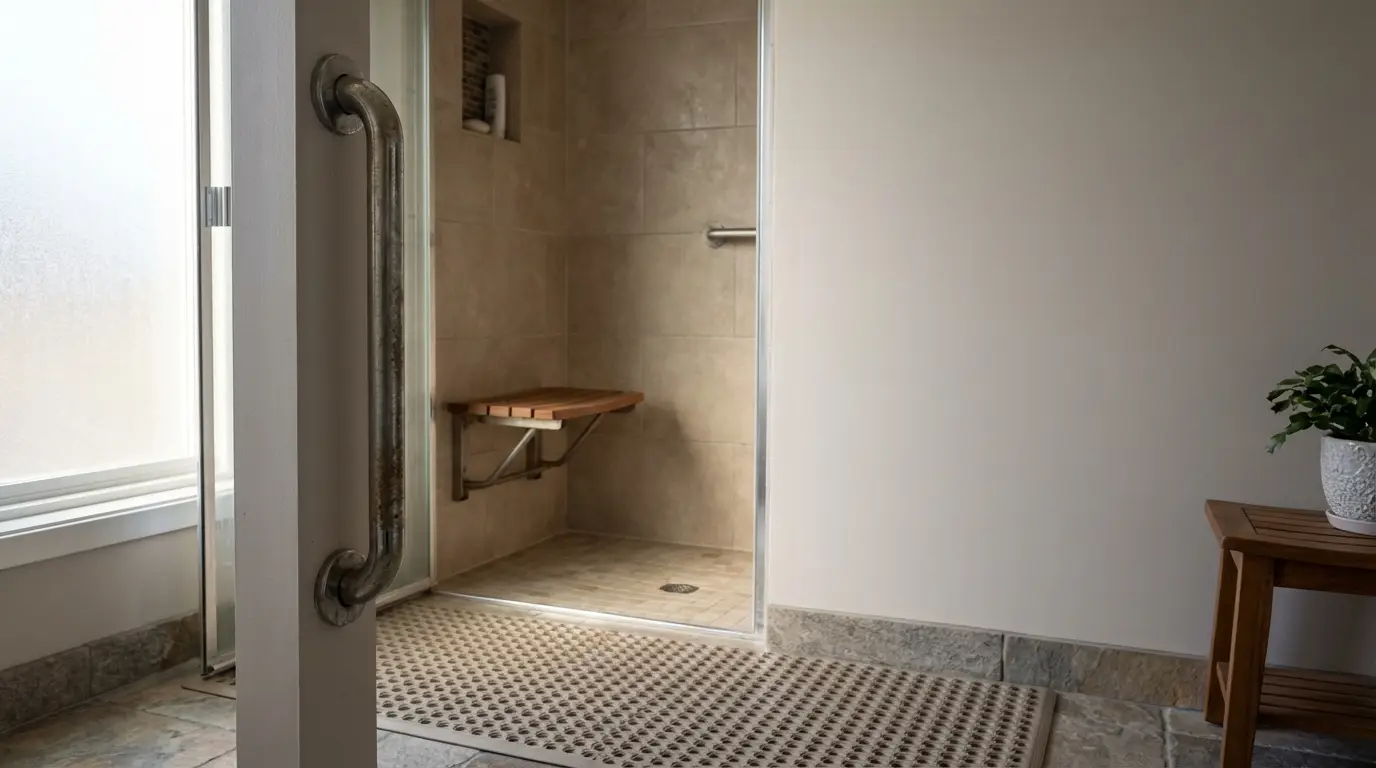
Falls are the primary cause of severe injury among elderly people, and they frequently lead to a permanent relocation to residential or nursing care. The majority of falls are not the result of a lack of care on the part of an elderly person. Rather, the home surrounding has not adapted to their shifting physical capacities.
Professional caregivers offer regular mobility help and can identify dangers, loose carpets, inadequate lighting, bathroom layouts that neglect the requirements of the elderly, prior to injuries occurring. This kind of knowledge about the environment, combined with day-to-day physical help, significantly reduces the risk of injury.
Nutritional help is equivalent in many ways. Missed meals and inadequate hydration are typical among elderly people who live on their own and contribute to both physical and cognitive deterioration. Having someone help with meal planning eliminates a health danger that is seldom given sufficient consideration.
3. Home Care Preserves Something Clinical Settings Can’t Replace
Health outcomes are closely tied to feelings of autonomy. Older adults who believe that they are no longer in command of their lives, down to the details of daily routine, their environment, or the overall structure of each day, tend to fare worse in both physical and mental health.
Good, attentive care hinges on the preferences of the individual, rather than a one-size-fits-all program. When is this person used to having lunch? What are their favorite pastimes? What adds value to their day, and what makes a day a good one? The sooner these details are sorted out, and incorporated into a plan, the more likely it is that your loved one will actually engage with care.
And that engagement is the key to seeing steady improvement. It’s also the key to not getting completely overwhelmed when a loved one is discharged from hospital and you’re asked to ensure they’re recovered and their living space is safe. So, that’s where highly recommended in-home health assistance in PA can really help with making that transition.
4. Professional Caregivers Function as an Early Warning System
Relatives who drop by on a Sunday can provide a ton of practical help and, especially, companionship for a few hours. They can’t be eyes, and ears, and an advocate when multiple health difficulties demand ongoing attention.
Professional caregivers, visiting regularly and often daily, build up an intimate knowledge of what ‘normal’ looks like for the person in their care. They notice the subtle shifts – a slight change in appetite, a hesitation on the stairs, a mood that seems a little flat – long before those changes become a crisis. That kind of continuity is hard to replicate with even the most devoted family visits, and it can make all the difference between catching something early and dealing with something serious.
5. It Changes What Family Relationships Can Be
Feeling burned out is a real problem and it’s very harmful, both for the person feeling that way, and for the elderly person in their care. When your adult child becomes your primary caregiver, your relationship changes in ways that are tough on both of you. You feel guilty and they feel stressed. Plus, you’re not even really family to each other anymore.
Professional home care changes that dynamic. When a nurse can take on all the physical and health-related parts of your care, your son or daughter gets to be just that to you again. They get to just hang out and enjoy your company, without all the stress and responsibility.
People don’t really understand how important that is. For older adults, social connection and emotional well-being are just as important as anything else when it comes to staying well. If you feel like a burden to your kids, you’re not living your best life, no matter how good your nurse is.
Home care works because it treats the whole person, not just the broken body.