Top 15 Home Cleaning Trends Homeowners Are Following

Key Takeaways
- Cleaning Trends focus on health, sustainability, and efficiency
- Quarterly deep cleaning is replacing once-a-year routines
- Smart technology is reshaping daily maintenance habits
- Decluttering and mental wellness are directly tied to cleaning systems
- Personalized checklists are replacing generic cleaning plans
Cleaning Trends in 2026 reflect a major shift in how homeowners define and maintain a clean home. Cleanliness is no longer limited to appearance. It now centers on health protection, environmental responsibility, and time management.
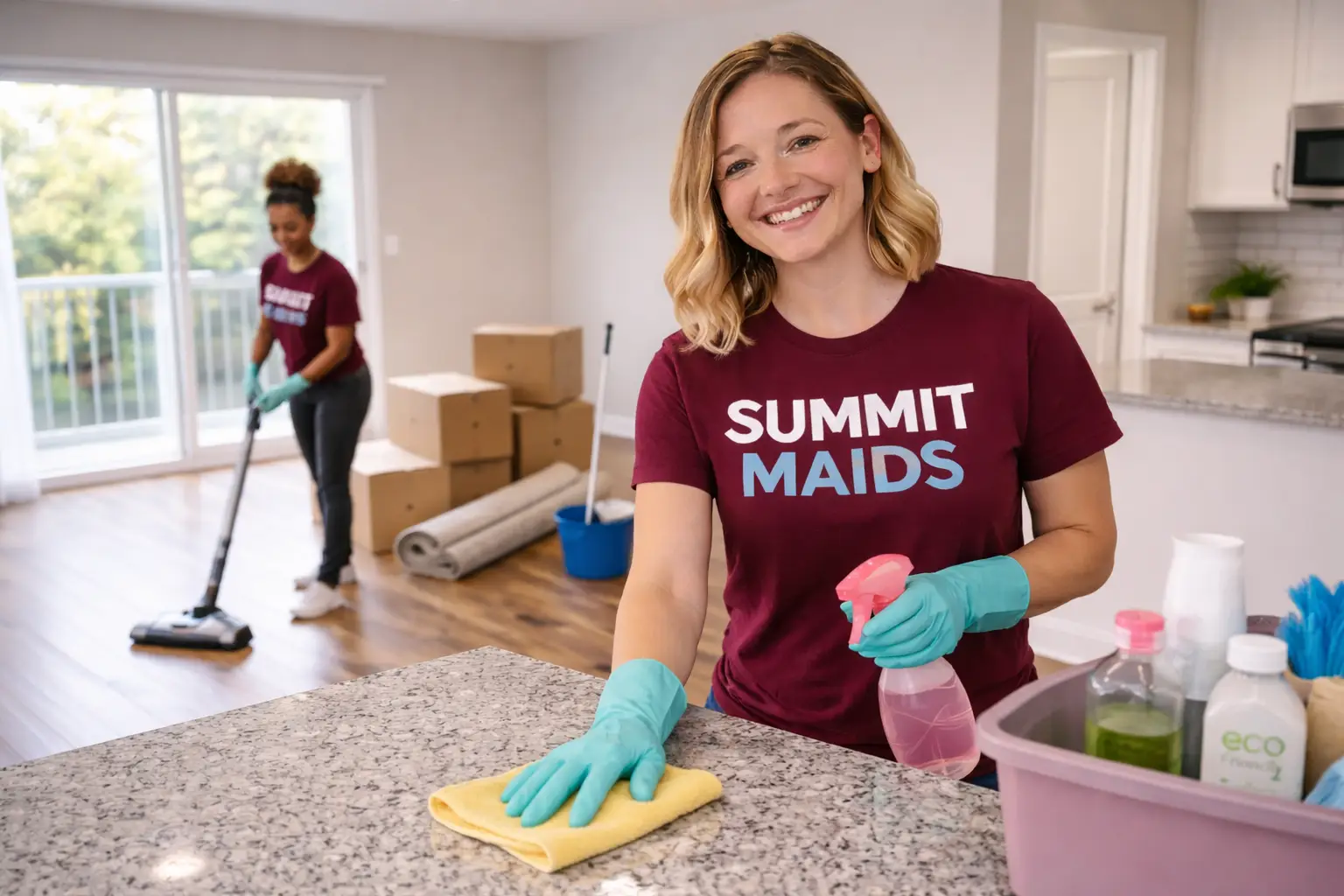
Across the country, households are moving from reactive cleaning to structured maintenance systems. Many homeowners look to professional frameworks, such as Residential cleaning services in Cleveland, to understand how consistent scheduling and checklist-based cleaning improve long-term results.
This influence is shaping daily routines. Structured systems similar to House cleaning services in Cleveland emphasize preventive care instead of last-minute tidying. The result is fewer deep-clean emergencies and more predictable upkeep.
Below are the most important Cleaning Trends homeowners are following in 2026.
1. Health-First Cleaning Standards
Health-driven cleaning is now a baseline expectation. Homeowners are targeting bacteria, allergens, and air quality instead of focusing only on visible dirt.
Common practices include:
- Disinfecting high-touch surfaces daily
- Using HEPA-filter vacuums
- Sanitizing mattresses and upholstery quarterly
- Installing indoor air purifiers
Quarterly deep cleaning schedules have become common. Kitchens and bathrooms receive routine sanitization to prevent buildup instead of waiting for visible grime.
2. Eco-Friendly Product Adoption
Sustainability is one of the strongest Cleaning Trends this year. Consumers are replacing harsh chemicals with biodegradable, plant-based products.
Homeowners are:
- Choosing refillable cleaning systems
- Using concentrated formulas
- Replacing disposable wipes with reusable microfiber cloths
- Avoiding single-use plastic packaging
Ingredient transparency matters more than brand recognition. Buyers check labels carefully and avoid ammonia, chlorine bleach, and artificial fragrances.
Green cleaning is now practical, accessible, and widely adopted.
3. Smart Cleaning Technology Integration
Automation is transforming daily cleaning habits. Robot vacuums with mapping systems, self-emptying bins, and app-based scheduling tools are now common in modern homes.
Popular tools include:
- AI-powered robotic vacuums
- Steam mops with adjustable sanitation levels
- Smart air quality monitors
- Automated reminders for routine tasks
Technology reduces manual labor while maintaining baseline cleanliness. Homeowners still handle detail work, but automation manages everyday dust and debris.
4. Micro-Zone Cleaning Systems
Instead of cleaning the entire house at once, many households divide the home into zones.
Typical zones include:
- Entryway
- Kitchen
- Bathrooms
- Bedrooms
Each area has a focused checklist and weekly rotation. This method reduces overwhelm and improves consistency. Micro-zone cleaning ensures every part of the home receives attention without requiring full-day cleaning sessions.
5. Quarterly Deep Cleaning Schedules
Annual spring cleaning is becoming outdated. Homeowners now spread deep-clean tasks throughout the year.
Quarterly tasks often include:
- Baseboard scrubbing
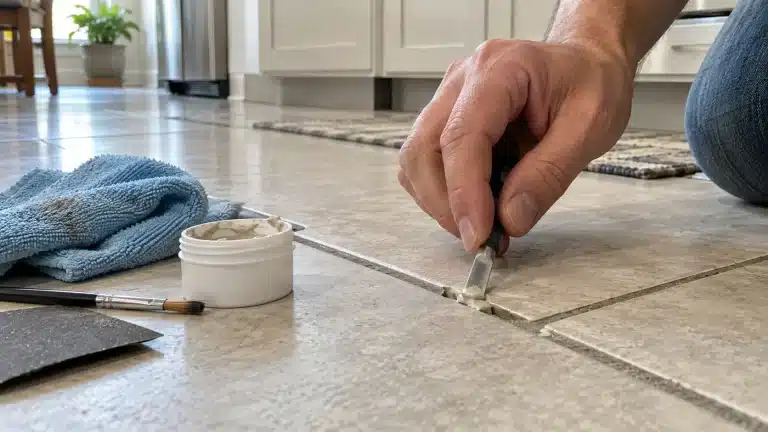
- Grout restoration
- Appliance detailing
- Window track cleaning
- Ceiling fan dust removal
Spreading tasks across four seasons prevents buildup and protects surfaces long term.
Preventive cleaning saves time and reduces heavy labor later.
6. Decluttering Before Cleaning
Cleaning is more effective when clutter is reduced first. This principle has gained momentum in 2026.
Common decluttering habits include:
- Capsule wardrobes
- Organized drawers
- Digital paperwork storage
- Regular donation cycles
Fewer items mean faster cleaning sessions and less dust accumulation. Homes designed with simplicity require less maintenance.
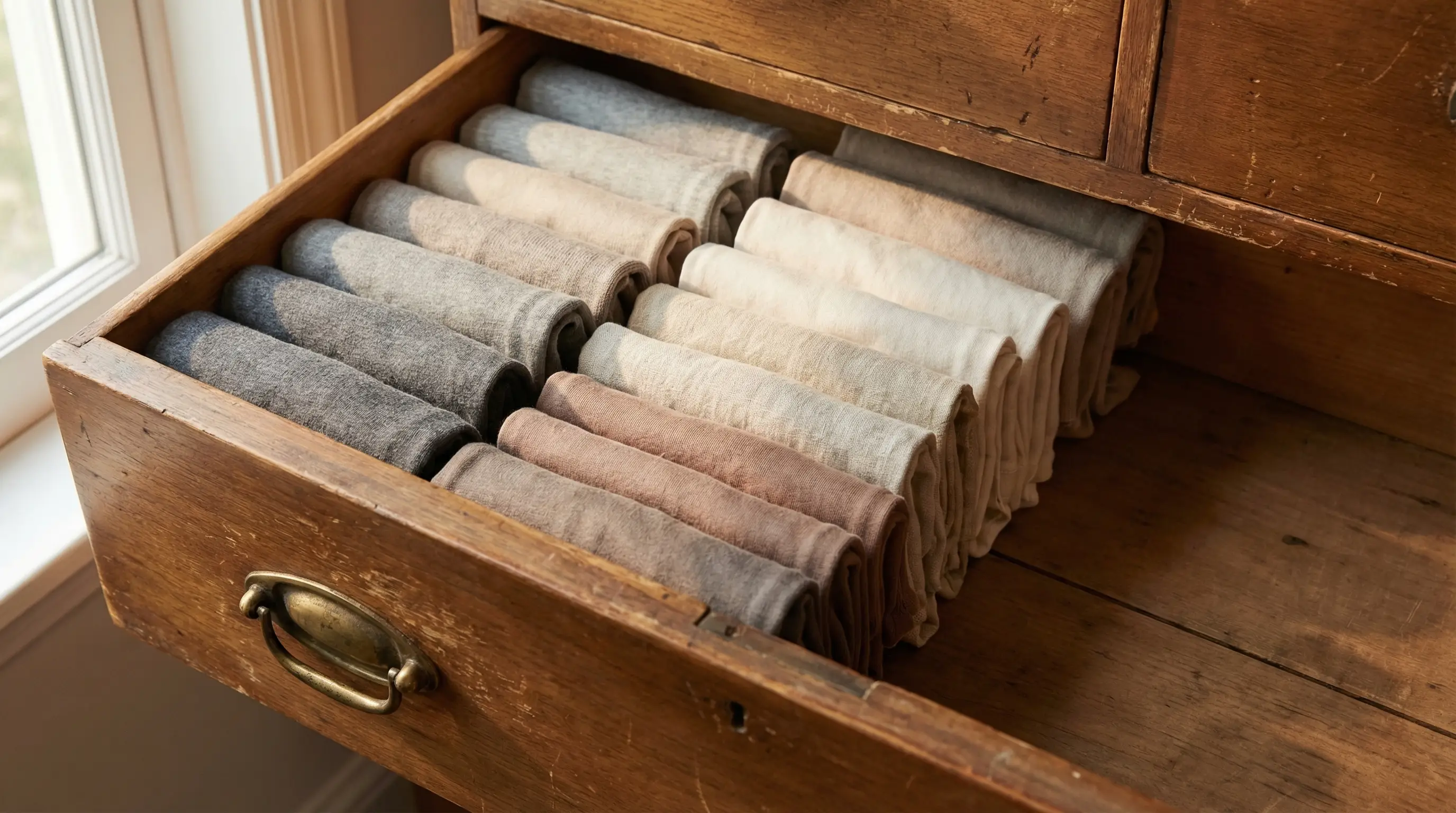
Decluttering supports efficiency and improves visual order.
7. High-Touch Surface Focus
Homeowners are more aware of germ-prone areas than ever before.
Frequently sanitized areas now include:
- Refrigerator handles
- Faucet knobs
- Cabinet pulls
- Remote controls
- Stair railings
These surfaces are cleaned routinely instead of occasionally. Regular disinfection reduces the spread of bacteria and viruses inside the home.
This awareness has become part of standard cleaning checklists.
8. Hybrid DIY and Professional Models
Many households combine personal maintenance with periodic professional cleaning.
A typical approach includes:
- Weekly homeowner cleaning
- Monthly structured maintenance
- Quarterly professional deep cleaning
This hybrid system ensures consistent results without overwhelming schedules. It also protects flooring, appliances, and high-use surfaces from long-term wear.
The focus is on balance and efficiency.
9. Pet-Specific Cleaning Protocols
Rising pet ownership has influenced Cleaning Trends significantly.
Pet-focused strategies include:
- Upholstery hair removal tools
- Enzyme-based odor control
- Washable furniture covers
- Paw-cleaning stations at entry points
Air quality remains a top concern in homes with pets. Regular vacuuming and filtration systems reduce dander and allergens.
Pet-friendly cleaning systems are now structured and routine rather than reactive.
10. Cleaning for Mental Clarity
Clean spaces support mental focus. Many homeowners now treat cleaning as part of their personal productivity system.
Popular routines include:
- Weekly reset days
- 15-minute daily maintenance sessions
- Visual organization systems
- Structured laundry cycles
An organized home reduces stress and decision fatigue. Cleaning is increasingly viewed as a tool for stability rather than a burden.
11. Entryway Sanitation Checkpoints
Entryways have become controlled transition spaces.
Homeowners are adding:
- Shoe storage benches
- Floor mats that trap debris
- Hand sanitizer stations
- Hooks to prevent clutter buildup
This setup reduces dirt spread and lowers overall cleaning frequency throughout the home.
The entryway functions as a protective buffer.
12. Kitchen Hygiene Prioritization
The kitchen requires strict maintenance due to food handling and moisture.
Common habits include:
- Daily sink disinfection
- Garbage disposal cleaning
- Refrigerator interior wipe-downs
- Appliance handle sanitization
Structured kitchen cleaning schedules reduce bacteria growth and protect family health.
Consistency is the goal.
13. Laundry Room Maintenance
Laundry spaces are receiving more attention in 2026.
Routine practices include:
- Cleaning lint traps regularly
- Sanitizing detergent drawers
- Preventing mold buildup in washer gaskets
- Organizing folding areas
Well-maintained laundry rooms extend appliance lifespan and prevent odors.
Maintenance is proactive rather than corrective.
14. Personalized Cleaning Checklists
Generic cleaning lists are being replaced with customized routines.
Factors influencing schedules include:
- Household size
- Remote work frequency
- Presence of children
- Pet ownership
- Local climate
Personalized checklists ensure time is spent on the areas that require the most attention.
Customization improves efficiency.
15. Data-Driven Cleaning Decisions
Digital tools are shaping how often people clean.
Homeowners now use:
- Task management apps
- Shared digital checklists
- Cleaning rotation calendars
- Supply tracking systems
These tools improve accountability and reduce missed tasks.
Structured tracking eliminates guesswork.
Why Cleaning Trends in 2026 Matter
Cleaning Trends today reflect larger lifestyle priorities. Health protection, sustainability, and time optimization guide modern home maintenance.
Homes are maintained to improve air quality, protect long-term assets, and support daily productivity.
Structured systems, smart tools, and personalized schedules are replacing sporadic cleaning habits. Homeowners are building routines that are realistic, repeatable, and efficient.
Understanding these Cleaning Trends helps households create healthier and more manageable living environments in 2026.